







Why Premiere Pro Projects Get Lost or Corrupted
Adobe Premiere Pro is one of the most widely used video editing applications for professional creators, YouTubers, filmmakers, and content studios. However, losing an important project can quickly become a nightmare, especially when hours of editing disappear after a sudden crash, accidental deletion, or system failure. Many users search for solutions related to how to recover premiere pro save because project loss can happen unexpectedly during editing sessions.
Premiere Pro projects usually store timelines, media links, effects, transitions, and editing configurations inside PRPROJ files. If these files become damaged or deleted, editors may lose access to unfinished projects. The problem becomes more frustrating when autosave folders are missing or overwritten.
Common causes of Premiere Pro project loss include sudden power outages, software crashes, storage corruption, accidental formatting, malware infections, and synchronization failures on cloud storage platforms. Sometimes users mistakenly delete active project folders while cleaning storage drives.
Another frequent issue involves editors forgetting project save locations. Many users repeatedly ask where are premiere pro projects saved because project files may exist across multiple storage devices, cloud folders, or external SSDs.
⚠️Warning: Continuing to use the same storage drive after deleting a Premiere Pro project may overwrite recoverable data and reduce recovery success rates.
Understanding Premiere Pro Save and Autosave Locations
Premiere Pro includes both manual save and autosave systems to help users protect their editing projects. Understanding where project files are stored can significantly improve recovery chances after unexpected problems.
By default, Premiere Pro saves projects in user-selected folders. Most editors create dedicated project directories containing PRPROJ files, source videos, cache files, exported media, and autosave backups. However, if users forget their selected location, recovery becomes more difficult.
Many editors specifically search for where are premiere pro projects saved windows because Windows systems often contain multiple save locations. Autosave folders usually appear inside the project directory unless users customize autosave paths within Premiere Pro preferences.
Typical Windows save locations include:
- Documents Folder
- Desktop
- External SSDs
- Adobe Creative Cloud folders
- Custom video editing drives
Autosave files often follow this structure:
Documents > Adobe > Premiere Pro > Version Folder > Adobe Premiere Pro Auto-Save
Mac users generally find autosave files inside the Movies or Documents directory.
Premiere Pro also creates preview and cache files separately. These temporary files improve playback performance but sometimes confuse users during manual recovery attempts.
Test Environment:
- Device: Windows 11 Pro Workstation
- Premiere Pro Version: Adobe Premiere Pro 2026
- Storage: Samsung 2TB NVMe SSD
- File Types Tested: PRPROJ, MP4, MOV, WAV
How Premiere Pro Autosave Works During Editing
Autosave is one of Premiere Pro’s most valuable recovery features. It automatically creates backup copies of active projects at scheduled intervals. These backups help users restore editing progress after crashes or unexpected shutdowns.
Premiere Pro allows users to customize autosave frequency through application preferences. Editors can choose how often the software creates backup copies and how many versions it stores before deleting older backups.
Autosave files usually include timestamps in their filenames. This makes it easier to identify the newest recoverable version after a crash. Many editors rely heavily on autosave because large editing projects often require several hours or days of work.
Despite its usefulness, autosave is not perfect. Some users disable autosave accidentally, while others store autosave folders on failing drives. In some cases, Premiere Pro crashes before generating the latest backup version.
Users searching for how to recover premiere pro save often discover that autosave folders contain partial recovery versions that still preserve most editing progress.
Autosave files may also become corrupted if the operating system crashes during the save process. This problem appears more frequently on unstable systems with insufficient RAM or failing storage hardware.
⚠️Warning: Never move or rename Premiere Pro autosave files while the software is running because doing so may break project references.
Methods to Recover Deleted Premiere Pro Projects
Recovering deleted Premiere Pro files depends on how the project disappeared. Different recovery approaches work better for accidental deletion, software crashes, corrupted storage, or unsaved editing sessions.
Restore Premiere Pro Projects from Autosave Folder
Autosave recovery is usually the fastest method. Users can manually browse the Adobe Premiere Pro Auto-Save folder and open the newest backup version.
To recover using autosave:
- Open the Premiere Pro project directory.
- Locate the Auto-Save folder.
- Sort files by modified date.
- Open the newest PRPROJ backup file.
- Save the restored project with a new filename.
This method works especially well after unexpected crashes or sudden application freezes.
Test Environment:
- Device: ASUS ProArt Creator Laptop
- Operating System: Windows 11
- Premiere Pro Version: 25.3
- Recovery Scenario: Application crash during timeline editing
Recover Deleted Projects from Windows Recycle Bin
If the project was accidentally deleted manually, the Recycle Bin may still contain the PRPROJ file. This recovery method is simple and effective for recently deleted projects.
Steps include:
- Open the Recycle Bin.
- Search for PRPROJ files.
- Right-click the deleted project.
- Select Restore.
- Return the file to its original folder.
Many editors forget to check the Recycle Bin before attempting advanced recovery methods.
Test Environment:
- Device: Dell XPS Desktop
- Storage: External SSD
- Deletion Scenario: Accidental folder cleanup
- File Size Tested: 1.8GB project directory
Use File History and Backup Features to Restore Projects
Windows File History and cloud backup services can provide additional recovery options for missing Premiere Pro projects. Editors who regularly back up creative work often recover older project versions quickly.
Windows File History automatically stores copies of modified files when enabled. Users can restore previous versions of project folders directly from Windows Explorer.
To restore previous versions:
- Navigate to the original project folder.
- Right-click the folder.
- Select Properties.
- Open the Previous Versions tab.
- Restore an earlier backup version.
Cloud synchronization services such as OneDrive, Dropbox, and Google Drive may also preserve deleted projects temporarily. Some services maintain deleted files for up to 30 days before permanent removal.
External backup drives provide another reliable solution for video editors managing large production workflows. Many professionals use scheduled backup software to duplicate project directories automatically.
However, backup recovery only works if backups were created before data loss occurred. Users without active backup systems often require deeper recovery solutions.
Test Environment:
- Device: HP ZBook Studio
- Backup Tool: Windows File History
- Cloud Sync Tested: OneDrive
- Recovery Type: Previous project version restoration
How Pandaoffice Drecov Helps Recover Lost Premiere Pro Projects
When Premiere Pro project files disappear permanently from local drives, recovery software may become necessary. Pandaoffice Drecov provides a practical solution for restoring deleted or formatted PRPROJ files, media assets, and editing project folders.
The software supports recovery from:
- SSDs
- HDDs
- USB drives
- SD cards
- External video editing storage devices
One major advantage involves deep scanning technology that locates deleted project files even after accidental formatting or partition corruption. This becomes especially useful for editors working with large production directories.
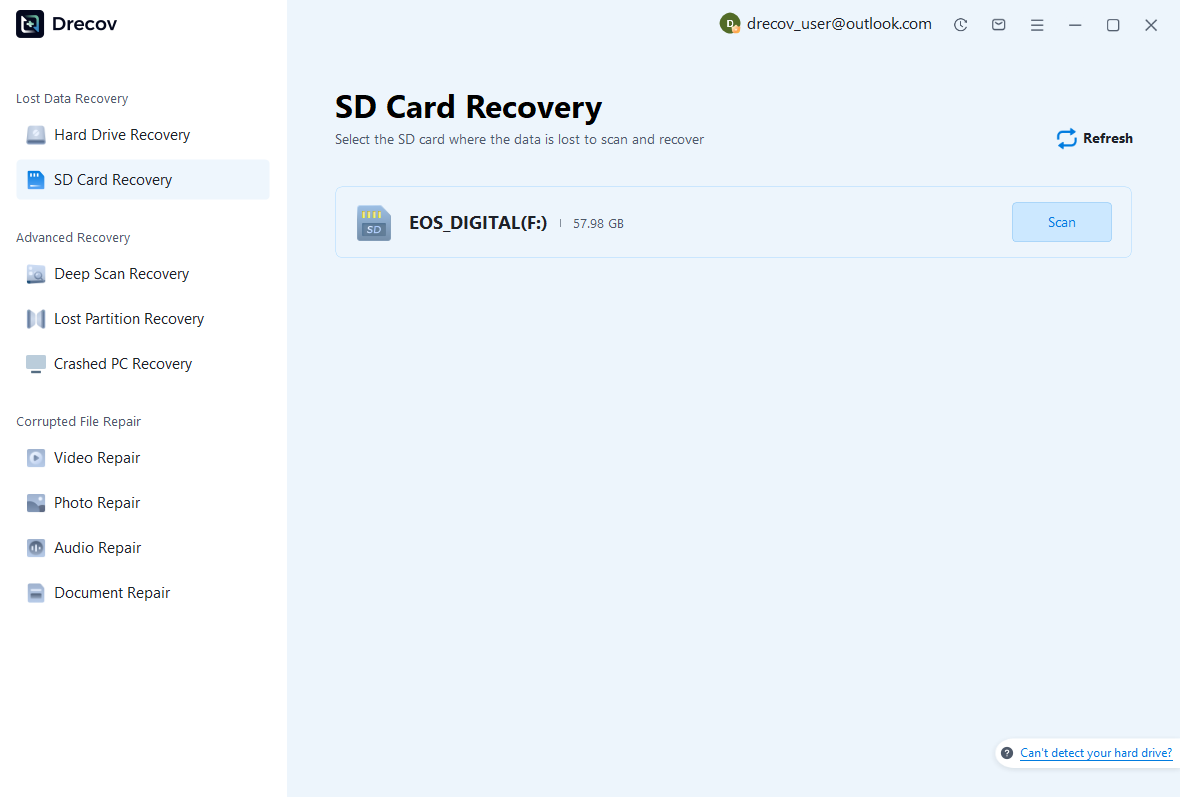
Step 1: Install Pandaoffice Drecov
Download and install the recovery software on a different drive from the deleted project location to avoid overwriting recoverable data.
Step 2: Select the Lost Project Drive
Choose the SSD, HDD, or external device containing the missing Premiere Pro files.
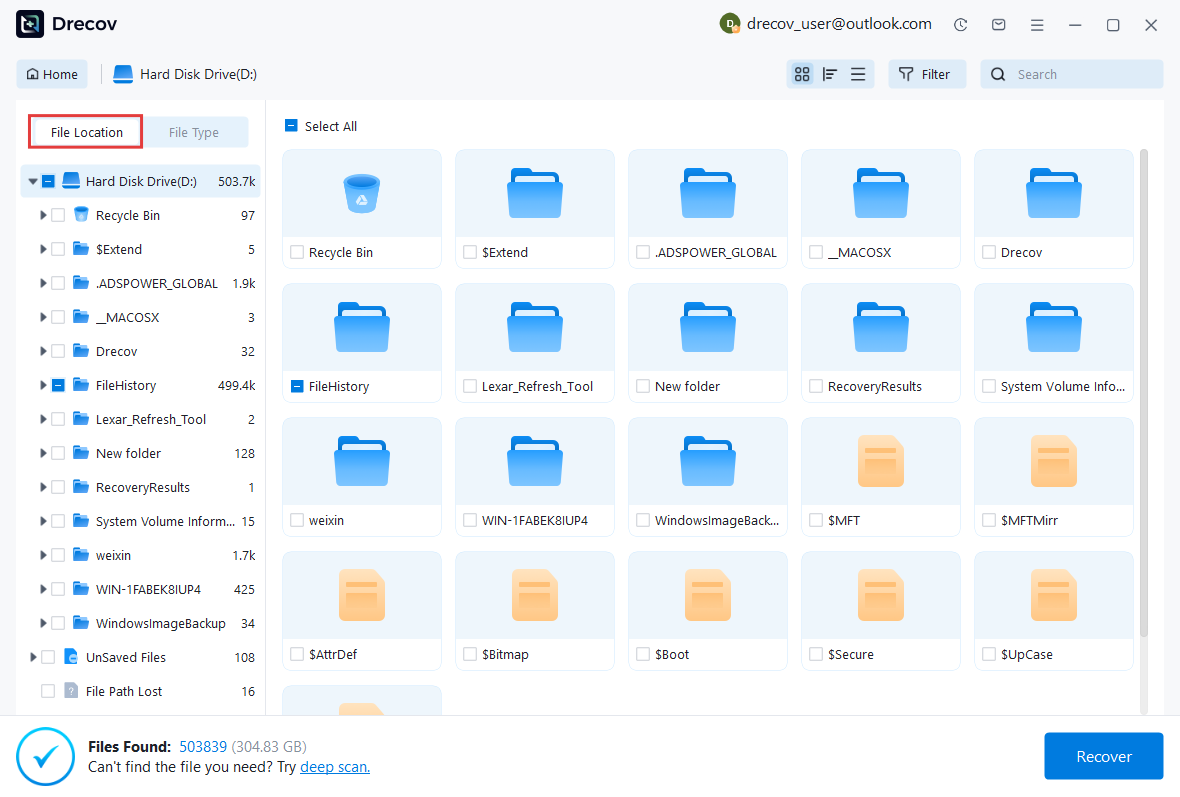
Step 3: Perform a Deep Scan
Run a comprehensive scan to search for deleted PRPROJ files, autosave backups, and media assets.
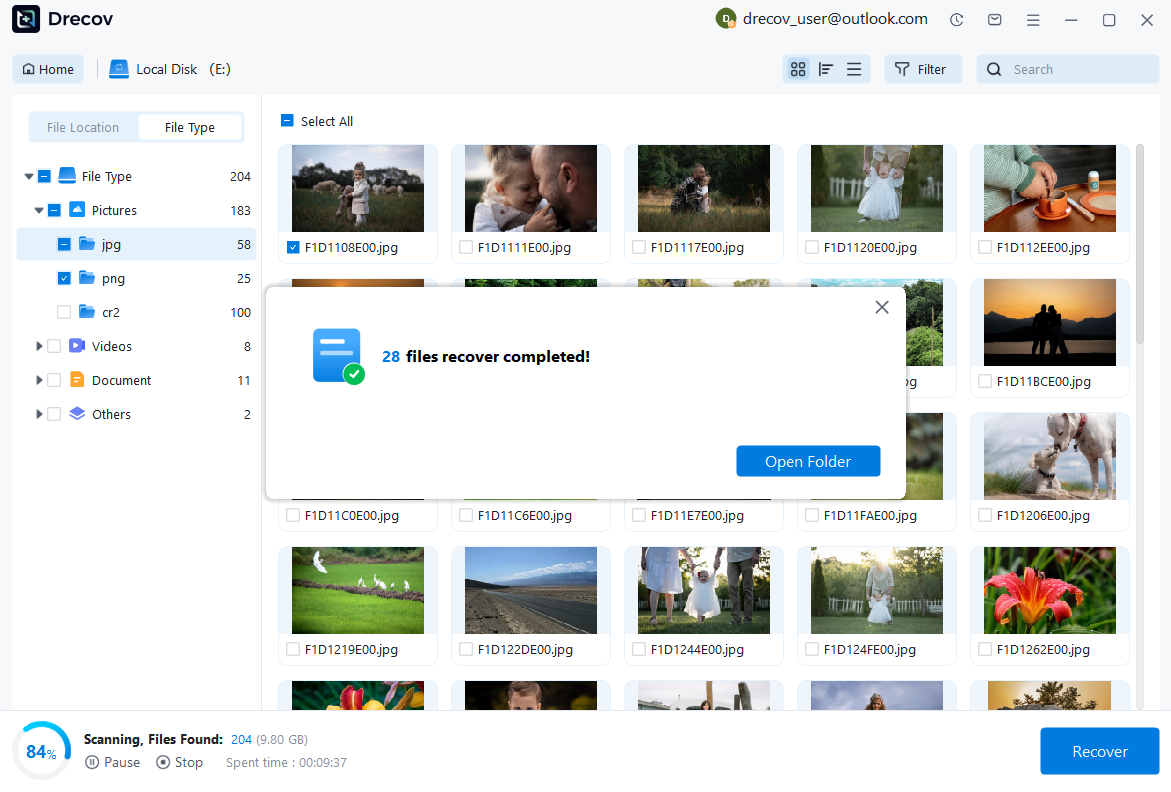
Step 4: Preview and Restore Files
Preview recoverable project files and restore them to a secure storage location.
Many editors use this approach when autosave folders are missing or backup systems fail completely.
Test Environment:
- Device: Custom Video Editing Workstation
- Storage Device: 4TB NVMe SSD
- Recovery Scenario: Formatted editing partition
- File Types Recovered: PRPROJ, MP4, MOV, WAV
Why Choose PandaOffice Drecov Recovery Software?
PandaOffice Drecov offers a fast, secure, and user-friendly solution for recovering lost files across multiple scenarios. Whether you need email recovery, ZIP File Recovery, format data recovery, or help to recover deleted drafts Outlook, the software provides reliable recovery performance for both personal and business users.
PandaOffice Drecov supports recovery from formatted hard drives, SSDs, USB drives, SD cards, and external storage devices. Its advanced scanning engine can locate deleted archives, damaged ZIP files, lost Outlook drafts, and accidentally removed documents with high accuracy. For users searching for how to find deleted messages in Teams, PandaOffice Drecov can also help recover exported chat files, attachments, and related local cache data when available.
Key advantages include:
- Deep scan technology for complex data loss situations
- Support for emails, archives, videos, photos, and office documents
- Recovery from accidental deletion, formatting, corruption, and system crashes
- Easy preview before restoring files
- Compatible with Windows and multiple storage devices
Unlike complicated enterprise recovery tools, PandaOffice Drecov keeps the recovery process simple. Users can scan, preview, and restore files in just a few steps without technical expertise.
Whether you are dealing with lost Outlook drafts, corrupted ZIP archives, formatted drives, or missing communication data, PandaOffice Drecov provides an efficient and practical recovery experience designed to minimize downtime and protect important files.
Advanced Recovery Techniques for Corrupted Premiere Pro Files
Sometimes Premiere Pro projects still exist but fail to open correctly because of corruption. Corrupted PRPROJ files may trigger error messages, freeze during loading, or crash Premiere Pro immediately after launch.
One common solution involves importing the damaged project into a new blank project. Premiere Pro sometimes rebuilds internal references automatically during import.
To attempt this fix:
- Launch Premiere Pro.
- Create a new project.
- Select Import.
- Choose the corrupted PRPROJ file.
- Import sequences manually.
Another method involves removing corrupted cache files. Media cache corruption occasionally prevents projects from opening normally.
Users can clear cache files through:
Edit > Preferences > Media Cache
Deleting unused cache data may improve project stability.
Editors also sometimes restore corrupted projects using older autosave versions combined with manually relinking media files.
⚠️Warning: Never edit recovered project files directly before creating backup copies because damaged files may become permanently unrecoverable.
Test Environment:
- Device: MacBook Pro M4 Max
- Premiere Pro Version: 2026
- Corruption Type: Damaged PRPROJ timeline metadata
- Recovery Attempt: Import into new project
Common Reasons Premiere Pro Projects Fail to Save
Premiere Pro save failures can occur for many technical reasons. Understanding these causes helps editors reduce future project risks and avoid unexpected data loss.
Low storage space remains one of the most frequent issues. Large editing projects generate massive preview and cache files that quickly consume available storage capacity. When drives become nearly full, Premiere Pro may fail during save operations.
Permission conflicts can also block saves. Some folders restrict write access, especially on corporate systems or external drives formatted incorrectly.
Unstable plugins sometimes interfere with project saving as well. Third-party effects, transitions, and rendering plugins may corrupt save processes or trigger software crashes.
Outdated GPU drivers can also create system instability during editing sessions. Premiere Pro depends heavily on GPU acceleration for playback and rendering.
Some users searching where are premiere pro projects saved eventually discover they accidentally saved files inside temporary folders or disconnected drives.
Power interruptions create another major risk. Unexpected shutdowns during save operations can corrupt active project files instantly.
Test Environment:
- Device: Lenovo Legion Creator PC
- GPU: NVIDIA RTX 5090
- Storage Space Tested: 95% Full SSD
- Failure Scenario: Save interruption during rendering
Best Practices to Prevent Premiere Pro Project Loss
Prevention remains far more effective than emergency recovery. Professional editors usually implement multiple backup and autosave strategies to protect creative work.
One important habit involves enabling frequent autosave intervals. Saving every 5 minutes provides better protection than longer intervals.
Editors should also maintain separate project folders for:
- Raw footage
- Project files
- Exports
- Audio assets
- Backup versions
Using external SSDs designed for video editing improves both performance and reliability. Professional-grade drives generally handle large media workflows better than standard consumer storage.
Cloud synchronization provides another useful protection layer. Services like OneDrive and Dropbox automatically duplicate project files online.
Some editors manually create versioned backups such as:
- Project_v1
- Project_v2
- Project_Final
- Project_Final_Updated
This workflow prevents accidental overwrites and simplifies rollback recovery.
Keeping operating systems, Premiere Pro, and GPU drivers updated also reduces crash frequency significantly.
⚠️Warning: Avoid storing active Premiere Pro projects only on USB flash drives because unstable connections may damage project files during editing.
How to Locate Missing Premiere Pro Projects Quickly
Many users panic after losing track of project save locations. Fortunately, several search methods help identify missing Premiere Pro files quickly.
Windows Search allows users to search for:
*.prproj
This command scans drives for Premiere Pro project files.
Users can also sort search results by modification date to locate recently edited projects faster.
Premiere Pro itself sometimes displays recent project history during startup. Recently opened projects may still appear inside the application launch screen.
Another useful method involves checking autosave directories manually. Editors often discover backup versions even when original files disappear.
For users wondering where are premiere pro projects saved windows, common search locations include:
- Documents
- Desktop
- External drives
- Adobe Creative Cloud folders
- Video production directories
Mac users can use Finder search tools to locate PRPROJ files across connected storage devices.
Test Environment:
- Device: Surface Studio 3
- Operating System: Windows 11
- Search Method Tested: Windows File Explorer
- Project Count Tested: 200+ PRPROJ files
Frequently Asked Questions About Premiere Pro Recovery
Can unsaved Premiere Pro projects be recovered?
Yes. Autosave folders may contain temporary backup versions created before the crash occurred.
Where are Premiere Pro projects saved by default?
Projects are usually saved inside user-selected folders, while autosave files commonly appear inside Adobe Premiere Pro Auto-Save directories.
Why is my Premiere Pro project corrupted?
Corruption often results from crashes, interrupted save operations, failing drives, plugin conflicts, or sudden power loss.
How do I restore deleted PRPROJ files?
Users can recover deleted projects through the Recycle Bin, autosave folders, backup systems, or recovery software.
Can formatted drives still recover Premiere Pro projects?
Yes. Deep scan recovery software may restore deleted project files if overwritten data remains limited.
What file extension does Premiere Pro use?
Adobe Premiere Pro project files use the PRPROJ extension.
Can cloud backups help restore deleted projects?
Yes. Cloud platforms like OneDrive and Dropbox sometimes preserve deleted files temporarily.
Final Thoughts on Recovering Premiere Pro Projects
Losing an important Premiere Pro project can disrupt editing schedules, delay production timelines, and create major frustration for content creators. Fortunately, several reliable recovery methods can help restore deleted, unsaved, or corrupted project files.
Understanding where are premiere pro projects saved and configuring autosave properly are essential first steps for preventing serious data loss. Backup systems, cloud synchronization, and versioned project management also provide valuable protection for professional editing workflows.
When traditional recovery options fail, deeper recovery solutions such as Pandaoffice Drecov can help restore deleted PRPROJ files, media assets, and damaged project folders from SSDs, HDDs, and external drives.
Editors should also prioritize preventive strategies like regular backups, stable storage hardware, and updated software environments. These habits significantly reduce the risk of future project corruption or accidental deletion.
Whether recovering unsaved edits, locating missing autosave files, or restoring formatted drives, the right recovery approach can often save hours of creative work and keep video production projects moving forward successfully.





