







Understanding Deleted CapCut Videos and Project Recovery
Why CapCut Videos Disappear
CapCut is widely used for creating short-form videos, social media content, tutorials, and personal projects. Because users often spend hours editing footage, losing a project can be extremely frustrating. Videos may disappear for several reasons, including accidental deletion, storage failures, software updates, synchronization issues, or app removal.
When a project is removed, the actual video data may not disappear immediately. In many situations, files remain stored on the device until new data overwrites the original storage sectors. This creates an opportunity for recovery if action is taken quickly.
Understanding how CapCut manages projects can improve the chances of successful recovery. Some files are stored locally on the device, while others may be synchronized through cloud services depending on account settings.
Users frequently search for solutions after finding a capcut deleted project or missing exported video. Fortunately, several recovery options may still be available depending on the device and circumstances involved.
Where CapCut Stores Projects and Exports
CapCut typically separates project files from exported videos.
Common storage locations include:
- Internal phone storage
- App-specific directories
- Photo galleries
- Cloud synchronization folders
- External storage locations
Projects contain editing information such as clips, transitions, effects, and timelines, while exported videos are usually saved as standard media files.
Knowing where these files are stored helps users locate missing content more efficiently.
What Happens When CapCut Files Are Deleted
When a file is deleted, the operating system generally removes the file reference rather than immediately destroying the data itself.
As a result:
- Projects may still exist in hidden storage.
- Videos may remain in recovery-accessible sectors.
- Cloud backups may retain previous versions.
- Recently Deleted folders may contain recoverable files.
The sooner recovery attempts begin, the better the chances of restoring lost content.
Common Reasons for Missing CapCut Projects
Accidental Deletion Inside the App
One of the most common causes of missing videos is accidental deletion.
This can happen when users:
- Remove the wrong project
- Clear old drafts
- Delete exported videos
- Reset application settings
Because many projects have similar names, mistakes can occur easily during storage cleanup.
In some situations, deleted projects can still be restored if temporary storage or backup copies remain available.
Device Storage Cleanup and File Loss
Mobile devices frequently display warnings when storage space becomes limited.
Users may respond by:
- Removing unused files
- Running storage-cleaning utilities
- Clearing application data
- Deleting media folders
Unfortunately, these actions sometimes remove active CapCut projects or exported videos unintentionally.
Storage optimization tools can occasionally delete cached content that users expected to remain available.
App Uninstallation and Synchronization Issues
Some users remove the application during troubleshooting and later discover that projects have disappeared.
This often leads to questions such as:
- how to get capcut back
- how to get capcut back after deleting
- will capcut be restored
The answer depends on how the application was configured before removal.
If synchronization was enabled and project data was linked to an account, restoration may be possible after reinstalling the application. However, locally stored projects may be removed if no backup exists.
⚠️ Warning: Avoid reinstalling the application repeatedly before checking whether local project files still exist. Reinstallation may overwrite recoverable data in certain situations.
How to Recover Deleted CapCut Videos
Method 1: Check the CapCut Trash Folder
Some versions of the application may temporarily retain deleted projects before permanently removing them.
This makes the capcut trash area one of the first places users should inspect.
Steps
- Open CapCut.
- Navigate to Projects.
- Check for Recently Deleted items.
- Review available drafts.
- Restore any required project.
- Verify project contents.
If the project appears in the trash section, recovery is usually quick and straightforward.
Test Environment
- iPhone 15
- iOS 18
- Latest CapCut Version
- Cloud Sync Enabled
This method is most effective immediately after deletion.
Method 2: Restore Videos from Recently Deleted Albums
Many exported videos are stored in the device’s photo gallery rather than inside the editing application.
Both Android and iPhone devices typically include a Recently Deleted folder.
Steps
- Open the Photos application.
- Navigate to Recently Deleted.
- Search for the missing video.
- Select the file.
- Tap Restore.
- Confirm restoration.
Recovered videos are usually returned to their original media library location.
Test Environment
- iPhone 15 Pro
- iOS 18
- Photos App Enabled
- Local Media Storage
This method often works for exported videos even when the editing project itself is no longer available.
Method 3: Recover Deleted CapCut Projects from Cloud Backups
Cloud synchronization can provide an additional layer of protection against accidental deletion.
If backups exist, restoring project files may be possible through the account associated with the application.
Steps
- Sign into the original account.
- Verify synchronization status.
- Access cloud storage settings.
- Search for archived projects.
- Restore available backups.
- Open the project in CapCut.
Test Environment
- Android 15
- CapCut Account Login
- Cloud Backup Enabled
- Stable Internet Connection
Cloud recovery is often the easiest option when local files have already been removed.
⚠️ Warning: Before restoring cloud backups, check modification dates carefully to avoid overwriting newer project versions.
Method 4: Reinstall CapCut and Restore Account Data
If the application has been removed from your device, reinstalling it may help restore synchronized content. Many users searching for how to get capcut back after deleting are concerned that all projects have been lost permanently.
In reality, the outcome depends on whether project data was linked to an account and synchronized before the app was removed.
Steps
- Open the App Store or Google Play Store.
- Download and install CapCut again.
- Launch the application.
- Sign in using the original account.
- Allow synchronization to complete.
- Check the Projects section for restored content.
If cloud synchronization was previously enabled, some projects may reappear automatically after login.
Test Environment
- iPhone 15 Pro
- iOS 18
- CapCut Account Login
- Stable Wi-Fi Connection
This method is often the first solution users try when searching for how to get capcut back after uninstalling the application.
Method 5: Recover Deleted Videos Using PandaOffice Drecov
When local files have been removed and no backup is available, recovery software may provide another opportunity to retrieve lost content.
PandaOffice Drecov can scan storage devices for deleted video files that have not yet been overwritten. This includes exported CapCut videos, media assets, and certain project-related files stored locally.
Steps
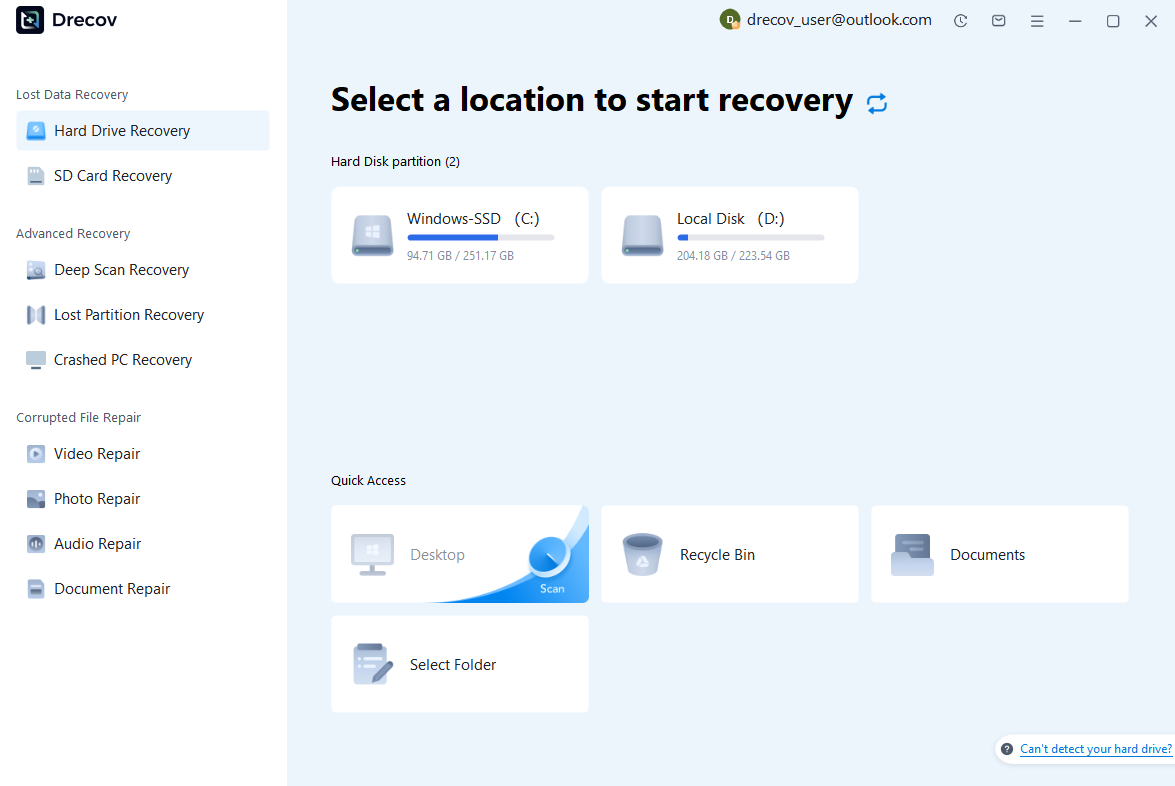
Step 1: Connect the Drive / USB)
Connect your device (SD card, HDD/SSD, or USB drive) to your computer and launch PandaOffice Drecov. Select the target device and start the scan. The software will perform a quick scan and deep scan to detect lost or deleted data.
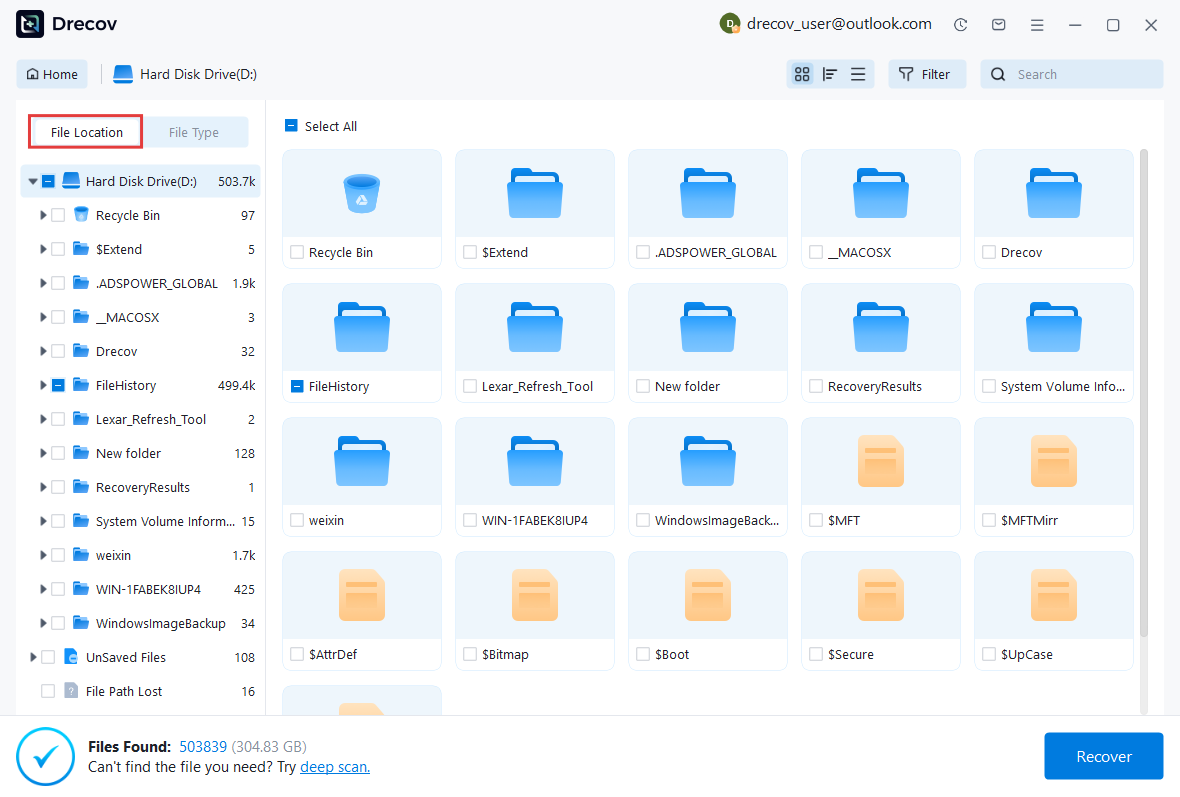
Step 2: Locate and Preview Lost Files
After scanning, browse the detected files and use the preview feature to check recoverable data. You can preview documents (Word, Excel, PDF), photos, and videos to ensure file integrity before recovery.
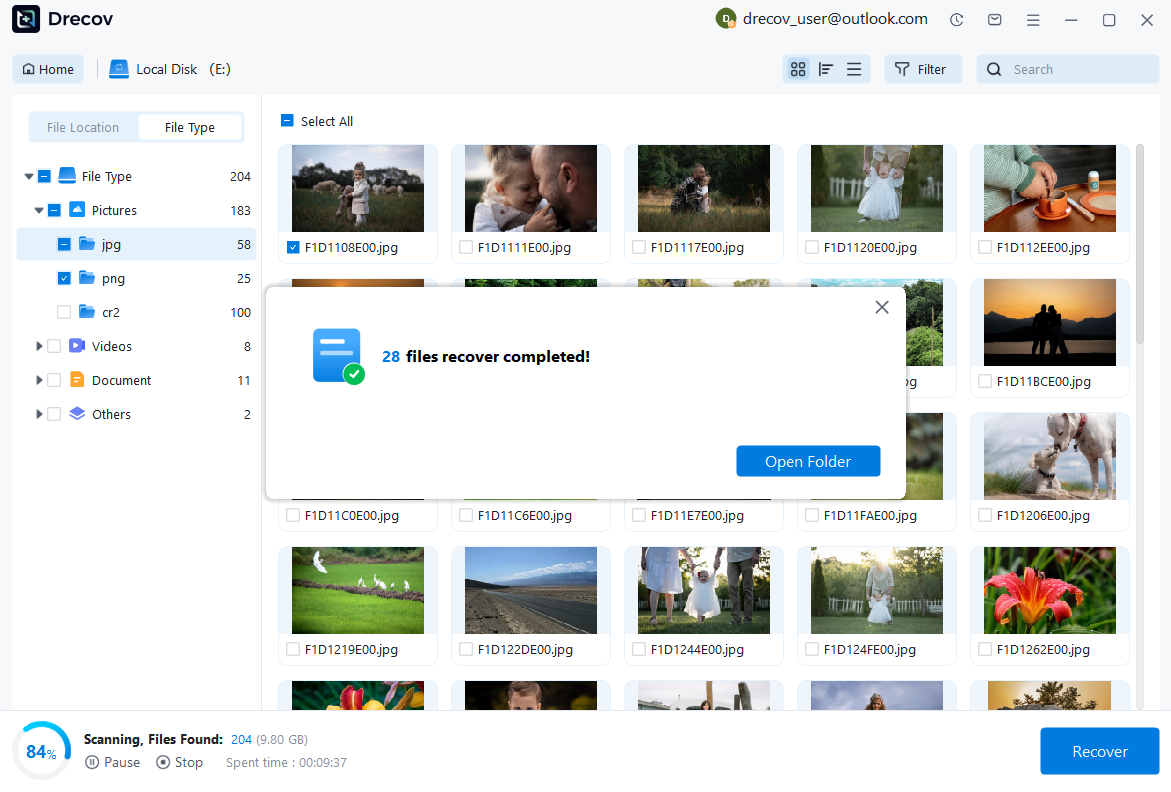
Step 3: Recover and Save to a New Location
Select the files you want to restore and click recover. Save all recovered data to a different drive or location (not the original device) to avoid overwriting lost data.
Why Choose PandaOffice Drecov Recovery Software?
PandaOffice Drecov offers a fast, secure, and user-friendly solution for recovering lost files across multiple scenarios. Whether you need email recovery, ZIP File Recovery, format data recovery, or help to recover deleted drafts Outlook, the software provides reliable recovery performance for both personal and business users.
PandaOffice Drecov supports recovery from formatted hard drives, SSDs, USB drives, SD cards, and external storage devices. Its advanced scanning engine can locate deleted archives, damaged ZIP files, lost Outlook drafts, and accidentally removed documents with high accuracy. For users searching for how to find deleted messages in Teams, PandaOffice Drecov can also help recover exported chat files, attachments, and related local cache data when available.
After recovery, test the file again. If the audio stream was damaged because of storage issues, a recovered version may play normally.
This method is particularly useful when only a few files exhibit audio problems while VLC works correctly with all other media.
This method can help users recover files from floppy disk storage after accidental deletion, formatting, or logical corruption.
Recovery success depends on several factors:
- Time since deletion
- Device usage after deletion
- Storage condition
- Available free space
Test Environment
- Windows 11 Pro
- 1TB NVMe SSD
- CapCut Exported MP4 Videos
- NTFS File System
For the highest recovery rate, stop saving new files to the affected storage device immediately after data loss occurs.
Method 6: Restore iPhone Backup Data
For Apple users, restoring a previous backup may help recover missing videos and project files.
This method is especially useful for those researching how to recover deleted capcut videos on iphone after accidental deletion or device issues.
Steps
- Verify that a recent backup exists.
- Open iPhone Settings.
- Check iCloud Backup status.
- Reset the device if restoration is required.
- Select Restore from Backup.
- Choose the most relevant backup version.
- Complete the setup process.
Depending on the backup date, previously deleted videos may become available again.
Test Environment
- iPhone 15
- iCloud Backup Enabled
- iOS 18
- 256GB Storage
Restoring a backup may also recover other application data that existed when the backup was created.
Method 7: Search Local Storage for Missing Video Files
Sometimes the project appears lost, but the exported video still exists somewhere on the device.
Users can search storage manually to locate missing media.
Steps
- Open File Manager or File Explorer.
- Search for video file formats such as:
- MP4
- MOV
- AVI
- Sort files by date.
- Review recently created videos.
- Copy important files to a backup location.
This process can uncover exported content that was saved outside the expected directory.
Test Environment
- Android 15
- Internal Storage
- CapCut Export Folder
- 512GB Smartphone
Many users discover that their videos were never deleted but simply stored in an unfamiliar location.
⚠️ Warning: Avoid installing multiple recovery applications on the affected device, as additional writes may reduce recovery success rates.
Preventing Future CapCut Video Loss
Enable Cloud Synchronization
Cloud synchronization remains one of the most effective methods for protecting video projects.
Benefits include:
- Automatic backups
- Multi-device access
- Easier restoration
- Protection against device failure
To maximize reliability:
- Stay signed into your account.
- Maintain an internet connection.
- Verify synchronization status regularly.
Cloud backups reduce the risk of permanent project loss when devices are damaged or replaced.
Back Up Projects Regularly
Even when cloud synchronization is enabled, manual backups provide additional security.
Recommended backup destinations include:
- External SSDs
- USB flash drives
- Cloud storage services
- NAS devices
Users working on important content should create backups before:
- Major software updates
- Device replacements
- Operating system resets
- Large editing sessions
Maintaining multiple backup copies significantly improves data protection.
Manage Device Storage Properly
Storage shortages frequently contribute to project loss.
Helpful practices include:
- Monitoring available space
- Removing unnecessary files
- Using reliable storage devices
- Avoiding aggressive cleanup tools
A healthy storage environment reduces the likelihood of corruption and unexpected deletions.
⚠️ Warning: Some storage-cleaning applications may remove temporary project files without warning. Review deletion options carefully before confirming cleanup operations.
Frequently Asked Questions
How to Recover Deleted CapCut Videos on iPhone?
Many users search for how to recover deleted capcut videos on iphone after accidentally removing projects or exported videos.
The most effective recovery methods include:
- Checking Recently Deleted albums.
- Restoring iCloud backups.
- Recovering synchronized cloud projects.
- Using recovery software when files were stored locally.
The sooner recovery begins, the better the chances of success.
How to Get CapCut Back After Deleting It?
If the application has been removed, users can reinstall it from the official app store.
To restore content:
- Install CapCut again.
- Sign in using the original account.
- Allow synchronization to finish.
- Review available projects.
Whether projects return depends on previous backup and synchronization settings.
Will CapCut Be Restored After Reinstallation?
A common question is will capcut be restored after reinstalling the application.
The answer depends on where the data was stored.
Possible scenarios include:
- Cloud-synchronized projects may return automatically.
- Locally stored drafts may be lost.
- Exported videos may remain in the Photos app.
- Backup restoration may recover older project versions.
Users should always verify synchronization settings before uninstalling the application.
Where Is the CapCut Trash Folder?
The capcut trash area may vary depending on the application version and platform.
To locate it:
- Open the application.
- Navigate to Projects.
- Check for Recently Deleted items.
- Review draft recovery options.
If no trash folder exists, users should proceed with backup and recovery methods discussed earlier.
Can Deleted CapCut Projects Be Recovered Without Backup?
Yes, in some cases.
If storage sectors have not been overwritten, recovery software may locate deleted project files. Success rates depend on:
- Time since deletion
- Device activity
- File system condition
- Available recovery data
Immediate action generally produces the best results.
Final Thoughts
Best Practices for Protecting CapCut Projects
Losing video projects can be frustrating, especially when significant editing time has already been invested. Fortunately, deleted projects and exported videos are not always gone permanently. Understanding where files are stored and acting quickly after deletion can significantly improve recovery success.
In this guide, we explored several recovery methods, including checking the capcut trash folder, restoring Recently Deleted media, using cloud backups, reinstalling the application, restoring iPhone backups, and recovering files with PandaOffice Drecov. We also addressed common questions such as how to recover deleted capcut videos on iphone, how to get capcut back, how to get capcut back after deleting, and will capcut be restored after reinstallation.
To minimize future data loss:
- Enable cloud synchronization.
- Create regular backups.
- Monitor available storage space.
- Export important projects frequently.
- Avoid unnecessary cleanup operations.
By combining proactive backup strategies with the recovery techniques covered in this guide, users can protect valuable editing projects and reduce the risk of permanent video loss.





