







Dynamic Link Library files, commonly known as DLL files, are essential components of the Windows operating system. These files contain reusable instructions and functions that multiple applications rely on to operate correctly. When users encounter missing dll files, programs may fail to launch, games may crash unexpectedly, or Windows features may stop functioning entirely.
A typical error message may display phrases such as:
- “DLL file missing”
- “The program cannot start because a DLL file is missing”
- “Missing DLL file detected”
- “DLL not found”
These errors affect nearly all Windows versions, including Windows 10 and Windows 11.
In many situations, users accidentally delete DLL files, experience malware infections, or encounter corrupted system files after improper shutdowns. Fortunately, several proven methods can help users fix missing DLL files and restore system stability safely.
This guide explains why DLL errors occur, how to recover damaged system files, and which recovery solutions work best for restoring missing Windows components.
Understanding Missing DLL File Errors
What Is a DLL File in Windows
DLL stands for Dynamic Link Library. These files store code, functions, and resources shared between multiple Windows programs.
Instead of every application containing identical programming code, Windows uses DLL files to improve performance and reduce storage usage.
Common DLL examples include:
kernel32.dlluser32.dlld3dx9.dllmsvcp140.dll
Many applications rely heavily on DLL components during startup and operation. If the required file becomes damaged or deleted, Windows cannot load the necessary functions.
As a result, users often receive DLL file missing warnings immediately after opening software or launching games.
DLL files are usually located in:
C:\Windows\System32C:\Windows\SysWOW64- Application installation folders
Understanding how DLL files work helps users troubleshoot errors more effectively without damaging the operating system further.
Common Signs of DLL File Missing Errors
DLL problems can appear in multiple forms depending on which component is damaged.
The most common symptoms include:
- Applications refusing to start
- Windows startup errors
- Game crashes
- Blue screen errors
- Missing functionality inside programs
- Random system instability
- Error popups mentioning specific DLL names
Some users notice the issue only after installing new software or updating Windows.
⚠️Warning: Downloading random DLL files from unofficial websites may introduce malware or incompatible system files.
In severe cases, corrupted system DLLs may prevent Windows from booting properly.
Different programs depend on different DLL files, which is why some applications may work normally while others fail completely.
Recognizing these symptoms helps determine whether the issue involves system corruption, application problems, or accidental file deletion.
Why Missing DLL Files Cause System Problems
DLL files are deeply integrated into Windows operations.
When important DLL files disappear, programs lose access to the instructions required for launching or performing certain functions.
For example:
- Graphics DLLs affect games and video editing software
- Runtime DLLs affect Microsoft Visual C++ applications
- System DLLs affect Windows startup and security
A single corrupted file can trigger multiple software failures simultaneously.
The impact depends on:
- Which DLL is missing
- Whether the file belongs to Windows or third-party software
- System security settings
- Software compatibility
Test Environment:
- Windows 11 Pro 64-bit
- Microsoft Visual C++ Runtime installed
- Gaming and productivity software testing
Understanding the role of missing DLL components helps users apply the correct recovery method safely.
Main Causes Behind Missing DLL Files
Accidental Deletion of DLL Files
One of the most common reasons behind missing dll files is accidental deletion.
Users may unknowingly remove DLL files while:
- Cleaning temporary files
- Uninstalling software
- Using disk cleanup utilities
- Deleting suspicious folders manually
Some aggressive system optimization tools also mistakenly classify DLL files as unnecessary data.
When DLL components are removed, associated programs stop functioning correctly.
Test Environment:
- Windows 10 Home
- Manual deletion simulation of application DLLs
- NTFS SSD storage
Deleted DLL files often remain recoverable if users stop writing new data to the affected drive immediately.
Malware and Virus Infections
Malware frequently targets DLL files because these components interact directly with Windows and installed software.
Viruses may:
- Replace original DLL files
- Delete critical system components
- Inject malicious code into DLL structures
- Encrypt files during ransomware attacks
Typical warning signs include:
- Unusual startup behavior
- Disabled security tools
- Random application crashes
- Missing Windows features
⚠️Warning: Never disable antivirus protection while troubleshooting DLL errors unless absolutely necessary.
Test Environment:
- Windows 11 Enterprise
- Antivirus-enabled malware simulation
- System DLL corruption testing
Running full malware scans is essential before restoring damaged system files.
Corrupted Windows System Files
System corruption can also trigger DLL file missing errors.
Common causes include:
- Sudden power outages
- Forced shutdowns
- Failed Windows updates
- Disk write failures
- Bad sectors on storage drives
Corrupted Windows files may prevent applications from loading shared DLL libraries correctly.
Test Environment:
- Windows 11 Pro
- Interrupted Windows update simulation
- SSD corruption testing
System file corruption often affects multiple applications simultaneously rather than one isolated program.
Software Installation or Update Failures
Incomplete software installations sometimes leave missing DLL dependencies behind.
Users may encounter DLL errors after:
- Installing games
- Updating graphics drivers
- Installing Microsoft Visual C++ packages
- Running incomplete setup processes
Some software packages fail to register DLL components correctly during installation.
Test Environment:
- Windows 10 Pro
- Interrupted software installation testing
- Visual C++ runtime dependency errors
Reinstalling affected applications often resolves these dependency-related DLL problems quickly.
Effective Methods to Fix Missing DLL Files
Method 1: Restart the Computer
A simple restart can temporarily resolve some DLL-related problems.
Windows occasionally fails to load DLL components correctly because of temporary memory or startup conflicts.
Steps:
- Save all active work.
- Restart the computer normally.
- Launch the affected application again.
This method works best for minor temporary issues rather than permanent corruption.
Test Environment:
- Windows 11 Home
- Startup DLL loading conflict simulation
Although simple, restarting Windows should always be attempted before advanced troubleshooting.
Method 2: Restore DLL Files from Recycle Bin
If DLL files were deleted accidentally, they may still exist inside the Recycle Bin.
Steps:
- Open the Recycle Bin.
- Search for the missing DLL file.
- Right-click the file.
- Select “Restore.”
- Restart the computer afterward.
Users should restore files only to their original locations.
Test Environment:
- Windows 10 Pro
- Deleted application DLL recovery test
This method is highly effective when deletion occurred recently.
Method 3: Run System File Checker
Windows includes the System File Checker (SFC) utility for repairing damaged system files automatically.
Steps:
- Open Command Prompt as administrator.
- Type
sfc /scannow. - Press Enter.
- Wait for the scan to complete.
- Restart the computer.
The SFC tool scans protected Windows files and replaces corrupted components automatically.
Test Environment:
- Windows 11 Enterprise
- Corrupted system DLL simulation
This is one of the most reliable methods to fix missing DLL files related to Windows system components.
Method 4: Reinstall the Problematic Program
If only one application displays DLL errors, reinstalling it may restore missing dependencies.
Steps:
- Uninstall the affected application.
- Restart the computer.
- Download the latest official installer.
- Reinstall the software completely.
This process restores missing runtime libraries and configuration files.
Test Environment:
- Windows 10 Home
- Missing application-specific DLL testing
Users should always download installers from official sources to avoid malware risks.
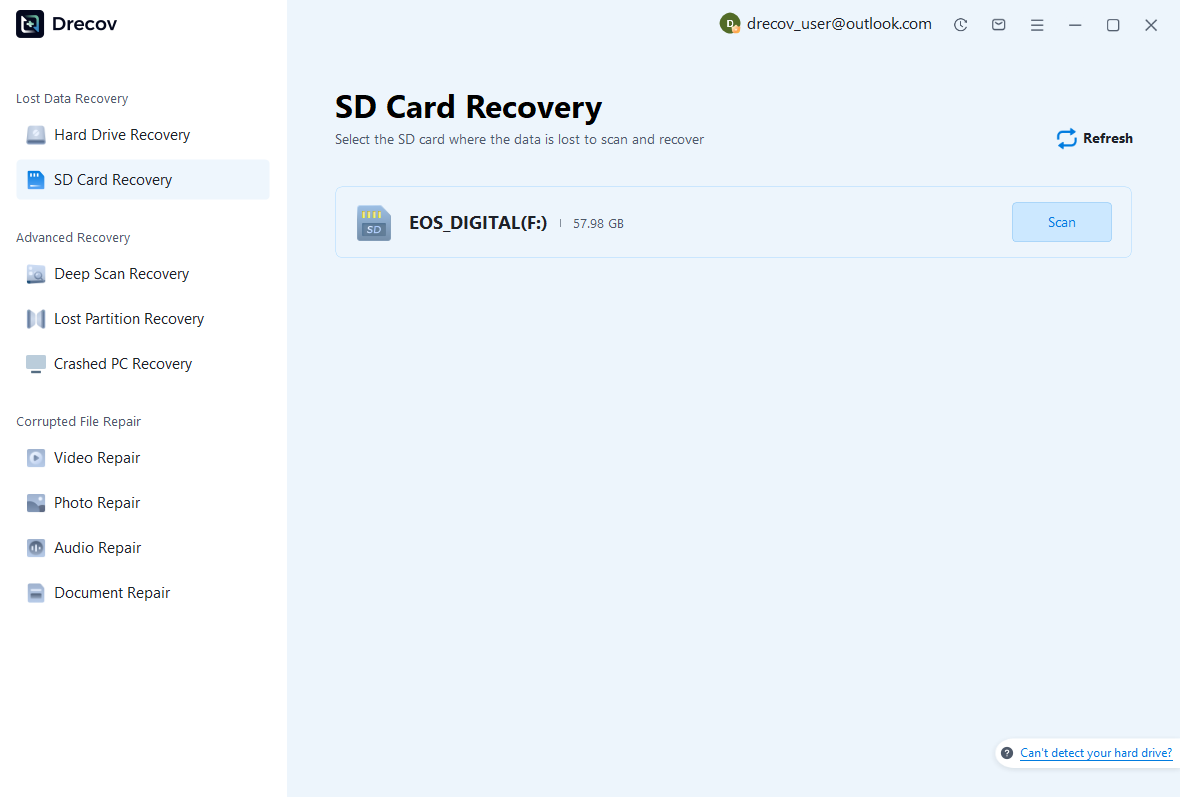
Method 5: Recover DLL File with PandaOffice Drecov
If DLL files were permanently deleted or lost after formatting, PandaOffice Drecov can help perform advanced recovery DLL file restoration.
The software supports recovery from:
- HDDs and SSDs
- USB flash drives
- Formatted partitions
- Corrupted storage devices
- Accidentally deleted files
Key features include:
- Deep scan recovery technology
- Recovery preview support
- Windows-compatible file restoration
- Simple recovery interface
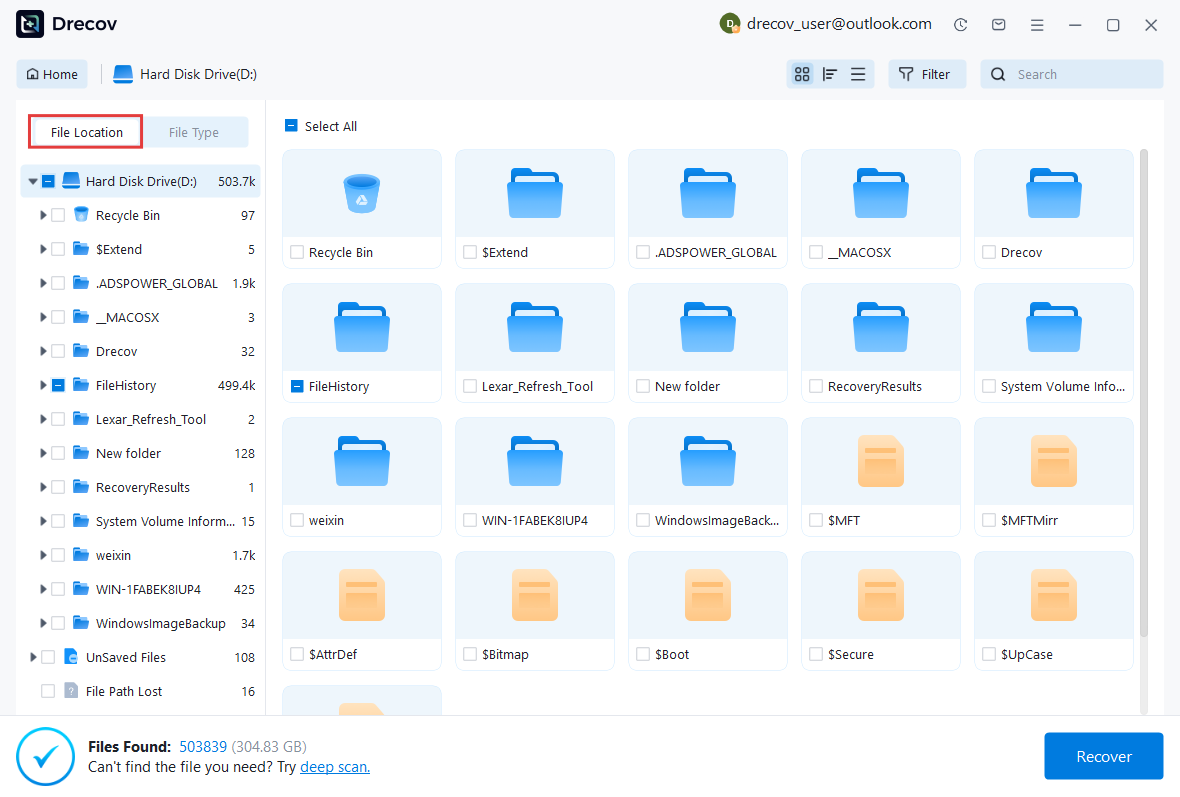
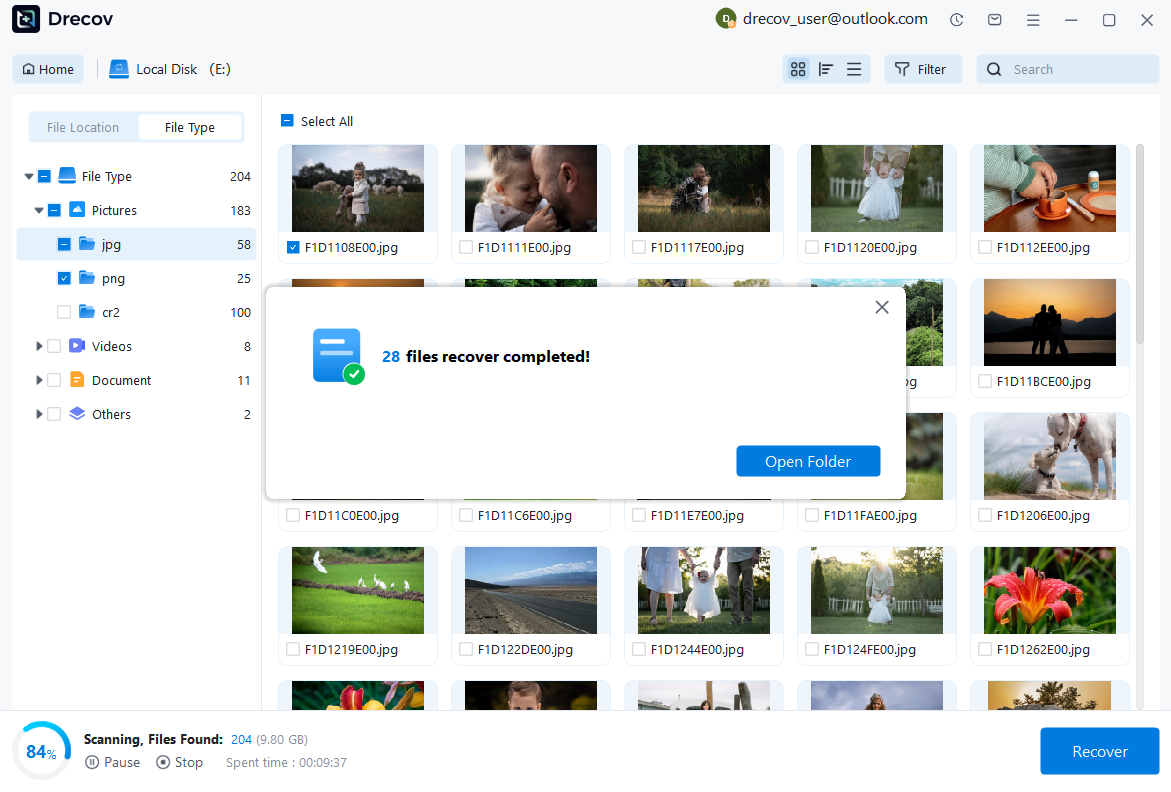
Recovery steps:
- Install PandaOffice Drecov.
- Select the affected drive.
- Run a deep scan.
- Locate missing DLL files.
- Restore files to another location.
Test Environment:
- Windows 11 Pro
- Deleted DLL file recovery from SSD
- NTFS partition testing
This solution is particularly useful when important DLL files disappear after accidental deletion or disk corruption.
Why Choose PandaOffice Drecov Recovery Software?
PandaOffice Drecov offers a fast, secure, and user-friendly solution for recovering lost files across multiple scenarios. Whether you need email recovery, ZIP File Recovery, format data recovery, or help to recover deleted drafts Outlook, the software provides reliable recovery performance for both personal and business users.
PandaOffice Drecov supports recovery from formatted hard drives, SSDs, USB drives, SD cards, and external storage devices. Its advanced scanning engine can locate deleted archives, damaged ZIP files, lost Outlook drafts, and accidentally removed documents with high accuracy. For users searching for how to find deleted messages in Teams, PandaOffice Drecov can also help recover exported chat files, attachments, and related local cache data when available.
Key advantages include:
- Deep scan technology for complex data loss situations
- Support for emails, archives, videos, photos, and office documents
- Recovery from accidental deletion, formatting, corruption, and system crashes
- Easy preview before restoring files
- Compatible with Windows and multiple storage devices
Unlike complicated enterprise recovery tools, PandaOffice Drecov keeps the recovery process simple. Users can scan, preview, and restore files in just a few steps without technical expertise.
Whether you are dealing with lost Outlook drafts, corrupted ZIP archives, formatted drives, or missing communication data, PandaOffice Drecov provides an efficient and practical recovery experience designed to minimize downtime and protect important files.
Method 6: Use Windows System Restore
System Restore allows users to revert Windows to an earlier working state.
Steps:
- Open Control Panel.
- Search for “Recovery.”
- Select “Open System Restore.”
- Choose a restore point.
- Complete the restoration process.
This method can restore missing system DLL files automatically.
Test Environment:
- Windows 11 Home
- Restore point rollback testing
⚠️Warning: Recently installed applications may be removed after performing System Restore.
Method 7: Update Windows and Device Drivers
Outdated drivers or incomplete Windows updates may trigger DLL compatibility problems.
Steps:
- Open Windows Settings.
- Navigate to Windows Update.
- Install available updates.
- Update graphics and chipset drivers.
Modern updates frequently replace damaged runtime components automatically.
Test Environment:
- Windows 11 Enterprise
- Driver compatibility testing
Keeping Windows updated reduces the risk of recurring DLL-related errors.
Advanced Tips to Prevent DLL File Errors
Keep Windows Updated Regularly
Regular updates improve:
- System stability
- Security protection
- Runtime compatibility
- DLL integrity
Updated systems are far less likely to experience critical file corruption.
Avoid Downloading DLL Files from Unknown Websites
Many unofficial DLL download sites distribute infected or incompatible files.
Users should obtain DLL components only through:
- Official Microsoft packages
- Legitimate software installers
- Windows Update
Downloading incorrect DLL versions may worsen system instability.
Protect the System from Malware Attacks
Reliable antivirus protection remains essential for preventing DLL corruption.
Users should:
- Run regular malware scans
- Avoid suspicious downloads
- Keep security software updated
- Enable real-time protection
Strong security practices significantly reduce DLL-related problems.
Frequently Asked Questions About DLL File Missing Errors
What Causes Missing DLL Files in Windows
Common causes include accidental deletion, malware infections, corrupted Windows files, software installation failures, and storage device errors.
Is It Safe to Download DLL Files Online
Downloading DLL files from unofficial websites is risky because infected or incompatible files may damage Windows further.
Official software sources remain the safest option.
Can Corrupted DLL Files Be Repaired
Yes. Windows repair tools, software reinstalls, System Restore, and file recovery solutions can often repair or restore damaged DLL files successfully.
How Does Recovery DLL File Software Work
Recovery software scans storage devices for deleted file signatures and rebuilds recoverable data structures before restoration.
Success depends on whether overwritten data exists.
Final Thoughts on DLL File Recovery
Best Ways to Prevent Future DLL Errors
Experiencing missing dll files errors can disrupt software functionality, prevent games from launching, and even affect Windows startup stability. Fortunately, most DLL problems can be resolved using built-in Windows repair tools, application reinstalls, or advanced file recovery methods.
Whether users need to fix missing DLL files, restore corrupted system components, or perform advanced recovery DLL file restoration, acting quickly greatly improves success rates.
Maintaining updated software, reliable antivirus protection, stable storage devices, and regular backups remains the best strategy for avoiding future DLL-related issues.





