







Compressed files make it easier to store, organize, and transfer large amounts of data efficiently. Among popular compression utilities, 7-Zip is widely used because of its high compression ratio and support for multiple archive formats. However, users sometimes encounter the frustrating error message cannot open file as archive 7zip when attempting to extract compressed files.
This issue usually appears when the archive becomes corrupted, incomplete, or unreadable. In many situations, users see the error unexpectedly after downloading a ZIP or 7z file from the internet, transferring archives between devices, or recovering files from damaged drives.
When 7zip cannot open file as archive, users may lose access to important documents, images, videos, software installers, or backup files stored inside the archive. Fortunately, several repair and recovery solutions can help restore access to the compressed data.
This guide explains the most common causes behind archive corruption and provides proven methods for zip file recovery and archive repair on Windows systems.
Understanding the 7-Zip Archive Opening Error
What Does “Cannot Open File as Archive” Mean
The error message appears when 7-Zip cannot properly read the structure of a compressed archive. Every ZIP or 7z archive contains metadata that helps extraction software identify compressed data blocks and directory structures.
If this information becomes corrupted or incomplete, 7-Zip fails to recognize the archive format correctly.
Users commonly encounter this error when:
- Opening partially downloaded archives
- Extracting corrupted ZIP files
- Recovering damaged storage devices
- Transferring files through unstable connections
- Attempting to open unsupported formats
In some cases, the archive still exists on the drive but contains broken headers or damaged compression indexes.
The problem does not always mean the entire archive is lost. Some files inside the archive may still remain recoverable using repair tools or advanced recovery methods.
Understanding the nature of the error helps users choose the best repair solution without risking additional corruption.
Common Symptoms of Archive Corruption
Archive corruption can appear in several forms depending on how severely the file structure has been damaged.
Typical symptoms include:
- “Cannot open file as archive” warning
- CRC checksum errors
- Unexpected extraction failure
- Missing files after extraction
- Empty folders inside extracted archives
- Freezing during extraction
- Incorrect archive size display
Sometimes users notice the archive extension remains normal, but extraction fails repeatedly.
⚠️Warning: Repeated extraction attempts on damaged storage devices may worsen corruption if hardware problems are involved.
Large archives are particularly vulnerable because corruption affecting even a small portion of the compressed structure may stop the entire extraction process.
Users should stop writing new data to the affected storage device immediately if archive corruption results from accidental deletion or disk failure.
Why 7-Zip Fails to Open Compressed Files
Several technical issues can trigger the 7zip cannot open file as archive problem.
The most common causes include:
- Incomplete downloads
- Interrupted file transfers
- Damaged archive headers
- Bad sectors on storage devices
- Malware infections
- Incorrect file extensions
- Unsupported compression methods
- File system corruption
Many corrupted archives originate from unstable internet connections during downloads. If the transfer stops before completion, the archive remains incomplete and unreadable.
Similarly, sudden shutdowns while compressing files can damage archive structures permanently.
Test Environment:
- Windows 11 Pro 64-bit
- 7-Zip Version 24.09
- ZIP and 7z archive testing
- External SSD and USB storage
Understanding the root cause improves the success rate of archive recovery and repair operations.
Main Causes Behind 7-Zip Archive Problems
Incomplete Downloads or Interrupted Transfers
One of the leading causes of archive corruption is incomplete downloading.
Large compressed files downloaded through unstable internet connections may become partially saved without users noticing immediately. When extraction begins, 7-Zip detects missing data blocks and displays the cannot open file as archive 7zip message.
Interruptions often occur because of:
- Weak Wi-Fi signals
- Browser crashes
- Network disconnections
- VPN instability
- Sudden computer shutdowns
Users transferring archives through USB devices may also encounter incomplete copies if the device disconnects during transfer.
Test Environment:
- Windows 10 Home
- Multi-part ZIP archive download over unstable Wi-Fi
- Chrome browser testing
Verifying downloaded file sizes and checksums helps detect incomplete archives before extraction begins.
Corrupted Compression Headers
Compressed archives contain internal headers that define how the data should be extracted.
If these headers become damaged, extraction software cannot recognize the archive structure correctly.
Header corruption often results from:
- Forced shutdowns during compression
- Disk write failures
- Storage corruption
- Malware modification
- Interrupted archive creation
In many cases, only the archive header becomes corrupted while compressed file data remains intact.
Test Environment:
- Windows 11 Enterprise
- 7-Zip archive interrupted during creation
- NTFS SSD storage
Repairing archive headers is often enough to restore access to the compressed files successfully.
Storage Device Damage and Bad Sectors
Failing storage devices frequently corrupt compressed archives.
Hard drives with bad sectors may lose portions of archive data silently over time. External USB drives are especially vulnerable because they experience frequent unplugging and physical movement.
Common signs of hardware-related corruption include:
- Slow file access
- Clicking sounds from HDDs
- Windows disk warnings
- File copy failures
- Random extraction freezes
Test Environment:
- External HDD with simulated bad sectors
- Windows 10 Pro
- ZIP archive extraction testing
⚠️Warning: Continuing to use a failing drive may permanently overwrite recoverable archive data.
Users should immediately back up important files once hardware failure symptoms appear.
Virus Attacks and File System Errors
Malware infections can damage archives by modifying compressed file structures or encrypting data.
Some ransomware attacks specifically target backup archives because they often contain valuable information.
File system corruption can also affect archive accessibility after improper shutdowns or unsafe device removal.
Typical signs include:
- Archives changing size unexpectedly
- Missing archive sections
- Extraction password errors
- Unreadable folder names
Test Environment:
- Windows 11 Pro
- Antivirus-enabled malware simulation environment
- FAT32 and NTFS testing
Running full antivirus scans before recovery attempts helps prevent further file damage.
Effective Ways to Fix 7zip Cannot Open File as Archive
Method 1: Re-Download the Archive File
If the archive was downloaded from the internet, re-downloading it is often the fastest solution.
Incomplete downloads are extremely common, especially for large compressed files.
Steps:
- Delete the damaged archive.
- Restart the browser.
- Use a stable internet connection.
- Download the archive again.
- Verify the final file size.
Whenever possible, compare checksums provided by the original source to confirm download integrity.
Test Environment:
- Windows 11
- Chrome browser
- 5GB ZIP archive download testing
This method resolves many 7zip cannot open file as archive errors immediately.
Method 2: Use the 7-Zip Repair Command
7-Zip includes command-line tools that may help repair damaged archives.
Although the program lacks a full graphical repair interface like some compression utilities, users can still test and extract damaged files using built-in commands.
Steps:
- Open Command Prompt.
- Navigate to the archive directory.
- Run the archive test command.
- Attempt extraction using recovery switches.
This method may recover partially readable files from damaged archives.
Test Environment:
- Windows 10 Pro
- 7-Zip 24.09
- Corrupted 7z archive with damaged headers
Users attempting zip file recovery should always test archives before deleting them permanently.
Method 3: Extract Files Using Another Compression Tool
Sometimes the archive itself is functional, but compatibility issues prevent 7-Zip from opening it correctly.
Alternative extraction tools may successfully access partially damaged archives.
Users can try:
- WinRAR
- PeaZip
- Windows built-in ZIP extractor
Different extraction engines handle damaged compression structures differently.
Test Environment:
- Windows 11 Home
- Multi-format archive testing
- Corrupted ZIP extraction comparison
This method is especially effective when the archive was compressed using older or uncommon algorithms.
Method 4: Recover Corrupted Archives with PandaOffice Drecov
When archives become inaccessible because of accidental deletion, formatting, or severe corruption, PandaOffice Drecov can help restore lost archive data.
The software supports recovery from:
- HDDs and SSDs
- USB flash drives
- SD cards
- Formatted partitions
- Corrupted storage devices
Key features include:
- Deep scan archive recovery
- ZIP and 7z format support
- Preview before restoration
- Partition recovery functionality
- Simple user interface
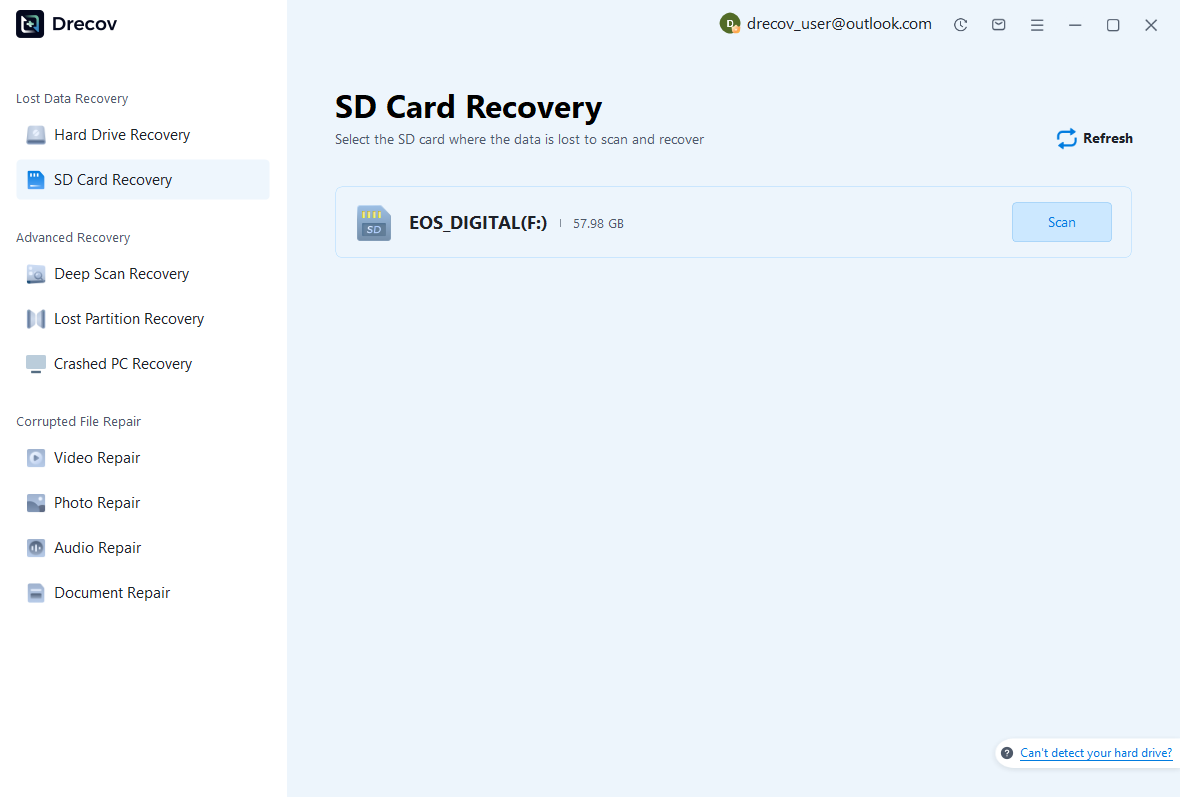
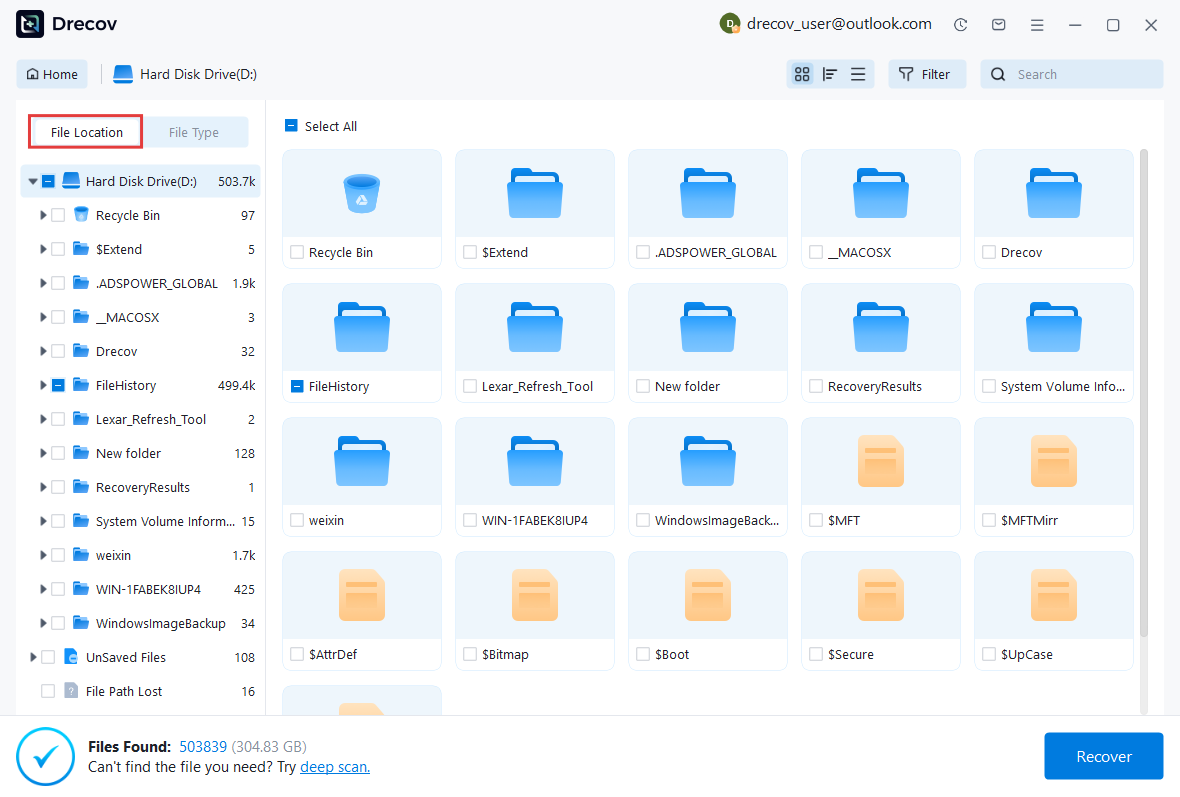
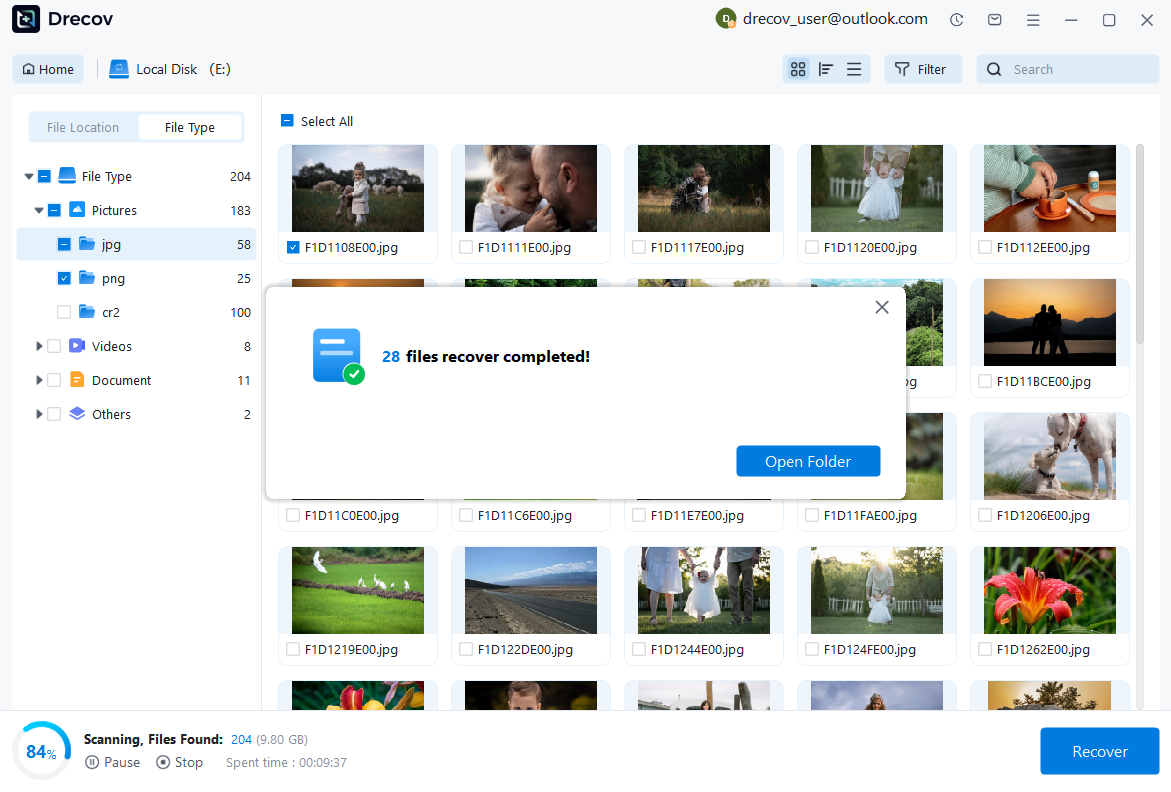
Recovery steps:
- Install PandaOffice Drecov.
- Select the damaged storage device.
- Run a deep scan.
- Preview recoverable archives.
- Save restored files to another drive.
Test Environment:
- Windows 11 Pro
- Formatted SSD containing ZIP archives
- 7z archive deletion simulation
This solution is highly effective for advanced zip file recovery situations involving deleted or formatted data.
Why Choose PandaOffice Drecov Recovery Software?
PandaOffice Drecov offers a fast, secure, and user-friendly solution for recovering lost files across multiple scenarios. Whether you need email recovery, ZIP File Recovery, format data recovery, or help to recover deleted drafts Outlook, the software provides reliable recovery performance for both personal and business users.
PandaOffice Drecov supports recovery from formatted hard drives, SSDs, USB drives, SD cards, and external storage devices. Its advanced scanning engine can locate deleted archives, damaged ZIP files, lost Outlook drafts, and accidentally removed documents with high accuracy. For users searching for how to find deleted messages in Teams, PandaOffice Drecov can also help recover exported chat files, attachments, and related local cache data when available.
Key advantages include:
- Deep scan technology for complex data loss situations
- Support for emails, archives, videos, photos, and office documents
- Recovery from accidental deletion, formatting, corruption, and system crashes
- Easy preview before restoring files
- Compatible with Windows and multiple storage devices
Unlike complicated enterprise recovery tools, PandaOffice Drecov keeps the recovery process simple. Users can scan, preview, and restore files in just a few steps without technical expertise.
Whether you are dealing with lost Outlook drafts, corrupted ZIP archives, formatted drives, or missing communication data, PandaOffice Drecov provides an efficient and practical recovery experience designed to minimize downtime and protect important files.
Method 5: Use Command Prompt to Repair ZIP Files
Windows command-line utilities can sometimes repair damaged ZIP structures.
Users may attempt archive repairs using:
sfcchkdsk- Compression utility commands
Running disk repair tools also helps correct file system errors affecting archives.
Steps:
- Open Command Prompt as administrator.
- Run
chkdsk /f. - Restart the computer.
- Test archive extraction again.
Test Environment:
- Windows 10 Enterprise
- Corrupted ZIP archive on NTFS drive
Repairing underlying disk problems may restore archive accessibility successfully.
Method 6: Restore Archives from Backup Copies
Backups remain the safest archive recovery method.
Users who maintain copies on:
- External drives
- Cloud platforms
- NAS storage
- File History
- Backup software
can quickly restore archives without advanced repair procedures.
Test Environment:
- Windows 11 Home
- OneDrive synchronized archive backups
Regular backups dramatically reduce risks associated with archive corruption.
Advanced Tips to Prevent Future Archive Errors
Verify Archive Integrity After Downloading
Always test downloaded archives before deleting the original source.
7-Zip includes archive testing functionality that checks compressed data integrity automatically.
Steps:
- Open 7-Zip.
- Select the archive.
- Click “Test.”
This helps detect corruption early before important backups become unusable.
Avoid Interruptions During Compression
Interrupting archive creation increases the likelihood of corrupted headers.
Best practices include:
- Avoid forced shutdowns
- Ensure stable power supply
- Do not disconnect external drives suddenly
- Monitor available storage space
Large archives should ideally be created on reliable SSDs instead of unstable removable drives.
Maintain Healthy Storage Devices
Storage health directly affects archive reliability.
Users should regularly:
- Check SMART drive status
- Run disk scans
- Replace failing drives
- Avoid overheating
- Safely eject USB devices
Healthy storage hardware significantly lowers archive corruption risks.
⚠️Warning: Ignoring early hard drive failure signs may lead to permanent archive loss.
Frequently Asked Questions About 7-Zip Archive Errors
Why Does 7zip Cannot Open File as Archive Appear
The error usually indicates archive corruption, incomplete downloads, damaged headers, unsupported formats, or hardware-related file damage.
Can Damaged ZIP Files Be Repaired
Yes. Minor corruption can often be repaired using extraction tools, repair commands, or backup restoration.
Severe damage may require professional recovery software.
Is Zip File Recovery Always Possible
Recovery success depends on:
- Corruption severity
- Storage condition
- Whether overwritten data exists
- Backup availability
Early recovery attempts usually improve success rates significantly.
What Causes Corrupted Archive Headers
Archive headers may become corrupted because of interrupted compression, sudden shutdowns, malware attacks, disk failures, or unstable file transfers.
Final Thoughts on Zip File Recovery
Best Practices to Protect Compressed Archives
Encountering the cannot open file as archive 7zip error can be frustrating, especially when important compressed data becomes inaccessible. Fortunately, many damaged archives can still be repaired or recovered using the methods discussed above.
Whether users need simple extraction fixes, advanced repair procedures, or complete zip file recovery, acting quickly improves restoration success rates significantly.
Maintaining healthy storage devices, verifying downloads, avoiding interrupted transfers, and creating regular backups remain the best long-term strategies for protecting compressed archives from corruption and permanent loss.





