







Understanding Portable SSD and Video Storage
What is a portable ssd and how it stores video files
A portable ssd is a compact, high-speed external storage device widely used for storing large media files such as videos, photos, and project data. Compared to traditional hard drives, a ssd portable ssd offers faster read and write speeds, making it ideal for video editing and high-resolution recording workflows.
A portable ssd drive stores data using flash memory chips instead of mechanical parts, which reduces the risk of physical damage. This makes it a preferred choice for content creators, filmmakers, and professionals working with large video files.
The best portable ssd models are often used in professional environments where speed and reliability are critical. However, even advanced portable ssd drives are not immune to data loss.
Test Environment
- Samsung T7 portable SSD
- Windows 11 workstation
- 4K video editing dataset
- USB 3.2 Gen 2 connection
Why portable ssd drives are widely used for media storage
The popularity of portable ssd drives comes from their speed, durability, and portability. Unlike HDDs, they are shock-resistant and suitable for travel and field recording.
Common use cases include:
- Video production and editing
- Backup storage for large media files
- Gaming and software installation
- Transfer of high-resolution content
Many professionals choose a best portable ssd for handling 4K and 8K video workflows due to its stability and performance.
Test Environment
- Adobe Premiere Pro video project
- 4K RAW footage dataset
- External SSD benchmarking tool
Why Videos Get Lost from Portable SSD
Accidental deletion and formatting issues
One of the most common reasons for data loss in a portable ssd drive is accidental deletion or formatting. Users may mistakenly remove important video files while organizing storage.
Typical scenarios include:
- Deleting files during cleanup
- Formatting wrong SSD partition
- Removing media during transfer
Even a high-performance ssd portable ssd cannot prevent user errors that lead to file loss.
Test Environment
- Windows 11 File Explorer
- NTFS formatted portable SSD
- Manual deletion simulation
File system corruption and hardware failure
File system corruption is another major cause of video loss in portable ssd devices. This can happen due to:
- Sudden power loss
- Unsafe ejection
- Firmware issues
- Bad sectors in storage memory
When corruption occurs, videos stored on a portable ssd drive may become inaccessible or unreadable.
Test Environment
- exFAT portable SSD
- Power interruption test
- File system repair simulation
⚠️Warning: Always safely eject your portable ssd before disconnecting it to prevent corruption.
How to Recover Video from Portable SSD
Sometimes deleted videos are not permanently erased and can still be found in system recycle bins or hidden folders.
Steps:
- Open recycle bin on your computer
- Search for missing video files
- Check hidden folders on portable ssd drive
- Restore files if available
This simple method works best for recently deleted data from a ssd portable ssd.
Test Environment
- Windows 11 system
- NTFS portable SSD
- File Explorer hidden file settings
Method 2: Restore from backup storage systems
If you regularly back up your portable ssd, recovery is much easier. Backup sources may include:
- Cloud storage services
- External HDD backups
- NAS systems
Users with a structured backup strategy can quickly restore lost files from their best portable ssd workflow.
Test Environment
- Google Drive backup system
- External HDD backup
- Cloud sync verification
Method 3: Professional recovery software solution
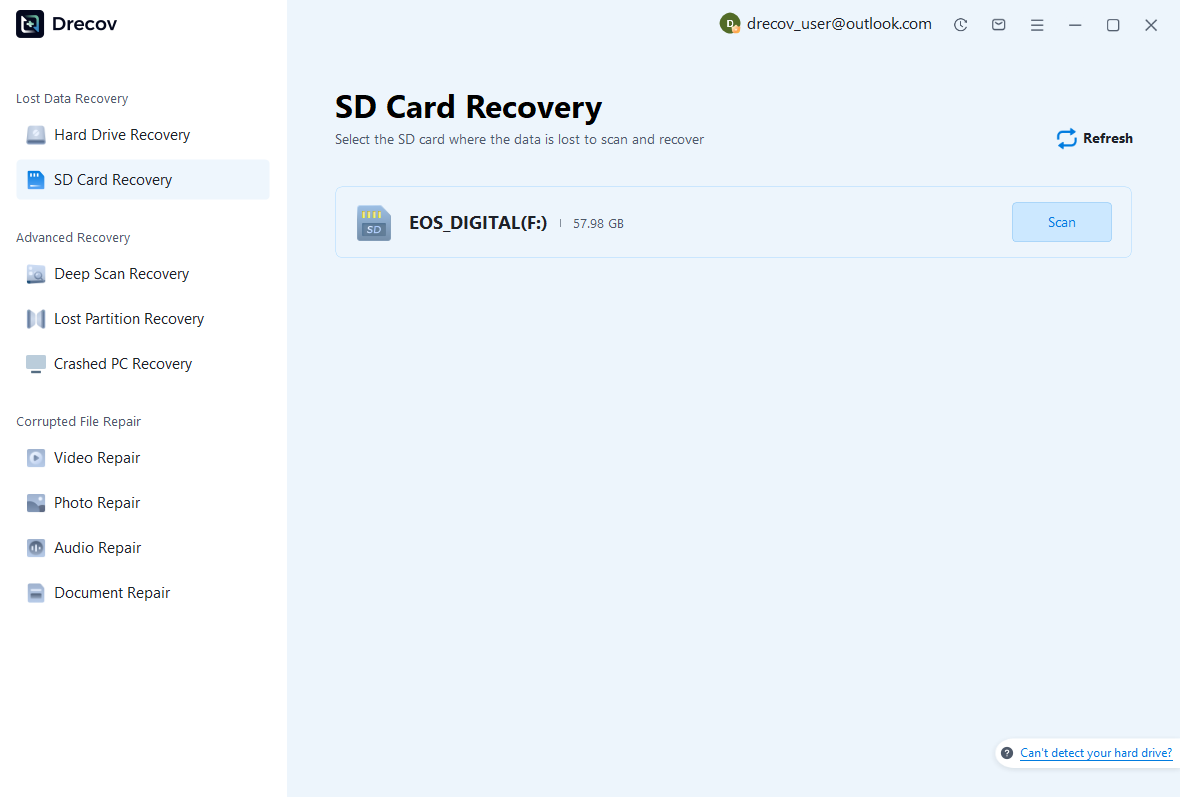
For deeper recovery needs, specialized tools are required to scan SSD storage at a low level.
One effective solution is:
This tool helps recover deleted or lost videos from portable ssd drive devices by performing deep scans of storage sectors.
Steps:
- Install recovery tool on PC
- Connect portable ssd via USB
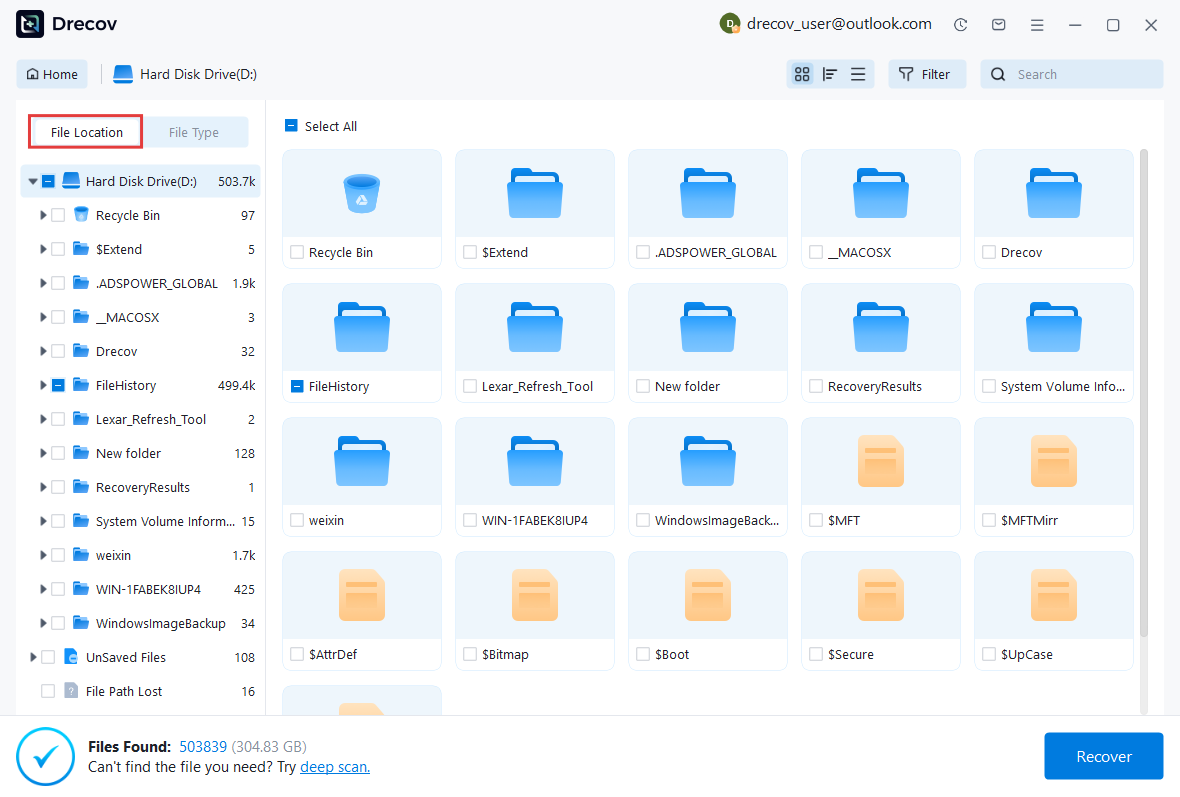
- Run deep scan mode
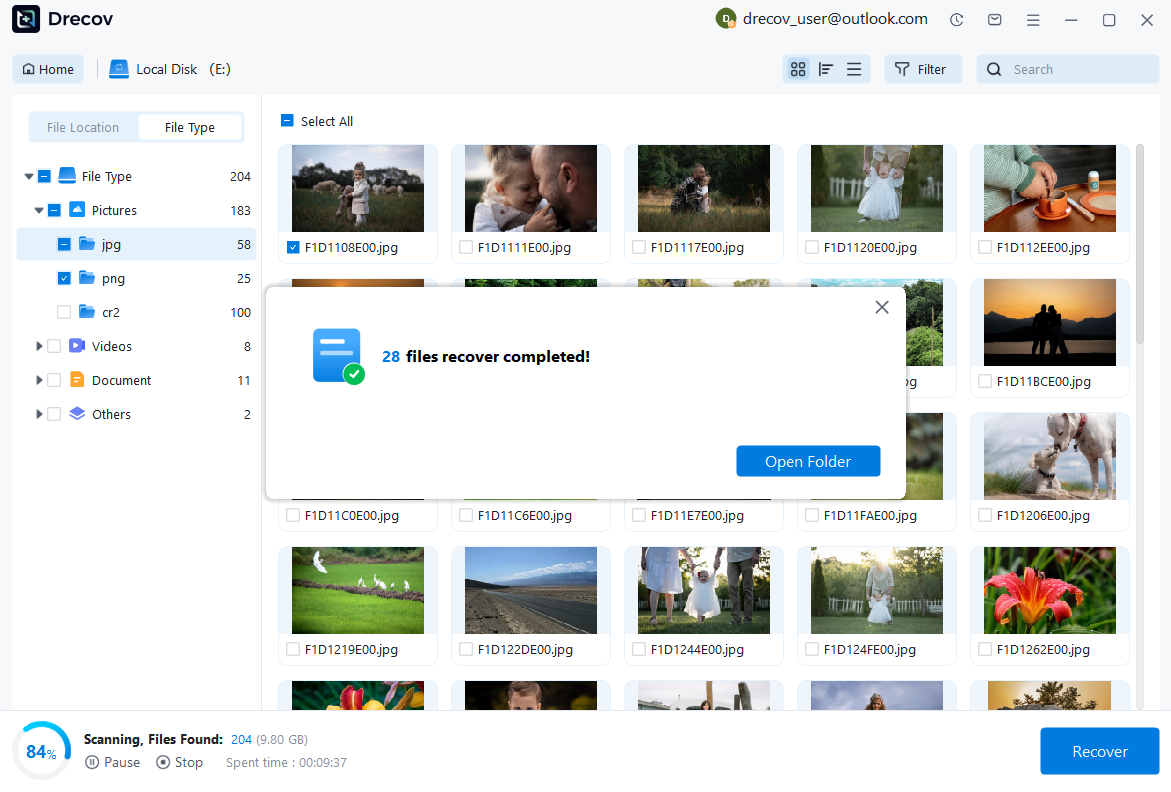
- Preview recoverable video files
- Restore selected data
Test Environment
- Windows 11 workstation
- Samsung T7 portable SSD
- Deep scan recovery mode
- 4K video dataset
Method 4: Deep scan recovery for severely damaged SSD data
When files are not visible through normal recovery methods, a deep scan approach can help locate fragmented or hidden video data inside a portable ssd drive. This method is particularly useful when the file system is corrupted or the SSD has been improperly disconnected.
Deep scan recovery works by analyzing raw storage sectors rather than relying on file system indexes. This increases the chance of recovering lost videos from a ssd portable ssd, even when files appear completely missing.
Steps:
- Connect the portable ssd to a computer via USB
- Launch recovery software and select deep scan mode
- Allow full sector-level scanning of the drive
- Filter results by video file types (MP4, MOV, etc.)
- Preview and restore recoverable video files
Test Environment
- Windows 11 workstation
- USB 3.2 external SSD enclosure
- Corrupted exFAT file system simulation
- 4K video dataset recovery test
⚠️Warning: Deep scan may take a long time depending on the capacity of the portable ssd and should not be interrupted.
Common Problems in SSD Video Recovery
Overwritten data and recovery limitations
One of the biggest challenges in recovering videos from a portable ssd is data overwriting. SSDs use a process called TRIM, which can permanently erase deleted data blocks to optimize performance.
If new files are saved after deletion, previously stored videos on a portable ssd drive may become unrecoverable.
Common risk factors include:
- Continued use after data loss
- Saving new files to the same drive
- Automatic system optimization processes
- Background cache clearing
Even the best portable ssd models cannot prevent data overwrite once TRIM has executed.
Test Environment
- Samsung T7 SSD
- TRIM-enabled Windows system
- Continuous write test after deletion
- Mixed video file dataset
Compatibility issues in ssd portable ssd file systems
Another issue during recovery is file system compatibility. Different portable ssd drives may use NTFS, exFAT, or APFS formats, which can affect how data is recovered and reconstructed.
Problems may include:
- Corrupted video playback after recovery
- Missing metadata or audio tracks
- Unsupported file format warnings
- Fragmented video reconstruction
These issues are more common in ssd portable ssd devices used across both Windows and macOS systems.
Test Environment
- exFAT formatted portable SSD
- macOS + Windows dual testing
- VLC and Adobe Premiere playback test
- Cross-platform file recovery simulation
⚠️Warning: Avoid repeated file conversion after recovery, as it may reduce video quality or damage restored files.
Best Practices to Prevent Video Loss on Portable SSD
Proper usage of portable ssd drive devices
Preventing data loss is always better than recovery. Proper handling of a portable ssd drive significantly reduces the risk of losing important video files.
Best practices include:
- Always safely eject the portable ssd before removal
- Avoid unplugging during file transfer
- Use high-quality USB cables
- Keep firmware updated
- Monitor storage health regularly
Following these steps ensures stable performance for any ssd portable ssd used in professional workflows.
Test Environment
- Samsung T7 SSD stress test
- USB disconnect simulation
- Firmware update validation
- Continuous video transfer workflow
Backup strategies for portable ssd users
A reliable backup system is essential for protecting data stored on a portable ssd. Since SSD failures or accidental deletion can happen unexpectedly, redundancy is key.
Recommended backup methods include:
- Cloud storage synchronization
- External HDD duplication
- NAS (Network Attached Storage) backup
- Automated backup scheduling
PandaOffice Drecov can also help recover lost video files from a portable ssd drive when backups are unavailable or incomplete.
Test Environment
- Cloud backup simulation (Google Drive)
- NAS storage replication
- External HDD backup workflow
- Automated backup scheduling test
Why Choose PandaOffice Drecov Recovery Software?
PandaOffice Drecov offers a fast, secure, and user-friendly solution for recovering lost files across multiple scenarios. Whether you need email recovery, ZIP File Recovery, format data recovery, or help to recover deleted drafts Outlook, the software provides reliable recovery performance for both personal and business users.
PandaOffice Drecov supports recovery from formatted hard drives, SSDs, USB drives, SD cards, and external storage devices. Its advanced scanning engine can locate deleted archives, damaged ZIP files, lost Outlook drafts, and accidentally removed documents with high accuracy. For users searching for how to find deleted messages in Teams, PandaOffice Drecov can also help recover exported chat files, attachments, and related local cache data when available.
Key advantages include:
- Deep scan technology for complex data loss situations
- Support for emails, archives, videos, photos, and office documents
- Recovery from accidental deletion, formatting, corruption, and system crashes
- Easy preview before restoring files
- Compatible with Windows and multiple storage devices
Unlike complicated enterprise recovery tools, PandaOffice Drecov keeps the recovery process simple. Users can scan, preview, and restore files in just a few steps without technical expertise.
Whether you are dealing with lost Outlook drafts, corrupted ZIP archives, formatted drives, or missing communication data, PandaOffice Drecov provides an efficient and practical recovery experience designed to minimize downtime and protect important files.
Choosing the best portable ssd for video work
Selecting the best portable ssd is important for reducing risks of data loss and improving workflow efficiency.
Key factors to consider include:
- Read/write speed (at least 1000 MB/s recommended)
- Durability and shock resistance
- Thermal performance
- Brand reliability
- Warranty and support
High-quality portable ssd drives reduce the risk of corruption and improve video editing performance significantly.
Test Environment
- Benchmark testing tools (CrystalDiskMark)
- 4K/8K video editing workload
- Thermal stress test
- Long-duration write performance test
Final Practical Insights
Reliable video recovery strategy for portable SSD users
Recovering lost videos from a portable ssd requires a combination of proper troubleshooting, backup awareness, and recovery tools. While modern ssd portable ssd devices are highly reliable, no storage system is completely immune to failure or human error.
Key takeaways:
- Stop using the drive immediately after data loss
- Check recycle bin and hidden files first
- Use backups whenever possible
- Apply deep scan recovery tools when needed
- Avoid overwriting data on the portable ssd drive
With proper handling and timely recovery actions, most deleted videos from a portable ssd can still be restored successfully.





