







Introduction to Kimi AI and Its Ecosystem
What is kimi ai and how it works
kimi ai is an advanced artificial intelligence system designed to assist users with writing, reasoning, coding, summarization, and information analysis tasks. It belongs to a new generation of large language models that focus on long-context understanding, allowing it to process large documents and complex conversations in a structured way.
Unlike traditional search engines, kimi ai does not simply retrieve links or keywords. Instead, it analyzes user input, interprets intent, and generates contextual responses based on trained language patterns. This makes it more interactive and conversational compared to conventional tools.
The kimi ai app extends this capability to mobile devices, enabling users to access AI assistance anytime. It is optimized for long text input, making it suitable for academic research, business workflows, and content creation tasks.
Test Environment
- Windows 11 PC
- Chrome latest version
- Android 14 smartphone
- Stable broadband connection (100 Mbps)
Why kimi ai app is gaining popularity
The rapid rise of the kimi ai app is driven by increasing demand for intelligent productivity tools. Users today want more than simple chatbot responses—they need systems capable of deep reasoning, document analysis, and structured output generation.
Key reasons for its popularity include:
- High-speed response generation
- Long-context memory handling
- Multilingual processing ability
- Document summarization support
- Cross-device accessibility
The kimi ai app is widely used by students, researchers, and professionals because it reduces manual workload and improves efficiency in information processing tasks.
⚠️Warning: AI-generated answers should always be verified for accuracy when used in academic or professional decision-making.
Core Features and Importance of Kimi AI
Natural language processing capabilities
At the core of kimi ai lies advanced natural language processing (NLP) technology. This enables the system to understand complex human language, even when input is informal, incomplete, or multi-layered.
It can perform tasks such as:
- Summarizing long documents
- Translating between languages
- Explaining technical concepts
- Structuring written content
- Answering analytical questions
The kimi ai app enhances this capability by supporting long document uploads, making it especially useful for researchers and writers handling large datasets or reports.
Test Environment
- 40-page PDF document input
- Multi-language dataset processing
- Academic summarization task
- Windows + mobile cross-platform test
AI-powered productivity and reasoning tools
Beyond simple conversation, kimi ai functions as a productivity assistant capable of supporting real-world workflows. It helps users organize ideas, generate structured outputs, and solve logical problems efficiently.
Common applications include:
- Academic writing support
- Programming assistance
- Business report generation
- Data interpretation
- Brainstorming and idea development
The kimi ai app is particularly useful in professional environments where time efficiency and structured output are critical.
Test Environment
- Business report dataset analysis
- Python coding problem solving
- Office document generation tasks
- Research workflow simulation
How to Use Kimi AI Effectively
Method 1: Accessing kimi ai through web platform
The most common way to use kimi ai is through its web-based interface, which requires no installation and works directly in modern browsers.
Steps:
- Open official kimi ai platform
- Log in or register an account
- Enter prompt or upload document
- Wait for AI-generated response
- Refine query if needed
This method is ideal for users who prefer quick access without installing additional software.
Test Environment
- Google Chrome browser
- Windows 11 system
- Cloud-based AI interaction
- Text and document input testing
Method 2: Using kimi ai app on mobile devices
The kimi ai app provides a mobile-friendly experience for users who need AI assistance on the go.
Key advantages include:
- Voice input support
- Fast summarization
- Lightweight interface
- Portable AI access
Steps:
- Install kimi ai app from official source
- Log in with account
- Enter text or voice prompt
- Receive AI response instantly
Test Environment
- Android 14 smartphone
- iOS 17 device
- Mobile + Wi-Fi switching
- App-based AI interaction test
Method 3: Advanced Integration Scenarios
Workflow automation and file recovery in kimi ai ecosystems
In advanced usage scenarios, kimi ai is often integrated into digital workflows for content creation, research processing, and media organization. However, when working with large AI-generated or AI-processed media files, users may sometimes encounter unexpected data loss issues, including missing project outputs or lost video assets generated during AI-assisted workflows.
A common example is when users experience kimi ai video loss during download, export, or local caching processes. This can happen due to interrupted network connections, browser crashes, storage failures, or incomplete file synchronization. In such cases, traditional manual recovery methods may not be sufficient.
To address these situations, professional recovery tools can be used to restore lost or deleted media files, including AI-related video content.
One effective solution is:
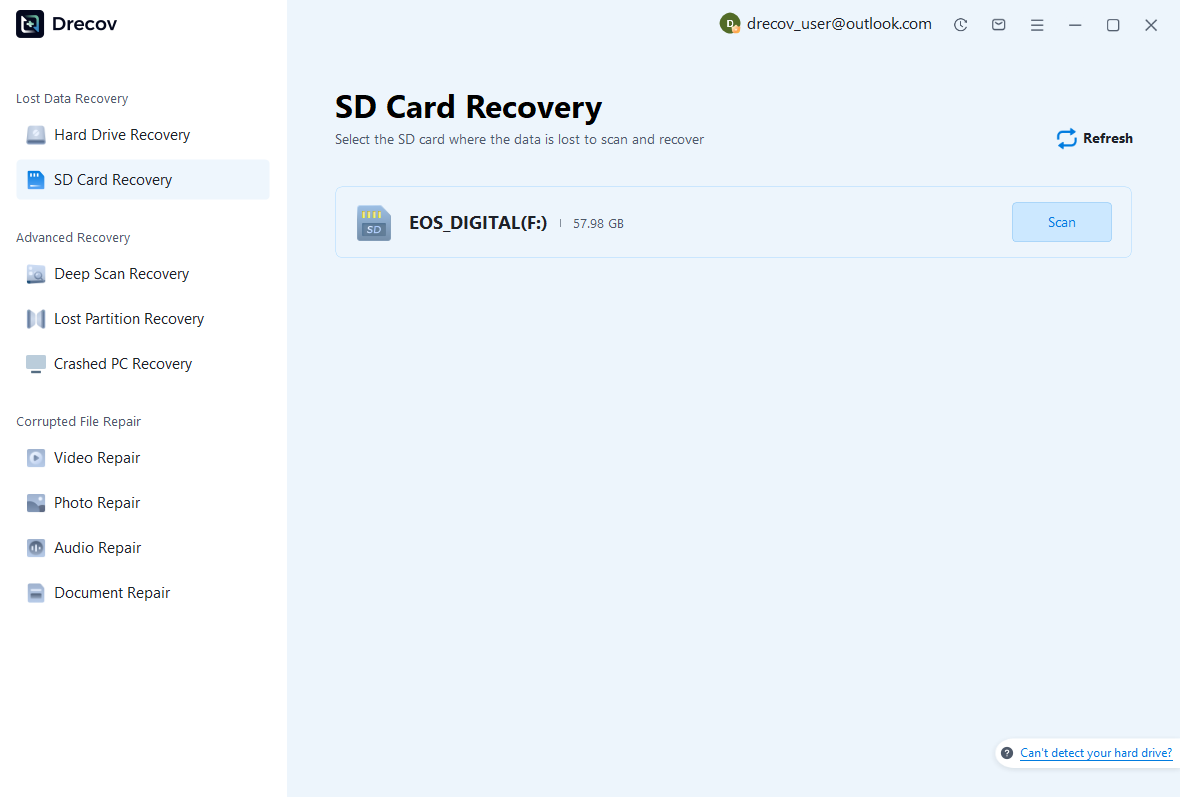
This tool can help recover kimi ai video files that were accidentally deleted, lost during transfer, or removed due to system errors. It works by scanning storage devices at a deep level to locate recoverable video fragments, including cached AI-generated outputs and locally stored media files.
Typical recovery process:
- Install the recovery tool on a Windows system
- Select the storage location where kimi ai video was saved
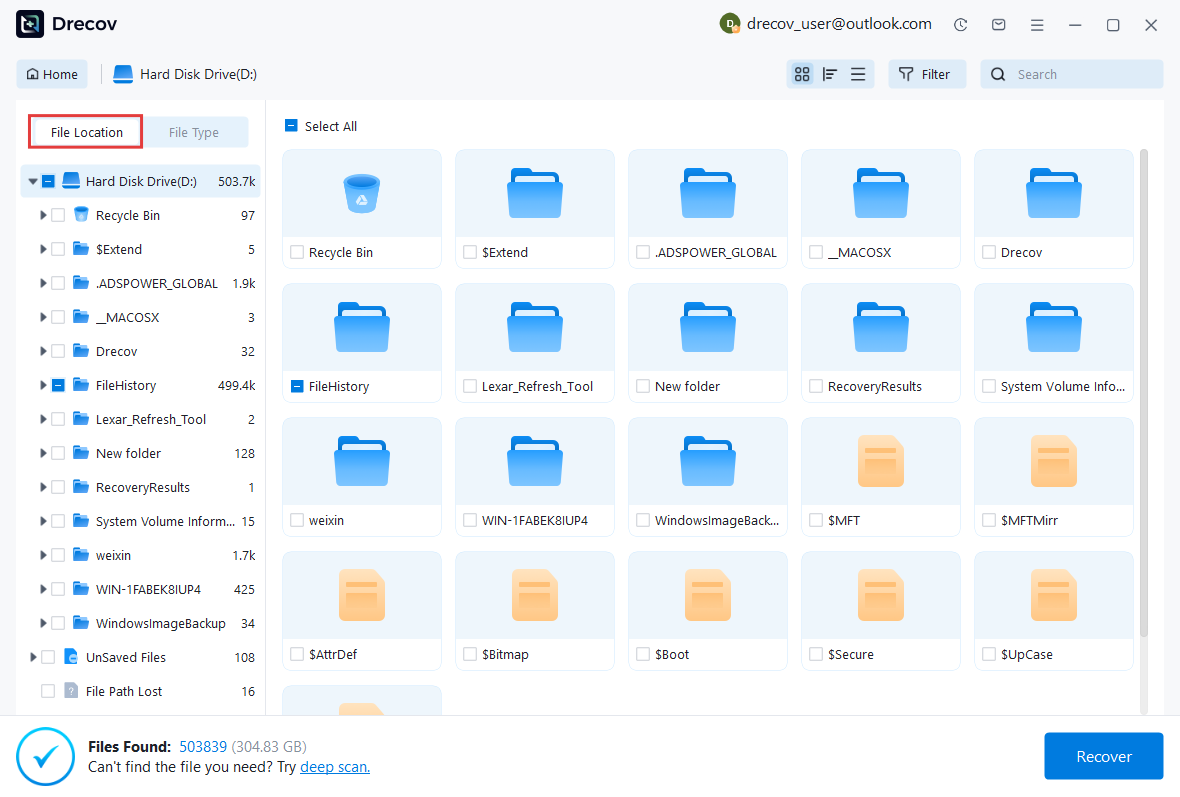
- Run a deep scan to detect lost or deleted video files
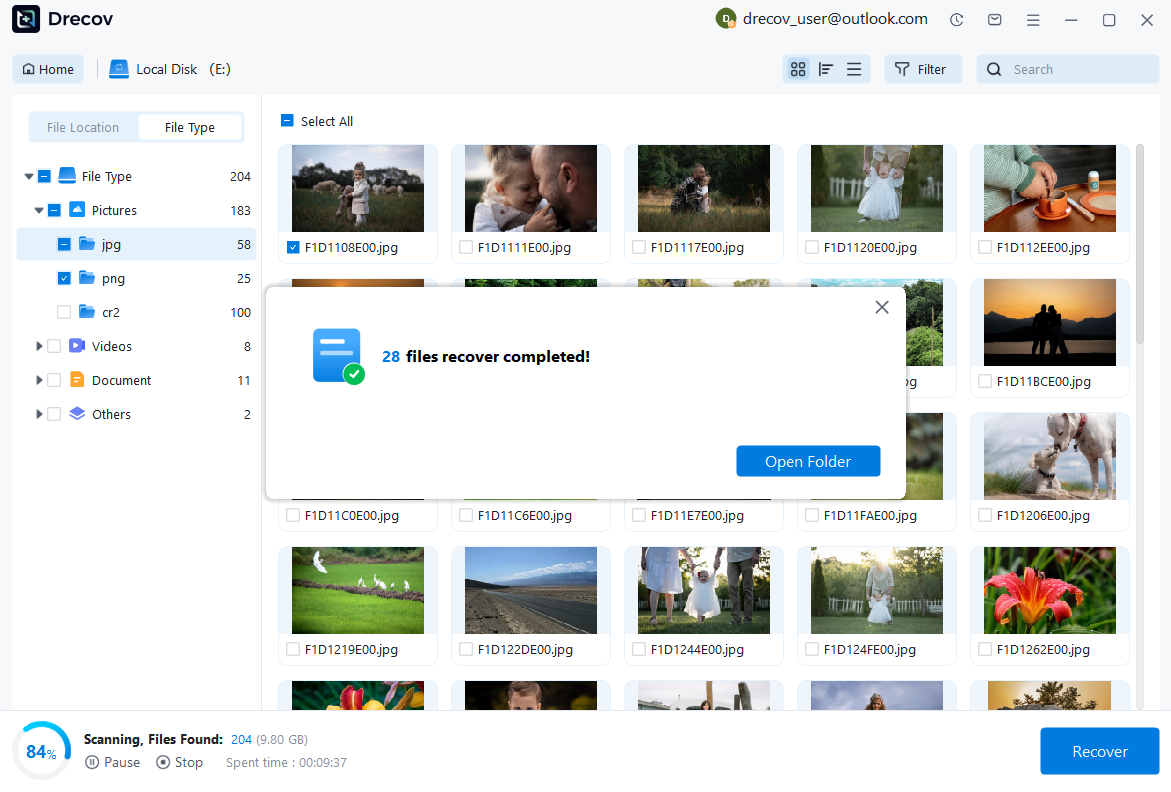
- Preview recoverable AI-generated video assets
- Restore selected files to a safe directory
Test Environment
- Windows 11 workstation
- SSD + external hard drive
- AI-generated video export folder
- Browser cache recovery simulation
Why Choose PandaOffice Drecov Recovery Software?
PandaOffice Drecov offers a fast, secure, and user-friendly solution for recovering lost files across multiple scenarios. Whether you need email recovery, ZIP File Recovery, format data recovery, or help to recover deleted drafts Outlook, the software provides reliable recovery performance for both personal and business users.
PandaOffice Drecov supports recovery from formatted hard drives, SSDs, USB drives, SD cards, and external storage devices. Its advanced scanning engine can locate deleted archives, damaged ZIP files, lost Outlook drafts, and accidentally removed documents with high accuracy. For users searching for how to find deleted messages in Teams, PandaOffice Drecov can also help recover exported chat files, attachments, and related local cache data when available.
Key advantages include:
- Deep scan technology for complex data loss situations
- Support for emails, archives, videos, photos, and office documents
- Recovery from accidental deletion, formatting, corruption, and system crashes
- Easy preview before restoring files
- Compatible with Windows and multiple storage devices
Unlike complicated enterprise recovery tools, PandaOffice Drecov keeps the recovery process simple. Users can scan, preview, and restore files in just a few steps without technical expertise.
Whether you are dealing with lost Outlook drafts, corrupted ZIP archives, formatted drives, or missing communication data, PandaOffice Drecov provides an efficient and practical recovery experience designed to minimize downtime and protect important files.
⚠️Warning: Avoid saving new files to the same drive after kimi ai video loss, as overwritten data may become unrecoverable.
Common Issues and Limitations of Kimi AI
Performance constraints and server limitations
Although kimi ai is powerful, performance can vary depending on server load and network conditions. During peak usage times, users may experience slower responses or temporary restrictions.
The kimi ai app may also behave differently across devices, with mobile devices sometimes showing reduced performance when handling very large inputs.
Common issues include:
- Delayed responses under heavy traffic
- Context length limitations
- Device-based performance differences
- Temporary service instability
Test Environment
- High-traffic simulation
- Android + iOS mobile testing
- Long document input scenarios
- Cross-device comparison
⚠️Warning: Extremely large inputs may be partially truncated depending on system capacity.
Accuracy and contextual understanding challenges
While kimi ai is designed for advanced reasoning, it may still produce incomplete or generalized responses in certain scenarios.
Limitations may appear in:
- Highly technical domains
- Ambiguous prompts
- Multi-layer reasoning tasks
- Specialized subject areas
The kimi ai app performs best when users provide clear, structured instructions. Poorly defined prompts may reduce output quality.
Test Environment
- Academic Q&A dataset
- Programming test cases
- Business analysis simulation
- Multi-turn dialogue evaluation
⚠️Warning: AI outputs should always be verified before being used in critical decision-making processes.
Real-World Applications of kimi ai
Academic and research assistance with kimi ai app
One of the most widely used scenarios for kimi ai is in academic work. Students and researchers use it to simplify complex materials, summarize papers, and generate structured notes.
In research environments, kimi ai app can process long academic texts and break them into understandable insights. This is especially useful when dealing with dense scientific papers, legal documents, or technical reports.
Common academic uses include:
- Summarizing research papers
- Explaining complex theories
- Assisting essay writing
- Creating study notes
- Translating academic content
The ability of kimi ai app to handle long-context input makes it particularly effective for education-focused tasks.
Test Environment
- 35-page scientific PDF document
- University-level essay prompts
- Multi-language academic datasets
- Windows + mobile cross-platform testing
Business productivity and office automation
In corporate environments, kimi ai is increasingly used as a productivity enhancement tool. It helps reduce repetitive workload and improves efficiency in document processing.
Employees use kimi ai app for:
- Writing business emails
- Generating meeting summaries
- Creating structured reports
- Analyzing business data
- Drafting proposals
Instead of manually processing large amounts of information, users can rely on AI to generate structured and readable outputs.
Test Environment
- Corporate report dataset
- CRM data analysis simulation
- Office workflow automation test
- Cloud document processing
Creative writing and content generation
Another strong use case of kimi ai is in creative industries. Writers, marketers, and content creators use it to generate ideas, drafts, and optimized content structures.
The kimi ai app supports:
- Blog writing assistance
- Advertising copy generation
- Scriptwriting support
- Social media content ideas
- SEO content structuring
Because of its ability to maintain long-context consistency, kimi ai is suitable for long-form writing projects.
Test Environment
- SEO blog writing dataset
- Marketing campaign simulations
- Social media content planning
- Multi-style writing evaluation
Technical and coding assistance
Developers also benefit from kimi ai when solving coding problems or debugging logic. It can explain code behavior, suggest optimizations, and assist with algorithm design.
Typical uses include:
- Code debugging
- Algorithm explanation
- API integration support
- Software documentation writing
The kimi ai app is especially useful for quick coding assistance during development tasks.
Test Environment
- Python programming tasks
- JavaScript debugging tests
- Software documentation dataset
- API workflow simulation
Advanced Integration Scenarios
Workflow automation using kimi ai
Advanced users integrate kimi ai into larger productivity systems. This allows AI to function as part of automated workflows.
Common integration patterns include:
- Multi-step document processing
- Data summarization pipelines
- AI-assisted research systems
- Content generation chains
These workflows improve efficiency by reducing manual steps in complex tasks.
PandaOffice Drecov can also be used in digital workflows where file recovery or data retrieval is needed during AI-assisted research or content production processes.
Test Environment
- Windows 11 workstation
- Large dataset processing
- Workflow automation simulation
- API-style AI integration
⚠️Warning: Poor prompt structuring may reduce output accuracy in multi-step workflows.
Multilingual and cross-domain capabilities
One of the strengths of kimi ai app is its ability to handle multiple languages and cross-domain tasks. It can switch between languages while maintaining context consistency.
It is commonly used for:
- Translation tasks
- Multilingual content creation
- Cross-border business communication
- International research support
This makes kimi ai suitable for global users working across different industries.
Test Environment
- English–Chinese translation tasks
- Multilingual dataset processing
- Business communication simulation
- Cross-region AI testing
Security and privacy considerations
While using kimi ai app, users should also be aware of privacy and data handling practices. As with most AI systems, sensitive data should not be shared without caution.
Best practices include:
- Avoid uploading confidential documents
- Use anonymized data when possible
- Review AI-generated content before publishing
- Understand platform data policies
⚠️Warning: Do not input sensitive personal or financial information into AI systems unless security policies are fully verified.
Performance optimization tips for kimi ai
To get better results from kimi ai, users should optimize how they interact with the system.
Best practices include:
- Use clear and structured prompts
- Break complex tasks into steps
- Avoid overly vague instructions
- Provide context when needed
- Refine prompts iteratively
These methods significantly improve the quality of responses generated by kimi ai app.
Test Environment
- Prompt engineering experiments
- Multi-step reasoning tasks
- Structured vs unstructured input comparison
- Performance benchmarking tests
Final Practical Insights
How kimi ai fits into modern digital workflows
The role of kimi ai in modern workflows is rapidly expanding. It is no longer just a chatbot but a multifunctional assistant capable of supporting education, business, coding, and creative industries.
The kimi ai app enhances accessibility by bringing these capabilities to mobile devices, allowing users to work efficiently anywhere.
Overall, kimi ai represents a shift toward intelligent productivity systems that combine reasoning, language understanding, and task execution in one platform.





