







Understanding ADT Video Systems and Storage
What is an adt video camera and how it records footage
An adt video camera is part of a home or business security system designed to continuously monitor and record events. These systems generate adt video files that are stored locally on DVR/NVR devices or uploaded to cloud storage depending on configuration.
Unlike standard consumer cameras, adt videos are usually recorded in a loop system. This means old footage is automatically overwritten when storage becomes full, making data management extremely important.
Most adt video camera systems are designed for surveillance purposes, including motion detection, live monitoring, and event-based recording. Because of continuous operation, large volumes of footage are generated daily.
Understanding how adt video storage works is essential before learning how recovery or deletion works.
Test Environment
- ADT security camera system (1080p IP camera)
- DVR storage unit (2TB HDD)
- Cloud-connected ADT mobile app
- Windows 11 monitoring system
How adt video files are stored and managed
adt videos are typically stored in three main locations:
- Local DVR/NVR hard drives
- Cloud storage systems (if subscribed)
- Temporary mobile app cache
The storage structure depends on system configuration. Many users assume footage is permanently saved, but in reality, older adt video camera recordings are often overwritten automatically.
This makes proper configuration and backup management essential for preserving important footage.
Test Environment
- ADT DVR system with loop recording enabled
- Cloud sync active account
- Mobile app playback testing
⚠️Warning: Disabling cloud backup increases the risk of permanent adt video loss.
Why ADT Videos Get Deleted or Lost
Accidental deletion and user errors in ADT systems
One of the most common reasons users lose adt videos is accidental deletion. This often happens when users:
- Delete footage manually in the ADT app
- Format DVR storage unintentionally
- Reset system settings
- Remove recordings while managing storage
Even experienced users of adt video camera systems can mistakenly erase important surveillance footage.
Test Environment
- ADT mobile application (iOS & Android)
- DVR management console
- Manual deletion simulation test
Storage overwrite, system reset, and hardware issues
ADT systems use loop recording, meaning old adt video files are overwritten automatically when storage reaches capacity.
Other causes of loss include:
- System factory reset
- Hard drive failure in DVR/NVR
- Power interruptions during recording
- Firmware corruption
When this happens, users often search for how to recover deleted ADT videos to restore missing surveillance data.
Test Environment
- 2TB surveillance HDD
- Power outage simulation
- DVR reset test environment
⚠️Warning: Once overwritten, adt video recovery becomes extremely difficult.
How to Recover Deleted ADT Videos
Method 1: Check ADT app recycle or local backup
Some ADT systems include temporary storage or recycle options within the mobile app or cloud interface.
Steps:
- Open ADT mobile app
- Navigate to video history or recycle section
- Search for deleted adt videos
- Restore available clips
- Save recovered footage locally
This is the fastest method when deletion is recent.
Test Environment
- ADT mobile app (latest version)
- Cloud-linked surveillance account
- Android 14 device
Method 2: Restore from DVR/NVR storage system
If footage is stored locally, recovery may be possible directly from DVR or NVR systems.
Steps:
- Access DVR interface
- Check recording timeline
- Locate missing adt video camera footage
- Export files to USB or external drive
This method works best when data has not been overwritten.
Test Environment
- Hikvision-style DVR system (ADT-compatible)
- 2TB internal HDD
- USB export function test
Method 3: Professional recovery software solution
For deeper recovery cases, specialized tools are required to scan storage devices.
A reliable option is:
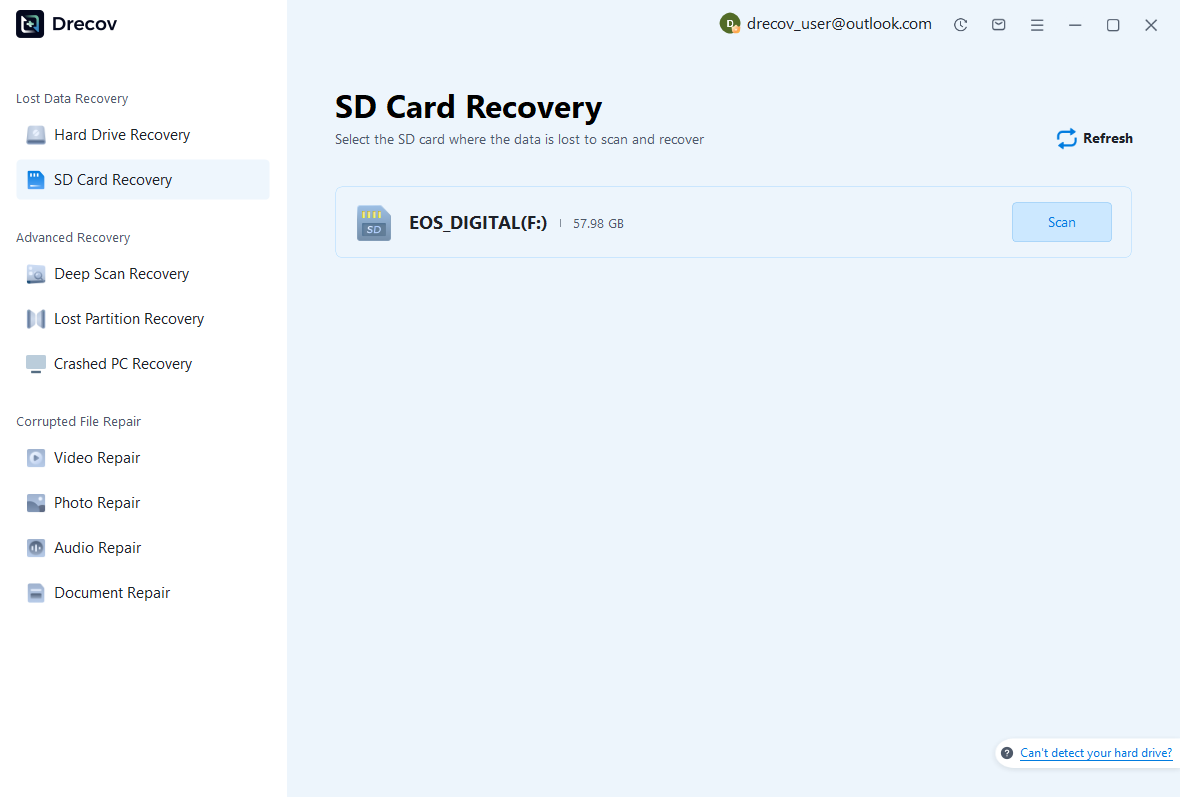
This tool can help recover lost adt video files from DVR hard drives, SD cards, or external storage used in surveillance systems.
Steps:
- Install recovery software on PC
- Connect DVR HDD via adapter
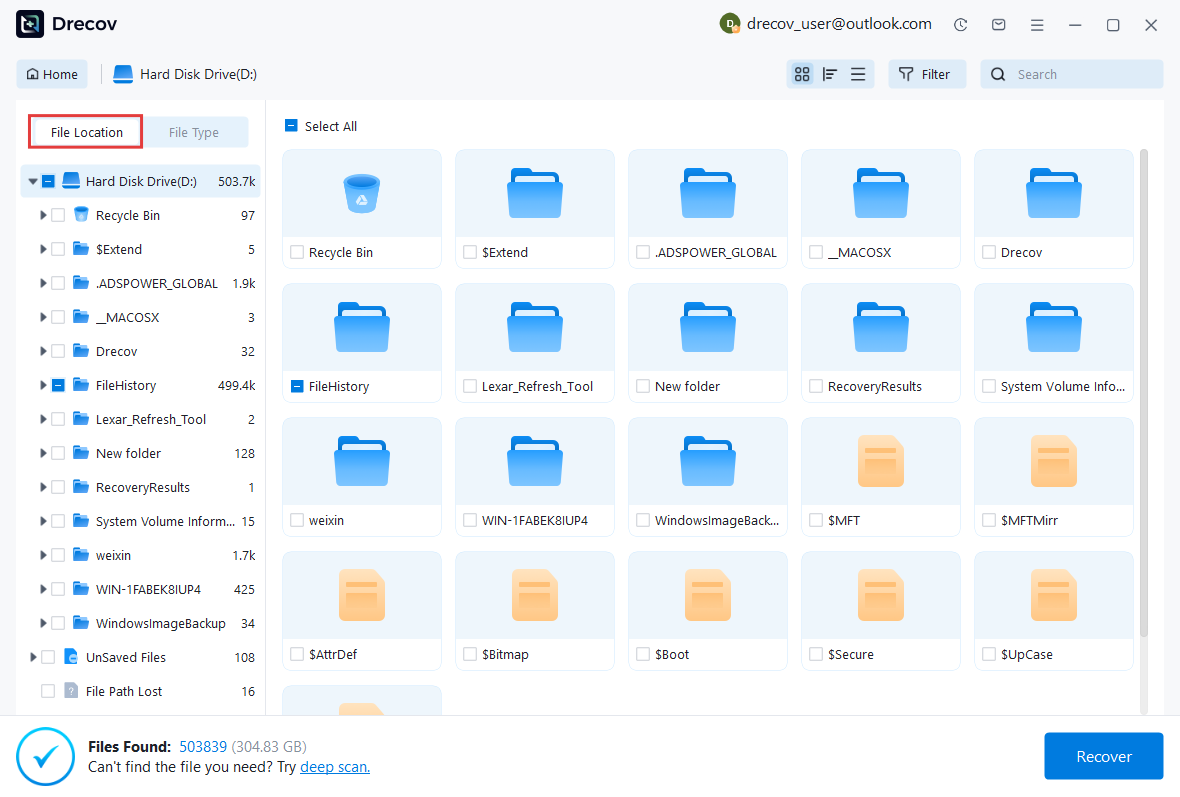
- Run deep scan mode
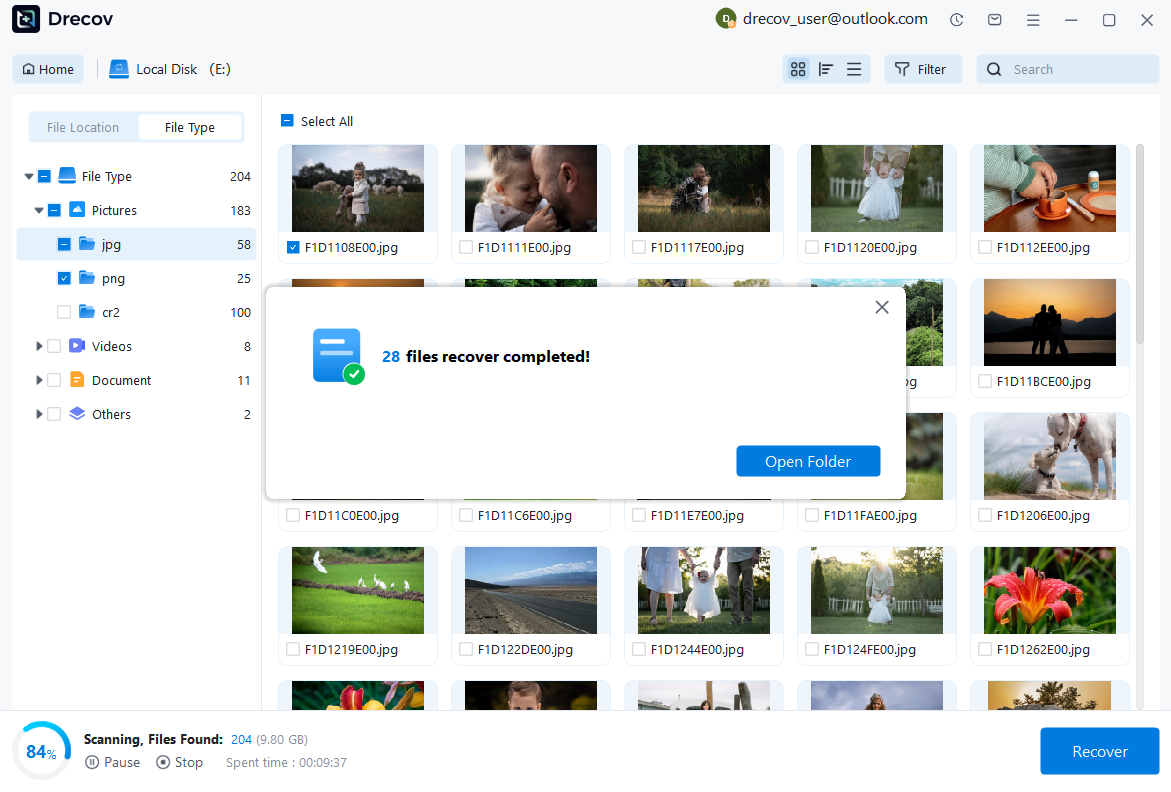
- Preview recovered adt videos
- Restore selected footage
Test Environment
- Windows 11 PC
- Surveillance HDD connected via SATA adapter
- Deep scan recovery mode enabled
Why Choose PandaOffice Drecov Recovery Software?
PandaOffice Drecov offers a fast, secure, and user-friendly solution for recovering lost files across multiple scenarios. Whether you need email recovery, ZIP File Recovery, format data recovery, or help to recover deleted drafts Outlook, the software provides reliable recovery performance for both personal and business users.
PandaOffice Drecov supports recovery from formatted hard drives, SSDs, USB drives, SD cards, and external storage devices. Its advanced scanning engine can locate deleted archives, damaged ZIP files, lost Outlook drafts, and accidentally removed documents with high accuracy. For users searching for how to find deleted messages in Teams, PandaOffice Drecov can also help recover exported chat files, attachments, and related local cache data when available.
Key advantages include:
- Deep scan technology for complex data loss situations
- Support for emails, archives, videos, photos, and office documents
- Recovery from accidental deletion, formatting, corruption, and system crashes
- Easy preview before restoring files
- Compatible with Windows and multiple storage devices
Unlike complicated enterprise recovery tools, PandaOffice Drecov keeps the recovery process simple. Users can scan, preview, and restore files in just a few steps without technical expertise.
Whether you are dealing with lost Outlook drafts, corrupted ZIP archives, formatted drives, or missing communication data, PandaOffice Drecov provides an efficient and practical recovery experience designed to minimize downtime and protect important files.
How to Recover Deleted ADT Videos
Method 4: Cloud backup and subscription recovery options
Many modern ADT systems rely on cloud storage as a secondary or primary backup for adt videos. If cloud recording was enabled before deletion, recovery becomes significantly easier.
Cloud systems often keep temporary archives or version histories, allowing users to restore lost footage even after deletion from local devices.
Steps:
- Log into ADT cloud account via web or app
- Open video history or event timeline
- Search for missing adt video camera recordings
- Restore selected clips from cloud backup
- Download restored adt videos to local device
This method is especially useful for users who rely heavily on remote monitoring and automatic cloud synchronization.
Test Environment
- ADT cloud storage account
- Web browser (Chrome on Windows 11)
- Mobile app synchronization test
- Stable internet connection (100 Mbps)
⚠️Warning: If cloud recording was never enabled, this recovery method will not work for missing adt videos.
How to Delete ADT Camera Footage Properly
Safe deletion methods in ADT video systems
Proper deletion of surveillance footage is important for both storage management and data security. Knowing how to delete ADT camera footage correctly helps prevent accidental loss of important recordings.
Recommended safe methods include:
- Deleting footage through official ADT app interface
- Using DVR/NVR playback menu for selective removal
- Clearing only unnecessary time ranges instead of full format
- Backing up important adt video files before deletion
Following structured deletion steps ensures that only unwanted recordings are removed while preserving essential adt videos.
Test Environment
- ADT mobile application (Android + iOS)
- DVR playback control system
- Selective time-range deletion test
Risks of incorrect deletion procedures
Improper deletion actions can lead to irreversible data loss, especially in loop recording systems used by adt video camera setups.
Common risks include:
- Full hard drive formatting instead of selective deletion
- Accidentally deleting motion-triggered recordings
- Removing cloud-synced files permanently
- Overwriting recoverable adt videos
Many users do not realize that once overwritten, recovery of adt video files becomes extremely limited or impossible.
Test Environment
- DVR system with overwrite enabled
- Cloud sync disabled scenario
- Manual formatting simulation
⚠️Warning: Avoid using “format storage” unless absolutely necessary, as it permanently removes all adt videos.
Common Issues in ADT Video Recovery
Overwritten footage and recovery limitations
One of the biggest challenges in restoring adt videos is data overwriting. Since ADT systems continuously record, old footage is automatically replaced when storage is full.
Once overwritten, even advanced tools may fail to recover missing adt video camera recordings.
Key factors affecting recovery success:
- Time elapsed since deletion
- Amount of new data recorded
- Storage type (HDD vs cloud)
- System overwrite settings
Test Environment
- 2TB DVR with loop recording
- Continuous 48-hour overwrite test
- Mixed old and new video data
Device compatibility and storage format problems
Another issue is compatibility between recovery tools and ADT storage formats. Surveillance systems often use proprietary encoding formats, which can complicate recovery of adt videos.
Problems may include:
- Unreadable recovered files
- Missing audio in restored footage
- Corrupted playback on standard media players
- Fragmented adt video camera recordings
These issues are common when exporting or recovering footage from DVR systems without proper conversion tools.
Test Environment
- ADT-compatible DVR system
- H.264 / H.265 encoded video files
- VLC and surveillance player testing
⚠️Warning: Avoid converting recovered files multiple times, as it may reduce video quality or cause corruption.
Best Practices to Prevent ADT Video Loss
Proper management of adt video camera storage
Preventing data loss is more effective than recovery. Proper storage management ensures that important adt video recordings are always protected.
Best practices include:
- Regularly backing up important footage
- Enabling cloud storage synchronization
- Monitoring DVR storage capacity
- Avoiding unnecessary full-format operations
- Reviewing adt videos before deletion
Test Environment
- Cloud + DVR hybrid system
- Weekly backup simulation
- Storage monitoring dashboard
Maintaining secure backup of adt videos
Backup systems play a critical role in protecting surveillance data. Without backups, even minor errors can lead to permanent loss of adt videos.
Recommended backup options:
- Cloud storage services
- External hard drives
- Network-attached storage (NAS) systems
- Scheduled automatic exports
PandaOffice Drecov can also assist in recovering accidentally deleted adt video camera footage from local storage devices when backups are not available.
Test Environment
- NAS storage system
- External HDD backup workflow
- Cloud synchronization testing
System maintenance and firmware updates
Keeping your ADT system updated helps reduce errors that may lead to adt video loss.
Regular maintenance includes:
- Updating DVR firmware
- Restarting devices periodically
- Checking storage health
- Monitoring camera connectivity
These steps help ensure stable recording performance and reduce risk of file corruption in adt video camera systems.
Test Environment
- ADT DVR firmware update test
- System reboot cycles
- Network stability monitoring
Final Practical Insights
Effective management of adt videos and recovery strategy
Managing and recovering adt videos requires a combination of proper deletion practices, backup strategies, and recovery tools. While modern adt video camera systems are designed for reliability, human error and hardware issues still make data loss possible.
Key takeaways:
- Always check cloud and DVR backup first
- Avoid overwriting storage after deletion
- Use selective deletion instead of full formatting
- Apply recovery tools when necessary
- Maintain regular backup routines
With the right approach, users can significantly improve the chances of recovering lost adt videos and maintaining a secure surveillance system.





