







Mozilla Firefox has long been one of the most trusted web browsers in the world. Known for its strong privacy features, open-source development, and customization options, Firefox remains a popular alternative to browsers like Google Chrome and Microsoft Edge. However, many users frequently ask the same question: why is firefox so slow?
A slow browser can be incredibly frustrating. Web pages take longer to load, videos buffer endlessly, tabs freeze, and overall performance becomes sluggish. Whether you use Firefox for work, gaming, streaming, or casual browsing, poor speed can affect your entire online experience. The good news is that Firefox slowness is usually fixable. In this guide, you will learn the most common reasons why is firefox so slow and how to improve its performance with practical solutions, ranging from simple settings tweaks to advanced data recovery methods.
Common Reasons Why Firefox Is So Slow
There are several possible causes behind slow Firefox performance. Understanding them helps you identify the correct fix.
1. Too Many Browser Extensions
Firefox supports thousands of add-ons and extensions. While these tools improve functionality, installing too many can slow the browser significantly. Extensions constantly run in the background and consume RAM memory, CPU power, and internet bandwidth. If you are wondering why is firefox so slow, check your extensions first.
2. Excessive Cache and Browsing Data
Firefox stores cached files, cookies, and browsing history to load websites faster. Over time, this data can become bloated. Instead of improving speed, excessive cache can cause slow startup times and website loading errors. Clearing temporary data regularly helps Firefox perform more efficiently.
3. Too Many Open Tabs
Modern websites are resource-heavy. Keeping dozens of tabs open can overwhelm Firefox and your computer. Each tab uses memory and CPU resources. This becomes especially problematic on older computers or devices with limited RAM, leading users to ask why is firefox so slow during multitasking.
4. Hardware Acceleration Problems
Firefox uses hardware acceleration to improve graphics rendering. However, incompatible graphics drivers may create the opposite effect, causing choppy scrolling or browser crashes.
Advanced Troubleshooting: Data Integrity and System Health
Sometimes, the reason why is firefox so slow isn’t just about the settings; it could be related to file corruption or underlying system issues. When Firefox crashes frequently or fails to load your profile, you might lose important bookmarks, saved passwords, or history data. In such cases, you need a robust solution to ensure your digital life remains intact while you optimize your browser.
Using PandaOffice Drecov data recovery software to Safeguard Your Browser Data
If your attempts to speed up Firefox result in accidental data loss—such as deleting a profile folder or clearing history that contained vital information—you can rely on professional tools. PandaOffice Drecov data recovery software is a high-performance utility designed to retrieve lost files from various storage devices. Whether your browser data was lost due to a system crash, a botched update, or accidental deletion while trying to figure out why is firefox so slow, this tool provides a reliable safety net.
⚠ Warning: Install it on a drive different from the one where your data was lost to prevent overwriting.
Below is a technical breakdown of how to use this software to recover your Firefox profile data or any other lost files.
Step-by-Step Guide to Recovering Lost Data with PandaOffice Drecov
Step 1: Select the Location for Scanning
First, launch the PandaOffice Drecov data recovery software. On the main interface, you will see a list of available drives and partitions. Select the drive where your Firefox profile was stored (usually the C: drive for Windows users).

Step 2: Initiate the Scanning Process
Click the “Scan” button. The software will perform a “Quick Scan” followed by a “Deep Scan” to locate every recoverable fragment. While the scan is running, you can use the filter options to look specifically for file types like .json (bookmarks) or .sqlite (database files used by Firefox).

Step 3: Preview and Filter Results
Once the scan is complete, browse through the folders. PandaOffice Drecov data recovery software allows you to preview images and documents before recovery. Look for the path: C:\Users\[YourUsername]\AppData\Roaming\Mozilla\Firefox\Profiles\.
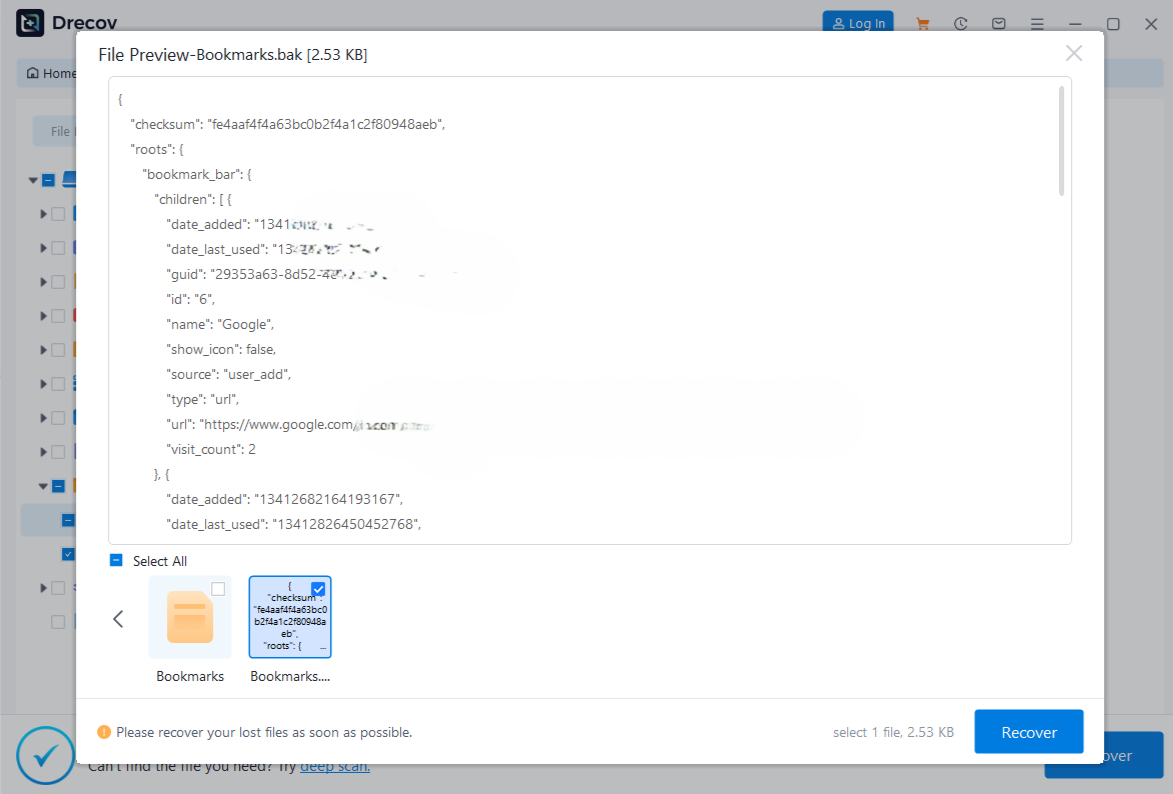
Step 4: Recover and Save Your Files
Tick the boxes next to the files you wish to restore. Click the “Recover” button and choose a different drive or an external USB stick to save the recovered data. This ensures the integrity of the recovered files remains high.
After you have secured your data, you can continue exploring the technical reasons why is firefox so slow and apply further fixes.
- Empty Recycle Bin: Everything You Need to Know
- Reinstall Windows 10 from USB: Fix Errors & Speed Up Your PC
- Where is Recycle Bin in Windows 10? 3 Quick Ways to Find It
Technical Fixes: Speeding Up Mozilla Firefox
Once your data is safe, it is time to dive into the technical configurations to answer the question: why is firefox so slow? These steps move from basic interface adjustments to deeper system modifications.
Step 1: Refreshing the Firefox Profile
If your browser is sluggish, the most effective “reset” is the Refresh feature.
- Type
about:supportin the address bar and press Enter. - Look for the “Give Firefox a tune up” box on the right.
- Click Refresh Firefox.
- Confirm the action. Firefox will close and reset itself while saving your essential info like bookmarks and passwords.
Step 2: Managing Hardware Acceleration
If you experience visual lag, hardware acceleration might be the culprit.
- Open Settings and go to the General panel.
- Scroll down to Performance.
- Uncheck Use recommended performance settings.
- Uncheck Use hardware acceleration when available.
- Restart the browser.
Step 3: Adjusting the Content Process Limit
Firefox uses multiple processes to handle different tabs. If you have low RAM, reducing this limit can stop you from wondering why is firefox so slow.
- In the same Performance section mentioned above, look for Content process limit.
- Lower the number (e.g., set it to 1 or 2) if your computer has less than 8GB of RAM.
Step 4: Troubleshooting with Safe Mode
To determine if an extension is the reason why is firefox so slow, use Troubleshoot Mode.
- Click the menu button, click Help, and select Troubleshoot Mode….
- Click Restart in the dialog box.
- If Firefox runs fast in this mode, one of your extensions is definitely the problem.
Advanced “About:Config” Tweaks for Power Users
For those who want to squeeze every bit of speed out of the engine, the about:config editor is where the magic happens. However, proceed with caution, as changing the wrong setting can cause instability.
Reducing Animation Lag
Animations can make the browser feel “heavy.” To disable them:
- Type
about:configin the URL bar and click “Accept the Risk and Continue.” - Search for
toolkit.cosmeticAnimations.enabled. - Double-click it to set it to false.
Optimizing Memory Usage
If memory leaks are the reason why is firefox so slow, you can force Firefox to minimize memory use when minimized.
- In
about:config, right-click anywhere and select New > Boolean (or use the toggle if it exists). - Name it
config.trim_on_minimize. - Set it to true.
For more information on browser technology and official support, you can visit the Mozilla Firefox Official Support
page or check the MDN Web Docs for deep technical insights into how web engines function. Don’t let a slow browser hinder your productivity; take control of your settings today!
Why Maintenance Matters for Browser Speed
Regular maintenance is the only way to prevent the recurring question of why is firefox so slow. Over time, even the best-optimized browsers accumulate “digital dust.”
Cleaning the Database
Firefox uses SQLite databases to store history and bookmarks. Over months of use, these databases can become fragmented. You can use a tool like “Places Maintenance” (an extension) or manually vacuum the database to speed up address bar searches and startup times.
Checking for Malware
Sometimes, external factors are at play. Adware can inject scripts into Firefox, making it incredibly slow. Always run a system scan with a reputable antivirus if you notice random redirects or home page changes. If malware deletes your browser shortcuts or files, remember that PandaOffice Drecov data recovery software can help you get them back.
Speed-Up Tips
| Action | Impact | Difficulty |
| Clear Cache | Frees up disk space and removes old data. | Low |
| Disable Extensions | Reduces CPU and RAM overhead significantly. | Low |
| Refresh Firefox | Fixes most corruption issues instantly. | Medium |
| Hardware Acceleration | Fixes graphical stuttering and video lag. | Medium |
| Recover Lost Profiles | Uses PandaOffice Drecov to restore lost data. | High |
Conclusion
understanding why is firefox so slow requires looking at both internal browser settings and external system health. By managing your extensions, keeping your software updated, and utilizing powerful tools like PandaOffice Drecov data recovery software when things go wrong, you can ensure a lightning-fast browsing experience.






