







Losing track of your communication history can be a stressful experience, especially when a specific number or timestamp holds significant value. Whether you accidentally swiped left or performed a factory reset, the question of how to recover recently deleted calls is one that millions of smartphone users face every year. In this comprehensive guide, we will explore the technical nuances of mobile storage, the psychological impact of data loss, and the most effective methods to retrieve your lost information.
Why People Want to Recover Deleted Call Logs
Common Everyday Situations
You know that moment—you delete your call history without thinking, and then suddenly you need a number you didn’t save. It’s frustrating, right? You scroll through your contacts, check your messages, and still come up empty. That’s when the question hits: how to recover recently deleted calls?
This situation happens more often than people admit. Maybe you accidentally cleared your call log while cleaning your phone. Or perhaps you missed an important call and wanted to check the number later. Sometimes, it’s even simpler—you just want to revisit a conversation or confirm when a call happened. Our phones act like memory banks, and when something disappears, it feels like losing a piece of that memory.
There’s also a psychological angle here. Deleted items tend to feel more important than they actually were. It’s like throwing away a receipt and then suddenly needing it for a return. The moment it’s gone, it becomes valuable. Call logs are no different. They hold timestamps, numbers, and sometimes even clues about important interactions.
Professional and Legal Importance
Now let’s zoom out a bit. Deleted call logs aren’t just about convenience—they can be critical. In professional settings, call records can serve as proof of communication. Imagine a business deal where someone claims they never received your call. Without a call log, it’s your word against theirs.
In legal situations, call history can become evidence. Lawyers, investigators, and even individuals may need access to deleted call records to support claims or clarify timelines. In these cases, knowing how to recover recently deleted calls isn’t just helpful—it’s essential.
Parents, too, often look into call logs for safety reasons. Monitoring communication can help ensure children are interacting with the right people. While this raises ethical considerations, it highlights how call logs play a role beyond simple communication—they’re part of digital accountability.
How Call Logs Work on Smartphones
What Happens When Calls Are Deleted
When you delete a call log, it doesn’t vanish instantly from existence. Instead, your phone removes the visible record from the interface while the underlying data may still exist temporarily in storage. Think of it like deleting a file on your computer—it disappears from view, but it hasn’t been fully erased yet.
Your phone’s system marks that space as available for new data. Until new information overwrites it, the deleted call log may still be recoverable. This is why acting quickly is so important. The longer you wait, the higher the chance that new data will replace the old. It’s almost like footprints in the sand. At first, they’re clearly visible. But over time, waves come in and wash them away. If you want to capture those footprints, you have to act before they disappear completely.
Storage Differences Between Android and iPhone
Not all phones handle deleted call logs the same way. Android devices tend to store more accessible system data, which can sometimes make recovery easier. iPhones, on the other hand, prioritize privacy and encryption, making direct recovery more challenging.
Android users often benefit from integration with Google services, where backups may include call logs. iPhone users rely heavily on iCloud or local backups. This difference shapes the recovery methods available to you. Understanding your device is half the battle. Once you know how your phone stores data, you can choose the right method to retrieve those missing call logs.
First Steps After Deleting Call History
Act Quickly to Prevent Data Loss
Time is your biggest enemy when trying to learn how to recover recently deleted calls. The moment you realize your call log is gone, you should limit your phone usage. Avoid installing apps, downloading files, or even taking photos. Every action increases the chance of overwriting the deleted data.
It might feel inconvenient, but think of it as protecting evidence. The less you disturb the system, the better your chances of recovery. Acting quickly can mean the difference between retrieving your call log and losing it forever.
Check Built-in Phone Features
Before diving into advanced solutions, check your phone’s built-in features. Sometimes, the solution is simpler than you think. Look for:
- Recently synced accounts
- Backup settings
- Cloud storage options
Many users overlook these basic checks and jump straight into complicated methods. It’s like searching your entire house for your keys when they’re sitting right on the table.
How to See Deleted Calls on Android
Using Google Backup
Android devices often back up call logs to Google accounts. If you have backup enabled, you can restore your call history by resetting your device and restoring from a previous backup. To verify your backup status, you can visit the Google Account Dashboard.
- Step 1: Open your phone’s Settings and go to Google > Backup. Check if the “Call history” toggle was active before the deletion.
- Step 2: If a backup exists, you must perform a factory reset of your device (ensure other data is backed up elsewhere first).
- Step 3: During the initial setup after the reset, sign into your Google account.
- Step 4: Select the option to Restore from Backup and choose the most recent file containing your call logs.
While this method is effective, it comes with a trade-off—you may lose newer data. It’s like rewinding your phone to an earlier point in time.
Using Carrier Call Records
Another overlooked method is contacting your mobile carrier. Telecom providers often store call records for billing and operational purposes. These records may include incoming and outgoing calls, timestamps, and durations.
You can usually access this information through:
- Online account dashboards
- Customer support requests
- Billing statements
This method doesn’t restore the call log on your phone, but it gives you the information you need. Sometimes, that’s all you really want.
How to See Deleted Calls on iPhone
Using iCloud Backup
iPhone users rely heavily on iCloud backups. If your call logs were included in a backup, you can restore them by resetting your device and choosing the appropriate backup. You can manage your Apple ID and check device backups at iCloud.com.
- Step 1: Go to Settings > General > Transfer or Reset iPhone > Erase All Content and Settings.
- Step 2: Follow the on-screen prompts until you reach the Apps & Data screen.
- Step 3: Tap Restore from iCloud Backup and sign in with your Apple ID.
- Step 4: Pick the backup dated before you deleted the calls.
The process is straightforward but requires caution. Restoring a backup replaces your current data, so you need to ensure the backup contains the call logs you’re looking for.
Using iTunes/Finder Backup
For those who prefer local backups, iTunes or Finder provides another option. If you’ve backed up your iPhone to your computer, you can restore that backup to recover deleted call logs.
- Step 1: Connect your iPhone to your computer using a USB cable.
- Step 2: Open iTunes (Windows/older macOS) or Finder (macOS Catalina and later).
- Step 3: Select your device and click Restore Backup.
- Step 4: Choose the most relevant backup from the list and wait for the sync to complete.
This method is often faster and doesn’t depend on internet speed, but it requires prior preparation. No backup means no recovery.
How to Delete Recent Calls Safely
Before we proceed to advanced recovery software, it is vital to understand the “other side” of data management. Sometimes, users ask about how to delete recent calls to protect their privacy or clean up their interface. Knowing the correct way to delete data ensures that you don’t accidentally wipe more than you intended.
- Step 1: Open the Phone app and navigate to the Recents or Call Log tab.
- Step 2: To delete a single entry, swipe left (on iPhone) or long-press (on Android) and select Delete.
- Step 3: To clear the entire list, look for an Edit or More (three dots) button and select Clear Call History.
Warning: Once you perform a bulk “Clear Call History” action, the data is removed from the active database. If you haven’t backed up recently, this is exactly when you’ll find yourself searching for how to recover recently deleted calls. Always double-check before confirming a mass deletion.
Using Telecom Provider Records
How Call Logs Are Stored by Carriers
Telecom providers maintain records of your calls for billing and compliance. These records are often stored for months, depending on the provider and regulations. They typically include:
- Phone numbers
- Call durations
- Dates and times
However, they usually don’t include call content. Privacy laws protect that level of detail.
Requesting Call History
You can request your call history through your provider’s website or customer service. Some providers allow you to download detailed statements directly from your account dashboard. This method is reliable and doesn’t depend on your device, making it a strong fallback option.
Third-Party Recovery Tools
PandaOffice Drecov Data Recovery Software
Drcov scan your device’s storage for traces of deleted data. It attempt to reconstruct call logs by analyzing leftover data fragments. These tools can be effective, especially on Windows devices. It often provide user-friendly interfaces, making recovery accessible even for non-technical users.
⚠ Warning: Install it on a drive different from the one where your data was lost to prevent overwriting.
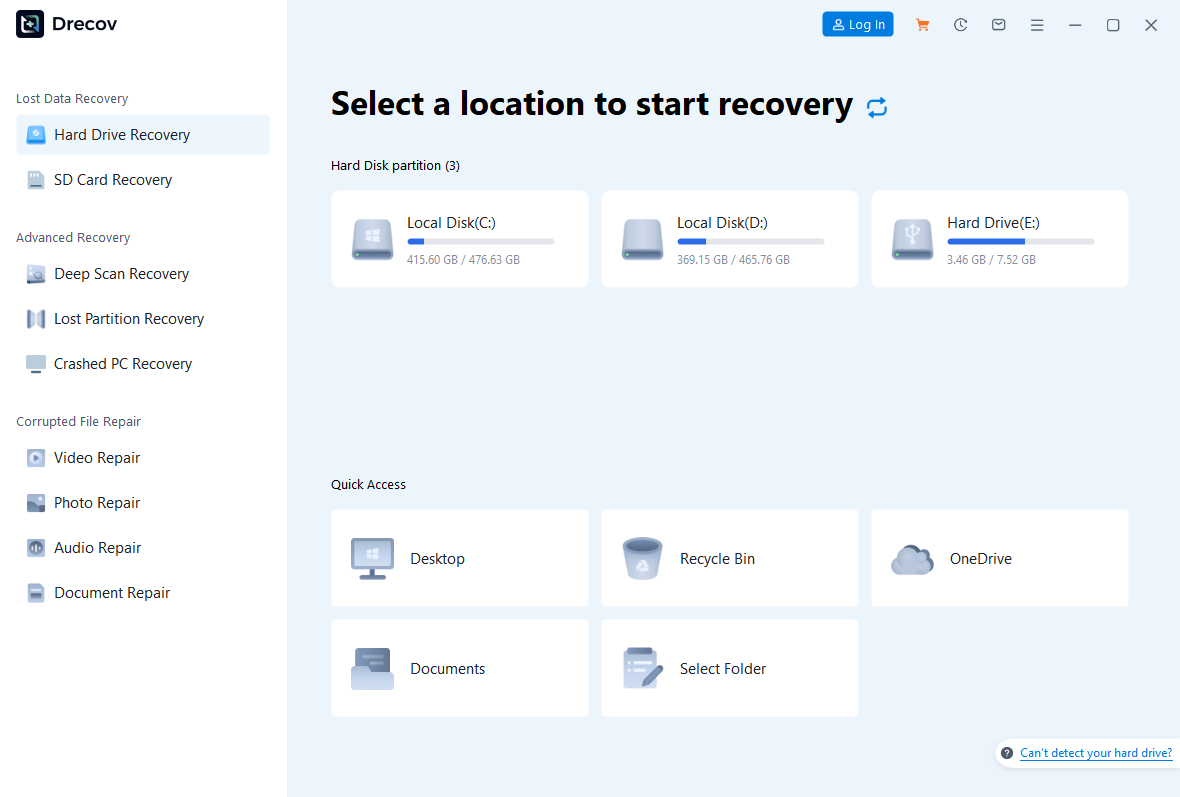
Here is how you can use this professional tool to retrieve your logs:
Step 1: Select Data Types
Once the software recognizes your device, you will see a list of file types. By narrowing the search, the software can scan much faster.
Step 2: Deep Scanning
Click the Start Scan button. PandaOffice Drecov will begin analyzing the internal database of your phone.
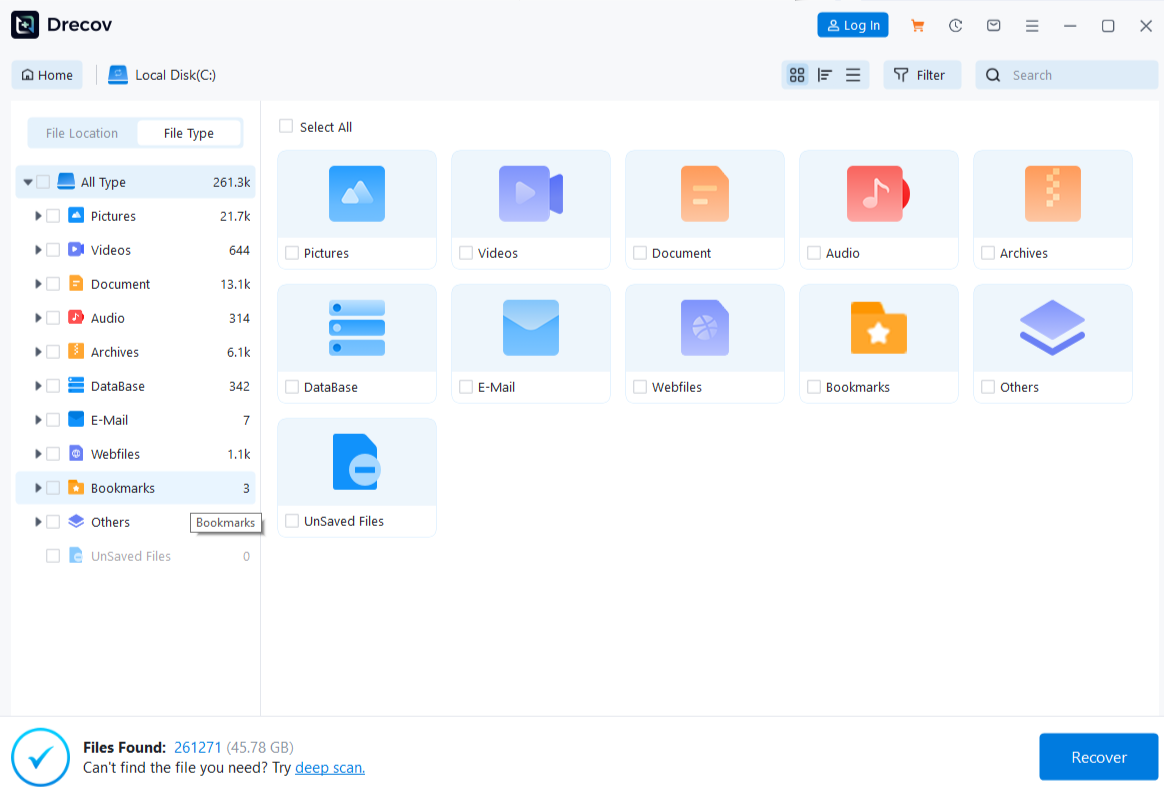
Step 3: Preview and Recover
After the scan, the software displays a list of found call records. You can preview the names, numbers, and dates. Select the entries you need and click Recover to save them to your computer.
Comparison of All Recovery Methods
| Method | Difficulty | Success Rate | Best Use Case |
| Google/iCloud Backup | Medium | High | For regular backup users |
| Carrier Records | Easy | High | For basic info (Numbers/Dates) |
| PandaOffice Drecov | Easy | Medium-High | When no backup exists |
| Built-in Features | Easy | Low | Simple accidental deletions |
After Recovery: Related Data Guides
Successfully getting your call logs back is a huge relief. However, data loss often affects more than just your phone calls. To ensure your digital life is fully restored, you might find these guides helpful:
- How to recover deleted bookmarks in Chrome — Restore your favorite saved websites and links.
- How to recover files deleted from the Recycle Bin — Find documents and files you thought were gone forever from your PC.
- Complete guide to restore deleted photos from any phone — Bring back your precious memories and images.
Risks and Limitations
Data Overwriting Issues
Once data is overwritten, recovery becomes nearly impossible. This is why speed matters so much. The longer you wait, the lower your chances of success. When a file is “deleted,” the phone simply says, “this space is now empty.” If you take a high-resolution photo or download a large app, the phone might write that new data right over your old call records.
Privacy and Legal Concerns
Accessing call logs—especially someone else’s—can raise serious privacy issues. Always ensure you’re acting within legal boundaries. Recovery software should only be used on devices you own or have explicit permission to access. Unauthorized data recovery can lead to legal complications.
Tips to Prevent Losing Call Logs
Prevention is always better than cure. To avoid the stress of searching for how to recover recently deleted calls in the future, follow these simple steps:
- Enable Automatic Backups: Set your phone to back up to Google Drive or iCloud daily while you sleep.
- Sync with Cloud Services: Use apps that sync contacts and logs automatically.
- Save Important Numbers Immediately: Don’t leave an important contact as just a “number” in your log. Create a contact entry right away.
- Avoid Frequent Bulk Deletion: Instead of “Clear All,” delete specific calls one by one if you are just trying to hide a specific entry.
- Use Secondary Logs: Apps like Truecaller or some carrier apps keep their own version of your call history, providing an extra layer of redundancy.
Best Backup Practices
Backups are your safety net. Without them, recovery becomes a gamble. Whether you use cloud storage or local backups, consistency is key. Think of backups like insurance. You don’t need them every day—but when you do, they’re invaluable.
- For Android: Go to Settings > System > Backup and ensure “Backup by Google One” is turned on.
- For iPhone: Go to Settings > [Your Name] > iCloud > iCloud Backup and select Back Up Now at least once a week if you don’t use the automatic feature.
- For PC/Mac: Periodically plug your phone into your computer and perform a full physical backup. This is the most secure way to ensure you have a “frozen” copy of your data.
Recover Recently Deleted Calls FAQs
1. Can I recover deleted call logs without a backup?
Yes, it is possible. You can use PandaOffice Drecov data recovery software to scan the phone’s internal storage or request records from your mobile service provider. However, the success rate depends on whether the data has been overwritten.
2. Do phone companies keep call history?
Yes, most providers store call records for several months for billing purposes. You can usually find these in your “Detailed Billing” section on the carrier’s website.
3. Can I see deleted calls on iPhone without a reset?
If you want to use the official iCloud restore method, a reset is usually required. However, using third-party tools like PandaOffice Drecov allows you to extract data without wiping your current phone settings.
4. Are third-party recovery apps safe?
Reputable apps like PandaOffice Drecov are safe, but you should always download them from official sources. Avoid “free” apps that ask for excessive permissions or don’t have clear privacy policies.
5. How long are deleted calls recoverable?
There is no fixed time. It depends entirely on your phone usage. If you delete a call and then don’t use your phone at all, it could be recoverable for weeks. If you are a heavy user, it could be overwritten in minutes.
Conclusion
Losing your call history can feel like losing a piece of your digital life. The good news? There are multiple ways to recover or access that information, from backups to carrier records and recovery tools like PandaOffice Drecov data recovery software.
The key is acting quickly and choosing the right method for your device. Whether you are dealing with a simple accidental tap or a complex system failure, the technical architecture of modern smartphones usually leaves a window of opportunity for recovery. Once you understand how call logs are stored and deleted, you’re no longer at the mercy of accidental taps or system glitches—you’re in control. Remember to set up a robust backup routine today so that you never have to worry about how to recover recently deleted calls ever again.






