







can I make a recovery drive for my windows 11 from signing in from another computer— From Microsoft Store
Understanding How to Create a Recovery Drive for Another Computer
Why You Might Need a Recovery Drive from Another Computer
Sometimes, your computer may fail to boot, and you need to create a recovery drive for another computer to troubleshoot and restore the system. A recovery drive allows users to access repair tools, reinstall Windows, and fix startup issues even when the primary PC is unresponsive.
The ability to create a Windows 10 recovery drive for another computer is particularly useful in emergency situations. For example, if your system disk is corrupted, or your main PC cannot access the recovery environment, a recovery drive from a functional computer becomes a lifesaver.
Understanding the differences between local and external recovery drives also answers questions like can I use a recovery drive from another computer safely. While recovery drives contain generic repair tools, using one from a different computer may not restore device-specific drivers or system settings.
Reasons for Creating a Recovery Drive from Another Computer
System Crashes and Boot Failures
A primary reason to create recovery drive from another computer is sudden system failures. If your computer cannot start normally due to malware, corrupted system files, or hardware problems, you cannot create a recovery drive locally. Using a secondary computer provides access to recovery tools to restore your main system.
Backup for Critical Data Recovery
Creating a recovery drive is not only about fixing startup issues—it also allows access to data recovery tools if files are inaccessible. A recovery drive can be combined with professional software like Pandaoffice Drecov to recover documents, images, or system files before performing repairs on the affected PC.
Upgrading or Migrating Windows Systems
Sometimes users need to create recovery drive for another computer when migrating from Windows 10 to Windows 11 or upgrading to a new system. This ensures that even if something goes wrong during the upgrade, they have an external bootable repair option.
Questions About Cross-Compatibility
Many users wonder can a recovery drive be used on another computer or can I use a recovery drive on a different computer. Generally, a recovery drive can run repair tools on another system with the same OS version, but full system restoration may require system-specific drivers.
⚠️Warning: Always confirm the recovery drive matches the Windows version of the target computer to avoid compatibility issues.
How to Create a Recovery Drive from Another Computer
Method 1: Using Windows Built-in Recovery Drive Tool
Test Environment:
- Windows 10 Professional (22H2)
- USB drive with at least 16GB
- Administrator privileges
- Insert a USB drive into the working computer.
- Open the Start menu, search for “Create a recovery drive”, and select the tool.
- Check the option “Back up system files to the recovery drive” to include essential system components.
- Click Next, select the USB drive, and follow prompts to create the drive.
Once complete, this USB drive can be used to boot your other computer and access repair tools, providing a reliable solution when a PC is unbootable.
This is the most straightforward way to create recovery drive for another computer using native Windows features.
Method 2: Using an ISO Image from Another System
Test Environment:
- Working Windows 10 system
- External storage for ISO (at least 8GB)
- Access to media creation tool
If you cannot create a physical recovery drive directly, you can generate a recovery ISO file from another computer. Download the Windows Media Creation Tool, select Create ISO, and save it to a USB drive. Booting from this ISO allows system repair on your target computer.
This approach answers the long-tail question can I create a recovery drive from another computer when physical drives are unavailable.
Method 3: Using a Secondary Computer with the Same Windows Version
Test Environment:
- Two Windows 10 PCs with identical versions
- USB drive (16GB or larger)
- Administrator access on working PC
- Connect a USB drive to the secondary PC.
- Open the recovery drive creation tool.
- Ensure the system files option is checked.
- Follow the wizard to complete the process.
This method guarantees compatibility for creating a Windows 10 recovery drive for another computer and can resolve startup issues on the target PC.
Method 4: Combine Recovery Drive with Pandaoffice Drecov for Data Safety
Test Environment:
- Target PC unbootable
- Secondary working computer
- External storage for recovered files
If your main PC is failing, you can create recovery drive from another computer and pair it with Pandaoffice Drecov for data protection.
- Boot the target PC using the recovery drive.
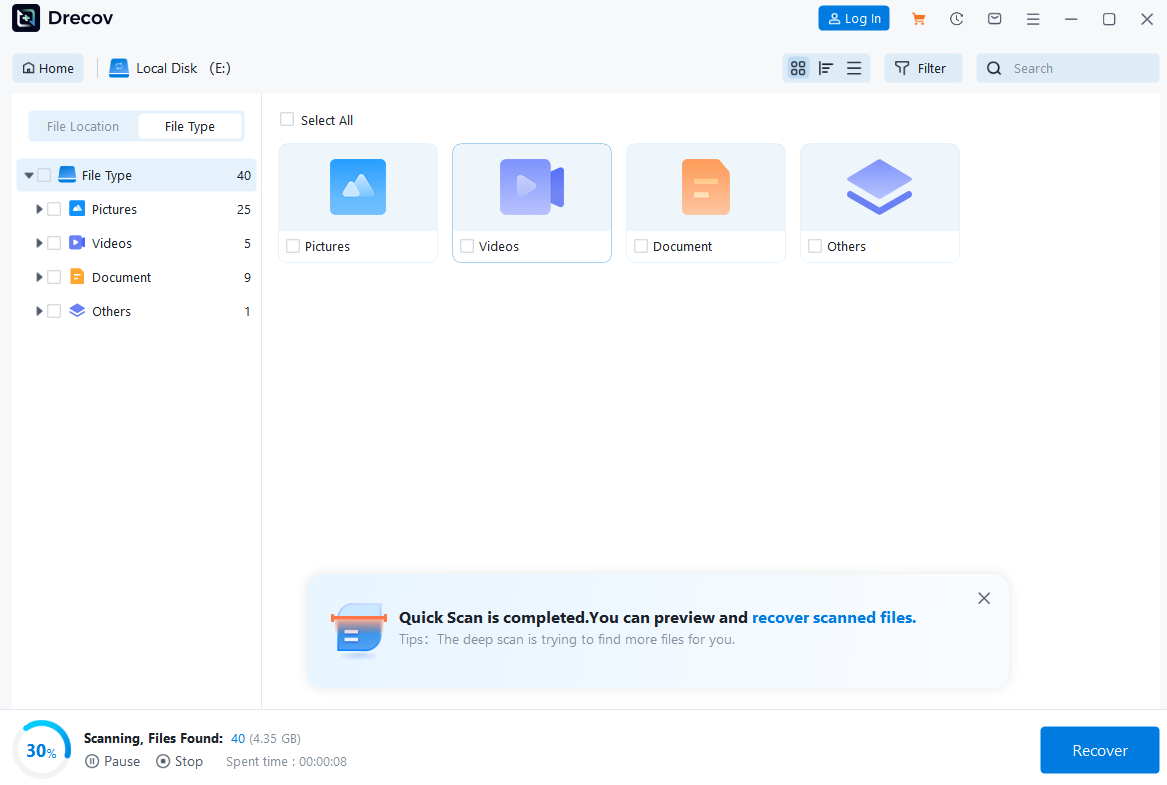
- Launch Pandaoffice Drecov to scan the primary disk for important files.
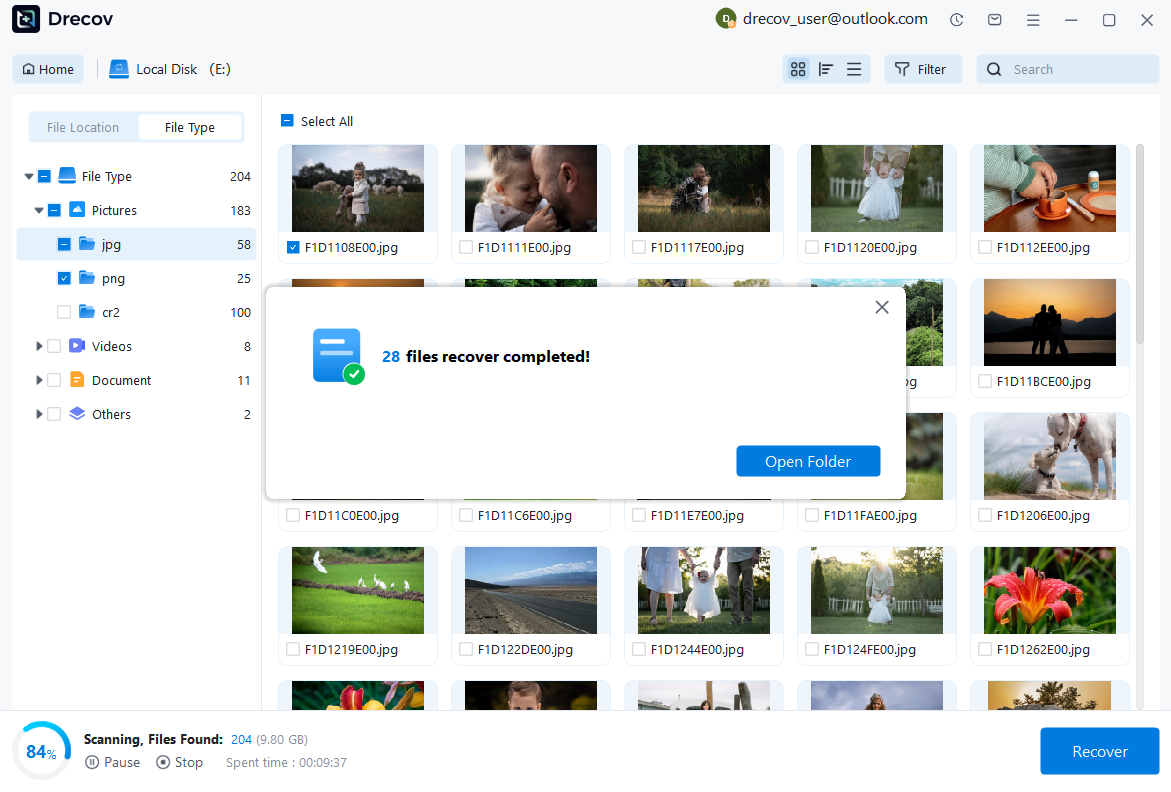
- Recover and save data to a separate external drive before attempting system repair.
This ensures you do not lose critical files while restoring your system using a recovery drive.

Why Choose Pandaoffice Drecov?
Pandaoffice Drecov stands out as a powerful and user-friendly solution for handling various data loss scenarios. Whether you need to reset PC to earlier date, perform a recover deleted Blink video, or figure out how do I recover an overwritten Excel file, Drecov provides reliable and efficient recovery tools in one place. It also excels at recovering photos from SD cards, making it ideal for photographers and everyday users alike. Even complex situations like Illustrator unsaved file recovery are handled with advanced scanning algorithms that maximize file retrieval success. With its intuitive interface, deep scan technology, and high recovery rate, Pandaoffice Drecov ensures your lost data can be restored quickly and safely without requiring technical expertise.
⚠️Warning: Always recover files to a different storage location to prevent overwriting data.
Method 5: Create a Recovery Drive via Networked Computer
Test Environment:
- Target PC unable to boot
- Secondary computer on the same local network
- USB drive or external storage
In enterprise or home networks, you can create recovery drive for another computer using a secondary PC connected to the same network. Transfer the recovery files to the USB drive on the working computer, then use it to boot the target PC.
This method is especially useful when the unbootable computer cannot connect directly to external drives or lacks USB ports. It also allows administrators to deploy recovery drives across multiple computers simultaneously.
⚠️Warning: Ensure that network sharing permissions are secure to prevent unauthorized access to recovery files.
Method 6: Use Command Prompt to Prepare Recovery Media
Test Environment:
- Windows 10 PC with admin access
- USB drive (16GB or larger)
- Command Prompt access
Advanced users can use Command Prompt to create recovery drive from another computer. Run:
recdisc.exe
Follow the prompts to select a USB drive and copy system recovery files. This approach is helpful if GUI-based tools fail or if scripting is required for multiple systems.
This method also answers the long-tail question can I use a recovery drive from another computer by allowing precise selection of files and system components for the target PC.
Method 7: Troubleshoot USB Boot Issues
Test Environment:
- Recovery drive already created
- Target PC with BIOS/UEFI access
- USB drive compatible with system
Sometimes, the recovery drive is ready, but the target computer does not boot from USB. To fix this:
- Restart the target PC and enter BIOS/UEFI settings.
- Ensure USB boot is enabled and the recovery drive is first in boot order.
- Save settings and restart.
This method ensures the recovery drive from another computer works as intended, solving compatibility and boot issues.
Frequently Asked Questions About Recovery Drives Across Computers
Can a recovery drive be used on another computer?
Yes, a recovery drive can run repair tools on another computer with the same OS version. However, full system restoration may be limited if the target PC has different hardware or drivers.
Can I create a recovery drive from another computer?
Absolutely. By using a working PC, you can generate a recovery drive for a target computer that cannot boot, addressing system failures without accessing the original system directly.
Can I use a recovery drive from another computer?
Yes, you can use it to access recovery options and repair tools, but system-specific files, drivers, and personalization settings may not transfer.
Can I use a recovery drive on a different computer safely?
You can use it safely for repairs, troubleshooting, or accessing command-line tools. Always confirm OS version compatibility to prevent errors.
Best Practices for Recovery Drive Creation and Data Protection
Key Takeaways
- Always create a computer recovery drive on a working PC if the target computer cannot boot.
- Confirm OS version compatibility before using a recovery drive on another computer.
- Use reliable USB drives (16GB+) and format them properly to avoid failures.
- Combine recovery drives with Pandaoffice Drecov for professional data protection during repairs.
- Store recovery drives safely and update them after major Windows upgrades to ensure functionality.
Following these steps ensures that your create recovery drive from another computer process is reliable, and critical data remains safe even in case of system failures.
⚠️Warning: Regularly back up data and update recovery drives to prevent potential data loss or boot issues.






