







Understanding Disk Format in Linux and Its Core Purpose
What Disk Format in Linux Really Means
The process of disk format in Linux refers to preparing a storage device by creating a new file system structure so it can store data efficiently. Unlike simple file deletion, a linux format disk operation rebuilds how data is organized at a system level.
When users perform format disk linux tasks, they are essentially resetting the storage space. This can be done for internal drives, external hard disks, or USB devices. The Linux system supports multiple file systems such as ext4, XFS, and Btrfs, each serving different performance and stability needs.
Understanding how to format disk in linux is essential for system administrators and regular users who need clean installations, troubleshooting, or secure data removal.
⚠️Warning: Formatting will erase all visible data on the disk permanently if not backed up.
Why Linux Users Need to Format or Wipe Disks
Common Scenarios for Linux Formatting Disk Operations
There are many situations where linux formatting disk becomes necessary. One common reason is system installation. When installing Linux distributions, users often need to prepare a clean disk environment.
Another reason is file system corruption. If the system fails to mount a drive, a linux format disk process may be required to restore functionality. Additionally, performance degradation over time can lead users to reset storage devices.
Security is another major factor. Wiping a disk ensures sensitive data cannot be recovered. This is especially important when repurposing or disposing of hardware.
Users also search for how to format a disk on linux when switching between operating systems or reorganizing partitions.
⚠️Warning: Always verify the correct disk path before performing formatting operations.
How to Format Disk in Linux Using Different Methods
Method 1: Format Disk Linux Using fdisk and mkfs
Test Environment: Ubuntu 22.04 system, secondary internal HDD detected as /dev/sdb, no mounted partitions.
One of the most traditional ways to format disk linux is by combining fdisk and mkfs commands. This method provides full control over partitioning and file system creation.
Steps:
- Open terminal with root privileges.
- Run
sudo fdisk -lto identify the disk. - Execute
sudo fdisk /dev/sdb. - Delete existing partitions using
d. - Create a new partition using
n. - Write changes with
w. - Format partition using
mkfs.ext4 /dev/sdb1.
This approach is widely used when learning how to format disk in linux at a system level. It is powerful but requires careful execution.
⚠️Warning: Incorrect disk selection may destroy system data.
Method 2: Format Disk Linux Using GParted Graphical Tool
Test Environment: Linux Mint 21, external USB drive connected, GParted installed.
GParted provides a user-friendly interface for linux format disk operations. It is ideal for users who prefer graphical tools over command-line methods.
Steps:
- Install GParted if not available.
- Launch the application with administrator rights.
- Select the target disk from the dropdown menu.
- Right-click partitions and choose “Format to”.
- Apply all operations.
This method simplifies format disk linux tasks and is especially helpful for beginners. It visually displays partitions, reducing the risk of errors.
GParted supports multiple file systems, making it flexible for different Linux environments.
⚠️Warning: Unapplied changes can still be reversed before execution.
Method 3: Wipe and Format Disk Using dd Command
Test Environment: Debian 12 system, secondary drive /dev/sdc, unmounted and unused.
For advanced users, the dd command allows secure wiping before performing a linux formatting disk operation.
Steps:
- Identify disk using
lsblk. - Run wipe command:
sudo dd if=/dev/zero of=/dev/sdc bs=4M status=progress - After wiping, create partitions using
fdisk. - Format using
mkfs.ext4.
This method is useful when users want a deep wipe before performing format disk linux operations. It ensures previous data is overwritten.
It is often used in security-sensitive environments.
⚠️Warning: This method permanently erases all data beyond recovery.
Method 4: Recover Data Before Linux Format Disk Using Pandaoffice Drecov
Test Environment: Dual-boot Windows/Linux system, external disk previously used across systems, data accidentally deleted.
Before performing a linux format disk, recovering important files is strongly recommended. Pandaoffice Drecov provides a reliable solution for retrieving lost data before wiping operations.
Steps:
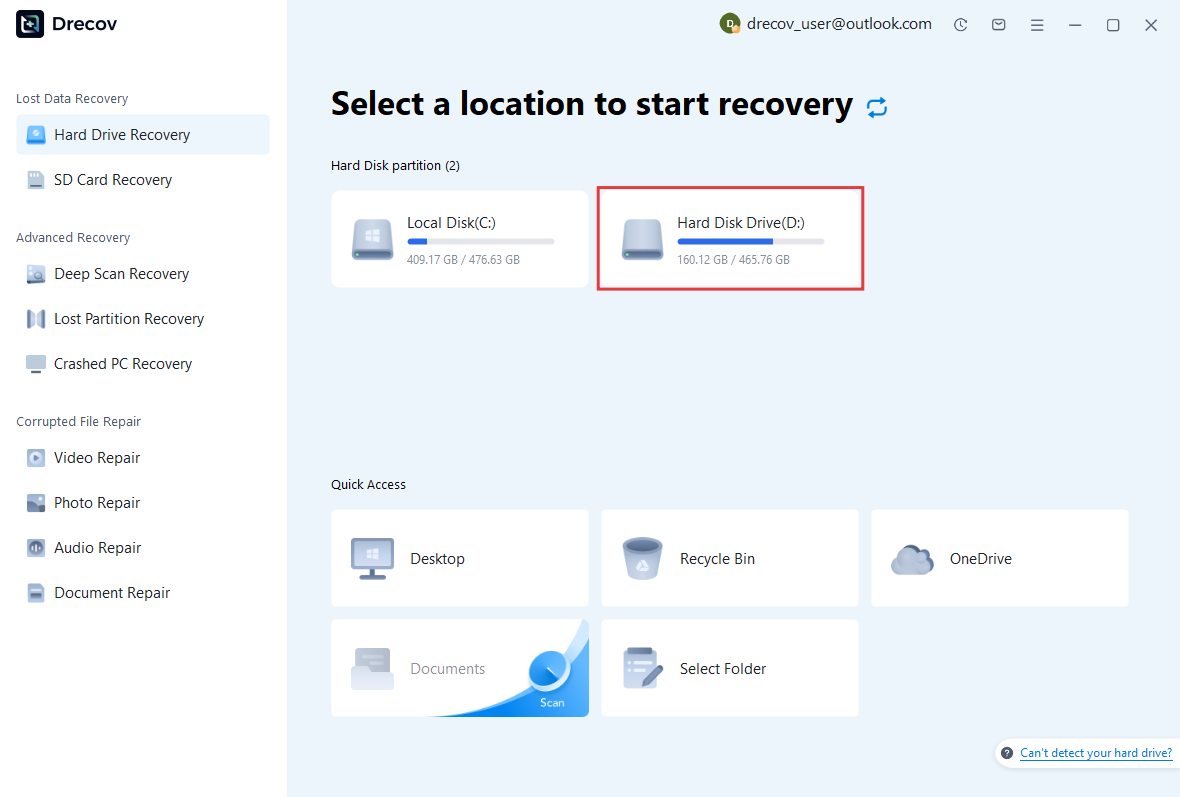
- Install Pandaoffice Drecov on a supported system.
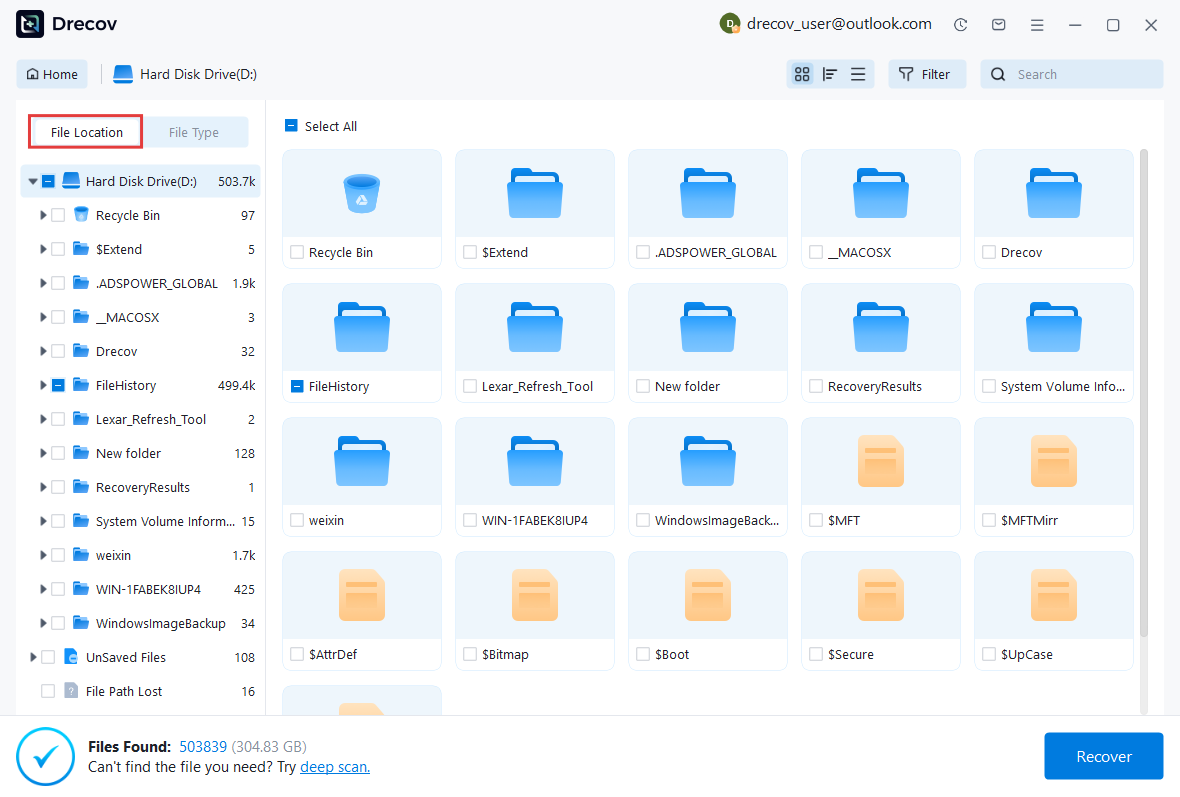
- Scan the target disk.
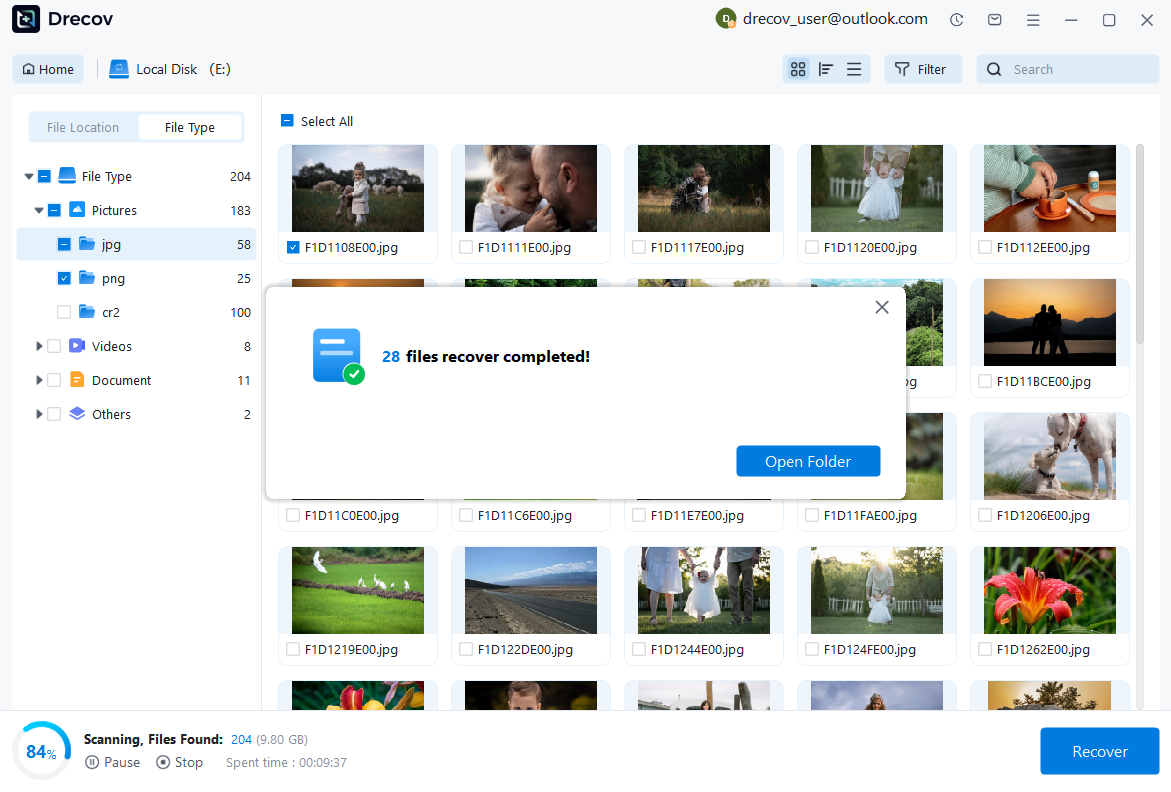
- Preview recoverable files.
- Restore data to a safe location.
- Proceed with formatting disk linux after backup.
This method is especially useful when users are unsure about data loss during how to format a disk on linux procedures.
Why Choose PandaOffice Drecov Data Recovery Software?
When it comes to reliable data recovery, PandaOffice Drecov stands out as a powerful, all-in-one solution designed to handle a wide range of data loss scenarios. Whether you’re trying to perform TikTok deleted video recovery, restore files after formatting, or recover important documents, Drecov delivers fast and dependable results.
One of its biggest advantages is versatility. From format data recovery to lost partition recovery, the software can scan deeply and accurately locate files that other tools often miss. Even if your drive has been accidentally formatted or a partition has disappeared, Drecov uses advanced algorithms to reconstruct and retrieve your data with high success rates.
Drecov also supports specialized recovery needs. If you’ve lost important documents, its PDF recovery tool ensures that files retain their original structure and quality. For media users, the audio recovery feature helps restore music, recordings, and other sound files without corruption, making it ideal for both personal and professional use.
Ease of use is another key benefit. The intuitive interface allows beginners to recover files in just a few clicks, while still offering advanced options for more experienced users. Plus, it supports a wide range of storage devices, including HDDs, SSDs, USB drives, and memory cards.
In short, PandaOffice Drecov combines powerful recovery capabilities with user-friendly design, making it a trusted choice for anyone facing data loss.
Method 5: How to Format a Disk on Linux Using GNOME Disks Utility
Test Environment: Ubuntu 22.04 desktop environment, external HDD connected via USB, GNOME Disks preinstalled.
GNOME Disks is a built-in graphical tool that simplifies how to format a disk on linux without requiring terminal commands. It is widely used in desktop Linux environments due to its simplicity and reliability.
Steps:
- Open “Disks” from the application menu.
- Select the target drive from the left panel.
- Click the gear icon and choose “Format Partition”.
- Select file system type such as ext4 or exFAT.
- Confirm to execute linux format disk operation.
This method is ideal for users who prefer a visual interface for format disk linux tasks. It reduces command errors and provides clear disk information.
GNOME Disks also allows secure erase options for more thorough cleanup.
⚠️Warning: Double-check drive selection before formatting to avoid wiping the wrong disk.
Method 6: Secure Linux Formatting Disk Using shred Command
Test Environment: CentOS 9 system, enterprise-level server disk /dev/sdb, unmounted storage device.
The shred command is used for secure deletion before performing linux formatting disk operations. It overwrites data multiple times, making recovery extremely difficult.
Steps:
- Identify disk using
lsblk. - Run secure wipe command:
sudo shred -v -n 3 /dev/sdb - After wiping, create partitions using
partedorfdisk. - Format using
mkfs.ext4.
This method is highly effective for sensitive environments where linux format disk must ensure data cannot be recovered.
It is commonly used in enterprise systems and security-focused workflows.
⚠️Warning: Shred operations are irreversible and may take significant time.
Best Practices Before and After Formatting Linux Disk
Key Preparations Before Formatting Disk Linux
Before performing any format disk linux operation, proper preparation is essential to avoid data loss or system issues. First, always verify disk identity using tools like lsblk or fdisk -l.
Next, ensure all important files are backed up. Since linux formatting disk removes file structures, recovery becomes difficult afterward unless specialized tools are used.
It is also important to unmount all active partitions before starting the process. Attempting to format a mounted disk can cause system instability.
Finally, choose the correct file system based on usage. Ext4 is recommended for most Linux systems, while exFAT is better for cross-platform compatibility.
What to Do After Formatting a Disk in Linux
After completing how to format disk in linux procedures, it is important to verify system stability. Start by checking whether the disk mounts correctly using mount or file manager tools.
Next, create test files to confirm read/write functionality. This ensures the linux format disk process was successful and the file system is stable.
If errors occur, reformatting or switching file systems may be required. In some cases, hardware issues may also cause repeated failures.
Regular monitoring helps maintain disk health after linux formatting disk operations.
Frequently Asked Questions About Linux Disk Formatting
How to Format Disk in Linux Without Losing System Stability
When performing how to format disk in linux, system stability depends on selecting the correct disk and file system. Always avoid formatting the root partition unless reinstalling the OS.
Using tools like GNOME Disks or fdisk ensures safer execution of format disk linux operations.
How Can I Format a Disk on Linux That Is Not Mounting
If a disk is not mounting, use lsblk or dmesg to diagnose the issue. Sometimes the disk may require partition rebuilding before linux format disk can succeed.
In severe cases, wiping the disk with dd or shred may be necessary.
What Is the Safest Way to Format Linux Disk
The safest linux formatting disk method depends on user experience. Beginners should use GNOME Disks, while advanced users may prefer terminal tools like fdisk or mkfs.
Always prioritize backup before starting any format disk linux process.
Conclusion: Mastering Linux Format Disk Operations Safely
Understanding how to format a disk on linux is essential for system maintenance, troubleshooting, and secure data management. Whether using terminal commands like fdisk, graphical tools like GNOME Disks, or secure wiping methods such as shred, each approach serves a different purpose depending on the scenario.
The key to successful linux format disk operations is preparation—identifying the correct drive, backing up data, and selecting the appropriate file system. With the right approach, linux formatting disk becomes a safe and efficient process for both beginners and advanced users.
By following the methods outlined above, users can confidently perform format disk linux tasks while minimizing risks and ensuring system stability.





