







If you’ve ever customized your desktop icons or explored system files, you may have come across a file with the .ico extension. But what is an ICO file, and why is it important? Despite being small in size, ICO files play a significant role in how icons are displayed on your computer, websites, and applications.
In this comprehensive guide, we’ll explain everything you need to know about what are ico files—how they work, how to open and create them, and why they are essential in modern computing. Furthermore, we will delve into technical aspects like recovery, ensuring that if you ever lose your custom designs, you know exactly how to get them back.
What is a ICO file and Why Does it Exist?
To understand what is a ico file, we must look at the history of the Windows operating system. An ICO file is a specialized image file format used primarily for storing icons in Microsoft Windows. These icons represent files, folders, applications, and system elements visually, making it easier for users to navigate their devices.
Unlike standard image formats like JPG or PNG, what is ico file structure is unique: it acts as a container. Instead of holding just one image, it can contain multiple images of different sizes and color depths within a single file. This allows the operating system to display the most appropriate version of the icon depending on whether you are looking at a “Large Icons” view on your desktop or a “Details” list in File Explorer.
The Technical Side: What is .ico file type Composition?
When we ask what is .ico file type, we are looking at a format that consists of an Icon Directory and one or more Icon Images. The directory contains information about each image within the file, such as its width, height, and color palette. This metadata ensures that Windows can instantly grab the 16×16 pixel version for a taskbar and the 256×256 version for a high-resolution 4K monitor without losing clarity.
Key Features of File Type ICO
The file type ico has several unique characteristics that distinguish it from other image formats. If you are a developer or a designer, understanding these features is vital for creating a professional user interface.
- Multiple Resolutions: An ICO file can include multiple icon sizes such as 16×16, 32×32, 48×48, and 256×256 pixels.
- Transparency Support: Like PNG, ICO files support alpha channels, allowing icons to blend seamlessly with various backgrounds and themes.
- Optimized for Windows: They are specifically designed for the Win32 API, ensuring perfect compatibility with system shortcuts.
- Efficient Storage: By bundling several versions into one file, it reduces the system’s need to scale images on the fly, which saves processing power.
Where What is ICO File Type Used Today?
Even in the era of modern web design and sleek mobile interfaces, what is ico file type remains relevant. Here are the primary areas where you will encounter them:
- Desktop Icons: Every shortcut on your Windows desktop points to an ICO file (or an icon resource within an .exe).
- Application Logos: Software programs use ICO files to represent their brand in the taskbar and the “Start” menu.
- Website Favicons: While many modern browsers support PNG, the traditional “favicon.ico” is still the gold standard for browser tab icons. You can learn more about how browsers handle data on official W3C documentation.
- System Interface: Windows uses them for system elements like the “Recycle Bin,” local drives, and “Network” settings.
What is a .ico file Comparison: ICO vs. PNG vs. JPG
If you are wondering what is a .ico file compared to a standard image, refer to this table:
| Feature | ICO File | PNG | JPG |
| Multiple sizes | Yes | No | No |
| Transparency | Yes | Yes | No |
| Compression | Moderate | High | High |
| Primary Use | UI/System Icons | Web Graphics | Photography |
While PNG is great for high-quality graphics, it doesn’t offer the multi-resolution “container” functionality that makes the file type ico so versatile for operating systems.
How to Open and View ICO Files
Since what is ico file is an image format, most modern systems can open them easily. However, because they contain multiple images, some viewers might only show the largest resolution.
Method 1: Windows Photos and Paint
- Step 1: Right-click your
.icofile. - Step 2: Select Open with.
- Step 3: Choose Photos or Paint.
- Note: Paint is particularly useful if you want to quickly edit the pixel layout of an icon.
Method 4: Professional Editing Software
For those who need to see every resolution layer, tools like Adobe Photoshop (with a plugin) or GIMP are better. GIMP allows you to see each icon size as a separate “layer,” giving you total control over the file.
How to Recover Deleted ICO Files: A Step-by-Step Guide
Losing a custom icon set you spent hours designing can be devastating. Whether you accidentally emptied the Recycle Bin or a drive error occurred, learning how to recover deleted ico files is a essential skill for any digital creator.
Technique 1: Check the Recycle Bin
Most files aren’t gone; they are just moved.
- Step 1: Open the Recycle Bin.

- Step 2: Type
.icoin the search bar. - Step 3: Right-click and select Restore.
Technique 2: Using PandaOffice Drecov Data Recovery Software
If the files were permanently deleted (Shift+Delete) or the drive was formatted, you need professional help. PandaOffice Drecov data recovery software is a powerful tool specifically designed to locate “ghost” files on your storage media. It supports deep scans for rare file formats, including the specific headers found in ICO files.
⚠ Warning: Install it on a drive different from the one where your data was lost to prevent overwriting.
Steps to use PandaOffice Drecov:
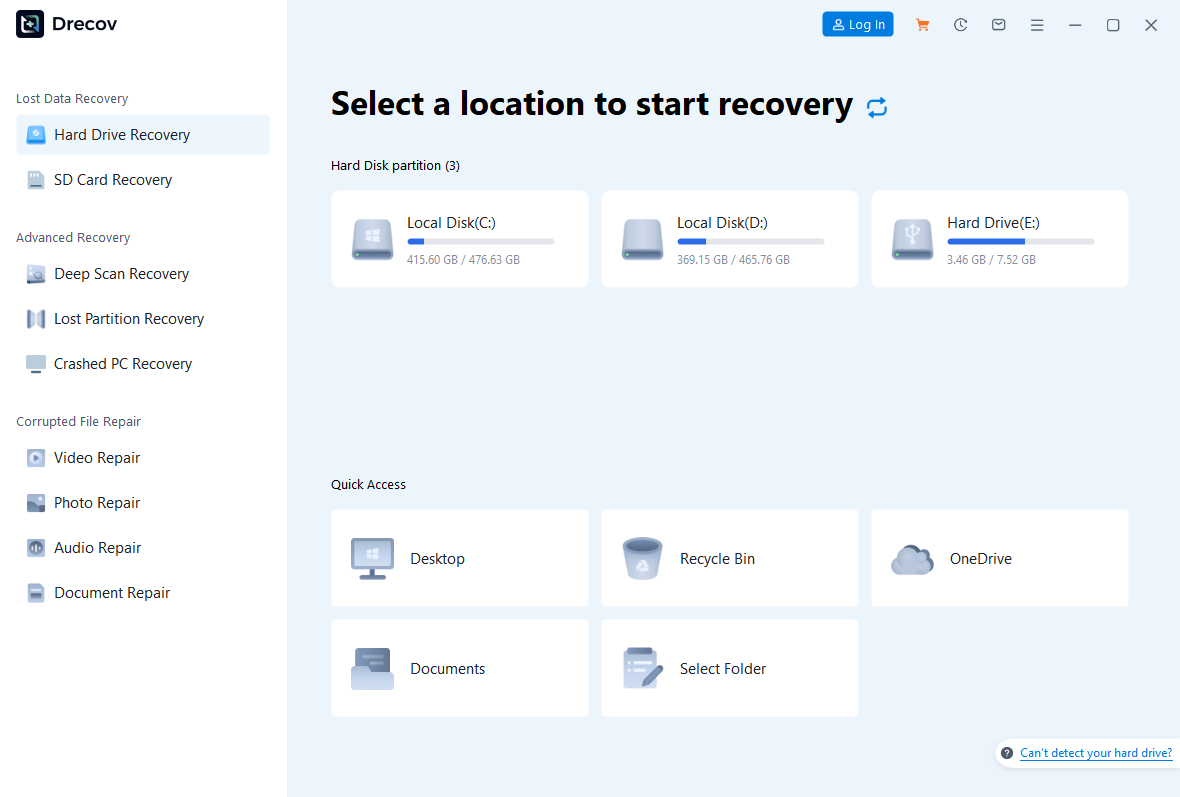
- Step 2: Launch and Select Drive. Click Scan. PandaOffice Drecov will start a quick scan, followed by a deep sector-level scan to find fragmented icon data.
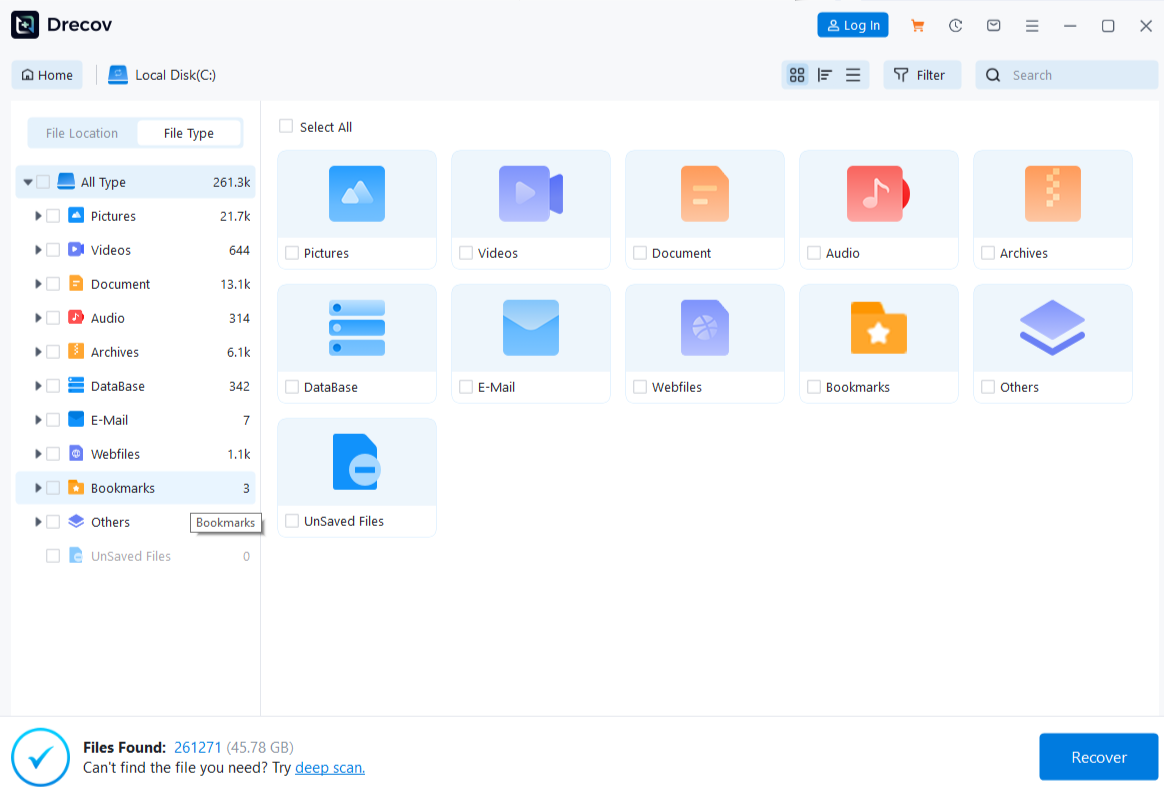
- Step 2: Filter by Extension. Once the scan is complete, use the Filter menu. Select “Pictures” or type
.icointo the search box.
- Step 3: Preview the Icons. One of the best features of PandaOffice Drecov data recovery software is the preview window. Click on an ICO file to see the image before recovering it.
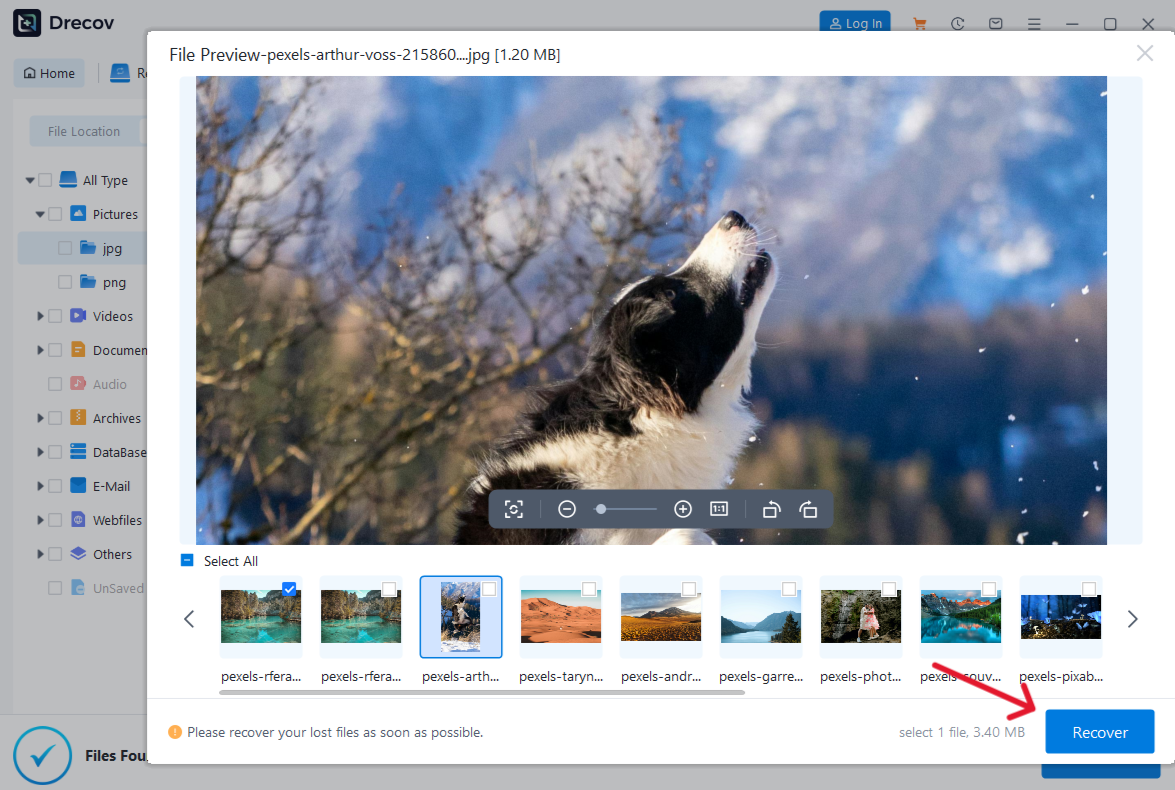
- Step 4: Recover. Select the files you need and click Recover. Choose a safe destination (like a cloud drive or external HDD) to save your restored icons.
After Recovery: Organizing Your Data
Once you have restored your files, you might want to ensure your system is properly configured so you don’t lose them again. Check out these internal resources for managing your digital environment:
- Find your Firefox bookmarks location to keep your web data safe.
- Fix LaCie hard drive issues on Mac if your external icon library isn’t showing up.
- Get your Google Chrome bookmarks back to restore your browser favicons and links.
How to Create and Convert ICO Files
If you have a PNG logo and want to turn it into an icon, you cannot simply rename the extension to .ico. You must convert it to ensure the icon directory is correctly built.
Using Online Converters
- Step 1: Visit a reputable site like ICOConvert.
- Step 2: Upload your PNG or JPG.
- Step 3: Select the sizes you want (e.g., 16×16, 32×32).
- Step 4: Download the resulting file.
Using Dedicated Icon Tools
For a professional touch, use software like IcoFX. This allows you to draw each resolution individually, ensuring that the 16×16 icon isn’t just a “shrunken” version of the 256×256 image, which can often look blurry.
Customizing Your Desktop with ICO Files
Now that you know what is a .ico file, here is how to use it to beautify your workspace:
- Step 1: Right-click any folder or shortcut and select Properties.
- Step 2: Click the Shortcut tab (for apps) or the Customize tab (for folders).
- Step 3: Click the Change Icon button.
- Step 4: Click Browse and navigate to your
.icofile. - Step 5: Select the icon, click OK, and then click Apply.
Common Problems with ICO Files
Even though the file type ico is robust, issues can arise:
- Icon Not Updating: Sometimes you change an icon, but the old one still shows. This is because of the Windows Icon Cache. You can fix this by deleting the
IconCache.dbfile located in%localappdata%. - Low Resolution: If an icon looks pixelated on a high-res screen, it’s because the creator didn’t include a 256×256 or 512×512 version in the container.
- Incompatibility: Some Linux or macOS systems might not display ICO files natively in their file managers, preferring
.icnsor.svg.
Frequently Asked Questions
What does ICO stand for?
ICO simply stands for Icon. It is the standard filename extension for computer icons in Microsoft Windows.
Can an ICO file contain a virus?
A pure ICO file is a static image container and cannot “execute” code. However, you should always be cautious. Sometimes malicious actors name a file picture.ico.exe to trick users. Always ensure your “File Name Extensions” are visible in Windows Explorer settings.
Is there a limit to how many images an ICO file can hold?
Technically, the directory structure allows for a large number, but practically, most icons hold between 4 and 10 versions to balance file size and compatibility.
Can I use ICO files on a Mac?
macOS uses the .icns format for its system icons. However, web browsers on Mac still use .ico for favicons, and most image editors on Mac can open and export them.
Conclusion
So, what is an ICO file? It is much more than a simple image; it is a vital part of the Windows user experience that combines multiple resolutions and transparency into a single, efficient package. From defining the look of your favorite apps to serving as the visual identity of websites in browser tabs, the what is ico file type remains a cornerstone of digital design.
Whether you are looking to create your own, open a file sent by a colleague, or use PandaOffice Drecov data recovery software to rescue a lost icon collection, you now have the expert knowledge to handle this format with ease. By following the best practices for resolution and transparency, you can ensure your digital environment looks professional, sharp, and personalized.






