







Understanding Loom Video Storage and Recovery
How Loom Videos Are Stored
Loom has become one of the most popular screen-recording and video-sharing platforms for businesses, educators, marketers, and remote teams. Users create and share videos quickly, making Loom an essential communication tool for many organizations.
A typical loom video may contain:
- Screen recordings
- Webcam footage
- Audio narration
- Presentations
- Tutorials
- Team updates
Depending on how users create their recordings, they may store video data in multiple locations. Loom typically stores the primary version in the user’s account, while users often save additional copies locally as exports or downloaded files.
Because of this storage structure, recovery opportunities often exist even after a video appears to be lost.
Many users panic when they accidentally delete important loom videos, but permanent loss is not always immediate. In many cases, deleted content may still exist in account recovery areas, local storage devices, backups, or exported archives.
Understanding where Loom stores data is the first step toward successful recovery.
When Loom Video Recovery Is Possible
The possibility of recovery depends largely on how the video was lost.
Recovery is often possible when:
- The video remains in Loom Trash
- A backup exists
- An exported copy was saved
- Local recordings remain on the device
- Storage sectors have not been overwritten
Recovery becomes more challenging when:
- Videos are permanently removed
- Local files are deleted and overwritten
- No backups exist
- Storage devices are damaged
Before starting a loom recover video process, users should determine the original storage location of the missing content.
A deleted cloud video and a deleted local export require completely different recovery approaches.
⚠️ Warning: Avoid creating new recordings on the same storage device immediately after discovering data loss. New files may overwrite recoverable video data.
Acting quickly greatly improves recovery success rates.
Common Causes of Loom Video Loss
Accidental Video Deletion
Human error remains the most common reason Loom videos disappear.
Busy teams often manage large libraries of recordings, making accidental deletion easy during routine maintenance.
Common scenarios include:
- Deleting the wrong recording
- Bulk video removal
- Workspace cleanup
- Folder reorganization
- Account administration mistakes
A single deleted project may contain valuable information, including training materials, client presentations, onboarding guides, or internal communications.
Many users discover that they need a recover deleted loom video solution shortly after accidentally deleting a recording, which is beneficial because they can often achieve better recovery results by taking action immediately.
Before attempting advanced recovery procedures, always verify whether the video still exists in Loom account recovery sections.
Workspace and Permission Changes
Sometimes videos appear missing even though they have not actually been deleted.
This frequently occurs when:
- Team ownership changes
- User permissions are modified
- Workspace memberships are removed
- Shared folders are relocated
- Administrative settings are updated
A recording may still exist but become inaccessible to a particular user.
Before attempting to loom recover deleted video content, verify:
- Workspace permissions
- Account ownership
- Shared folder access
- Team settings
- Archived project locations
Many apparent data-loss incidents are ultimately resolved by restoring access rights rather than recovering files.
Reviewing permissions should always be an early troubleshooting step.
Local Recording File Removal
Some Loom workflows involve downloading or exporting videos for offline storage.
These exported files may be stored on:
- Internal SSDs
- External drives
- NAS devices
- Cloud backups
- Project folders
Unfortunately, exported videos are vulnerable to accidental deletion.
Common causes include:
- Storage cleanup
- File organization mistakes
- Folder removal
- Synchronization conflicts
- Operating system errors
When both the Loom-hosted version and exported copy disappear, recovery efforts must focus on the storage device where the files originally existed.
In many situations, deleted exports remain recoverable until overwritten.
Device and Storage Failures
Hardware failures can also result in lost Loom recordings.
Potential causes include:
- SSD wear
- HDD damage
- File system corruption
- Power interruptions
- Controller failures
- Bad sectors
When a storage device becomes inaccessible, users may assume their exported videos are permanently lost.
Fortunately, deleted files often remain recoverable if the underlying storage media has not suffered catastrophic damage.
⚠️ Warning: Do not repeatedly attempt repairs on a failing drive. Creating additional stress may worsen the situation and reduce recovery opportunities.
Preserving the original data should always be the first priority.
How to Recover Deleted Loom Videos
Method 1: Check the Loom Trash Folder
Before attempting file recovery, the first place to investigate is the Loom account itself. Many deleted recordings are temporarily stored in a recovery area before being permanently removed.
Test Environment
- Loom Business Account
- Windows 11
- Google Chrome
- Recently Deleted Recording
Steps
- Sign in to your Loom account.
- Open the video management dashboard.
- Navigate to the Trash or Deleted section.
- Search for the missing recording.
- Select the desired video.
- Choose the Restore option.
- Verify that the video reappears in your library.
Many users searching for how to recover deleted Loom videos discover that the recording was never permanently removed. Instead, it remained available within the account’s recovery area.
You should also review:
- Archived folders
- Shared workspaces
- Team libraries
- Recently modified content
This method is fast, safe, and does not require access to local storage devices.
If the recording is not available in Trash, proceed to the next recovery option.
Method 2: Restore Loom Videos from Backups or Exports
Many users regularly download important recordings for backup purposes. If a Loom-hosted version is unavailable, an exported copy may still exist.
Test Environment
- Windows 10
- External SSD Backup
- Loom Video Export Archive
- OneDrive Synchronization Enabled
Steps
- Connect backup storage devices.
- Search for exported Loom recordings.
- Review project folders and archives.
- Check cloud storage services.
- Locate matching video files.
- Copy the recovered files to a secure location.
- Re-upload them if necessary.
Possible backup locations include:
- External SSDs
- NAS servers
- OneDrive
- Google Drive
- Dropbox
- Local archive folders
Many professionals create duplicate copies of important loom videos before sharing them with clients or team members.
Even if the original Loom entry has been removed, the exported version may provide a complete recovery solution.
⚠️ Warning: Always verify the integrity of recovered backup files before deleting older backup copies.
Method 3: Recover Deleted Loom Videos with PandaOffice Drecov
If both the Loom-hosted version and backup copies are unavailable, recovery software may help restore deleted video files from storage devices.
Test Environment
- Windows 11
- Deleted Loom Export Files
- NVMe SSD
- Recycle Bin Emptied
Steps
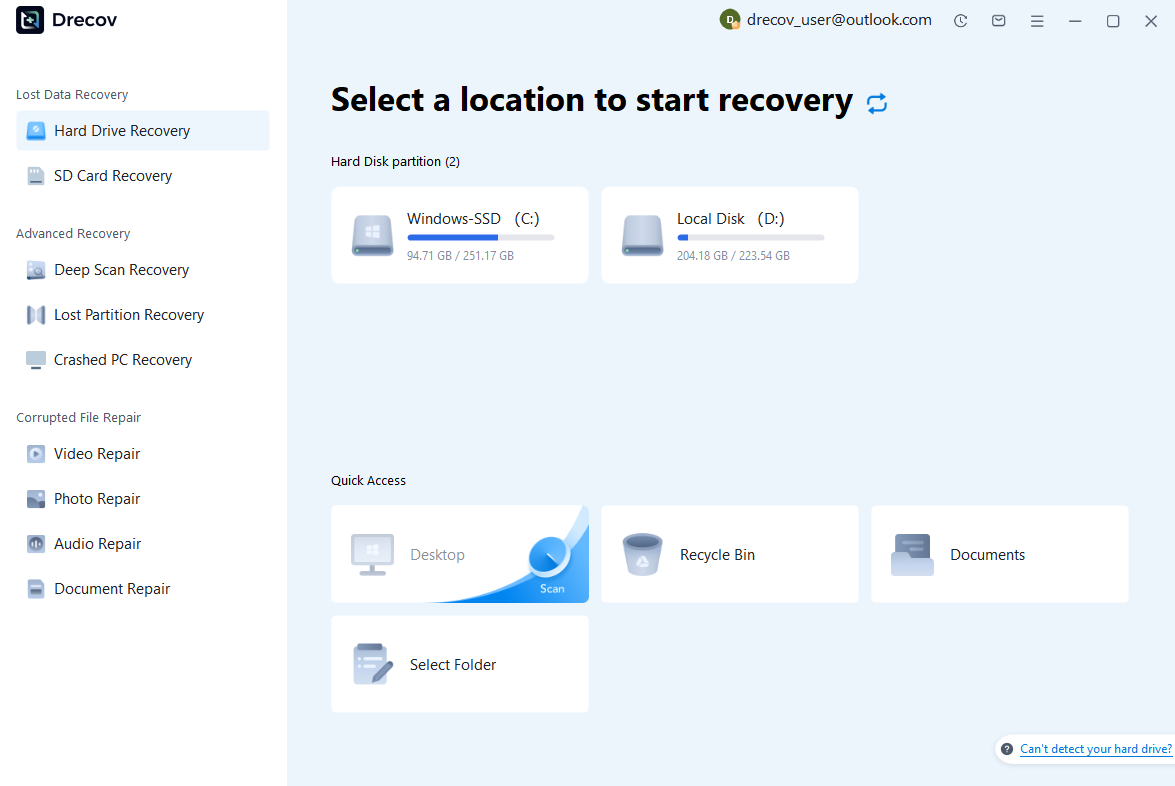
Step 1: Connect the Drive / USB)
Connect your device (SD card, HDD/SSD, or USB drive) to your computer and launch PandaOffice Drecov. Select the target device and start the scan. The software will perform a quick scan and deep scan to detect lost or deleted data.
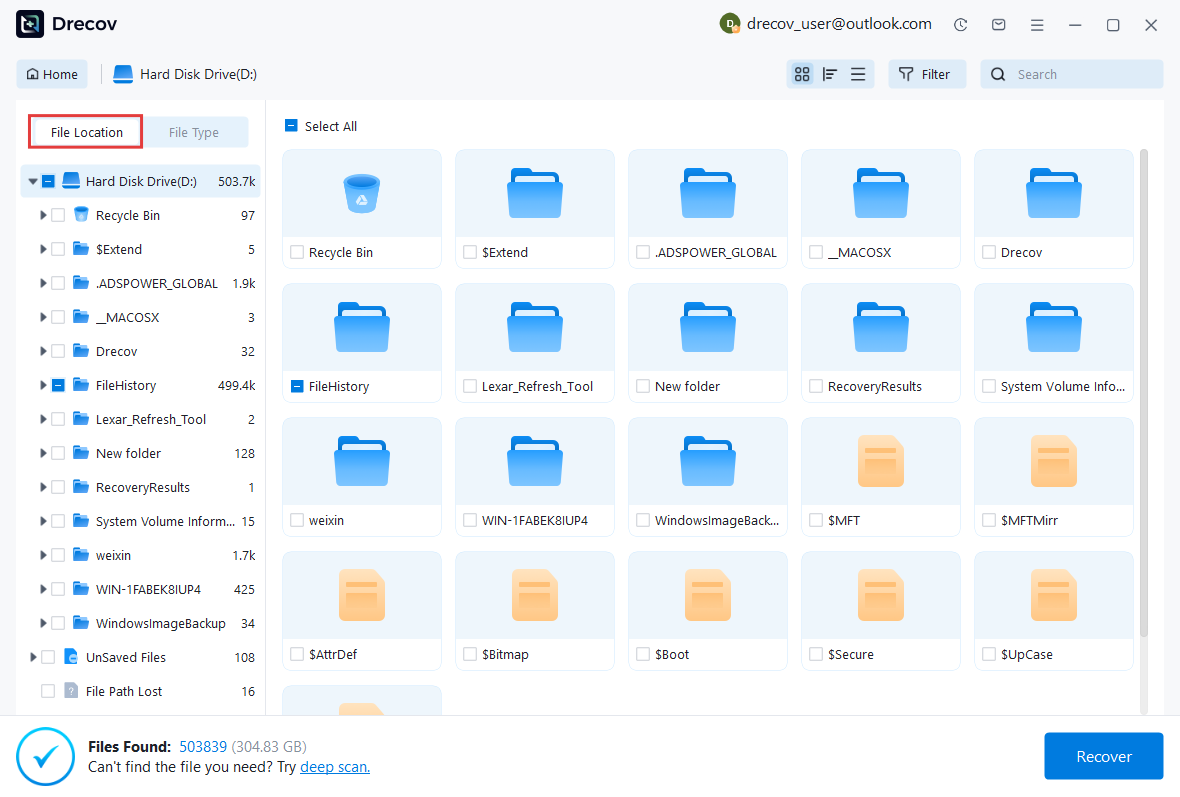
Step 2: Locate and Preview Lost Files
After scanning, browse the detected files and use the preview feature to check recoverable data. You can preview documents (Word, Excel, PDF), photos, and videos to ensure file integrity before recovery.
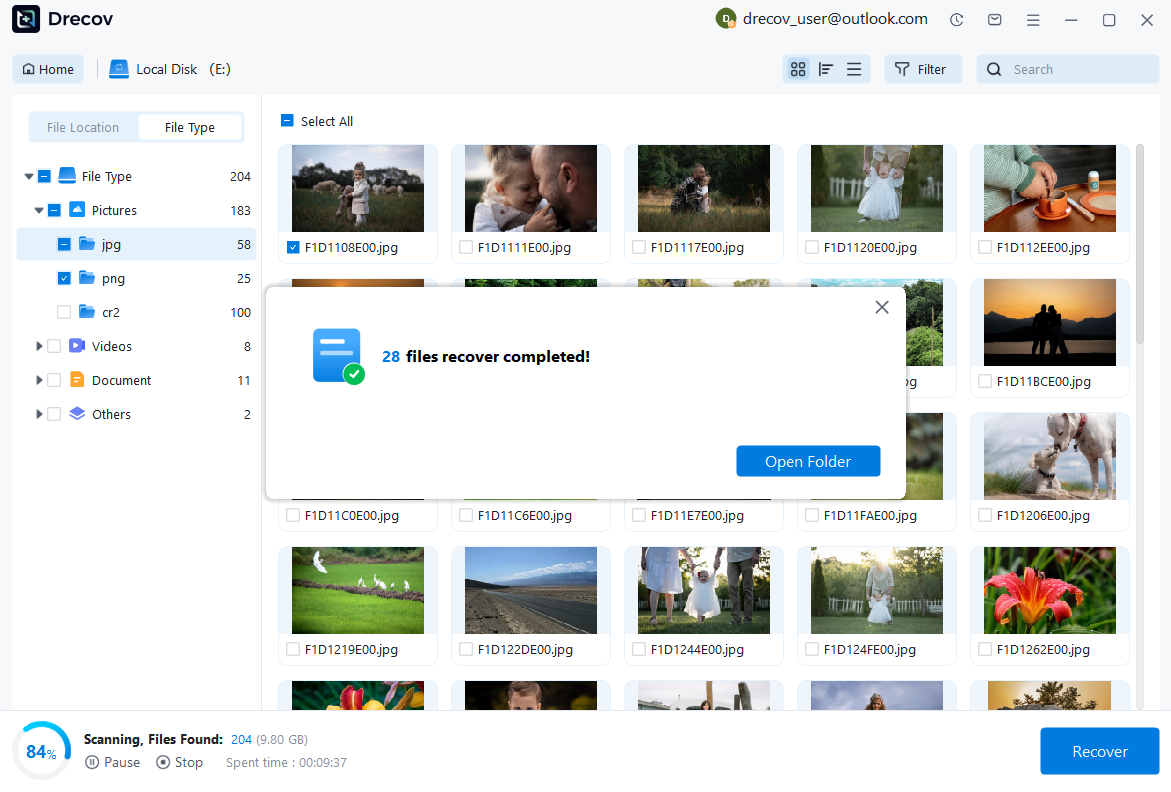
Step 3: Recover and Save to a New Location
Select the files you want to restore and click recover. Save all recovered data to a different drive or location (not the original device) to avoid overwriting lost data.
Why Choose PandaOffice Drecov Recovery Software?
PandaOffice Drecov offers a fast, secure, and user-friendly solution for recovering lost files across multiple scenarios. Whether you need email recovery, ZIP File Recovery, format data recovery, or help to recover deleted drafts Outlook, the software provides reliable recovery performance for both personal and business users.
PandaOffice Drecov supports recovery from formatted hard drives, SSDs, USB drives, SD cards, and external storage devices. Its advanced scanning engine can locate deleted archives, damaged ZIP files, lost Outlook drafts, and accidentally removed documents with high accuracy. For users searching for how to find deleted messages in Teams, PandaOffice Drecov can also help recover exported chat files, attachments, and related local cache data when available.
After recovery, test the file again. If the audio stream was damaged because of storage issues, a recovered version may play normally.
This method is particularly useful when only a few files exhibit audio problems while VLC works correctly with all other media.
This method can help users recover files from floppy disk storage after accidental deletion, formatting, or logical corruption.
PandaOffice Drecov can scan storage sectors directly and locate deleted exports that no longer appear in Windows File Explorer. This method is particularly useful when local Loom recordings have been removed permanently or lost after accidental deletion.
For users seeking loom recover deleted video solutions, recovering the exported file often allows them to restore access to important content without recreating the recording from scratch.
The success rate depends on how much new data has been written to the storage device after deletion.
Advanced Loom Recovery Techniques
Recovering Local Loom Recording Files
Some Loom recordings generate temporary or local files during the recording process.
Test Environment
- Windows 11 Workstation
- Loom Desktop Application
- Local Recording Enabled
- Deleted Recording Project
Recovery Process
- Search common recording folders.
- Review temporary directories.
- Check download locations.
- Inspect application cache folders.
- Recover available video files.
Potential locations include:
- Downloads folder
- Documents directory
- Temporary storage folders
- Application data folders
- Desktop exports
Users attempting loom recover video procedures often overlook local files that remain available even after cloud-based content disappears.
Searching these locations can sometimes provide immediate results without requiring advanced recovery techniques.
Restoring Videos After Formatting
Formatting a drive can remove Loom exports along with other important data.
Test Environment
- Quick-Formatted SSD
- Windows 11
- Loom Training Video Archive
- No New Files Written
Steps
- Stop using the formatted drive immediately.
- Disconnect unnecessary storage devices.
- Scan the affected drive.
- Search for video formats.
- Recover identified recordings.
- Save files to a separate location.
- Verify playback.
Quick formatting generally removes file references rather than immediately erasing underlying data.
As a result, many deleted Loom exports remain recoverable if no significant overwriting has occurred.
Users looking for recover deleted Loom video solutions after formatting should begin recovery as soon as possible.
The longer the drive remains in active use, the lower the probability of complete recovery.
Recovering Corrupted Loom Exports
Sometimes a recovered file exists but cannot be opened properly.
Corruption may result from:
- Interrupted downloads
- System crashes
- Drive failures
- Power outages
- Incomplete transfers
Test Environment
- Corrupted MP4 Export
- Windows 11
- Video Editing Software Installed
- Partial Playback Failure
Recovery Procedure
- Create a duplicate copy of the file.
- Test playback in multiple media players.
- Import the file into video editing software.
- Export any usable content.
- Verify recovered footage.
Even partially corrupted files may contain valuable information that can be extracted and preserved.
This approach is especially useful for training videos, tutorials, demonstrations, and recorded presentations.
⚠️ Warning: Always work on copies of corrupted files rather than modifying the original recovered version.
Frequently Asked Questions About Loom Recovery
Can Deleted Loom Videos Be Recovered?
Yes, in many cases deleted recordings can be recovered.
Potential recovery sources include:
- Loom Trash
- Team workspaces
- Exported backups
- Cloud storage services
- Local storage devices
The likelihood of success depends on how the video was deleted and whether backup copies exist.
How Long Does Loom Keep Deleted Videos?
Retention periods may vary depending on account plans, administrative settings, and platform updates.
Because policies can change over time, users should avoid relying solely on platform retention for important recordings.
Maintaining independent backups remains the safest strategy.
How to Recover Deleted Loom Videos Without a Backup?
If no backup exists, focus on recovering the original exported file from the storage device where it was saved.
Recommended steps include:
- Stop using the affected drive.
- Avoid saving new files.
- Perform a deep scan.
- Recover located recordings.
- Save recovered data elsewhere.
This process offers the highest chance of success when backup copies are unavailable.
Can Videos Be Recovered After Emptying the Recycle Bin?
Often, yes.
Emptying the Recycle Bin removes file references but does not immediately erase the underlying storage sectors.
Until those sectors are overwritten, recovery software may still be able to locate deleted content.
Prompt action significantly improves recovery results.
Final Thoughts
Loom recordings often contain valuable business communications, project updates, training sessions, customer demonstrations, and educational content. Losing these videos can be frustrating, especially when no obvious backup exists.
Fortunately, many recovery options remain available. Users should first examine the Loom Trash folder, account permissions, shared workspaces, and backup archives. If exported recordings have been deleted locally, storage-device recovery techniques may help restore the original files.
For more severe situations involving permanently deleted exports, formatted drives, or inaccessible storage devices, PandaOffice Drecov can help locate recoverable video files and restore them to a secure location.
Whether you need to recover deleted Loom video content, perform a loom recover video procedure, or learn how to recover deleted Loom videos, acting quickly and avoiding unnecessary storage activity will maximize the chances of successful recovery. A consistent backup strategy remains the best defense against future data loss.





