







Moving files in Windows often feels painfully slow, dragging down your productivity whether you are transferring videos, backing up documents, or organizing photos. If you want to optimize your workflow, learning how to move files quickly in windows without wait is essential. Fortunately, Windows offers several built-in ways to bypass sluggish progress bars and speed up transfers instantly.
Why File Transfers Are Slow in Windows
Before speeding things up, it helps to understand why Windows file transfers become slow in the first place. Many users blame Windows entirely, but the real bottleneck often comes from hardware limitations, storage fragmentation, antivirus scanning, or inefficient transfer methods. Understanding these factors makes it easier to implement the right solutions.
Common Causes of Slow File Transfers
| Cause | Impact |
| Old hard drives (HDDs) | Slow read/write speeds |
| USB 2.0 connections | Limited transfer bandwidth |
| Background programs | Reduced system resources |
| Antivirus scanning | Slower file processing |
| Fragmented drives | Delayed file access |
| Large numbers of small files | Increased transfer overhead |
According to the Intel Storage Performance Guide, Solid State Drives (SSDs) can transfer data several times faster than traditional Hard Disk Drives (HDDs) due to the absence of moving mechanical parts. Furthermore, small files are especially problematic. Moving one giant video file may actually finish faster than transferring thousands of tiny documents because each individual file requires separate indexing, creation, and processing operations. When you learn how to move files quickly in windows without wait, you learn how to overcome these specific systemic bottlenecks.
Use SSD Drives for Faster File Transfers
One of the biggest upgrades you can make is switching from a traditional HDD to a Solid State Drive (SSD). If you want to know how to move files quickly in windows without wait, upgrading your storage infrastructure is the most definitive physical solution.
HDD vs SSD Speed Comparison
| Storage Type | Average Speed |
| HDD | 80–160 MB/s |
| SATA SSD | 400–550 MB/s |
| NVMe SSD | 1,500–7,000 MB/s |
SSDs dramatically improve:
- File copy speed
- File movement speed
- Windows boot performance
- Application loading
- Multitasking
If you frequently move large files like videos, ISO files, modern video games, or extensive photo libraries, an SSD makes a massive difference. Microsoft officially recommends SSD storage for optimal Windows 11 performance because of its superior read/write capabilities. Imagine upgrading from a bicycle to a sports car; that is roughly the performance difference between an old HDD and a modern NVMe SSD.
Move Files Within the Same Drive Faster
Many people don’t realize that moving files within the same drive is already very fast because Windows usually changes only the file location index rather than physically rewriting all the data on the platters or flash cells.
For example, moving a folder from C:\Downloads to C:\Work is much quicker than moving files from drive C: to drive D:.
Why Same-Drive Transfers Are Faster
When executing a intra-drive move, Windows only updates:
- File pointers
- Directory references
- Metadata
Instead of rewriting every individual file block, the operating system simply changes the address pointing to the data. This means large folders can move almost instantly if they stay on the same physical drive. If you structure your storage intelligently, you can master how to move files quickly in windows without wait simply by keeping related projects within the same partition.
Use Keyboard Shortcuts Instead of Drag-and-Drop
Windows keyboard shortcuts help speed up file management significantly while reducing the strain on system resources. Dragging and dropping large amounts of data requires Windows to constantly track the mouse cursor position and update the visual interface, which can cause lag.
Useful File Transfer Shortcuts
| Shortcut | Action |
| Ctrl + X | Cut (Prepare to move) |
| Ctrl + C | Copy (Prepare to duplicate) |
| Ctrl + V | Paste (Execute move or duplicate) |
| Shift + Delete | Permanent delete (Bypass Recycle Bin) |
| Ctrl + A | Select all items in directory |
Using Ctrl + X followed by Ctrl + V often works more smoothly than drag-and-drop, especially with large folders. Keyboard shortcuts also reduce the risk of accidental duplicate copying or dropping a folder into the wrong directory by mistake.
Enable Fast USB Ports and Optimize Policies
USB transfer speed matters enormously when moving data to external drives. If you want to learn how to move files quickly in windows without wait, you must ensure your hardware interfaces are performing at their theoretical maximums.
USB Speed Comparison
| USB Version | Max Speed |
| USB 2.0 | 480 Mbps |
| USB 3.0 | 5 Gbps |
| USB 3.1 | 10 Gbps |
| USB-C Thunderbolt | Up to 40 Gbps |
Many users unknowingly plug fast external drives into slow, outdated USB 2.0 ports.
How to Identify USB 3.0 Ports
USB 3.0 ports are often:
- Blue inside the port housing
- Marked with an “SS” logo (SuperSpeed)
- Labeled directly as SuperSpeed on the motherboard IO shield
Using the correct port can reduce transfer times dramatically. According to Kingston Technology, USB 3.0 transfers can be up to 10 times faster than USB 2.0 under ideal conditions.
Additionally, you can change the hardware policy settings in Windows to enable write caching, which speeds up transfers significantly.
- Step 1: Press Windows Key + X and select Device Manager.
- Step 2: Expand the Disk drives category, right-click your external USB drive, and select Properties.
- Step 3: Navigate to the Policies tab, select Better performance, and check the box for Enable write caching on the device.
Warning Prompt: If you enable write caching, you must always use the “Safely Remove Hardware” option in the system tray before unplugging your drive. Failure to do so can result in severe data corruption.
Turn Off Real-Time Antivirus Scanning Temporarily
Antivirus software scans files during transfers, which can slow movement speeds significantly because the system must inspect the data structure before allowing the write operation to conclude.
Why Antivirus Slows Transfers
Every transferred file gets checked for:
- Malware and Ransomware signatures
- Viruses
- Suspicious scripting behavior
- Embedded macros
This extra security layer becomes especially noticeable when moving thousands of tiny files.
Important Warning
Only disable your antivirus temporarily if:
- You completely trust the origin of the files.
- The transfer source is completely safe (e.g., your own external drive).
- You reconnect protection immediately afterward.
Windows Security itself may consume massive transfer resources during large file operations, so turning it off for an hour can show you how to move files quickly in windows without wait.
How to Protect and Recover Data During Unexpected Transfer Failures Using PandaOffice Drecov Data Recovery Software
When trying to execute file transfers at maximum velocity, unexpected interruptions can sometimes occur. A sudden power outage, an accidental cable disconnection, or a system crash while cutting and pasting files can cause data to disappear into thin air. If a file is deleted from the source directory but not fully written to the destination directory, it can lead to catastrophic data loss.
If you ever encounter an interrupted transfer where files seem completely lost, you do not need to panic. You can easily get your files back by utilizing professional data recovery applications. The most effective way to resolve this issue is by using the PandaOffice Drecov data recovery software. This software is uniquely engineered to scan deep within drive partitions to piece together files that were corrupted or misplaced during high-speed transfer operations.
Warning Prompt: Do not download or install the software onto the exact same drive partition where the data loss occurred. For example, if you lost files on drive C:, install the recovery software onto drive D: or an external drive. Installing software on the target drive can overwrite the hidden data blocks of your lost files, making them permanently unrecoverable.
Step-by-Step Data Recovery Guide Using PandaOffice Drecov
To recover files that were compromised during an interrupted transfer, follow these highly structured steps carefully to maximize your chances of a successful restoration.
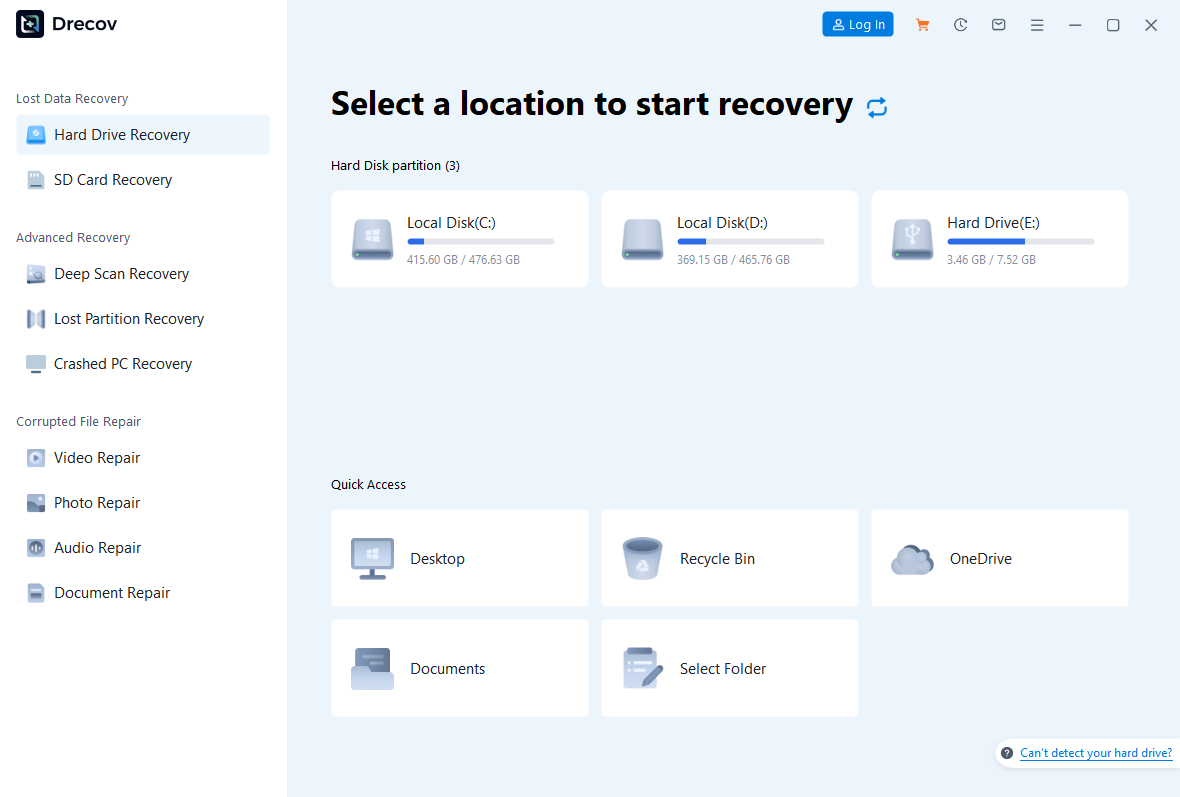
Step 1: Select the Target Drive for Scanning
Launch the software application. On the main user interface, you will see a comprehensive list of all connected storage devices, including internal SSDs, traditional HDDs, and external USB storage units. Select the specific drive partition where the files were originally located before the transfer failure occurred, and then click the Scan button.
Step 2: Allow the Deep Scan Process to Complete
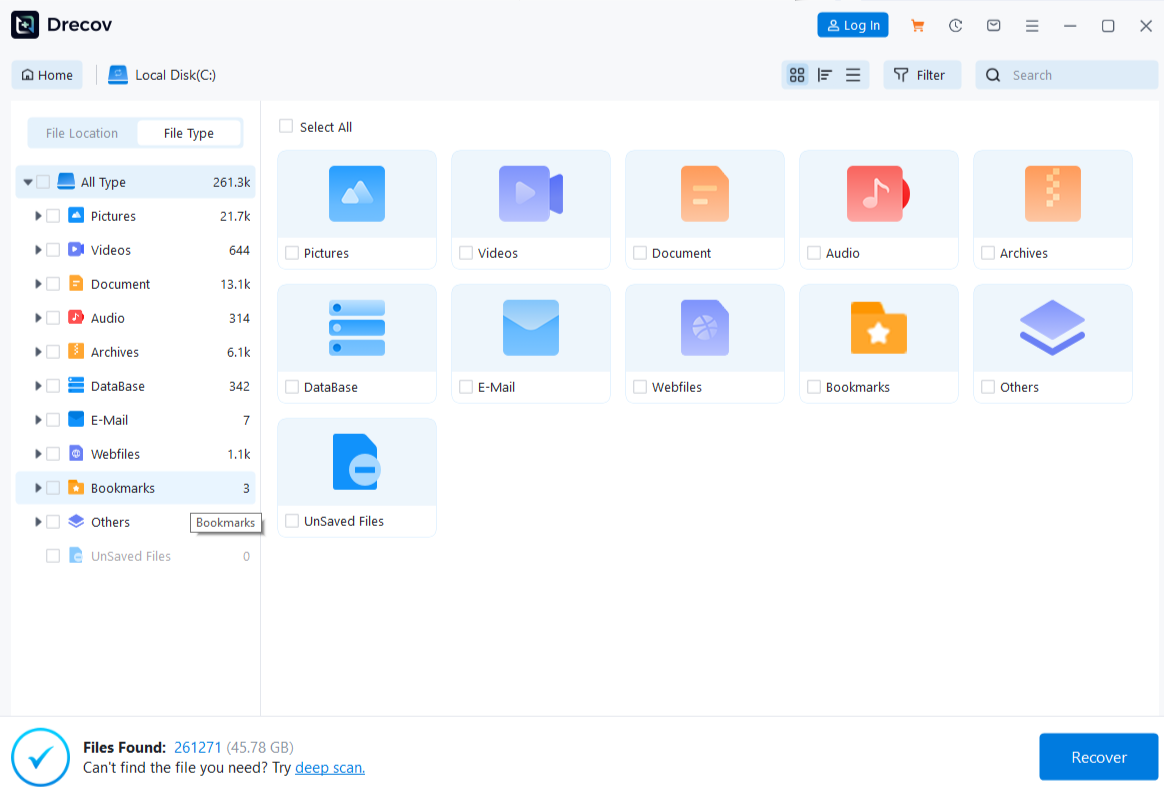
The software will automatically initiate a Quick Scan followed immediately by a comprehensive Deep Scan. The Deep Scan examines raw data structures to locate deleted file headers.
- Key Operation Point: Let the scan finish completely. While you can pause the scan if you see your files appear early, letting the process finish ensures that complex data blocks are correctly reconstructed. Keep your computer connected to a reliable power source throughout this operational phase.
Step 3: Preview and Filter Your Missing Files
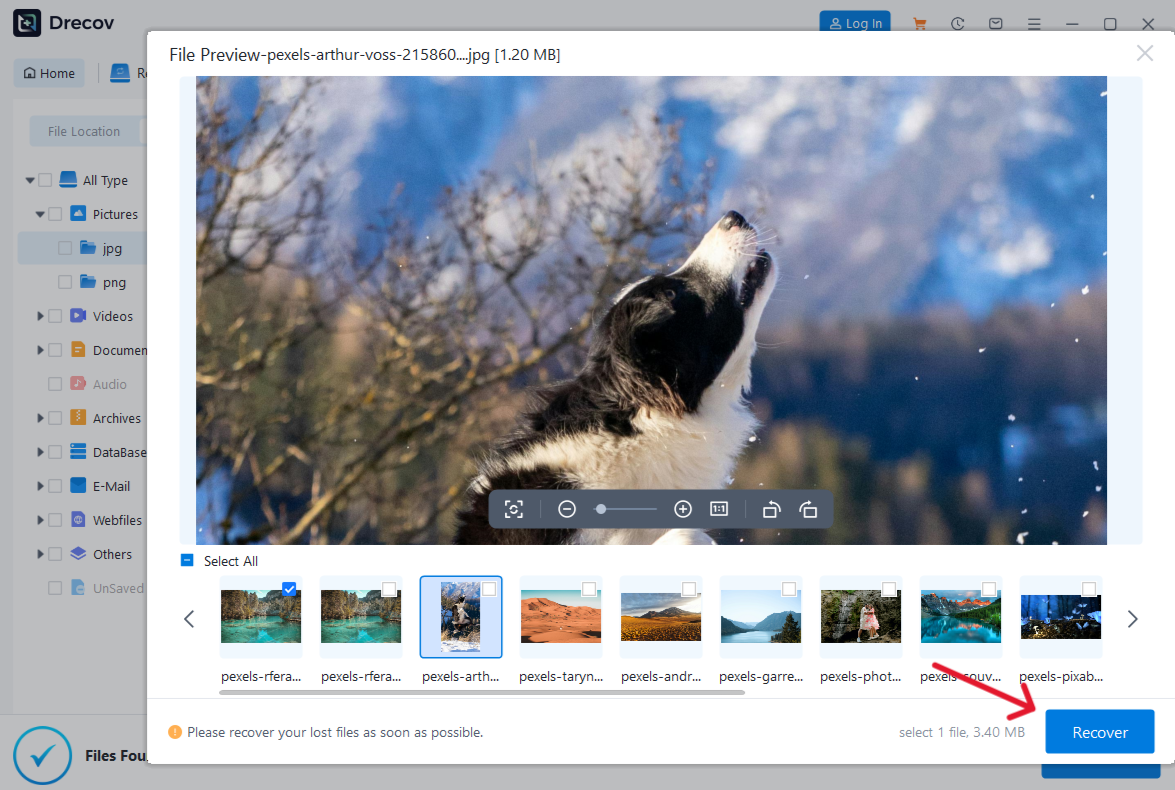
Once the scan concludes, use the built-in file filtering system to navigate the results. You can organize the found data by file type (such as .mp4, .docx, .jpg), file size, or original creation date. Double-click on any detected file to open a visual preview window. This allows you to verify that the file data is intact and functional before proceeding with restoration.
Step 4: Execute Data Recovery to a Safe Destination
Check the boxes next to the folders or files you wish to restore. Click the prominent Recover button located in the lower-right corner of the interface.
Warning Prompt: When selecting a directory to save your recovered files, you must choose a completely different drive than the one being scanned. If you are recovering data from an external USB drive, save the restored files directly onto your internal computer storage. This prevents data overwriting and ensures a flawless recovery process.
Helpful internal guides for system maintenance and profile recovery
To keep your Windows operating system performing at maximum efficiency and to ensure your valuable browser profiles are fully secured during unexpected system errors, consider reviewing our detailed technical resources below:
- Learn how to locate your browser profiles by checking where are Firefox bookmarks stored on your PC to keep your personal data safe during drive reorganizations.
- Protect your system configuration against catastrophic hardware failure by learning how to create a Windows 10 recovery disk complete step-by-step guide for absolute piece of mind.
- Recover lost browsing session data easily by finding out how to get your Google Chrome bookmarks back after an unexpected crash or operating system update.
Conclusion
Learning how to move files quickly in windows without wait can save you enormous amounts of time and eliminate daily digital frustrations. Slow transfers usually happen because of outdated storage devices, inefficient graphical user interface methods, background system activity, or limited hardware connection interfaces.
The ultimate data management strategy always combines fast storage hardware, efficient transfer tools, optimized Windows settings, and reduced background interference. Should anything go sideways during a high-speed transfer, dependable software solutions stand ready to repair the damage. Once these foundational improvements are properly implemented within your operating environment, your file transfers will become smoother, safer, and faster than ever before.






