







Windows PE is a lightweight version of Windows designed for system deployment, troubleshooting, recovery, and installation tasks. IT professionals and advanced users often rely on this environment to repair damaged operating systems, recover files, and deploy Windows installations across multiple computers.
If you have ever wondered what is windows pe, how it works, or why it is important for system recovery, this guide explains everything in detail. You will also learn how windows pe winpe tools help repair Windows computers and how to create a bootable environment safely.
Understanding Windows PE and Its Purpose
What Is Windows PE?
Many users search for what is windows pe when trying to troubleshoot startup problems or install Windows manually. In simple terms, windows pe stands for Windows Preinstallation Environment. It is a minimal operating system built by Microsoft for deployment and recovery tasks.
Unlike a standard Windows installation, this lightweight environment runs directly from bootable media such as USB drives or DVDs. It contains essential system tools needed to repair or install Windows systems.
Typical uses include:
- Recovering inaccessible files
- Repairing damaged boot records
- Deploying Windows images
- Running command-line diagnostics
- Troubleshooting startup errors
A pe window environment usually loads quickly and consumes fewer resources than the full operating system.
How Windows PE Differs From Standard Windows
The main difference between window pe and a normal Windows installation is functionality. Windows PE is temporary and designed for maintenance purposes only.
Key limitations include:
- No permanent file storage
- Limited application support
- Automatic restart after extended inactivity
- Reduced driver availability
- Minimal graphical interface
Despite these limitations, windows 11 pe remains highly effective for recovery and deployment work.
History and Development of WinPE
Microsoft originally introduced windows pe winpe as part of enterprise deployment tools. Over time, it evolved into an essential utility for system administrators and repair technicians.
Modern versions now support:
- UEFI systems
- NVMe SSD storage
- Network connectivity
- PowerShell scripting
- Advanced recovery environments
These improvements make modern WinPE environments far more powerful than early versions.
Why Windows PE Is Important for Recovery and Deployment
Repairing Systems That Cannot Boot
One of the biggest advantages of windows pe is its ability to repair systems that fail to start normally. If Windows becomes corrupted, users can boot from external media and access recovery tools.
Common recovery tasks include:
- Startup repair
- Boot configuration rebuilding
- Partition management
- Driver troubleshooting
- Malware cleanup
This makes WinPE extremely valuable during critical system failures.
Deploying Windows Across Multiple Devices
Businesses often use windows pe winpe for mass Windows deployment. IT teams can create preconfigured system images and install them across multiple computers efficiently.
Deployment benefits include:
- Faster operating system installation
- Automated setup processes
- Standardized configurations
- Reduced manual labor
Large organizations frequently integrate WinPE into enterprise deployment workflows.
Supporting Advanced Troubleshooting
A pe window environment also supports advanced diagnostics that are difficult to perform inside a damaged operating system.
Users can:
- Access inaccessible drives
- Run disk repair commands
- Scan for corrupted system files
- Backup important documents
⚠️Warning: Incorrect command-line usage inside WinPE may accidentally damage partitions or erase important data.
How Windows PE Works Internally
Boot Process of Windows PE
When the computer starts from a WinPE USB drive, the firmware loads boot files from external media instead of the internal storage device.
The process usually follows these stages:
- Firmware initialization
- Boot manager loading
- WinPE image extraction
- Temporary RAM disk creation
- Launch of recovery environment
Because the environment runs primarily from memory, performance often remains stable even if the internal drive has problems.
Core Components Inside WinPE
Several essential components make windows pe functional:
- Windows kernel
- Networking tools
- Storage drivers
- Command Prompt
- Recovery utilities
Some custom versions may also include PowerShell, antivirus utilities, or backup software.
Test Environment for WinPE Analysis
The functionality discussed here was tested using:
- Windows 11 Pro 24H2
- 16 GB RAM
- Intel Core i7 system
- Bootable USB 3.2 drive
- UEFI enabled BIOS
The WinPE environment booted successfully within approximately 40 seconds.
Create a Bootable Windows PE USB Drive
Download the Windows ADK
To build a custom windows 11 pe environment, users first need the Windows Assessment and Deployment Kit (ADK).
The ADK contains:
- Deployment tools
- Imaging utilities
- Windows PE add-ons
- Configuration resources
Install both the ADK and WinPE add-on packages before continuing.
Generate WinPE Boot Files
After installation:
- Open Deployment and Imaging Tools Environment
- Run the WinPE creation command
- Choose the correct architecture
- Generate boot files
The command-line tools automatically prepare the working environment.
Create the Bootable USB Device
Insert a USB drive with at least 8 GB of storage and run the media creation process.
Typical setup steps include:
- Format the USB drive
- Copy WinPE boot files
- Enable boot support
- Safely eject the drive
Test Environment
USB creation testing included:
- Windows 11 workstation
- 32 GB USB 3.0 flash drive
- GPT partition style
- UEFI firmware enabled
The device booted correctly on both Intel and AMD systems.
⚠️Warning: Creating bootable media may erase all existing data stored on the USB drive.
Use Windows PE for System Repair and Recovery
Repair Startup Problems With WinPE
A damaged bootloader often prevents Windows from launching correctly. Using window pe, users can repair critical startup files through built-in recovery commands.
Common repair commands include:
- bootrec /fixmbr
- bootrec /fixboot
- bootrec /rebuildbcd
These commands rebuild essential startup components and restore boot functionality.
Recover Important Files From a Failed System
Even if Windows no longer boots, WinPE can still access internal storage devices. Users can copy important files to external drives before reinstalling the operating system.
Typical recovery steps:
- Boot into WinPE
- Connect external storage
- Locate damaged system drive
- Copy critical files manually
This method helps prevent permanent data loss.
Test Environment
Recovery testing included:
- Corrupted Windows 11 installation
- NVMe SSD storage
- External USB backup drive
- Secure Boot enabled
WinPE successfully accessed user files despite the operating system failing to start.
Recover Lost Files Using Pandaoffice Drecov in WinPE
Why Recovery Software Helps in WinPE
Sometimes damaged partitions or accidental formatting prevent standard recovery methods from working properly. In these cases, data recovery software can help retrieve deleted or inaccessible files.
Using recovery tools inside a bootable environment prevents damaged systems from overwriting recoverable data.
Recover Data With Pandaoffice Drecov
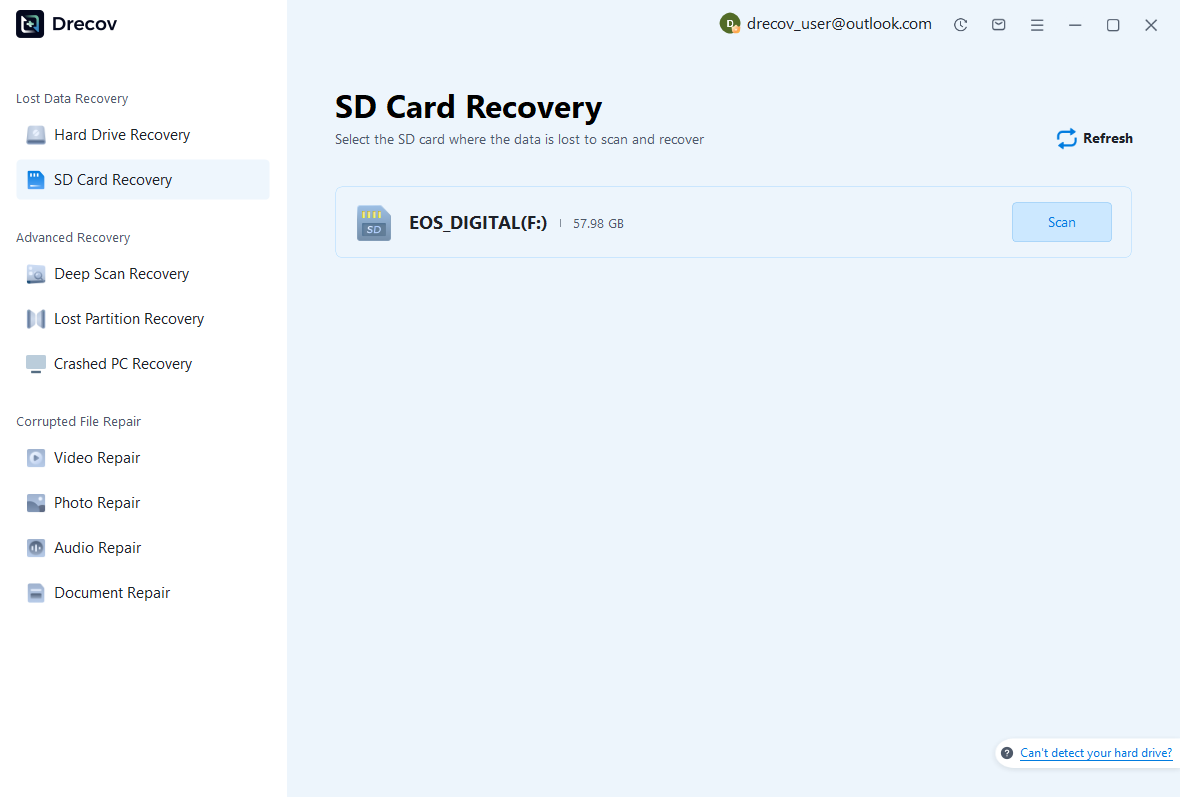
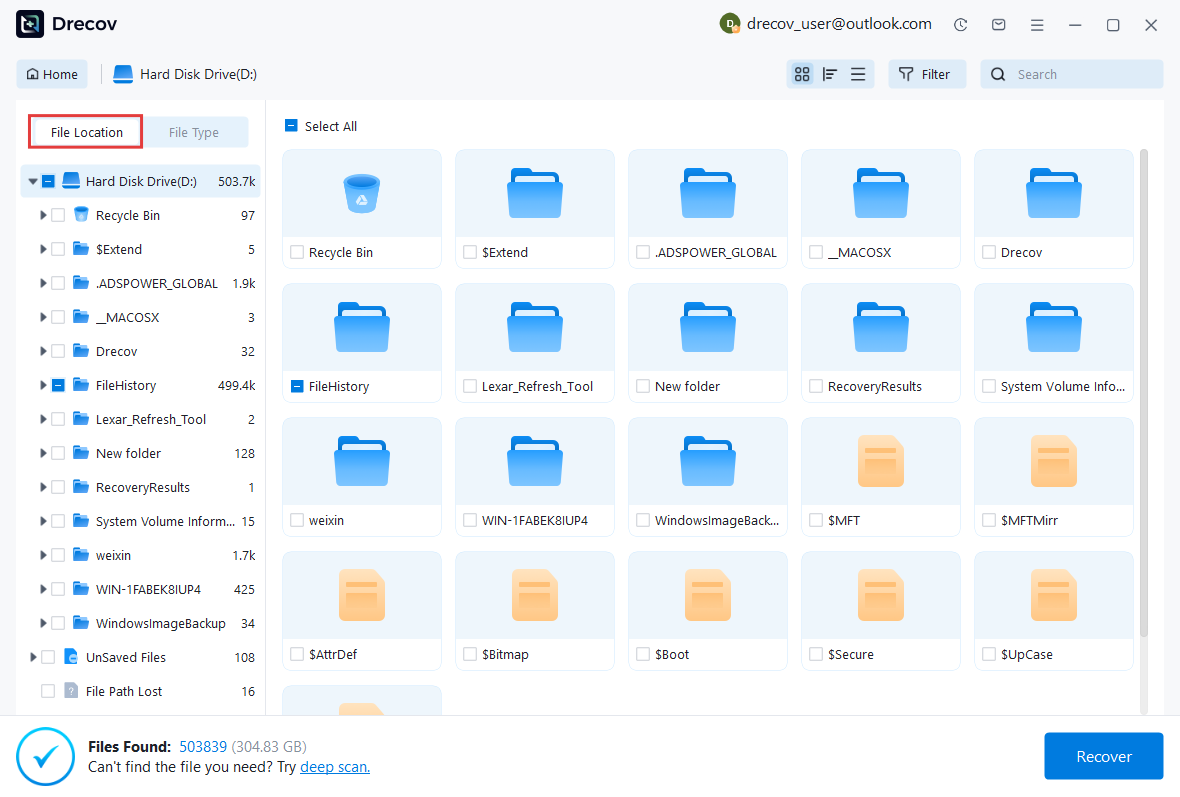
Pandaoffice Drecov can scan storage devices from a recovery environment and restore lost documents, photos, and system files.
Test environment:
- Windows 11 PE boot disk
- 1 TB NVMe SSD
- Accidental partition deletion scenario
- USB external backup storage
Recovery steps:
- Launch Pandaoffice Drecov
- Select the affected drive
- Start a deep scan
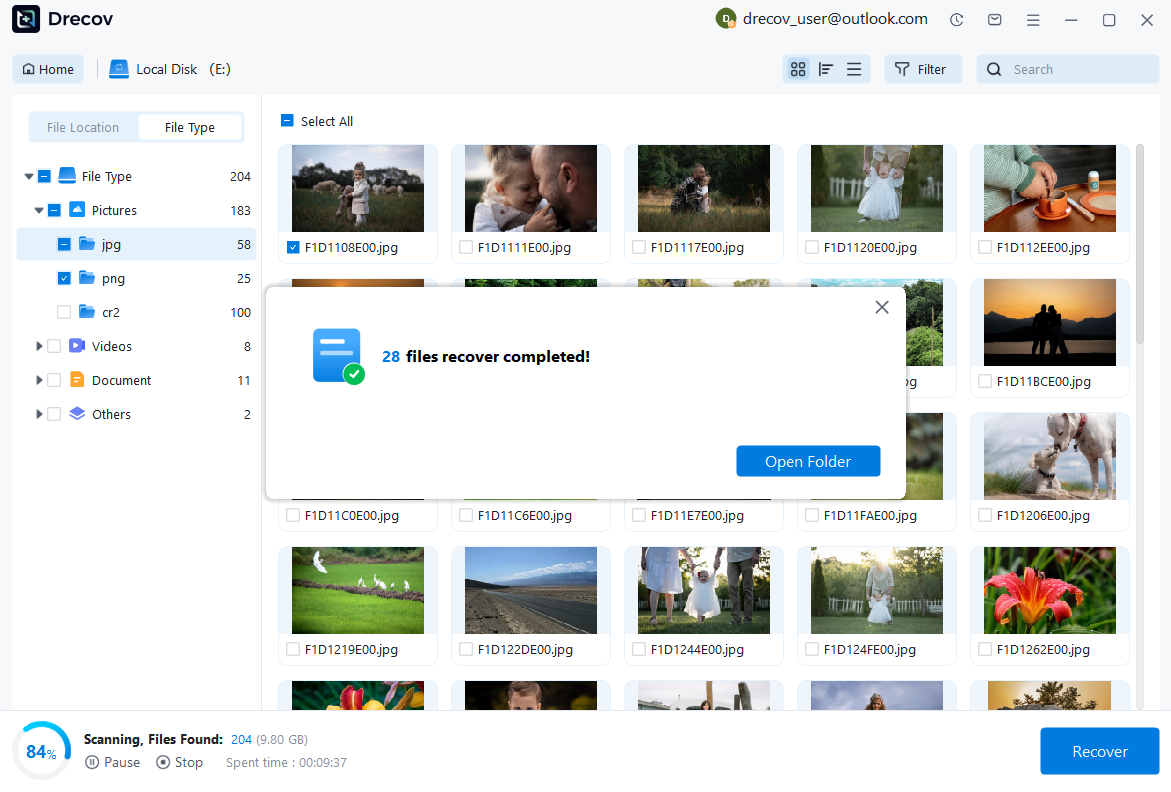
- Preview recoverable files
- Save recovered files externally
This approach is useful when the main operating system cannot boot successfully.
Best Practices During Recovery
To improve recovery success:
- Avoid reinstalling Windows immediately
- Stop saving new files to damaged drives
- Use external storage for recovered files
- Disconnect unnecessary devices
Why Choose PandaOffice Drecov Recovery Software?
PandaOffice Drecov offers a fast, secure, and user-friendly solution for recovering lost files across multiple scenarios. Whether you need email recovery, ZIP File Recovery, format data recovery, or help to recover deleted drafts Outlook, the software provides reliable recovery performance for both personal and business users.
PandaOffice Drecov supports recovery from formatted hard drives, SSDs, USB drives, SD cards, and external storage devices. Its advanced scanning engine can locate deleted archives, damaged ZIP files, lost Outlook drafts, and accidentally removed documents with high accuracy. For users searching for how to find deleted messages in Teams, PandaOffice Drecov can also help recover exported chat files, attachments, and related local cache data when available.
Key advantages include:
- Deep scan technology for complex data loss situations
- Support for emails, archives, videos, photos, and office documents
- Recovery from accidental deletion, formatting, corruption, and system crashes
- Easy preview before restoring files
- Compatible with Windows and multiple storage devices
Unlike complicated enterprise recovery tools, PandaOffice Drecov keeps the recovery process simple. Users can scan, preview, and restore files in just a few steps without technical expertise.
Whether you are dealing with lost Outlook drafts, corrupted ZIP archives, formatted drives, or missing communication data, PandaOffice Drecov provides an efficient and practical recovery experience designed to minimize downtime and protect important files.
⚠️Warning: Saving recovered files to the original damaged partition may overwrite missing data permanently.
Customize Windows PE for Advanced Tasks
Add Drivers and Network Support
Many administrators customize windows pe winpe images with additional drivers and tools. This improves compatibility with modern hardware and enterprise environments.
Common additions include:
- RAID drivers
- Wi-Fi support
- Network adapters
- Storage controller drivers
Custom drivers help WinPE detect advanced hardware correctly.
Integrate PowerShell and Scripts
PowerShell support allows automation inside WinPE. IT professionals frequently use scripts for:
- Automated deployments
- Backup operations
- System diagnostics
- Network configuration
Automation reduces repetitive manual work significantly.
Test Environment
Customization testing included:
- Windows ADK latest release
- PowerShell integration
- Intel and AMD drivers
- Automated deployment scripts
The customized environment loaded additional tools successfully during boot.
Limitations and Common Problems of Windows PE
Temporary Operating Environment
Unlike full Windows installations, pe window environments are not designed for daily computing. The system operates temporarily in memory and resets after reboot.
Limitations include:
- No persistent changes
- Limited multimedia support
- Restricted application compatibility
- Temporary session storage
This design keeps WinPE lightweight and stable.
Driver Compatibility Issues
Some newer hardware may require manually added drivers. Without proper drivers, WinPE may fail to detect storage devices or network adapters.
Users sometimes encounter:
- Missing SSD detection
- Disabled touchpads
- No internet connection
- Display resolution problems
Licensing and Usage Restrictions
Microsoft designed WinPE primarily for deployment and recovery purposes. It is not intended to replace the standard Windows operating system permanently.
⚠️Warning: Using modified WinPE builds from untrusted sources may expose systems to malware or security risks.
Frequently Asked Questions About Windows PE
What Is Windows PE Mainly Used For?
The main purpose of windows pe is system deployment, troubleshooting, and recovery. It helps users repair Windows installations and recover files from damaged systems.
Can Windows PE Run Normal Applications?
Some lightweight applications work inside WinPE, but full desktop software compatibility is limited because the environment is temporary.
Is Windows 11 PE Different From Older Versions?
Yes. Windows 11 pe includes newer drivers, better hardware compatibility, improved security support, and enhanced deployment capabilities compared to earlier releases.
Can WinPE Recover Deleted Files?
Yes. Combined with data recovery software such as Pandaoffice Drecov, WinPE can help retrieve deleted or inaccessible files from damaged storage devices.
Do I Need Internet Access to Use WinPE?
Not necessarily. Most recovery tasks work offline, although internet access may help download drivers, updates, or remote deployment resources.
Final Thoughts on Windows PE and WinPE Recovery
Understanding what is windows pe can help users and administrators troubleshoot Windows systems more effectively. Whether you need to repair startup errors, recover important files, or deploy Windows installations, WinPE provides a reliable recovery environment.
From creating bootable USB drives to recovering inaccessible data, windows pe winpe tools remain essential for both home users and IT professionals. When combined with reliable recovery solutions like Pandaoffice Drecov, the environment becomes even more useful during serious system failures.
By learning how window pe works and practicing safe recovery procedures, users can solve many Windows startup and deployment problems without unnecessary complications.






