







Twitch has become one of the world’s most popular live-streaming platforms, attracting millions of viewers every day. Whether you’re watching esports tournaments, gaming content, music performances, or live discussions, smooth playback is essential for an enjoyable experience. Unfortunately, many users encounter issues such as twitch buffers, twitch stutters, or discover that a twitch stream is laggy even when their internet connection appears fast enough.
Streaming interruptions can occur for many reasons. Sometimes the issue originates from local network instability, while in other cases browser settings, hardware conflicts, or Twitch server congestion may be responsible. Users frequently report twitch tv buffering, twitch tv stuttering, or situations where twitch is lagging on chrome but works normally in another browser.
This guide explores the most common causes behind Twitch performance problems and provides practical troubleshooting methods to help restore stable playback. By understanding what triggers buffering and lag, you can identify the right solution instead of relying on trial and error.
Understanding Why Twitch Streams Lag, Buffer, or Stutter
How Twitch Streaming Technology Works
Unlike traditional video platforms that rely heavily on preloaded content, Twitch delivers live video in real time. The platform uses adaptive bitrate streaming technology, which automatically adjusts video quality based on available bandwidth and device performance.
When network conditions are stable, Twitch can stream high-definition video without interruptions. However, if bandwidth fluctuates or packet loss occurs, the stream may pause temporarily while additional video data loads. This often creates the impression that twitch streaming lagging is caused by the platform itself when the actual issue lies elsewhere.
Live streaming is inherently more sensitive than watching pre-recorded content. Services such as YouTube can preload large portions of a video in advance, but Twitch must continuously deliver fresh content with minimal delay. Even a brief interruption in communication between your device and Twitch servers can result in playback problems.
As a result, users may experience temporary freezing, delayed audio, reduced video quality, or repeated buffering despite having an otherwise fast internet connection.
Common Symptoms of Twitch Performance Problems
Not all Twitch issues look the same. Recognizing the symptoms can help narrow down potential causes and speed up troubleshooting.
Some users notice constant loading circles, while others experience random pauses followed by sudden jumps in playback. In more severe cases, the stream may become completely unwatchable.
Common signs include:
- Frequent buffering screens
- Video freezing every few seconds
- Sudden drops in stream quality
- Delayed or distorted audio
- Browser slowdowns during playback
- Increased CPU or memory usage
- Unexpected stream disconnections
Many viewers report that twitch stream is lagging only during specific broadcasts or at particular times of day. Others find that twitch glitching occurs consistently regardless of which channel they watch.
⚠️ Warning: A high download speed alone does not guarantee smooth Twitch performance. Network stability and latency are often equally important.
Why Twitch Problems Vary Between Devices
A Twitch stream may run perfectly on one device while performing poorly on another. This happens because streaming quality depends on more than just internet speed.
Desktop computers rely on browsers, graphics drivers, memory resources, and operating system settings. Mobile devices introduce additional variables such as wireless signal strength, battery optimization features, and app compatibility.
For example, many users report that twitch is lagging on chrome while Twitch works normally in Firefox, Edge, or the mobile application. Browser-specific settings, hardware acceleration, and installed extensions can all influence playback quality.
Similarly, an older computer may struggle to decode high-resolution video streams efficiently even when connected to a fast network. Understanding these device-specific factors helps eliminate unnecessary troubleshooting steps and focus on the most likely causes.
What Causes Twitch Buffering and Stuttering Issues
Slow or Unstable Internet Connections
Internet connectivity remains one of the most common causes of streaming interruptions. Twitch requires a stable connection to deliver continuous video without pauses.
While many users focus exclusively on download speed, stability often matters more. A connection capable of 200 Mbps can still experience severe buffering if packet loss or latency spikes occur frequently.
Several factors may contribute to instability:
- Weak Wi-Fi signals
- Router congestion
- ISP routing problems
- Network interference
- Excessive latency
- Packet loss between servers
When multiple devices share the same network, bandwidth consumption can increase dramatically. Online gaming, cloud backups, software updates, and video conferencing applications can all reduce available resources for Twitch streaming.
As a result, viewers may notice twitch buffers repeatedly during periods of heavy network activity.
Browser-Related Issues and Chrome Compatibility Problems
Browsers play a critical role in Twitch performance. A browser that is overloaded with cached files, outdated components, or conflicting extensions can significantly impact streaming quality.
Chrome users are particularly likely to encounter situations where twitch lagging on chrome becomes noticeable after months of regular use. Temporary files accumulate over time, extensions compete for resources, and browser settings may become inefficient.
Common browser-related causes include:
- Corrupted cache files
- Excessive cookies
- Outdated browser versions
- Extension conflicts
- Memory leaks
- Faulty hardware acceleration settings
Test Environment
- Windows 11 Pro 24H2
- Google Chrome Latest Stable Version
- Intel Core i7 Processor
- 16GB RAM
- 500 Mbps Fiber Internet
Under this configuration, clearing browser data and disabling unnecessary extensions often improves stream stability significantly.
Hardware Acceleration and Graphics Processing Conflicts
Modern browsers use hardware acceleration to improve video playback performance. Instead of relying entirely on the CPU, the browser delegates certain tasks to the graphics card.
Although hardware acceleration generally improves efficiency, compatibility problems can occasionally create the opposite effect. Some graphics drivers struggle with specific browser versions, leading to playback interruptions.
Potential symptoms include:
- Screen flickering
- Stream freezing
- Increased CPU usage
- Video rendering delays
- Audio synchronization issues
In these situations, users often report that twitch stutters despite having excellent network performance.
Because graphics driver updates are released frequently, hardware acceleration issues may appear unexpectedly after a browser or driver update.
⚠️ Warning: Updating a graphics driver can occasionally introduce new compatibility issues. Create a restore point before making major system changes.
Twitch Server Congestion and Regional Traffic Spikes
Not every streaming problem originates from the viewer’s device. Twitch infrastructure occasionally experiences increased demand during major events.
Large esports tournaments, celebrity streams, and platform-wide promotions can generate extraordinary traffic volumes. During these periods, viewers may encounter:
- Increased buffering
- Longer loading times
- Temporary quality reductions
- Higher stream latency
Regional server congestion can also affect specific geographic areas while leaving other locations unaffected. This is one reason some users report twitch tv buffering while others experience no issues at all.
If multiple viewers report similar problems simultaneously, the issue may be related to Twitch infrastructure rather than your local setup.
Background Applications Consuming System Resources
Many applications continue running in the background without obvious signs of activity. These programs can consume bandwidth, memory, storage resources, or processing power that Twitch relies upon.
Examples include:
- Cloud synchronization software
- Automatic operating system updates
- Game launchers
- Backup utilities
- Torrent applications
- Video conferencing tools
Even when bandwidth usage appears low, background processes may generate enough network activity to interfere with real-time streaming.
Additionally, applications competing for CPU or RAM resources can cause browsers to become less responsive. This may result in twitch tv stuttering, reduced frame rates, or delayed playback controls.
Monitoring resource usage can reveal hidden bottlenecks that are otherwise difficult to identify. Before making extensive configuration changes, it is worth checking whether another application is consuming system resources unexpectedly.
How to Fix Twitch Buffering and Twitch Stream Lagging
Method 1: Check Your Internet Speed and Network Stability
The first troubleshooting step is verifying that your network connection is both fast and stable. While speed tests provide useful information, they should not be the only measurement.
Test Environment
- Windows 11 Desktop
- Gigabit Router
- Fiber Internet Connection
- Twitch 1080p Stream
Steps:
- Run a reliable speed test.
- Check latency and packet loss values.
- Restart your modem and router.
- Move closer to the wireless access point if using Wi-Fi.
- Disconnect unused devices from the network.
- Test Twitch again after reconnecting.
If performance improves after restarting networking equipment, temporary routing or congestion issues were likely contributing to the problem.
In many cases where twitch stream is laggy, improving network stability alone resolves the issue without requiring additional changes.
Method 2: Lower Twitch Stream Quality Settings
Even if your internet connection is relatively fast, high-resolution streams can still overwhelm your network during periods of instability. Twitch automatically attempts to provide the highest quality available, which may not always be the most reliable option.
Reducing stream quality decreases bandwidth requirements and can significantly improve playback consistency.
Test Environment
- Windows 11 Pro
- Google Chrome Latest Version
- 100 Mbps Home Internet
- Twitch Partner Stream at 1080p60
Steps:
- Open the Twitch stream experiencing issues.
- Click the Settings icon on the video player.
- Select Quality.
- Change from Auto to a lower resolution such as 720p or 480p.
- Continue watching for several minutes.
- Gradually increase quality if playback becomes stable.
Many users experiencing twitch stream is lagging discover that lowering quality immediately eliminates interruptions. This is especially useful when watching streams over Wi-Fi networks or during peak internet usage hours.
If the issue disappears at lower resolutions but returns at 1080p, bandwidth fluctuations may be the primary cause.
Method 3: Clear Browser Cache and Cookies
Browsers store temporary files to improve website loading times. Over time, these files can become outdated or corrupted, causing performance issues when accessing streaming services.
Accumulated browser data is a common reason users report twitch glitching or playback instability on websites that previously worked perfectly.
Test Environment
- Google Chrome
- Windows 11
- Twitch Web Player
Steps:
- Open Chrome Settings.
- Navigate to Privacy and Security.
- Select Clear Browsing Data.
- Choose Cached Images and Files.
- Select Cookies and Site Data.
- Clear the selected items.
- Restart Chrome completely.
- Open Twitch and test playback again.
Clearing browser data removes potentially corrupted files that may interfere with video delivery. It can also resolve account-related synchronization problems and loading errors.
⚠️ Warning: Clearing cookies may sign you out of websites and require you to log in again.
Method 4: Disable Hardware Acceleration
Hardware acceleration is designed to improve browser performance by offloading video processing tasks to the graphics card. However, compatibility conflicts between browsers and GPU drivers occasionally create playback issues.
When this occurs, users often notice twitch stutters, screen flickering, or random stream freezing.
Test Environment
- Windows 11
- NVIDIA RTX Graphics Card
- Google Chrome
- Twitch Web Player
Steps:
- Open Chrome Settings.
- Navigate to System Settings.
- Locate Hardware Acceleration.
- Disable the feature.
- Restart the browser.
- Launch Twitch and monitor performance.
If playback becomes smoother after disabling hardware acceleration, the issue may involve graphics driver compatibility.
Users who experience twitch lagging on chrome frequently report noticeable improvements after completing this adjustment.
Method 5: Update or Switch Your Browser
Outdated browsers may contain bugs that affect video decoding, streaming performance, or compatibility with Twitch’s latest technologies.
Regular browser updates often include security patches, memory optimizations, and streaming-related improvements.
Test Environment
- Windows 11 Desktop
- Chrome, Firefox, and Edge
- Twitch Web Streaming
Steps:
- Check your current browser version.
- Install any available updates.
- Restart the browser.
- Test Twitch playback.
- If issues persist, try an alternative browser.
For example, users reporting twitch is lagging on chrome may find that Firefox or Microsoft Edge performs better under the same network conditions.
Testing across multiple browsers helps determine whether the issue is browser-specific or system-wide.
Method 6: Disable Browser Extensions
Extensions can enhance browser functionality, but they can also interfere with video playback. Ad blockers, security tools, VPN extensions, and media-related plugins occasionally conflict with Twitch.
These conflicts may lead to:
- Video freezing
- Delayed playback
- Increased buffering
- Page loading problems
Test Environment
- Chrome Browser
- Twitch Website
- Multiple Active Extensions
Steps:
- Open the browser extension manager.
- Disable all non-essential extensions.
- Restart the browser.
- Test Twitch playback.
- Re-enable extensions one by one to identify the problematic add-on.
This method is particularly effective when twitch tv stuttering begins suddenly after installing new browser software.
Method 7: Flush DNS and Change DNS Servers
Domain Name System (DNS) servers help your device locate Twitch resources across the internet. Slow or unreliable DNS providers can increase loading times and contribute to streaming instability.
Switching to a faster DNS service may improve connection efficiency.
Test Environment
- Windows 11
- Fiber Internet Connection
- Twitch Live Streams
Steps:
- Open Command Prompt as Administrator.
- Run the following command:
ipconfig /flushdns - Open network adapter settings.
- Configure a public DNS provider.
- Save the changes.
- Restart your browser.
- Test Twitch performance again.
Many users experiencing twitch tv buffering notice improved loading speeds after changing DNS providers.
While DNS changes do not increase internet speed directly, they can reduce delays associated with server communication.
Method 8: Repair Corrupted Twitch Recordings with PandaOffice Drecov
Sometimes the issue is not live streaming performance but a damaged video recording. Users who download Twitch VODs, highlights, or exported recordings may encounter files that freeze, skip frames, or fail to play correctly.
In these situations, repairing the video file itself may be necessary.
Test Environment
- Windows 11
- Downloaded Twitch VOD
- MP4 Video File with Playback Errors
Steps:
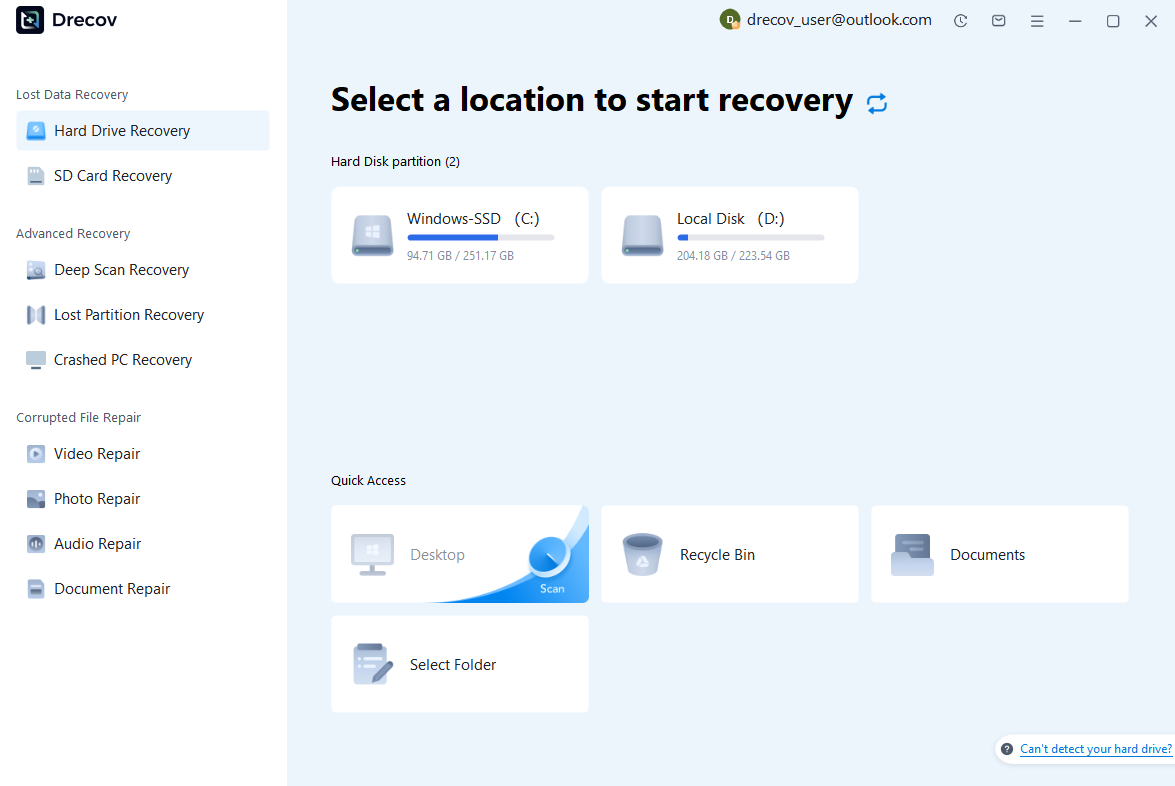
Step 1: Scan the Storage Device (SD Card / Hard Drive / USB)
Connect your device (SD card, HDD/SSD, or USB drive) to your computer and launch PandaOffice Drecov. Select the target device and start the scan. The software will perform a quick scan and deep scan to detect lost or deleted data.
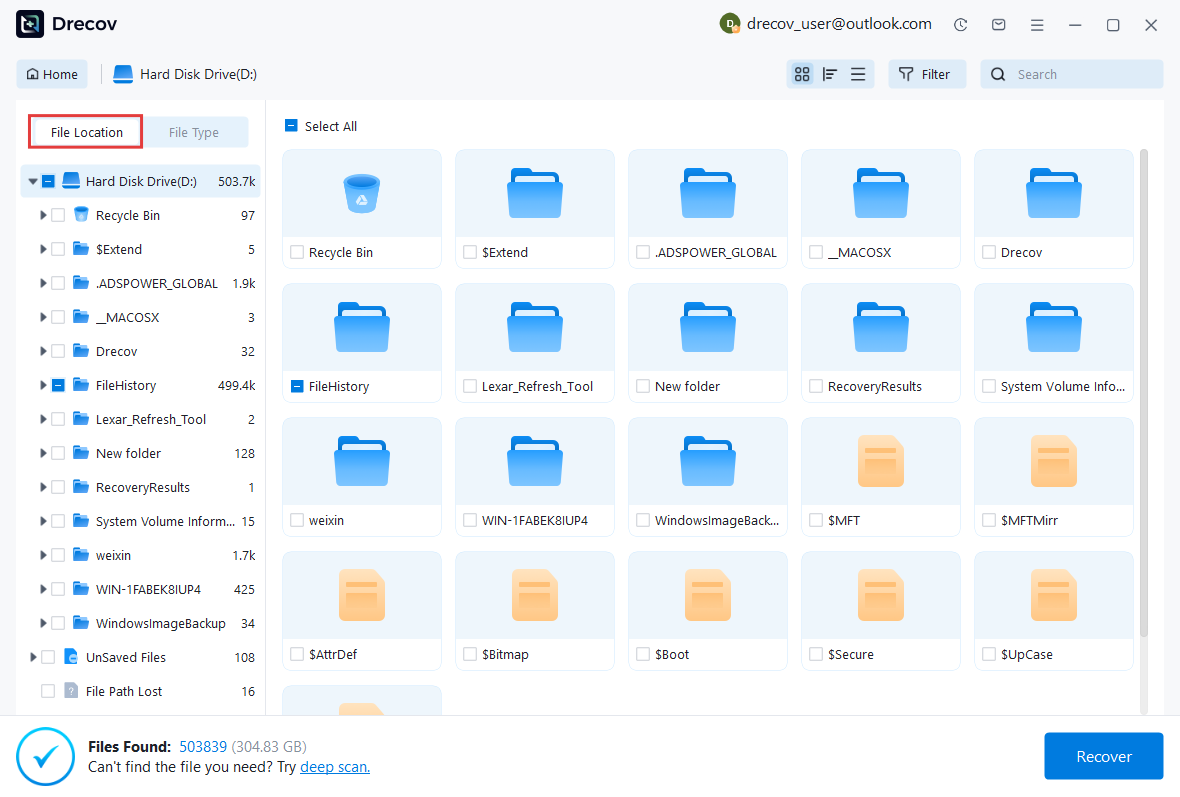
Step 2: Locate and Preview Lost Files
After scanning, browse the detected files and use the preview feature to check recoverable data. You can preview documents (Word, Excel, PDF), photos, and videos to ensure file integrity before recovery.
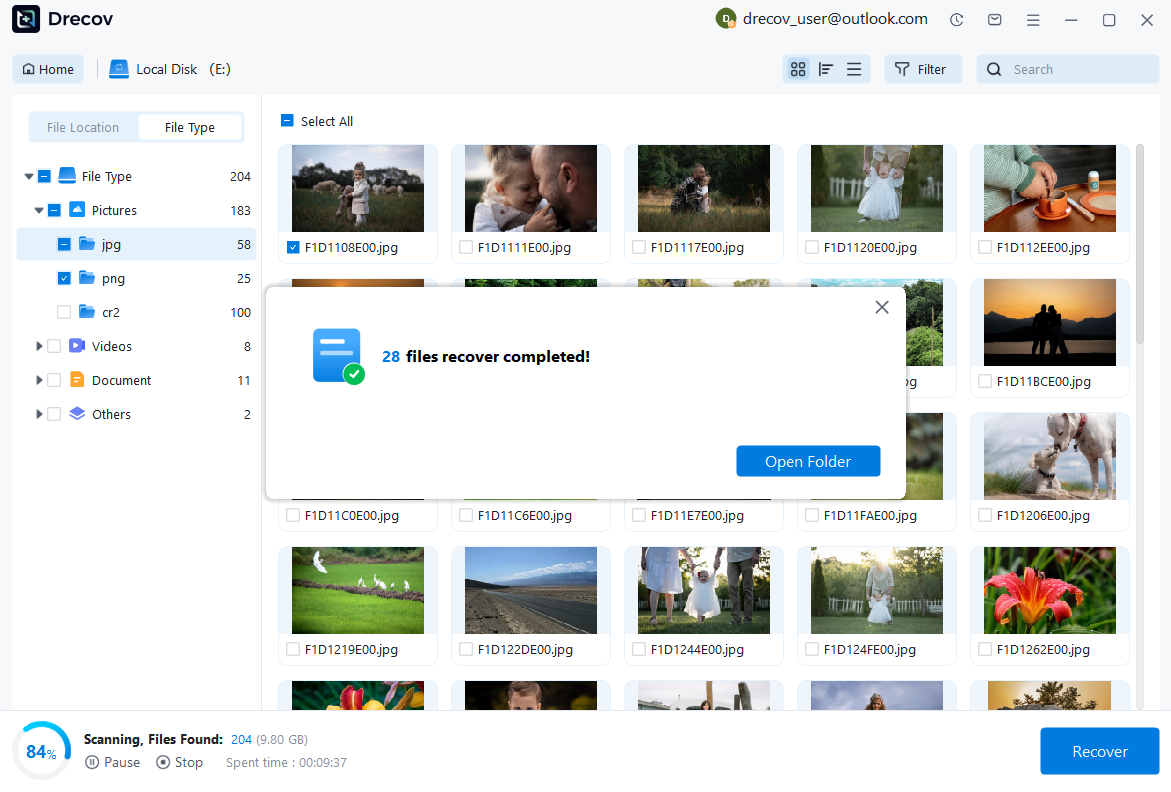
Step 3: Recover and Save to a New Location
Select the files you want to restore and click recover. Save all recovered data to a different drive or location (not the original device) to avoid overwriting lost data.
Why Choose PandaOffice Drecov Recovery Software?
PandaOffice Drecov offers a fast, secure, and user-friendly solution for recovering lost files across multiple scenarios. Whether you need email recovery, ZIP File Recovery, format data recovery, or help to recover deleted drafts Outlook, the software provides reliable recovery performance for both personal and business users.
PandaOffice Drecov supports recovery from formatted hard drives, SSDs, USB drives, SD cards, and external storage devices. Its advanced scanning engine can locate deleted archives, damaged ZIP files, lost Outlook drafts, and accidentally removed documents with high accuracy. For users searching for how to find deleted messages in Teams, PandaOffice Drecov can also help recover exported chat files, attachments, and related local cache data when available.
Key advantages include:
- Deep scan technology for complex data loss situations
- Support for emails, archives, videos, photos, and office documents
- Recovery from accidental deletion, formatting, corruption, and system crashes
- Easy preview before restoring files
- Compatible with Windows and multiple storage devices
Unlike complicated enterprise recovery tools, PandaOffice Drecov keeps the recovery process simple. Users can scan, preview, and restore files in just a few steps without technical expertise.
Whether you are dealing with lost Outlook drafts, corrupted ZIP archives, formatted drives, or missing communication data, PandaOffice Drecov provides an efficient and practical recovery experience designed to minimize downtime and protect important files.
⚠️ Warning: Avoid repeatedly editing or converting a damaged video before attempting repair, as additional processing may worsen file corruption.
Advanced Troubleshooting for Persistent Twitch Streaming Issues
Analyze Network Packet Loss
Packet loss occurs when information traveling across the internet fails to reach its destination. Even small amounts of packet loss can significantly affect live streaming quality.
Symptoms often include:
- Random buffering
- Stream freezing
- Sudden quality drops
- Audio interruptions
Network diagnostic tools can help identify packet loss and determine whether the issue originates within your local network or from your internet provider.
If packet loss consistently exceeds acceptable levels, contacting your ISP may be necessary.
Test Twitch Performance on Different Devices
Testing Twitch on another device helps isolate the source of the problem.
For example:
- If Twitch works on a smartphone but not a PC, the issue likely involves browser settings or hardware.
- If every device experiences buffering, the network itself may be responsible.
- If only one browser struggles, browser configuration becomes the primary suspect.
Cross-device testing is one of the fastest ways to eliminate unnecessary troubleshooting steps.
Optimize Router Configuration
Home routers often operate for months without maintenance. Over time, performance can degrade due to memory leaks, firmware issues, or excessive connected devices.
Recommended actions include:
- Rebooting the router regularly
- Updating firmware
- Switching to less congested Wi-Fi channels
- Using 5GHz networks when available
- Prioritizing streaming traffic through Quality of Service (QoS)
Router optimization can significantly reduce occurrences where twitch streaming lagging becomes noticeable during busy network periods.
Monitor System Resource Usage
Streaming requires a combination of network bandwidth, processing power, memory, and graphics resources.
Use Task Manager or similar monitoring tools to check:
- CPU utilization
- RAM consumption
- Disk activity
- GPU usage
- Network activity
Unexpected spikes may indicate software conflicts or resource shortages contributing to playback problems.
Frequently Asked Questions About Twitch Lagging Problems
Why Is Twitch Lagging While Other Websites Work Fine?
Twitch relies on real-time video delivery, making it more sensitive to latency and packet loss than many other websites. A connection that appears normal for web browsing may still struggle with live streaming requirements.
Why Is Twitch Lagging on Chrome but Not Other Browsers?
Chrome-specific issues often involve extensions, cached data, hardware acceleration settings, or compatibility conflicts. Testing Twitch in another browser can help determine whether Chrome is responsible.
Does VPN Usage Affect Twitch Streaming Quality?
Yes. VPN services can introduce additional routing distance and latency. While some VPNs improve routing efficiency, others may increase buffering and reduce stream quality.
Can Corrupted Video Files Cause Playback Problems?
Absolutely. Downloaded Twitch recordings that contain file corruption may freeze, skip frames, display visual artifacts, or fail to play entirely. Repair software such as PandaOffice Drecov may help recover damaged files.
Final Thoughts on Fixing Twitch Buffering and Stuttering
Experiencing twitch buffers, twitch stutters, or repeated playback interruptions can be frustrating, especially during live events. Fortunately, most Twitch performance problems can be traced to a limited number of causes, including network instability, browser conflicts, hardware acceleration issues, server congestion, or excessive resource usage.
By systematically testing each solution, users can identify the underlying cause and restore smooth playback. Starting with basic network checks and browser maintenance often resolves the majority of issues. More advanced troubleshooting, such as DNS optimization and packet-loss analysis, can help address persistent problems.
Whether twitch stream is laggy, twitch stream is lagging, or twitch is lagging only under specific conditions, following the methods outlined above provides a structured approach to diagnosing and fixing streaming interruptions. Consistent maintenance of browsers, networking equipment, and system resources will also help prevent future performance issues and ensure a smoother Twitch viewing experience.






