







When a system displays warnings such as computer low on memory windows 10, it indicates that the operating system is running out of usable RAM to handle active processes. This does not always mean physical memory is completely full, but rather that available memory is insufficient for current workloads.
In Windows 10, memory is shared between applications, background services, and system processes. When too many programs run simultaneously or a single application consumes excessive resources, Windows begins limiting performance and may display alerts such as computer memory low windows 10 or computer memory is low windows 10.
These warnings usually appear when the system is under heavy load, such as running multiple browser tabs, editing large files, or using memory-intensive software like video editors or virtual machines. Once memory pressure increases, Windows tries to free resources by closing background tasks or using virtual memory.
Although the message may seem alarming, it does not always indicate a serious hardware issue. In most cases, it is a performance optimization warning rather than a system failure. However, if the problem happens frequently, it can lead to freezing, application crashes, or slow system response.
Test environment:
- Windows 10 Pro (64-bit)
- 8GB / 16GB RAM configurations
- Chrome browser with 30+ tabs open
- Background apps: OneDrive, Discord, Steam
- Virtual memory enabled (default system settings)
⚠️ Warning: Ignoring repeated memory warnings may eventually lead to system instability or application crashes.
Main reasons behind computer memory low windows 10 problems
Excessive background processes and RAM consumption
One of the most common causes of fix low memory in windows 10 issues is too many background applications running at the same time. Even when users close visible programs, many services continue running in the background, consuming system memory.
Applications such as web browsers, cloud sync tools, and messaging platforms often remain active even when not in use. Over time, these processes accumulate and reduce available RAM for active tasks.
Heavy multitasking is another major factor. Running multiple large applications simultaneously can quickly exhaust system memory, especially on devices with 4GB or 8GB RAM.
This leads to slow performance, system lag, and repeated computer memory low windows 10 warnings.
Virtual memory and paging file misconfiguration
Another important cause of computer memory is low windows 10 messages is improper virtual memory configuration. Windows uses a portion of the hard drive called paging file to extend RAM when physical memory is full.
If virtual memory settings are disabled or set too low, the system cannot compensate for high memory usage. This results in frequent low memory alerts even when physical RAM is still partially available.
In some cases, third-party optimization tools may incorrectly modify paging file settings, making the issue worse.
Memory leaks and system process inefficiency
Memory leaks occur when applications or system processes fail to release RAM after use. Over time, this gradually reduces available memory, even if the system is idle.
Common sources include:
- Outdated applications
- Faulty browser extensions
- Background services with memory leaks
- Corrupted system processes
When this happens, users may experience repeated fix low memory windows 10 warnings even without heavy workload.
Basic methods to fix low memory in windows 10
Closing unnecessary applications and freeing RAM
The simplest way to address computer low on memory windows 10 is to close unused applications. Task Manager allows users to identify which programs are consuming the most memory.
By ending high-usage processes, Windows immediately frees RAM, improving system responsiveness. This method is especially effective for temporary memory spikes caused by browsers or background apps.
However, it is important not to close essential system processes, as this may affect system stability.
Adjusting virtual memory settings
If physical RAM is consistently insufficient, adjusting virtual memory can significantly improve performance. Increasing paging file size allows Windows to use more disk space as temporary memory.
This is particularly useful for systems that frequently trigger fix low memory in windows 10 alerts during multitasking or heavy workloads.
Proper configuration ensures smoother performance when RAM usage exceeds physical limits.
Running Windows Memory Diagnostic tool
Windows includes a built-in diagnostic tool that checks for memory-related hardware issues. If RAM modules are faulty, the system may incorrectly report computer memory low windows 10 errors.
The tool scans memory for errors and helps determine whether physical hardware replacement is necessary.
Advanced optimization methods for persistent low memory issues
When basic solutions such as closing applications, adjusting virtual memory, or running diagnostics do not resolve computer low on memory windows 10 errors, the issue is often caused by deeper system inefficiencies. These may include long-term memory fragmentation, excessive startup load, or hidden background services consuming RAM continuously.
At this stage, optimization must go beyond surface-level fixes and focus on reducing system overhead, improving memory allocation efficiency, and eliminating persistent processes that contribute to computer memory low windows 10 warnings.
A well-optimized system should maintain stable RAM usage even under moderate multitasking. If memory pressure remains high during idle or light use, deeper system-level corrections are required.
Disabling startup programs to reduce memory load
One of the most effective advanced optimizations is disabling unnecessary startup applications. Many programs automatically launch when Windows starts, consuming memory before the user even begins working.
Over time, this leads to reduced available RAM and frequent fix low memory windows 10 warnings. Common startup applications include cloud sync tools, communication apps, and software updaters.
By reducing startup load, Windows gains more free memory at boot time, improving long-term stability and responsiveness.
⚠️ Warning: Do not disable essential security or driver-related startup services.
Optimizing background services and Windows performance settings
Windows runs many background services that are not always necessary for every user. Adjusting system performance settings can help reduce memory consumption significantly.
Switching from visual-heavy performance modes to optimized performance mode reduces RAM usage by limiting animations, transparency effects, and background visual rendering processes.
This helps stabilize systems experiencing frequent computer memory is low windows 10 alerts, especially on mid-range hardware.
Clearing cached memory and temporary system files
Cached memory and temporary system files can accumulate over time and contribute to inefficient memory usage. Although Windows manages memory dynamically, leftover cache data can sometimes reduce available RAM indirectly.
Cleaning temporary files helps free system resources and improves memory allocation efficiency, especially on systems running heavy multitasking workloads.
Registry-level tuning and system behavior optimization
Adjusting memory management behavior via system configuration
Advanced users can optimize memory behavior by modifying system-level configurations. Windows memory management settings control how aggressively the system uses RAM versus virtual memory.
Proper tuning ensures better balance between application performance and background resource allocation, reducing occurrences of fix low memory in windows 10 errors.
However, incorrect configuration may lead to instability, so changes should be made carefully.
Fixing registry inefficiencies affecting memory allocation
Over time, Windows registry entries may become fragmented or outdated due to software installations and removals. These inefficiencies can indirectly affect memory performance.
Cleaning or optimizing registry structures can help improve system responsiveness and reduce unnecessary memory consumption caused by broken references or redundant entries.
⚠️ Warning: Improper registry modification can cause system instability. Always ensure backups before changes.
Removing malware causing memory leaks
Malware is one of the most overlooked causes of computer memory low windows 10 issues. Malicious programs often run hidden processes that continuously consume RAM without user awareness.
These processes may mimic system behavior while gradually exhausting memory resources, leading to slowdowns and system instability.
Running a full system scan using reliable security tools is essential to eliminate such threats.
Identifying memory-hogging background processes
Even without malware, some legitimate applications may develop memory leaks due to bugs or outdated versions. These processes can slowly increase RAM usage over time until the system becomes unstable.
Monitoring Task Manager helps identify abnormal memory consumption patterns and isolate problematic applications.
Once identified, reinstalling or updating the software usually resolves the issue.
Data recovery and system cleanup (advanced safety method)
In severe cases of persistent computer memory is low windows 10 errors combined with system instability, users may experience crashes, freezes, or inability to properly access files. Before performing major system resets or deep cleanup operations, securing important data becomes critical.
At this stage, tools like PandaOffice Drecov can be used in a Windows recovery environment to scan system drives and recover essential files such as documents, media, and project data. This ensures that even if system optimization or reinstallations are required, no important data is lost during the process.
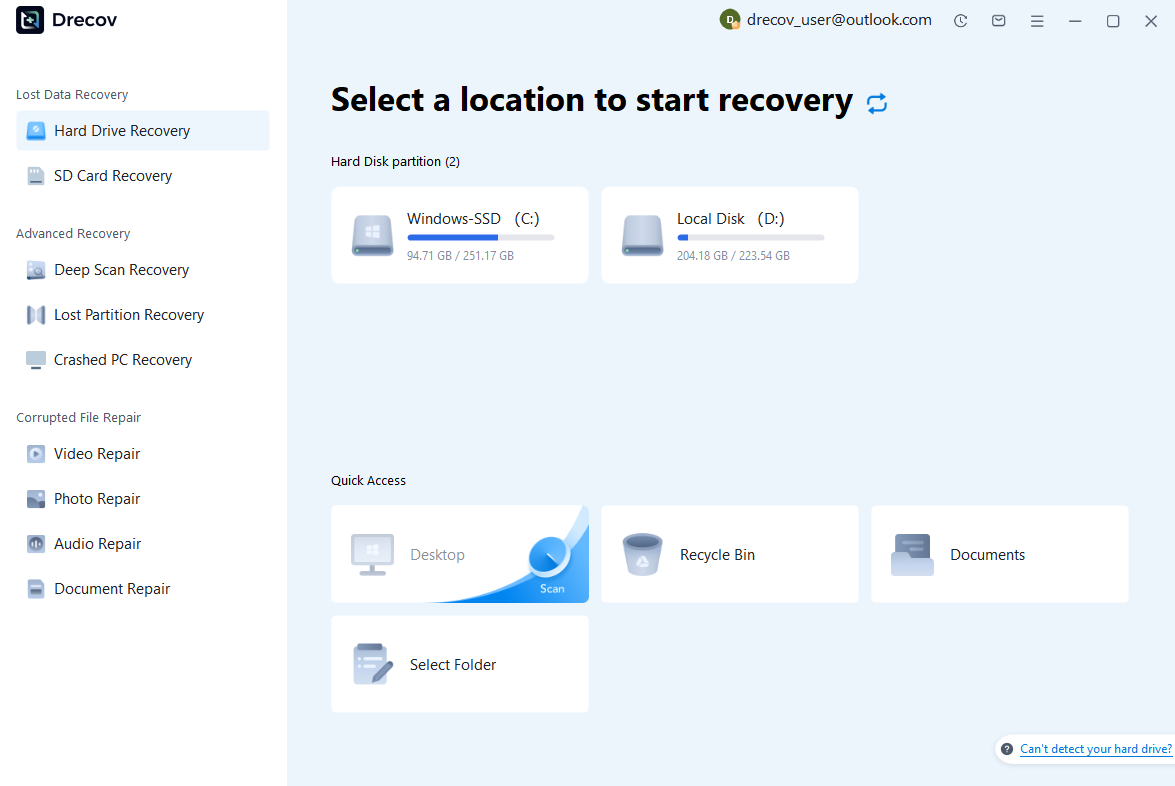
Step 1: Connect the Drive / USB)
Connect your device (SD card, HDD/SSD, or USB drive) to your computer and launch PandaOffice Drecov. Select the target device and start the scan. The software will perform a quick scan and deep scan to detect lost or deleted data.
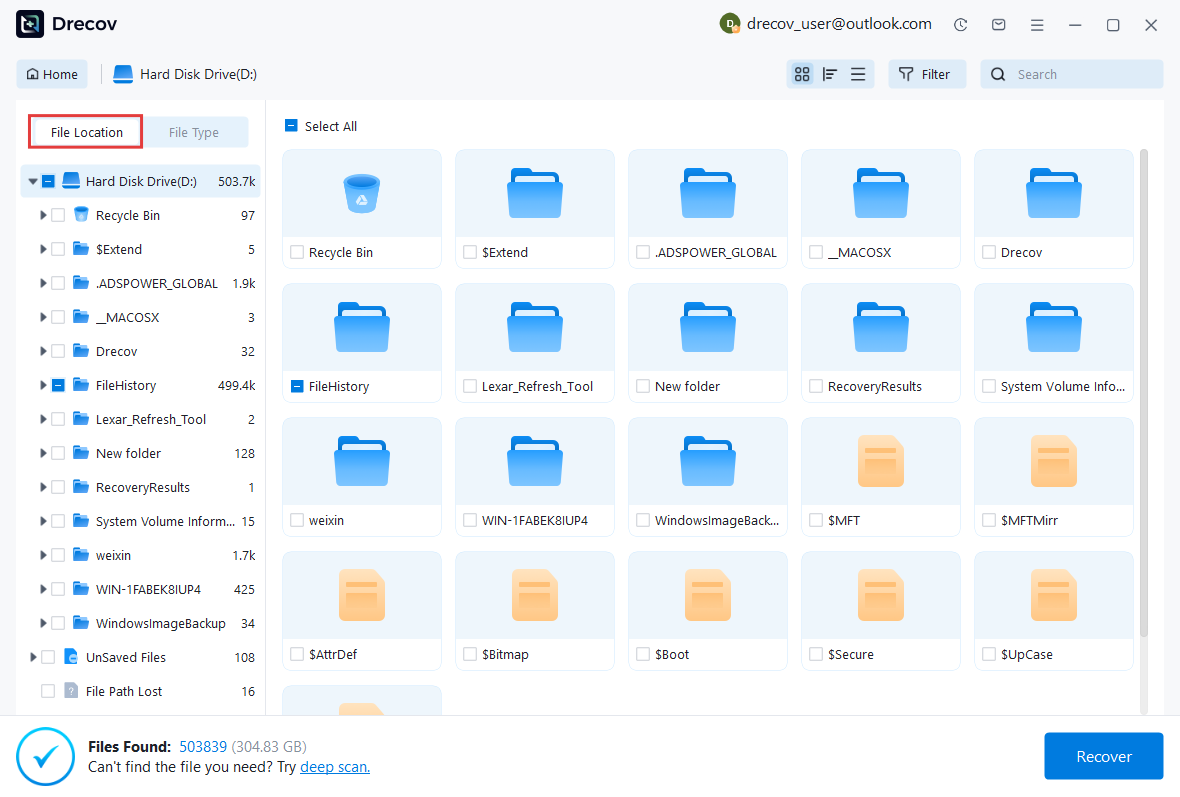
Step 2: Locate and Preview Lost Files
After scanning, browse the detected files and use the preview feature to check recoverable data. You can preview documents (Word, Excel, PDF), photos, and videos to ensure file integrity before recovery.
Step 3: Recover and Save to a New Location
Select the files you want to restore and click recover. Save all recovered data to a different drive or location (not the original device) to avoid overwriting lost data.

Why Choose PandaOffice Drecov Recovery Software?
PandaOffice Drecov offers a fast, secure, and user-friendly solution for recovering lost files across multiple scenarios. Whether you need email recovery, ZIP File Recovery, format data recovery, or help to recover deleted drafts Outlook, the software provides reliable recovery performance for both personal and business users.
PandaOffice Drecov supports recovery from formatted hard drives, SSDs, USB drives, SD cards, and external storage devices. Its advanced scanning engine can locate deleted archives, damaged ZIP files, lost Outlook drafts, and accidentally removed documents with high accuracy. For users searching for how to find deleted messages in Teams, PandaOffice Drecov can also help recover exported chat files, attachments, and related local cache data when available.
After recovery, test the file again. If the audio stream was damaged because of storage issues, a recovered version may play normally.
This method is particularly useful when only a few files exhibit audio problems while VLC works correctly with all other media.
This method can help users recover files from floppy disk storage after accidental deletion, formatting, or logical corruption.
This step is especially useful when memory issues are accompanied by system corruption or repeated application crashes.
⚠️ Warning: Always recover important files before performing system reset or major cleanup actions.
FAQ about low memory issues in Windows 10
Why does Windows show low memory even when RAM is not full?
This usually happens due to memory fragmentation, background services, or virtual memory misconfiguration. Even if total RAM is not fully used, available contiguous memory may be insufficient for new tasks.
Can low memory cause system crashes or freezes?
Yes. When the system runs out of usable memory, Windows may freeze applications, slow down dramatically, or crash processes to free resources. In extreme cases, it may require a restart to recover stability.
Prevention tips for avoiding memory issues in Windows 10
Preventing computer memory low windows 10 problems requires consistent system maintenance and smart resource management. Users should regularly review startup applications and disable unnecessary background programs.
Keeping software updated is also important, as updates often fix memory leaks and improve performance stability. Additionally, avoiding excessive multitasking on low-RAM systems can significantly reduce memory pressure.
For long-term stability, users should also periodically clear temporary files and monitor system performance to detect early signs of memory overload.
Systems with consistently high workloads may benefit from RAM upgrades, especially when running modern applications or multitasking environments.
Final conclusion
The computer low on memory windows 10 issue is primarily caused by excessive memory usage, background processes, virtual memory misconfiguration, or software memory leaks. While it can seem serious, most cases can be resolved through optimization, system tuning, and proper resource management.
In more advanced scenarios, malware removal, registry optimization, or hardware upgrades may be necessary. With proper maintenance and monitoring, users can significantly reduce or completely eliminate computer memory low windows 10 warnings and maintain stable system performance.






