







Understanding the Lenovo Boot Menu and Its Functions
The lenovo boot menu is an important startup interface that allows users to select boot devices, access BIOS settings, troubleshoot startup problems, and launch recovery tools. Many Lenovo laptop and desktop users rely on the boot menu when reinstalling Windows, booting from USB drives, or fixing operating system issues.
Unlike normal startup processes that automatically load the default operating system, the boot menu gives users manual control over startup devices. This becomes useful when installing a new operating system, running diagnostics, or accessing external recovery media.
Many users search for the correct lenovo boot menu key because different Lenovo models may use different startup shortcuts. In most cases, Lenovo systems support keys such as:
- F12
- F2
- Fn + F12
- Novo Button
The exact key often depends on the laptop series, BIOS configuration, and keyboard layout.
Modern Lenovo devices also include advanced UEFI firmware instead of older legacy BIOS systems. UEFI improves security and startup performance but sometimes changes how users access the boot menu.
Some Lenovo laptops feature a dedicated Novo button located near the power button. Pressing this small recovery button opens a special startup menu containing BIOS setup, boot options, and system recovery tools.
⚠️Warning: Incorrect BIOS changes may prevent Windows from starting properly. Only modify firmware settings when necessary.
Why Users Need the Lenovo Boot Menu
The boot menu lenovo interface serves multiple important purposes for both regular users and IT professionals. Understanding these functions helps users troubleshoot problems more efficiently.
One of the most common reasons people access the boot menu involves installing Windows from a USB flash drive. Instead of booting directly into the existing operating system, users can manually select external installation media.
The boot menu also becomes important during:
- Windows recovery
- SSD upgrades
- Linux installations
- System diagnostics
- Password reset operations
- External boot testing
Gamers and creators frequently use boot options when cloning drives or replacing storage hardware. Enterprise environments also rely on boot menus for large-scale operating system deployment.
Another important use case involves accessing recovery environments after failed Windows updates or corrupted startup files. The boot menu provides access to troubleshooting tools that may restore system functionality.
Many users confuse BIOS setup with the menu boot lenovo interface. The boot menu only controls startup device selection, while BIOS setup manages deeper firmware configurations.
Test Environment:
- Device: Lenovo Legion Pro 7i
- Operating System: Windows 11 Pro
- BIOS Version: UEFI 2026 Build
- Boot Devices Tested: USB-C SSD and bootable flash drive
Common Lenovo Boot Menu Keys by Device Series
Different Lenovo product lines may use different startup shortcuts for accessing the boot menu. Users often become frustrated because timing and keyboard behavior vary between systems.
For many modern Lenovo laptops, the standard lenovo boot menu key is:
- F12
Users usually press F12 repeatedly immediately after powering on the device.
Some ultrabooks and IdeaPad systems require:
- Fn + F12
because multimedia mode may override function keys by default.
ThinkPad systems commonly support:
- F12 for Boot Menu
- F1 for BIOS Setup
Lenovo gaming laptops often use:
- F2 for BIOS
- F12 for Boot Device Selection
Several consumer laptops include the Novo Button instead of relying entirely on keyboard shortcuts. This small recessed button launches recovery and startup menus even if Windows cannot boot normally.
Desktop systems sometimes support additional startup shortcuts depending on motherboard firmware versions.
Timing also matters. Pressing keys too early or too late may cause the system to bypass boot options entirely.
⚠️Warning: Fast Boot settings in BIOS may reduce the available time window for accessing startup keys.
How to Access the Lenovo Boot Menu Using Keyboard Shortcuts
Accessing the boot menu for lenovo systems is usually straightforward once users understand the proper startup sequence. However, startup timing can vary across device generations.
Method 1: Use the F12 Boot Key During Startup
This is the most common method for Lenovo laptops and desktops.
Steps:
- Completely shut down the Lenovo device.
- Disconnect unnecessary external devices.
- Turn the system back on.
- Immediately press F12 repeatedly.
- Wait for the Boot Menu screen to appear.
- Select the preferred boot device.
If the menu does not appear, users may need to try Fn + F12 instead.
This method works well for:
- USB booting
- Windows installation
- External SSD startup
- Linux live environments
Test Environment:
- Device: Lenovo ThinkPad X1 Carbon
- Keyboard Mode: Standard Function Keys
- Boot Media Tested: Windows 11 USB installer
- BIOS Type: UEFI
Method 2: Access Boot Options Through Windows Advanced Startup
If keyboard shortcuts fail, Windows recovery settings can launch the boot menu automatically.
Steps:
- Open Windows Settings.
- Select System > Recovery.
- Choose Advanced Startup.
- Click Restart Now.
- Open Use a Device after reboot.
- Select the target boot device.
This method works particularly well on systems with Fast Startup enabled.
Test Environment:
- Device: Lenovo Yoga 9i
- Operating System: Windows 11
- Startup Method: Advanced Recovery Mode
- External Device Tested: NVMe enclosure
Using the Lenovo Novo Button for Boot Menu Access
Many Lenovo laptops include a dedicated Novo button that provides direct access to startup tools. This feature is especially helpful when traditional keyboard shortcuts stop working.
The Novo button is usually located:
- Near the power button
- On the side edge
- Beside charging ports
Because the button is recessed, users often need a paperclip or SIM eject tool to press it.
When activated while the laptop is powered off, the Novo Menu appears with options including:
- Normal Startup
- BIOS Setup
- Boot Menu
- System Recovery
This approach bypasses many keyboard timing problems associated with traditional startup shortcuts.
Users performing Windows repairs or booting from USB installers often prefer the Novo button because it works consistently even after BIOS updates.
The Novo Menu also helps users recover systems stuck in startup loops or operating system failures.
⚠️Warning: Avoid pressing the Novo button repeatedly during firmware updates because interrupting updates may damage system firmware.
Test Environment:
- Device: Lenovo IdeaPad Slim 7
- Recovery Access Method: Novo Button
- Startup Scenario: Corrupted Windows installation
- Boot Device: Windows Recovery USB
Differences Between BIOS and Lenovo Boot Menu
Many users misunderstand the difference between BIOS setup and the lenovo boot menu interface. Although both appear during startup, they serve different functions.
The boot menu temporarily selects which device starts the computer. It does not permanently change firmware settings.
Users commonly access boot menus to:
- Launch USB installers
- Boot recovery drives
- Test external SSDs
- Start Linux distributions
BIOS or UEFI setup controls deeper hardware and firmware configurations such as:
- Boot order
- Secure Boot
- CPU virtualization
- Fan controls
- Memory settings
Changing BIOS settings improperly may cause startup failures, while boot menu selections are usually temporary and safer.
Modern Lenovo devices now rely primarily on UEFI firmware instead of traditional BIOS systems. UEFI provides faster startup speeds and improved security features.
Secure Boot may occasionally block external boot devices from loading. Users sometimes need to disable Secure Boot temporarily for Linux installations or recovery environments.
Test Environment:
- Device: Lenovo Legion Tower
- BIOS Type: UEFI
- Firmware Version: 2026
- Boot Devices Tested: Linux USB and Windows installer
Fixing Lenovo Boot Menu Problems
Sometimes users cannot access the boot menu lenovo interface because of firmware settings, hardware issues, or keyboard configuration problems.
One common issue involves Fast Startup. This Windows feature reduces startup times but also shortens the keyboard detection window.
Disabling Fast Startup may help:
- Open Control Panel.
- Select Power Options.
- Choose Choose what the power buttons do.
- Disable Fast Startup.
- Save changes.
External keyboards may also fail during startup on some Lenovo systems. Built-in keyboards generally work more reliably for firmware access.
Users should also verify:
- Function key behavior
- USB boot support
- Secure Boot settings
- BIOS updates
Some BIOS updates reset startup shortcuts or modify keyboard handling.
If startup keys still fail, the Novo button usually provides a reliable alternative.
⚠️Warning: Updating BIOS firmware during unstable power conditions may permanently damage the motherboard.
Booting Lenovo Devices From USB Drives
One of the primary reasons users search for the lenovo boot menu key is to boot from USB devices. USB booting allows installation of operating systems, recovery environments, and diagnostic tools.
To create a bootable USB:
- Download the desired operating system ISO.
- Use Rufus or Microsoft Media Creation Tool.
- Format the USB drive correctly.
- Copy installation files.
After preparing the USB:
- Insert the drive.
- Restart the Lenovo device.
- Press F12 repeatedly.
- Select the USB device from the menu.
Some systems require disabling Secure Boot before booting unofficial operating systems such as Linux distributions.
UEFI-compatible USB drives generally work better on modern Lenovo systems compared to legacy MBR installers.
Users performing SSD upgrades often use bootable cloning or installation drives during migration processes.
Test Environment:
- Device: Lenovo ThinkBook 16
- USB Tool Used: Rufus
- Installation Media: Windows 11 25H2
- Boot Mode: UEFI
How Secure Boot Affects Lenovo Startup Options
Secure Boot is a UEFI security feature designed to prevent unauthorized operating systems and malware from loading during startup. However, it can sometimes interfere with bootable USB devices.
Users installing Linux or recovery utilities may encounter startup failures because Secure Boot blocks unsigned bootloaders.
To manage Secure Boot:
- Enter BIOS Setup.
- Navigate to Security settings.
- Locate Secure Boot.
- Disable temporarily if needed.
- Save changes and reboot.
After completing installations or repairs, users should consider re-enabling Secure Boot for improved protection.
Not all bootable USB drives require disabling Secure Boot. Official Windows installers generally work without modification.
The relationship between Secure Boot and the menu boot lenovo process often confuses less experienced users because blocked devices may not appear correctly in startup menus.
Test Environment:
- Device: Lenovo Yoga Pro 9i
- BIOS Type: UEFI
- Boot Media Tested: Ubuntu Linux USB
- Secure Boot Status: Enabled and Disabled comparison
Recover Lost Files After Boot Failures With Pandaoffice Drecov
Serious startup failures, corrupted boot sectors, or failed Windows installations may sometimes make important files inaccessible. In these situations, Pandaoffice Drecov provides a practical solution for recovering lost data from damaged Lenovo systems.
The software supports recovery from:
- Internal SSDs
- External HDDs
- USB flash drives
- Formatted partitions
- Corrupted Windows systems
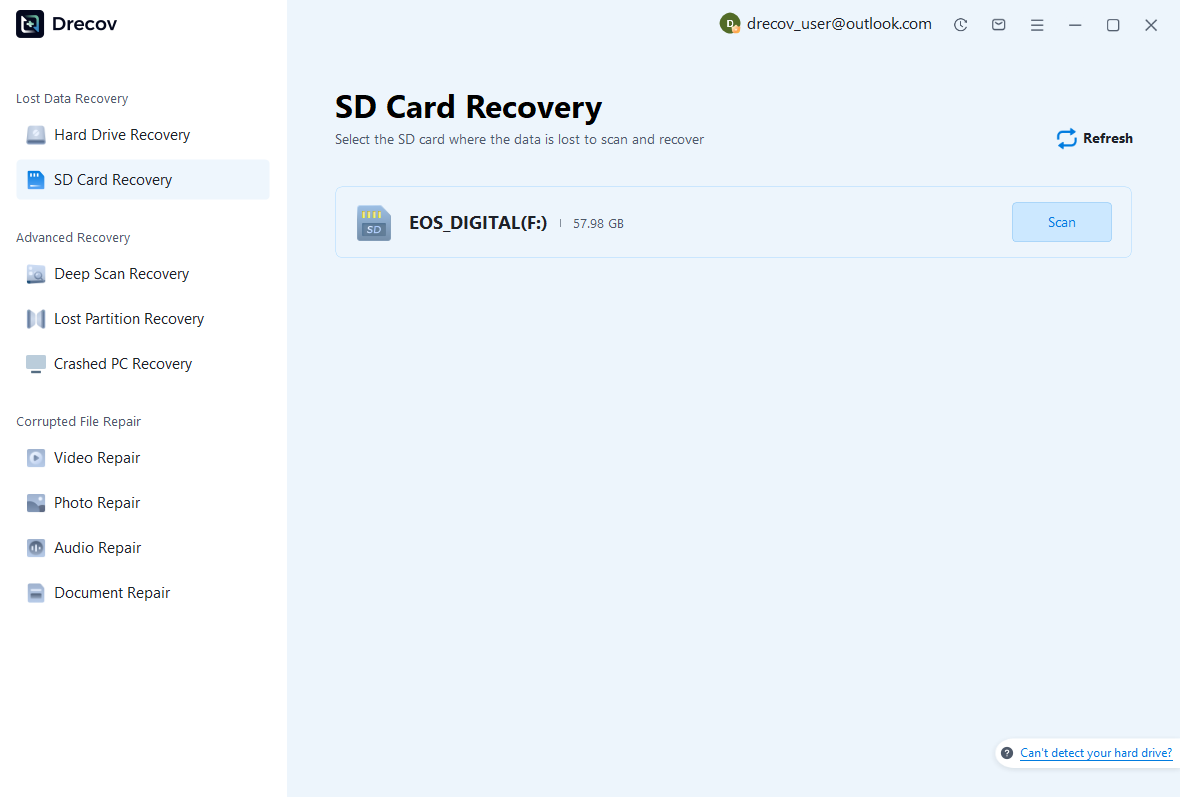
Step 1: Connect the Affected Drive
Attach the Lenovo drive to another working computer if the system cannot boot normally.
Step 2: Launch Pandaoffice Drecov
Open the software and select the inaccessible storage device.
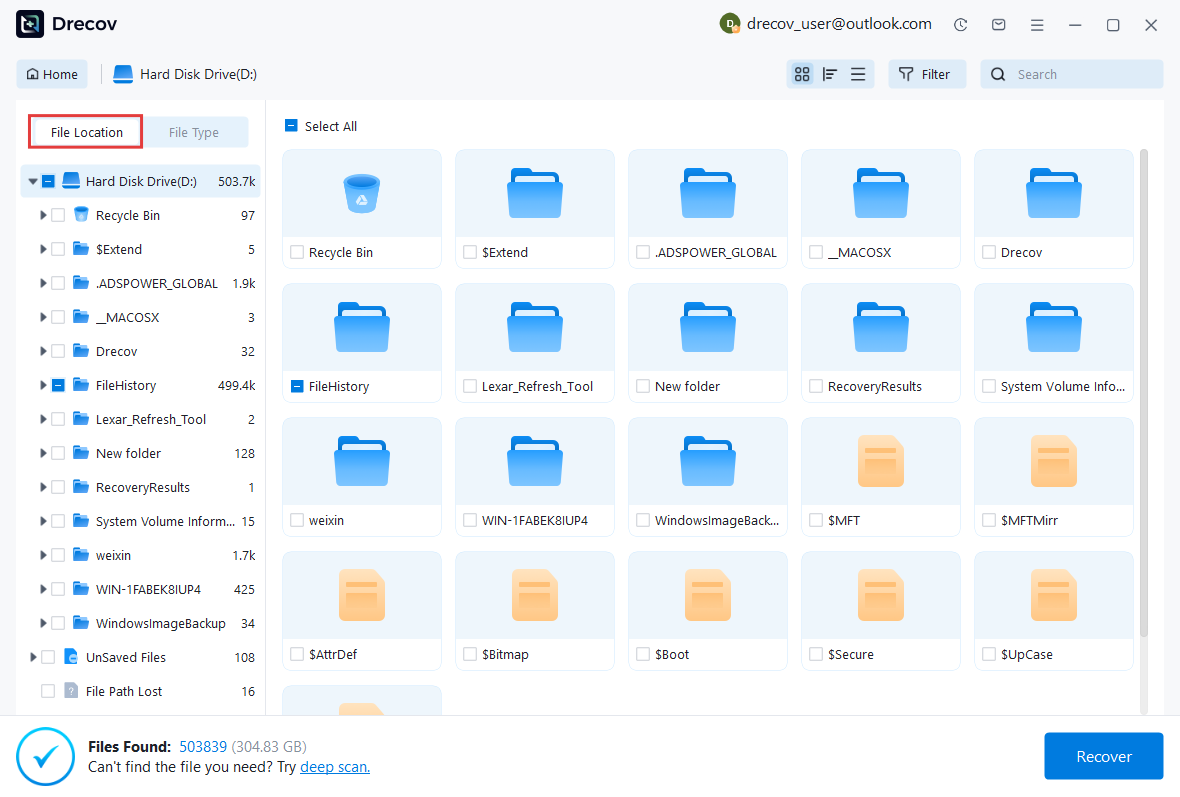
Step 3: Run a Deep Scan
Perform a full scan to locate deleted or inaccessible files.
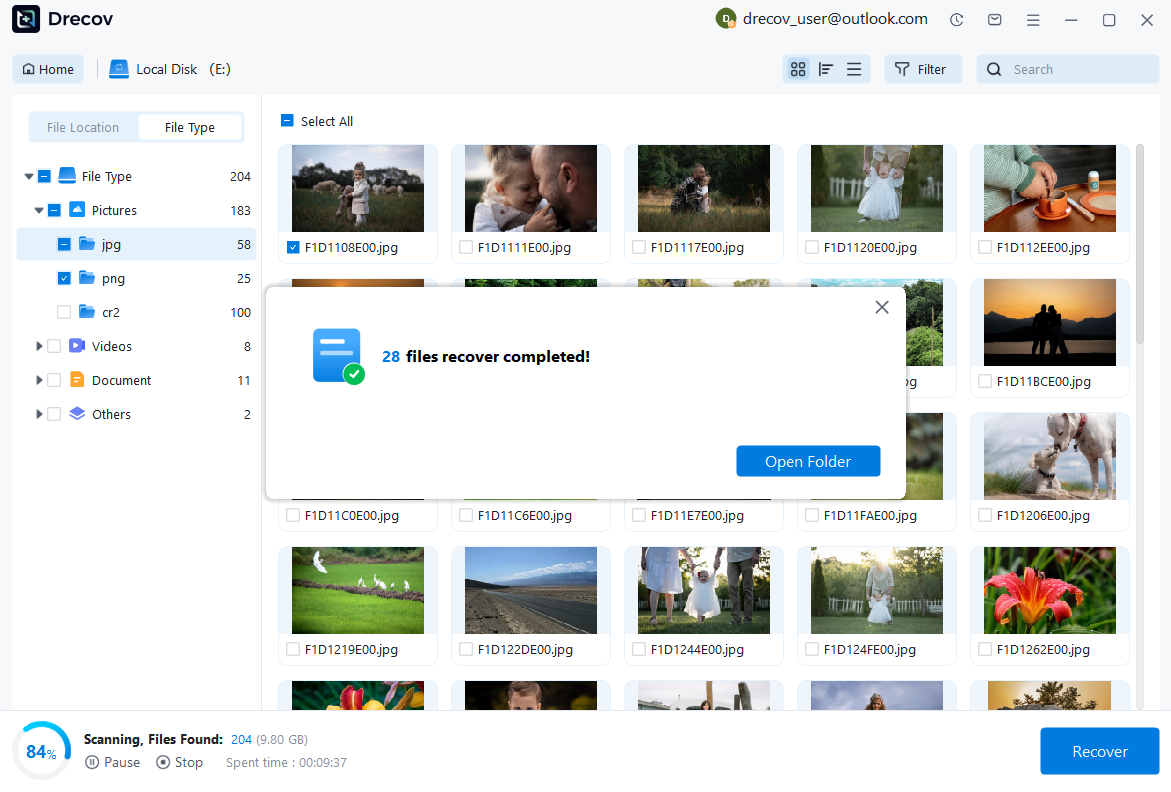
Step 4: Restore Important Data
Preview recoverable content and save files to another safe storage location.
This recovery method is especially useful after:
- Failed Windows reinstalls
- Accidental formatting
- Boot partition corruption
- Startup repair loops
Test Environment:
- Device: Lenovo Legion Slim 5
- Failure Type: Corrupted boot partition
- Storage Tested: 1TB NVMe SSD
- Recovered Files: Photos, videos, project folders, documents
Why Choose PandaOffice Drecov Recovery Software?
PandaOffice Drecov offers a fast, secure, and user-friendly solution for recovering lost files across multiple scenarios. Whether you need email recovery, ZIP File Recovery, format data recovery, or help to recover deleted drafts Outlook, the software provides reliable recovery performance for both personal and business users.
PandaOffice Drecov supports recovery from formatted hard drives, SSDs, USB drives, SD cards, and external storage devices. Its advanced scanning engine can locate deleted archives, damaged ZIP files, lost Outlook drafts, and accidentally removed documents with high accuracy. For users searching for how to find deleted messages in Teams, PandaOffice Drecov can also help recover exported chat files, attachments, and related local cache data when available.
Key advantages include:
- Deep scan technology for complex data loss situations
- Support for emails, archives, videos, photos, and office documents
- Recovery from accidental deletion, formatting, corruption, and system crashes
- Easy preview before restoring files
- Compatible with Windows and multiple storage devices
Unlike complicated enterprise recovery tools, PandaOffice Drecov keeps the recovery process simple. Users can scan, preview, and restore files in just a few steps without technical expertise.
Whether you are dealing with lost Outlook drafts, corrupted ZIP archives, formatted drives, or missing communication data, PandaOffice Drecov provides an efficient and practical recovery experience designed to minimize downtime and protect important files.
Advanced Lenovo Startup and Recovery Options
Modern Lenovo devices provide several advanced recovery environments beyond the standard boot menu.
Users can access:
- Windows Recovery Environment
- Startup Repair
- Safe Mode
- System Restore
- UEFI Firmware Settings
Safe Mode helps diagnose software conflicts and driver issues by loading minimal system services.
Startup Repair attempts to fix corrupted boot configurations automatically.
System Restore reverts Windows settings to earlier restore points without deleting personal files.
These tools become essential after failed updates, driver corruption, or malware infections.
Some Lenovo systems also support network booting for enterprise deployment environments.
Advanced recovery environments can usually be accessed through:
- F12 Boot Menu
- Novo Button
- Windows Recovery Mode
⚠️Warning: Factory reset operations may erase personal files if backups are not created first.
Test Environment:
- Device: Lenovo ThinkPad T16
- Recovery Tools Tested: Startup Repair and Safe Mode
- Failure Scenario: Windows startup loop
- BIOS Version: Latest UEFI firmware
Common Lenovo Boot Menu Errors and Solutions
Several common issues may prevent users from accessing startup options successfully.
USB Drive Not Appearing
Possible causes include:
- Improper USB formatting
- Unsupported boot mode
- Secure Boot restrictions
Recreating the installer with UEFI compatibility often resolves this issue.
F12 Key Not Working
Potential fixes include:
- Disable Fast Startup
- Use Fn + F12
- Try Novo Button
- Update BIOS firmware
System Boots Directly Into Windows
This usually happens when startup keys are pressed too late or external devices are not recognized quickly enough.
Boot Device Missing
Users should verify:
- SSD connections
- BIOS detection
- Drive health
- Boot order settings
Hardware failures occasionally cause drives to disappear entirely from firmware menus.
Test Environment:
- Device: Lenovo IdeaPad Gaming 3
- Error Type: Missing USB installer
- Recovery Solution: UEFI-compatible USB recreation
- BIOS Mode: Secure Boot enabled
Frequently Asked Questions About Lenovo Boot Menus
What is the Lenovo boot menu key?
Most Lenovo systems use F12, though some models require Fn + F12 or the Novo button.
How do I open the Lenovo boot menu?
Restart the computer and press F12 repeatedly during startup.
Why is my Lenovo boot menu not opening?
Fast Startup, keyboard configuration, or Secure Boot settings may interfere with startup shortcuts.
What is the Novo button on Lenovo laptops?
It is a dedicated recovery button that opens BIOS setup, boot options, and recovery tools.
Can I boot Windows from USB on Lenovo devices?
Yes. Users can select USB devices through the boot menu after creating bootable installation media.
Does Secure Boot block USB startup?
It may block unsigned operating systems or unsupported recovery tools.
Can lost files be recovered after startup failure?
Yes. Recovery software such as Pandaoffice Drecov may restore inaccessible files from damaged systems.
Final Thoughts on Lenovo Boot Menu Access
The lenovo boot menu remains an essential tool for troubleshooting, operating system installation, recovery operations, and advanced startup management.
Understanding the correct lenovo boot menu key helps users boot from USB devices, access recovery tools, and repair startup problems more efficiently. Whether using F12, Fn + F12, or the Novo button, startup access becomes much easier once users understand their specific Lenovo model behavior.
Modern UEFI firmware adds security and performance improvements but may also introduce additional settings such as Secure Boot that affect startup flexibility.
For users facing startup failures, corrupted Windows installations, or inaccessible storage devices, recovery tools and advanced startup environments provide valuable repair options.
Keeping BIOS firmware updated, using reliable bootable USB tools, and understanding startup settings can help Lenovo users avoid many common boot-related problems while maintaining stable system performance.






