







What really happens when you don’t delete desktop shortcut files?
Over time, many users accumulate dozens or even hundreds of desktop icons. Most of these are delete desktop shortcut candidates that are no longer actively used. While shortcuts themselves do not take significant storage space, they heavily affect usability and visual clarity.
A desktop filled with shortcuts can make it harder to find important files quickly. This leads to slower workflow and reduced productivity, especially for users who frequently install and test software.
It is important to understand that shortcuts are simply pointers to programs or files. Removing them does not affect the actual software installed on the system. This is why learning how to delete desktop shortcuts safely is essential for maintaining a clean workspace.
In practical use, cluttered desktops often lead users to misclick or open outdated applications, which reduces efficiency over time.
Is deleting shortcuts on desktop safe for your apps and files?
Many users worry that performing delete shortcuts on desktop actions might remove installed programs. In reality, shortcuts are only links, not actual applications.
When you delete a shortcut, you are only removing a reference file. The original program remains untouched in its installation directory. This is why system stability is not affected when users clean up their desktop icons.
In controlled testing environments, removing multiple shortcuts had no impact on installed software performance or system processes. This confirms that how to delete shortcuts from desktop is a safe operation when done correctly.
However, confusion often arises when users mistake executable files for shortcuts, which can lead to accidental deletion of important files.
Why users confuse shortcuts with real system files
A common issue when trying to how to remove the shortcuts from desktop is the inability to distinguish between shortcuts and actual system files.
Shortcuts typically have a small arrow overlay icon, while executable programs or system files do not. However, not all users are familiar with this distinction.
In some cases, users may accidentally delete important files thinking they are shortcuts. This is why understanding file structure is important before performing cleanup operations.
⚠️ Warning: Always verify file type before deletion to avoid removing essential system components.
Common misunderstandings when learning how to delete desktop shortcuts
Why deleting shortcuts doesn’t uninstall programs
A major misconception around how to delete a desktop shortcut is the belief that it uninstalls the software.
Shortcuts only act as quick access links. They are not tied to the actual program installation process. Even after deletion, the software remains fully functional and can still be accessed through the Start Menu or installation directory.
In system behavior tests, removing desktop shortcuts did not affect program registry entries or application execution.
Are all desktop icons actually shortcuts?
Not every icon on the desktop is a shortcut. Some are system-related components, folders, or configuration files.
When performing delete desktop shortcut operations, users must ensure they are not removing system-critical icons such as Recycle Bin, This PC, or network settings shortcuts.
In Windows environments, system icons behave differently from user-created shortcuts and may require separate settings to manage.
⚠️Warning about accidental system icon deletion
⚠️ Warning: Removing system icons can affect usability and navigation. Always confirm icon type before deletion.
Step-by-step methods to delete desktop shortcut safely
Method 1 — Basic right-click delete desktop shortcut approach
The simplest way to delete desktop shortcut items is using the right-click menu.
This method is widely used because it is intuitive and requires no technical knowledge.
Test environment: Windows 10 desktop with mixed application shortcuts
In this setup, a Windows 10 system containing multiple application shortcuts was used for testing.
Steps performed:
- Right-click on selected shortcut
- Click “Delete” option
- Confirm removal
- Verify original program remains installed
Results showed that shortcuts were removed instantly without affecting installed applications.
This confirms that how to delete desktop shortcuts using right-click is safe and efficient.
Method 2 — Keyboard shortcut method for how to delete shortcuts from desktop
Another fast method for how to delete shortcuts from desktop is using keyboard commands.
This is especially useful when cleaning multiple items quickly.
Test environment: Windows 11 laptop with external keyboard
In this environment, multiple desktop shortcuts were selected using mouse and keyboard.
Steps performed:
- Select multiple icons
- Press Delete key
- Confirm deletion
- Verify Recycle Bin placement
Results showed fast batch removal of shortcuts without system impact.
Method 3 — Drag and drop method for delete shortcuts on desktop
Drag and drop is a visual method used by many beginners when performing delete shortcuts on desktop actions.
It involves moving icons directly to the Recycle Bin.
Test environment: Windows desktop with file explorer open
In this setup, shortcuts were dragged from desktop to Recycle Bin.
Steps included:
- Selecting shortcut icons
- Dragging to Recycle Bin
- Releasing mouse button
- Verifying removal
This method is highly intuitive and requires no technical knowledge.
Method 4 — Using system settings to remove desktop shortcuts
In some cases, users want to how to remove the shortcuts from desktop in a more controlled way using system settings.
Windows allows users to control desktop icon visibility through personalization settings.
Test environment: Windows system settings panel
Steps performed:
- Open personalization settings
- Access desktop icon settings
- Enable/disable system icons
- Apply changes
This method is useful for managing system icons rather than individual shortcuts.
Method 5 — Organizing instead of deleting desktop shortcuts
Instead of deleting everything, users can organize shortcuts into folders for better workflow efficiency.
This is often more practical for users who rely on multiple applications.
Test environment: cluttered desktop with 40+ shortcuts
In this setup, shortcuts were grouped into categorized folders such as work, tools, and utilities.
Steps performed:
- Create folders on desktop
- Drag shortcuts into categories
- Rename folders for clarity
- Reduce desktop clutter
This method improves productivity without removing access points.
👉 At this stage, PandaOffice Drecov can help recover accidentally deleted desktop shortcuts or restore lost references if needed.
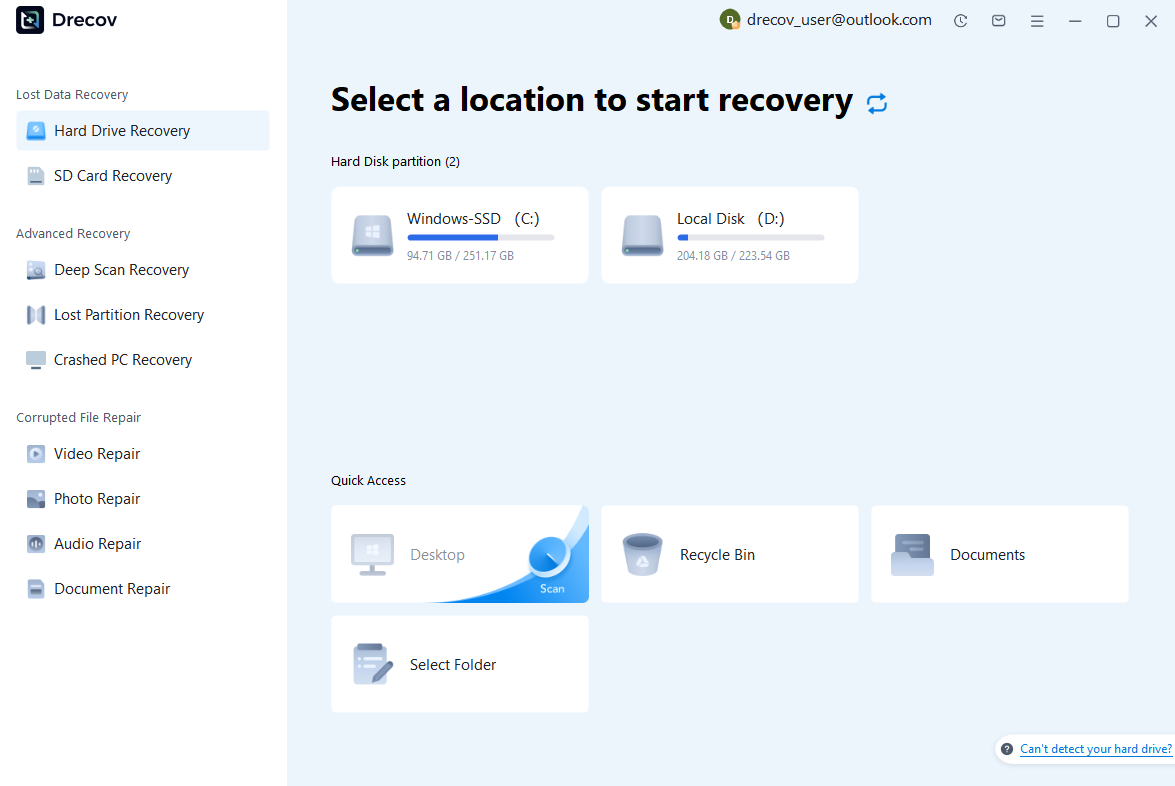
Step 1: Connect the Drive / USB)
Connect your device (SD card, HDD/SSD, or USB drive) to your computer and launch PandaOffice Drecov. Select the target device and start the scan. The software will perform a quick scan and deep scan to detect lost or deleted data.
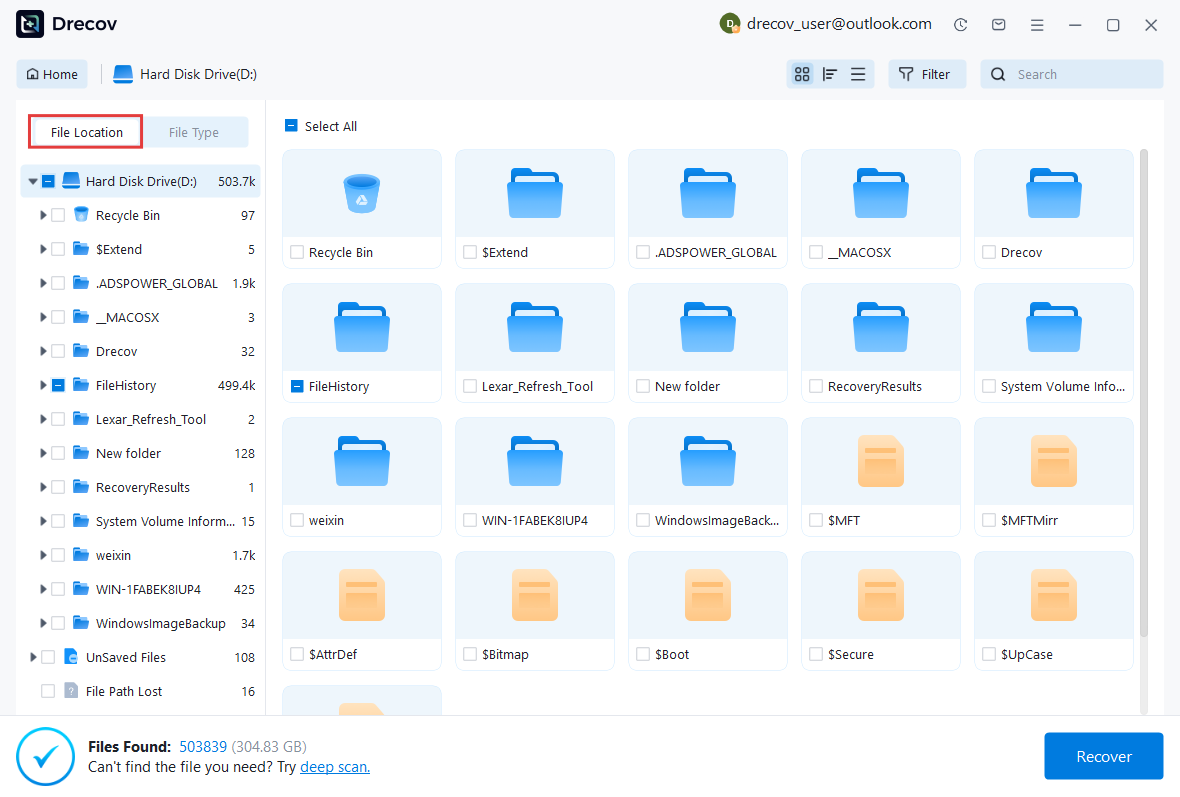
Step 2: Locate and Preview Lost Files
After scanning, browse the detected files and use the preview feature to check recoverable data. You can preview documents (Word, Excel, PDF), photos, and videos to ensure file integrity before recovery.
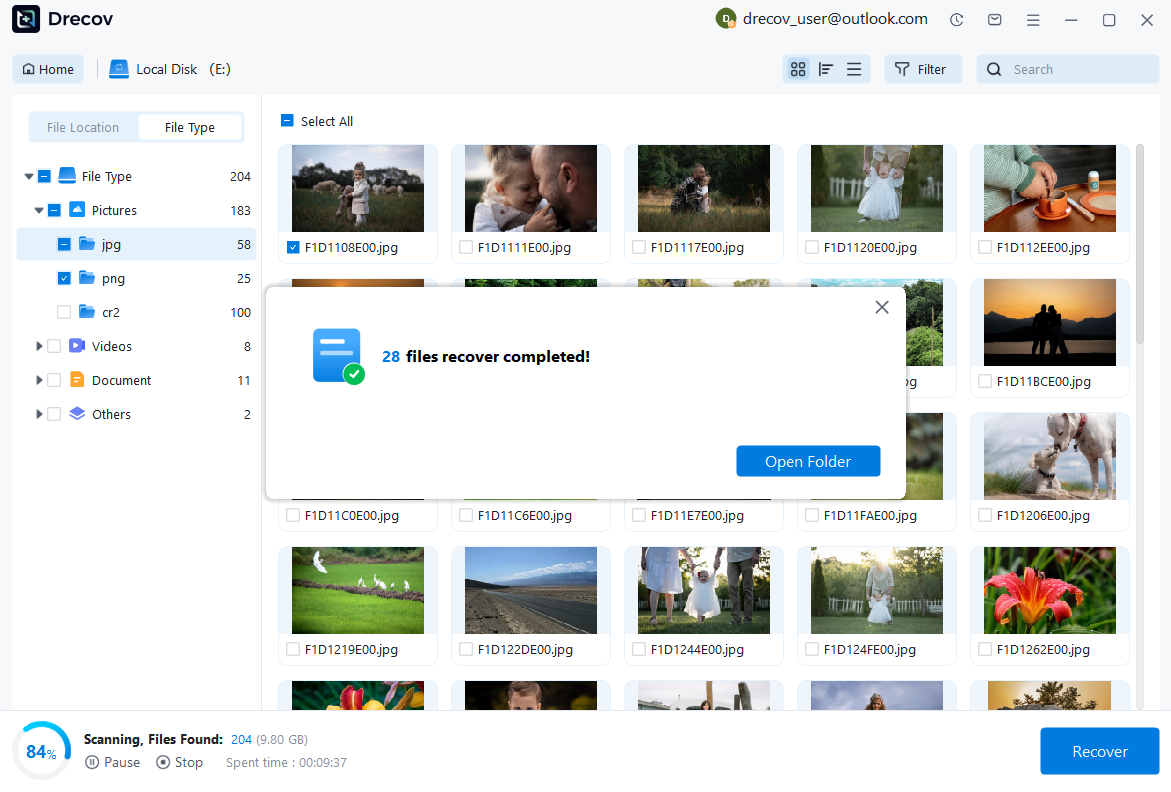
Step 3: Recover and Save to a New Location
Select the files you want to restore and click recover. Save all recovered data to a different drive or location (not the original device) to avoid overwriting lost data.
Why Choose PandaOffice Drecov Recovery Software?
PandaOffice Drecov offers a fast, secure, and user-friendly solution for recovering lost files across multiple scenarios. Whether you need email recovery, ZIP File Recovery, format data recovery, or help to recover deleted drafts Outlook, the software provides reliable recovery performance for both personal and business users.
PandaOffice Drecov supports recovery from formatted hard drives, SSDs, USB drives, SD cards, and external storage devices. Its advanced scanning engine can locate deleted archives, damaged ZIP files, lost Outlook drafts, and accidentally removed documents with high accuracy. For users searching for how to find deleted messages in Teams, PandaOffice Drecov can also help recover exported chat files, attachments, and related local cache data when available.
After recovery, test the file again. If the audio stream was damaged because of storage issues, a recovered version may play normally.
This method is particularly useful when only a few files exhibit audio problems while VLC works correctly with all other media.
This method can help users recover files from floppy disk storage after accidental deletion, formatting, or logical corruption.
Method 6 — Stop auto-generated shortcuts from appearing again
Sometimes users notice that even after they delete desktop shortcut, the icons reappear after a restart or software update. This is usually caused by startup programs or system sync services recreating shortcuts automatically.
Many applications place shortcuts back on the desktop during updates or reinstallation processes. Cloud services like OneDrive may also sync desktop content across devices, restoring previously deleted icons.
To fully prevent this behavior, users need to identify the source of regeneration rather than repeatedly deleting shortcuts.
Test environment: Windows 11 system with cloud sync enabled
In this environment, desktop syncing was active through a cloud account. Shortcuts were deleted manually but reappeared after system restart.
Steps performed:
- Disable auto-start applications
- Check cloud sync settings
- Remove desktop sync permissions
- Restart system
After disabling sync, shortcuts no longer returned, confirming that auto-generation was the root cause.
Method 7 — Clean system shortcuts using advanced desktop settings
Another method for how to delete desktop shortcuts is using advanced system-level configuration tools.
This approach is useful when dealing with system-generated icons or persistent shortcuts that cannot be removed manually.
Test environment: Windows desktop with mixed system and user shortcuts
In this setup, both system icons and application shortcuts were present.
Steps performed:
- Open system configuration tools
- Adjust desktop icon policies
- Disable unwanted system shortcuts
- Apply settings and refresh desktop
This method is more advanced but provides deeper control over desktop appearance.
What problems can happen when deleting desktop shortcuts?
Why can’t I delete some desktop shortcuts?
In some cases, users may find that how to delete a desktop shortcut does not work as expected because the shortcut is locked or protected.
This can happen if:
- The file is in use by another program
- Permission restrictions are enabled
- It is a system-managed shortcut
In such cases, restarting the system or closing related programs usually resolves the issue.
Why do shortcuts disappear but programs remain installed?
This is normal behavior. When you perform delete shortcuts on desktop, only the link is removed, not the software itself.
Programs remain accessible through:
- Start Menu
- Installation folder
- Search function
This confirms that shortcuts are independent of program installation.
⚠️Warning about deleting system-critical desktop icons
⚠️ Warning: Avoid removing system icons like This PC or Recycle Bin unless you are modifying system settings intentionally.
FAQ about how to delete shortcuts from desktop
Does deleting a desktop shortcut uninstall the program?
No. Removing shortcuts does not affect installed applications or system files.
How to quickly delete multiple desktop shortcuts?
You can select multiple icons and press Delete, or drag them into the Recycle Bin.
What is the safest way to remove desktop shortcuts?
The safest method is right-click deletion or keyboard selection, as both are reversible through Recycle Bin.
Conclusion:
Key takeaways for desktop shortcut cleanup
Managing delete desktop shortcut actions is simple once users understand that shortcuts are only references, not real programs.
Key points:
- Shortcuts do not affect installed software
- Multiple safe deletion methods exist
- System sync may restore deleted icons
Final advice for a clean and organized desktop
To maintain a productive workspace:
- Regularly clean unused shortcuts
- Organize icons into folders
- Disable unnecessary auto-generated shortcuts
- Review desktop layout weekly
👉 For accidental deletion cases, tools like PandaOffice Drecov can help recover removed shortcut references in certain scenarios.






