







The message your device is missing important security and quality fixes means Windows Update is not reaching the expected servicing state. Begin with Update history and the exact error code, then check paused updates, connection, time, free space, services, and policy. Do not jump directly to Reset this PC. Back up or recover personal user data before component repair, in-place installation, or reset. This guide explains “device missing security and quality fixes” with practical checks that protect important files before system or storage changes.
The Failed Stage Determines the Useful Fix
Confirm a current backup before renaming update caches, running DISM or SFC, repairing the system drive, performing an in-place installation, or resetting Windows. Keep the PC on stable power and avoid deleting personal folders to make temporary space. Windows update behavior For current vendor guidance, see the official support documentation.
| Observed condition | What it suggests | Next safe action |
|---|---|---|
| Updates are paused | The external drive is intentionally not receiving packages | Resume updates and check again |
| Download remains at zero | Network, service, or cache state may be involved | Run the official troubleshooter and inspect services |
| Install fails with a code | The code identifies a servicing branch | Record it and use the matching Microsoft guidance |
| Managed policy is shown | Organization settings control update behavior | Contact the administrator instead of overriding policy |
| System drive is nearly full | Servicing lacks working space | Free reviewed space without deleting user data |
| Repeated failures follow disk errors | Storage integrity may be involved | Protect user data before CHKDSK or repair installation |
Read Windows Update History Before Reset
Updates are paused
The external drive is intentionally not receiving packages. Resume updates and check again. Record the protected set and compare it with the previous state before moving on. This observation separates a specific branch from a broad guess and prevents an unrelated repair from hiding useful evidence for this topic in scenario 7.
Download remains at zero
Network, service, or cache state may be involved. Run the official troubleshooter and inspect services. Record the protected set and compare it with the previous state before moving on in scenario 7. This observation separates a specific branch from a broad guess and prevents an unrelated repair from hiding useful evidence for this topic in scenario 7.
Install fails with a code
The code identifies a servicing branch. Record it and use the matching Microsoft guidance. Record the protected set and compare it with the previous state before moving on in scenario 7. This observation separates a specific branch from a broad guess and prevents an unrelated repair from hiding useful evidence for this topic in scenario 7.
Managed policy is shown
Organization settings control update behavior. Contact the administrator instead of overriding policy. Record the protected set and compare it with the previous state before moving on in scenario 7. This observation separates a specific branch from a broad guess and prevents an unrelated repair from hiding useful evidence for this topic in scenario 7.
System drive is nearly full
Servicing lacks working space. Free reviewed space without deleting user data. Record the protected set and compare it with the previous state before moving on in scenario 7. This observation separates a specific branch from a broad guess and prevents an unrelated repair from hiding useful evidence for this topic in scenario 7.
Repeated failures follow disk errors
Storage integrity may be involved. Protect user data before CHKDSK or repair installation. Record the protected set and compare it with the previous state before moving on in scenario 7. This observation separates a specific branch from a broad guess and prevents an unrelated repair from hiding useful evidence for this topic in scenario 7.
Protect User Data Ahead of Servicing Repair
Drecov is the local-data protection branch if update repair, reset, or reinstall threatens inaccessible user data. It can recover user data from stable Windows storage but does not install security updates, repair Windows Update services, or remove malware. PandaOffice Drecov supports Windows recovery from PC disks, HDDs, SSDs, external drives, USB media, SD cards, and memory cards. Read-only recovery mode uses Quick Scan, Deep Scan when needed, filtering or profile path tools, preview, and Lost Partition Recovery. It covers photos, videos, documents, emails, audio, and archives, and it saves chosen results to a separate destination. Drecov cannot repair physical damage, reverse fully overwritten data, fix the application or operating-system fault, or guarantee recovery for this topic in scenario 7.
⚠ Warning: Install it on a drive different from the one where your data was lost to prevent overwriting.
Stop New Writes and Test Storage Stability
Stop using the system profile path for downloads, updates, synchronization, temporary user data, and new installations. Check backups without altering the Windows origin. If the external drive clicks, repeatedly disconnects, freezes Windows, returns severe read errors, or cannot retain its correct identity and capacity, stop direct scans. Image it under controlled conditions or seek professional recovery for this topic in scenario 7.
Prepare Another Physical Destination
Connect a separate drive with enough free space for the protected set set. Drecov must run from a separate Windows installation and must not be installed on the partition that held the lost data in scenario 7. The destination should be writable, stable, and separate from the Windows origin.
Step 1: Launch Drecov With the Destination Ready and Select the Existing Profile path
Open PandaOffice Drecov and select the stable Windows volume and existing user-profile folders at risk before update repair. Confirm the disk identity, capacity, user account, former folder, and loss event before starting a scan for this topic in scenario 7. If Windows cannot boot, connect a stable Windows origin drive to another working Windows PC rather than installing recovery software on that disk.

Step 2: Run Quick Scan Before Deep Scan
Start Quick Scan for a recent deletion or newly inaccessible path in scenario 7. If the target is not present and the Windows origin remains stable, continue with Deep Scan. Use Lost Partition Recovery when the volume entry itself disappeared; do not initialize, format, repartition, or create a replacement volume first for this topic in scenario 7.

Step 3: Filter and Preview the Right Candidates
Filter by account folder, file category, project name, date, and known Desktop, Documents, Pictures, and Downloads paths. Preview representative supported user data before selecting the full set. A successful preview shows that the sample can be decoded, but it cannot certify every page, frame, archive member, linked asset, game state, or byte for this topic in scenario 7.
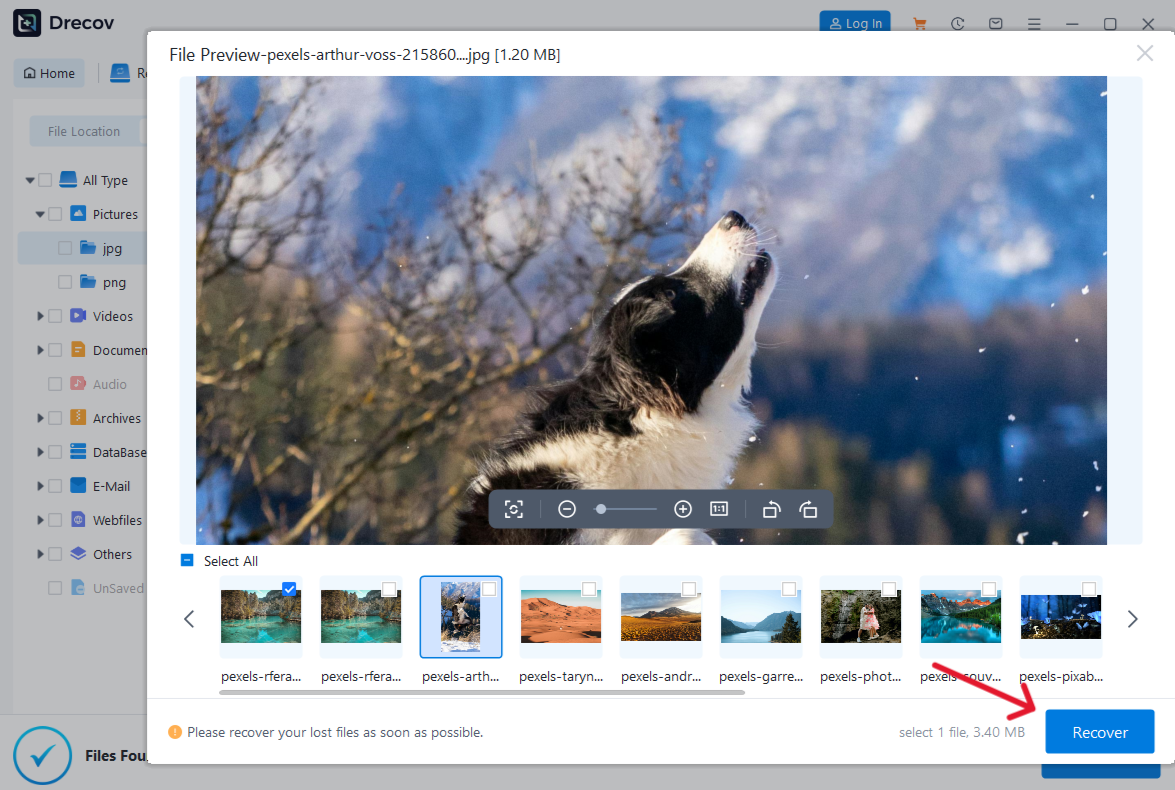
Recover Elsewhere and Verify Before Repair
Recover chosen user data to the prepared separate drive, never to the source. If results are not in the expected destination path, inspect Drecov Folder or Recovery Folder for this topic in scenario 7. Open work user data, inspect media, test archives, and compare recovered folders with backup inventories before changing Windows. Complete that validation before DISM, SFC, CHKDSK, cache renaming, an in-place repair install, Reset this PC, or a clean reinstall.
Repair Policy, Services, or Component Health
Run the Windows Update Troubleshooter
Use the current Get Help or Settings workflow and keep the protected set code. It can identify common service and configuration problems. Define what success looks like before the change, retest the existing symptom afterward, and stop repeating the action if the evidence remains unchanged.
Read Update History Before Clearing Anything
The failed package and error code make the next step specific. Clearing caches without evidence can obscure the timeline. Define what success looks like before the change, retest the existing symptom afterward, and stop repeating the action if the evidence remains unchanged in scenario 7.
Check Services, Time, and Connectivity
Windows Update, BITS, correct time, and a stable connection are basic prerequisites. Managed devices may enforce different settings. Define what success looks like before the change, retest the existing symptom afterward, and stop repeating the action if the evidence remains unchanged in scenario 7.
Repair Component Health in Order
Use DISM before SFC when system servicing components are damaged. Record command results rather than repeating them blindly. Define what success looks like before the change, retest the existing symptom afterward, and stop repeating the action if the evidence remains unchanged in scenario 7.
Reserve Reset and Reinstall for the End
An in-place repair may preserve more than a reset, but all major repair paths deserve a verified backup first. Define what success looks like before the change, retest the existing symptom afterward, and stop repeating the action if the evidence remains unchanged in scenario 7.
Confirm the Protected set and Avoid a Second Loss
Open work user data, inspect media, test archives, and compare recovered folders with backup inventories before changing Windows in scenario 7. system-file corruption checks Keep the recovered copy and any disk image until the underlying problem has remained stable through several normal uses in scenario 7.
- Do not treat “Updates are paused” as proof of a different cause without completing its related check.
- Do not treat “Download remains at zero” as proof of a different cause without completing its related check.
- Do not treat “Install fails with a code” as proof of a different cause without completing its related check.
- Do not treat “Managed policy is shown” as proof of a different cause without completing its related check.
- Do not treat “System drive is nearly full” as proof of a different cause without completing its related check.
Windows Update Health Questions
Is the warning itself malware?
The Windows message normally reflects update health, but verify it inside Settings rather than trusting a web pop-up.
Should I delete SoftwareDistribution?
Use current Microsoft guidance and preserve user data first; do not delete unrelated folders.
Can low space cause update failure?
Yes, servicing requires working space, but the exact requirement varies by operation.
Can Drecov install missing fixes?
No. It protects or recovers local user data before Windows repair.
What if policy manages updates?
Contact the organization administrator rather than bypassing controls.
When troubleshooting “device missing security and quality fixes”, begin with the least invasive step and verify recovered files before attempting repairs.
Conclusion
When your device is missing important security and quality fixes, use Update history to identify the failed stage, then address policy, services, space, or servicing health. Protect personal user data before high-impact repair. Drecov can recover local data from a stable Windows disk to another external drive before reset or reinstallation.






