







RAW video problems can happen unexpectedly after a camera crash, interrupted transfer, storage corruption, or accidental formatting. Many users discover that their raw video files suddenly become inaccessible, appear as damaged clips, or display a black screen during playback. In some cases, users encounter issues like raw black videos, incomplete recordings, or even missing footage after a system failure.
This guide explains the most common causes behind corrupted raw videos, practical recovery methods, and proven solutions to repair playback issues. You will also learn how to recover lost footage from SD cards, cameras, drones, SSDs, and external hard drives safely.
Understanding RAW Video Files and Playback Issues
What Is a RAW Video File?
A raw video file stores minimally processed visual data directly from a camera sensor. Unlike compressed formats such as MP4 or MOV, RAW footage preserves more color depth, dynamic range, and editing flexibility. Professional filmmakers and content creators commonly use RAW recording formats for post-production work.
Popular RAW video formats include:
- REDCODE RAW
- CinemaDNG
- BRAW
- ProRes RAW
- Canon Cinema RAW
- ARRIRAW
Because these files contain massive amounts of uncompressed or lightly compressed data, they are more vulnerable to corruption when storage devices fail or transfers are interrupted.
RAW footage is widely used in:
- Professional filmmaking
- Commercial advertising
- Wedding videography
- Drone cinematography
- Documentary production
Although RAW recording delivers outstanding quality, users may occasionally experience damaged clips, missing metadata, or playback errors that result in raw black videos or inaccessible footage.
Why RAW Videos Become Corrupted
Several factors can cause raw videos to stop working properly. In many situations, the video itself still exists, but the file structure becomes unreadable.
Common causes include:
- Sudden power failure during recording
- Removing SD cards while transferring files
- Corrupted storage sectors
- Virus or malware infection
- Improper formatting
- Camera firmware crashes
- Interrupted editing exports
- Failed video conversions
⚠️Warning: Continuing to record new footage onto the same storage device may overwrite recoverable data permanently.
When corruption occurs, users may notice symptoms such as:
- Videos showing only a black screen
- Audio without visuals
- Unsupported format messages
- Frozen playback
- Missing thumbnails
- Partial clips
Some users describe these damaged clips as blacked raw full videos because the footage exists but cannot display correctly.
Common Symptoms of RAW Video Corruption
RAW Videos Showing a Black Screen
One of the most frustrating problems involves raw black videos that contain audio but no visible image. This issue often appears after incomplete file transfers or editing software crashes.
Possible reasons include:
- Missing codec information
- Damaged frame indexes
- Corrupted headers
- Incomplete rendering
The video player may continue running while the display remains entirely black.
Files Become Unplayable After Transfer
Large RAW footage files require stable transfer speeds. If a transfer is interrupted, the copied file may become partially damaged.
Typical signs include:
- Playback freezing midway
- Sudden application crashes
- Unsupported media format errors
- Videos stuck at 0 seconds
This commonly affects creators transferring footage from:
- DSLR cameras
- Mirrorless cameras
- Drones
- Cinema cameras
- External SSDs
Missing RAW Footage After Formatting
Accidental formatting is another major reason users lose important raw video recordings. Sometimes the storage device itself becomes RAW format, preventing access to all saved data.
When this happens:
- The drive may ask to be formatted again
- The storage appears empty
- Files disappear from folders
- Devices show inaccessible partition errors
Fortunately, formatted footage may still be recoverable if new data has not overwritten the original sectors.
How to Recover RAW Video Files Successfully
Method 1: Recover Deleted RAW Videos Using PandaOffice Drecov
If your RAW footage has been deleted, formatted, or corrupted, a professional recovery tool can often restore inaccessible files safely.
Why PandaOffice Drecov Helps Recover RAW Footage
PandaOffice Drecov provides advanced deep scanning technology designed for recovering large media files, including damaged or deleted RAW footage from cameras, SSDs, USB drives, and memory cards.
Key features include:
- Deep scan for deleted video fragments
- Support for major RAW formats
- Preview before recovery
- Recovery from formatted storage devices
- High success rate for large video files
Test Environment
- Device: Sony A7S III SD card
- Storage Capacity: 128GB
- Operating System: Windows 11
- File Type: Cinema RAW Light
- Problem: Accidental formatting
Steps to Recover RAW Videos
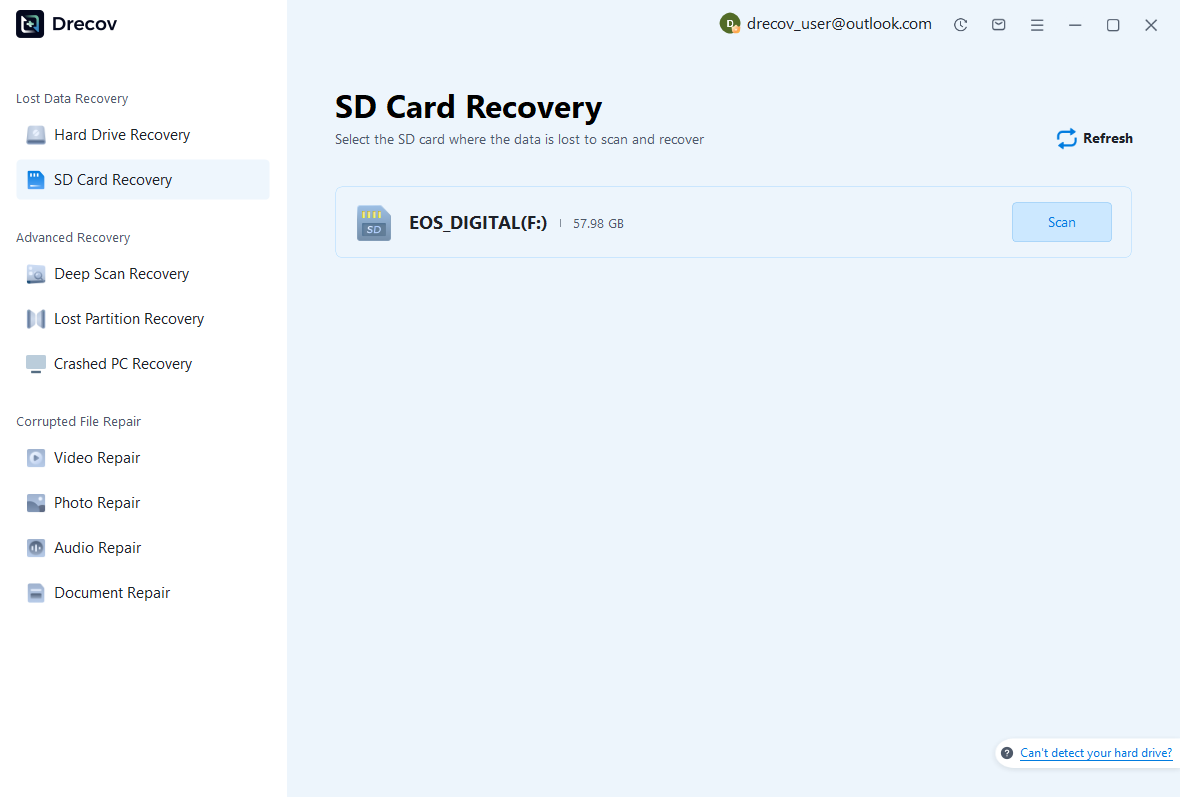
Step 1: Connect the Storage Device
Insert the SD card, SSD, or external drive into your computer securely.
Step 2: Launch PandaOffice Drecov
Open the recovery software and choose the affected storage device.
Step 3: Start Deep Scan
Allow the program to scan for lost RAW footage. Large drives may require additional time.
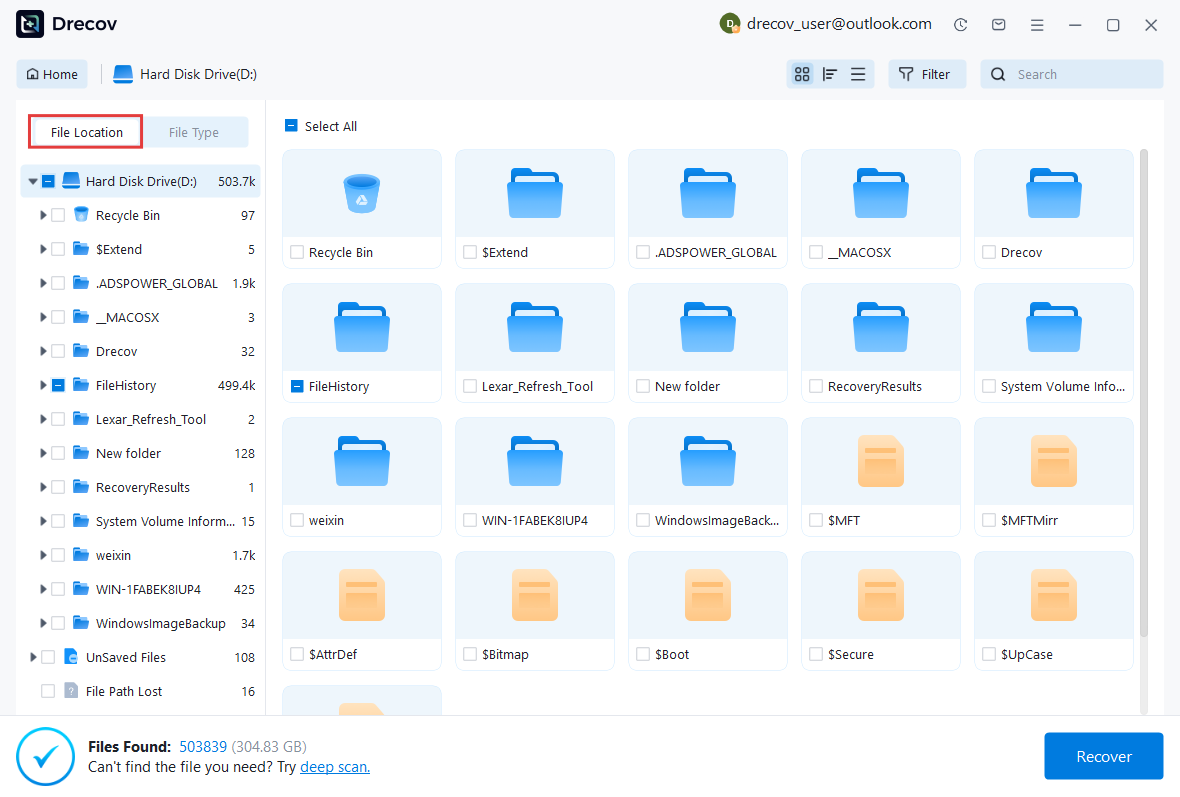
Step 4: Preview Recoverable Files
Locate the missing clips and preview available footage before recovery.
Step 5: Save Recovered Videos
Export the restored files to a separate storage location to avoid overwriting data.

Why Choose PandaOffice Drecov Recovery Software?
PandaOffice Drecov offers a fast, secure, and user-friendly solution for recovering lost files across multiple scenarios. Whether you need email recovery, ZIP File Recovery, format data recovery, or help to recover deleted drafts Outlook, the software provides reliable recovery performance for both personal and business users.
PandaOffice Drecov supports recovery from formatted hard drives, SSDs, USB drives, SD cards, and external storage devices. Its advanced scanning engine can locate deleted archives, damaged ZIP files, lost Outlook drafts, and accidentally removed documents with high accuracy. For users searching for how to find deleted messages in Teams, PandaOffice Drecov can also help recover exported chat files, attachments, and related local cache data when available.
Key advantages include:
- Deep scan technology for complex data loss situations
- Support for emails, archives, videos, photos, and office documents
- Recovery from accidental deletion, formatting, corruption, and system crashes
- Easy preview before restoring files
- Compatible with Windows and multiple storage devices
Unlike complicated enterprise recovery tools, PandaOffice Drecov keeps the recovery process simple. Users can scan, preview, and restore files in just a few steps without technical expertise.
Whether you are dealing with lost Outlook drafts, corrupted ZIP archives, formatted drives, or missing communication data, PandaOffice Drecov provides an efficient and practical recovery experience designed to minimize downtime and protect important files.
⚠️Warning: Never recover files back to the original damaged drive.
Method 2: Repair Corrupted RAW Videos With VLC Media Player
VLC Media Player includes built-in repair capabilities that can sometimes fix damaged video indexes automatically.
Test Environment
- Device: DJI Drone Footage
- File Format: MOV RAW
- Operating System: macOS Sonoma
- Issue: Black screen playback
How to Repair Videos Using VLC
Step 1: Open VLC Preferences
Launch VLC and navigate to:
Tools → Preferences → Input/Codecs
Step 2: Enable Automatic Repair
Locate the AVI repair setting and choose:
“Always Fix”
Step 3: Reopen the Corrupted File
Import the damaged clip again and check playback.
Although VLC works best for AVI corruption, it may help restore partial playback for some black raw full videos.
Method 3: Convert RAW Video Formats
Sometimes the problem lies with unsupported codecs rather than actual corruption. Converting the footage to another format may restore accessibility.
Test Environment
- Device: Blackmagic Pocket Cinema Camera
- File Type: BRAW
- Operating System: Windows 10
- Issue: Unsupported playback format
Recommended Conversion Steps
Step 1: Install a Compatible Converter
Use reliable editing or transcoding software capable of handling RAW footage.
Step 2: Import the Problematic File
Load the inaccessible clip into the conversion program.
Step 3: Export to MP4 or MOV
Convert the footage into a more widely supported format.
Step 4: Test Playback
Open the converted file using another media player.
In many cases, this process restores visibility for partially damaged raw videos.
Method 4: Restore RAW Videos From Backup Copies
Backup recovery remains the safest option whenever duplicate footage exists.
Test Environment
- Device: External SSD
- Backup Source: NAS storage
- File Type: ProRes RAW
- Issue: SSD corruption
Recovery Procedure
Step 1: Locate Existing Backups
Check:
- Cloud storage
- NAS systems
- External drives
- Editing project archives
Step 2: Verify Backup Integrity
Preview the files before restoring them.
Step 3: Copy Videos to a Healthy Drive
Transfer recovered footage to a stable storage device.
This method is especially useful for recovering entire project folders containing blacked raw full videos after editing software crashes.
How to Prevent RAW Video Corruption
Use High-Quality Storage Devices
Professional RAW recording generates enormous amounts of data continuously. Low-quality memory cards may fail under sustained write speeds.
Recommended practices include:
- Use V90 SD cards for 4K/8K recording
- Buy genuine storage products
- Avoid heavily worn memory cards
- Monitor card health regularly
Safely Remove External Devices
Unexpected disconnection remains one of the leading causes of raw black videos and corrupted media structures.
Always:
- Eject drives safely
- Wait for transfers to complete
- Avoid unplugging during editing
Maintain Stable Power During Recording
Battery failures during recording frequently damage RAW footage containers.
Helpful precautions:
- Use fully charged batteries
- Connect cameras to external power when possible
- Monitor recording status carefully
⚠️Warning: Sudden shutdowns during active recording can permanently damage large video files.
Create Multiple Backup Copies
Professional videographers often follow the “3-2-1 backup rule”:
- 3 copies of data
- 2 different storage types
- 1 offsite backup
This significantly reduces the risk of permanent RAW footage loss.
Advanced Fixes for Black RAW Full Videos
Repair Video Headers Using Editing Software
Some editing programs can rebuild damaged metadata automatically.
Programs commonly used include:
- DaVinci Resolve
- Adobe Premiere Pro
- Final Cut Pro
Importing corrupted clips into professional software sometimes restores playback functionality.
Test Environment
- Device: Canon EOS R5
- File Type: Canon RAW
- Operating System: macOS Ventura
- Issue: Missing thumbnails and black playback
Rebuild Corrupted File Structures
Advanced video repair utilities may reconstruct damaged frame indexes.
This process can help when:
- Videos show 0 KB size incorrectly
- Playback duration appears missing
- Files cannot open normally
These tools analyze existing video data and attempt to rebuild missing structures.
Extract Recoverable Frames
When complete recovery fails, individual frames may still be salvageable.
Professional recovery software can sometimes extract:
- Partial image sequences
- Thumbnail previews
- Video snapshots
This option is useful when severely damaged black raw full videos cannot be repaired entirely.
Best Practices for Handling RAW Video Files
Avoid Editing Directly From SD Cards
Editing directly from removable media increases corruption risks.
Instead:
- Copy footage to local SSD storage
- Verify transfer completion
- Edit using duplicated files
Keep Firmware Updated
Camera manufacturers regularly release firmware updates to improve recording stability.
Outdated firmware may cause:
- File writing bugs
- Recording interruptions
- Codec compatibility issues
Monitor Drive Health Frequently
Large RAW workflows place heavy stress on SSDs and external drives.
Useful monitoring practices include:
- Checking SMART status
- Monitoring bad sectors
- Replacing aging drives proactively
These habits help reduce the risk of losing valuable raw video projects unexpectedly.
FAQ About RAW Video Recovery
Can RAW Videos Be Fully Recovered?
Yes, in many situations corrupted or deleted RAW footage can be restored successfully. Recovery success depends on:
- Whether new data overwrote the files
- Storage device condition
- Severity of corruption
Using recovery software immediately after data loss improves success rates significantly.
Why Do RAW Videos Turn Black?
Raw black videos often result from damaged video indexes, interrupted transfers, or unsupported codecs. Sometimes the video data still exists but playback software cannot interpret it correctly.
Can Formatted RAW Footage Be Restored?
Yes. Quick formatting usually removes file references rather than permanently erasing the footage itself. Recovery tools can often locate recoverable data fragments afterward.
How Long Does RAW Video Recovery Take?
Recovery time varies depending on:
- Drive size
- File fragmentation
- Storage speed
- Corruption severity
Large cinema RAW projects may require several hours to scan completely.
Are Blacked RAW Full Videos Permanently Damaged?
Not always. Many blacked raw full videos can be repaired by rebuilding metadata, converting formats, or recovering original file structures using specialized utilities.
⚠️Warning: Continuing to use a failing storage device may worsen corruption and reduce recovery chances.
Conclusion
Recovering damaged or missing RAW footage is often possible with the right approach. Whether you are dealing with deleted clips, inaccessible storage devices, playback failures, or black raw full videos, acting quickly is extremely important.
The most effective recovery strategies include:
- Using professional recovery software
- Repairing damaged video structures
- Converting unsupported formats
- Restoring from backups
- Preventing future corruption through safe storage practices
RAW footage contains valuable creative work that may still be recoverable even after severe corruption. By following the methods outlined above, users can improve the chances of restoring damaged raw videos safely and efficiently.






