







Understanding Ntoskrnl.exe and Why It Matters
Windows systems rely on several critical kernel files to manage memory, hardware communication, processes, and system stability. One of the most important components is ntoskml.exe, often associated with Blue Screen of Death errors, unexpected reboots, high CPU usage, and startup failures. Many users search online for what is ntoskml exe after encountering system crashes connected to this file.
The actual Windows kernel executable is commonly referenced as ntoskml.exe or ntoskml exe in search results, although users may also confuse it with related kernel file names. This core process is responsible for low-level operating system operations, including hardware abstraction, memory allocation, process scheduling, and virtualization management.
When this system component becomes damaged or interacts incorrectly with hardware drivers, users may experience BSOD messages such as:
- MEMORY_MANAGEMENT
- IRQL_NOT_LESS_OR_EQUAL
- PAGE_FAULT_IN_NONPAGED_AREA
- SYSTEM_SERVICE_EXCEPTION
These crashes often occur unexpectedly during gaming, video editing, heavy multitasking, or system startup. In severe cases, Windows may fail to boot entirely.
Kernel-related problems can originate from faulty RAM, corrupted drivers, damaged system files, unstable overclocking, malware infections, or storage corruption. Understanding the root cause is essential before attempting repairs.
⚠️Warning: Never delete or manually replace kernel system files without proper system recovery tools because doing so may prevent Windows from booting.
Common Symptoms Associated With Ntoskrnl.exe Errors
Kernel-related Windows errors often appear differently depending on hardware conditions and software conflicts. Some users experience random crashes during gaming sessions, while others encounter BSOD loops immediately after startup.
One of the most common symptoms involves sudden Blue Screen errors mentioning memory management or driver failures. These crashes may happen during demanding tasks such as rendering videos, playing modern games, or transferring large files.
Performance problems also frequently accompany ntoskml.exe issues. Users sometimes report:
- High CPU usage
- Excessive RAM consumption
- System freezing
- Slow startup times
- Random reboots
- Audio stuttering
Another major sign involves failed Windows updates. Corrupted kernel-related system files can interfere with update installations, causing repeated rollback attempts.
Driver instability may also trigger crashes connected to the Windows kernel. Outdated graphics drivers, incompatible storage drivers, and unstable motherboard firmware often contribute to system instability.
In more severe situations, Windows enters automatic repair loops after startup failures. This usually indicates serious file corruption or hardware-level problems affecting kernel operations.
Test Environment:
- Device: Windows 11 Gaming Desktop
- CPU: Intel Core Ultra 9
- RAM: 64GB DDR5
- GPU: NVIDIA RTX 5090
- Crash Scenario: Random BSOD during gaming and multitasking
Main Causes Behind Ntoskrnl.exe Blue Screen Errors
Several underlying factors can trigger kernel-related crashes. Understanding these causes helps users identify the correct troubleshooting method instead of applying unnecessary fixes.
Faulty memory modules remain one of the leading causes. Since the Windows kernel constantly manages RAM operations, unstable or defective memory can trigger BSOD errors quickly.
Corrupted system files represent another major problem. Improper shutdowns, failed updates, malware attacks, and storage damage can corrupt important Windows components.
Outdated or incompatible drivers also contribute heavily to kernel instability. GPU drivers, audio drivers, chipset firmware, and storage controllers frequently appear in crash reports connected to ntoskml exe errors.
Overclocking settings may create additional instability. Aggressive CPU or RAM overclocking sometimes pushes systems beyond stable operating limits, especially during resource-intensive applications.
Storage device failures can also damage kernel files. Bad sectors on SSDs or HDDs occasionally corrupt system components during read and write operations.
Malware infections remain another overlooked cause. Some malicious software targets low-level system processes, resulting in memory corruption or unauthorized driver modifications.
⚠️Warning: Repeated BSOD crashes may indicate failing hardware. Continuing to use unstable systems can increase data corruption risks.
Run Windows Memory Diagnostic to Detect RAM Problems
Memory-related issues commonly trigger kernel crashes, making RAM diagnostics one of the most important troubleshooting steps. Windows includes a built-in Memory Diagnostic tool capable of detecting hardware instability.
To launch the diagnostic utility:
- Press Windows + R.
- Type mdsched.exe.
- Select Restart now and check for problems.
- Allow the memory scan to complete.
The system automatically reboots and performs multiple memory tests during startup. After completion, Windows displays the diagnostic report inside Event Viewer.
If errors appear, users should:
- Reseat RAM modules
- Test sticks individually
- Disable XMP or EXPO overclocking
- Replace defective memory modules
Faulty RAM often causes unpredictable BSOD patterns that appear randomly across different applications.
Advanced users may also use MemTest86 for deeper stress testing. This tool provides more comprehensive memory analysis than the default Windows diagnostic utility.
Test Environment:
- Device: ASUS ROG Gaming PC
- RAM Tested: 32GB DDR5
- Diagnostic Tool: Windows Memory Diagnostic
- Failure Scenario: Frequent MEMORY_MANAGEMENT BSOD
Repair Corrupted Windows System Files Using SFC and DISM
Corrupted Windows files can trigger persistent kernel-related crashes. Fortunately, Microsoft provides built-in repair utilities that scan and restore damaged system components automatically.
Use the System File Checker Tool
The System File Checker scans protected Windows files and replaces corrupted versions with clean copies.
Steps:
- Open Command Prompt as Administrator.
- Run:
sfc /scannow - Wait for the scan to finish.
- Restart the computer.
This process may repair damaged system files connected to ntoskml.exe crashes.
Run DISM for Advanced System Repair
If SFC cannot fix corruption fully, users can run Deployment Image Servicing and Management commands.
Execute:
DISM /Online /Cleanup-Image /RestoreHealth
DISM downloads healthy system components directly from Windows Update servers and repairs deeper operating system corruption.
Users should run SFC again after completing DISM repairs for best results.
Test Environment:
- Device: Dell Precision Workstation
- Windows Version: Windows 11 Pro
- Repair Scenario: Corrupted update files causing BSOD
- Tools Used: SFC and DISM commands
Update Drivers to Prevent Kernel Conflicts
Driver incompatibility remains one of the most common causes of kernel instability. Modern hardware depends heavily on optimized drivers to communicate properly with Windows.
Graphics drivers frequently trigger BSOD crashes during gaming or video rendering. Installing the latest GPU drivers from official manufacturers often improves system stability significantly.
Users should also update:
- Motherboard chipset drivers
- Network adapters
- Audio drivers
- Storage controller firmware
- BIOS updates
To update drivers manually:
- Open Device Manager.
- Expand hardware categories.
- Right-click devices.
- Select Update Driver.
- Install updated versions.
Users experiencing crashes after driver updates may instead need to roll back unstable versions.
Clean driver installations can also help. GPU manufacturers like NVIDIA and AMD offer clean installation options that remove older driver remnants.
Test Environment:
- Device: Lenovo Legion Creator Laptop
- GPU Driver Tested: NVIDIA Studio Driver
- Issue Type: IRQL_NOT_LESS_OR_EQUAL BSOD
- Recovery Result: Stable operation after clean driver install
Use Pandaoffice Drecov to Recover Lost Files After BSOD Crashes
Severe kernel crashes sometimes corrupt important files or make stored data inaccessible. Users may lose documents, videos, editing projects, or game files after repeated BSOD events or failed Windows repairs.
In these situations, Pandaoffice Drecov provides a reliable recovery solution for restoring deleted or inaccessible files from damaged drives.
The software supports recovery from:
- SSDs
- HDDs
- USB drives
- SD cards
- Formatted partitions
Step 1: Install Pandaoffice Drecov
Install the software on a separate drive from the affected system partition whenever possible.
Step 2: Select the Problem Drive
Choose the storage device containing lost files after the crash.
Step 3: Start a Deep Scan
Run a full scan to search for deleted or corrupted files.
Step 4: Preview and Recover Data
Preview recoverable content and restore important files safely.
This method is especially useful after failed Windows repairs, boot loops, or partition corruption caused by kernel crashes.
Test Environment:
- Device: Windows 11 Workstation
- Storage: 2TB NVMe SSD
- Crash Scenario: Repeated BSOD causing inaccessible files
- File Types Recovered: Documents, videos, PSD files, project folders
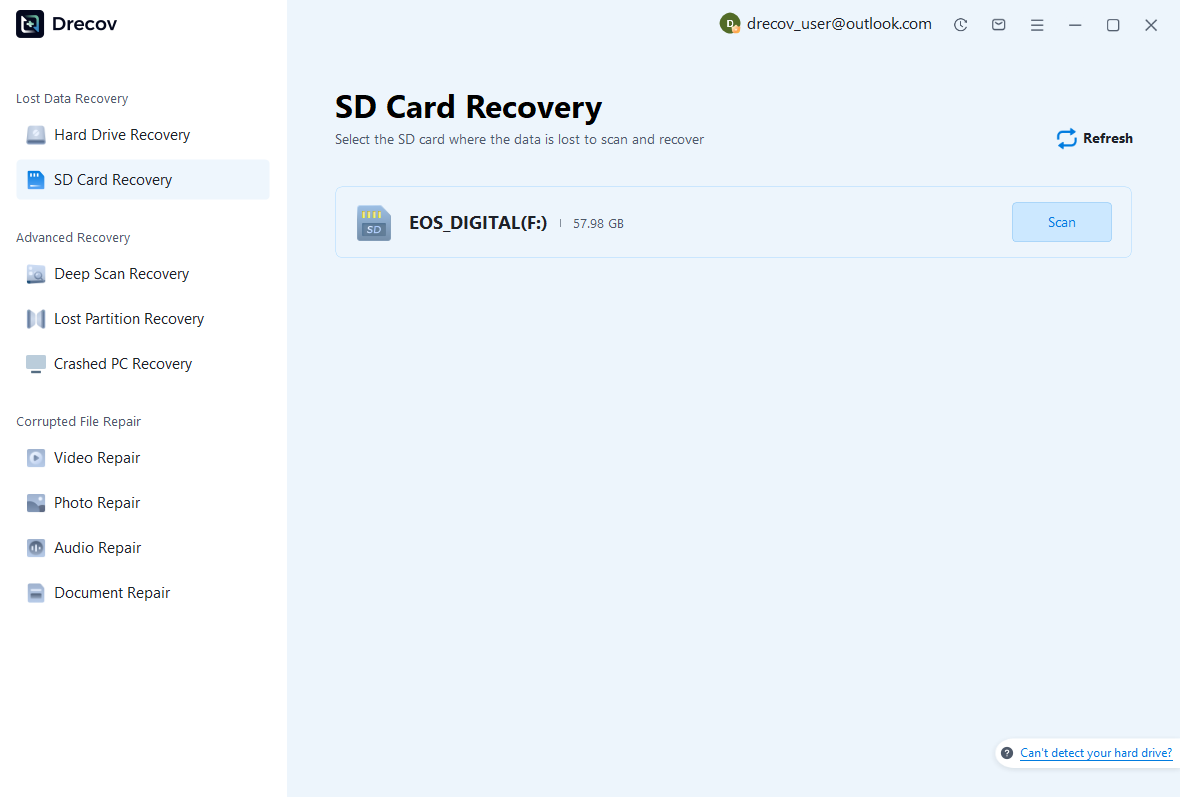


Why Choose PandaOffice Drecov Recovery Software?
PandaOffice Drecov offers a fast, secure, and user-friendly solution for recovering lost files across multiple scenarios. Whether you need email recovery, ZIP File Recovery, format data recovery, or help to recover deleted drafts Outlook, the software provides reliable recovery performance for both personal and business users.
PandaOffice Drecov supports recovery from formatted hard drives, SSDs, USB drives, SD cards, and external storage devices. Its advanced scanning engine can locate deleted archives, damaged ZIP files, lost Outlook drafts, and accidentally removed documents with high accuracy. For users searching for how to find deleted messages in Teams, PandaOffice Drecov can also help recover exported chat files, attachments, and related local cache data when available.
Key advantages include:
- Deep scan technology for complex data loss situations
- Support for emails, archives, videos, photos, and office documents
- Recovery from accidental deletion, formatting, corruption, and system crashes
- Easy preview before restoring files
- Compatible with Windows and multiple storage devices
Unlike complicated enterprise recovery tools, PandaOffice Drecov keeps the recovery process simple. Users can scan, preview, and restore files in just a few steps without technical expertise.
Whether you are dealing with lost Outlook drafts, corrupted ZIP archives, formatted drives, or missing communication data, PandaOffice Drecov provides an efficient and practical recovery experience designed to minimize downtime and protect important files.
Disable Overclocking to Improve System Stability
Many gaming PCs and creator workstations use overclocking to improve performance. However, unstable CPU, GPU, or RAM overclocks frequently trigger kernel-level crashes connected to ntoskml exe problems.
Overclocking increases voltage and frequency beyond manufacturer defaults. While this can boost performance, it may also introduce memory instability and overheating issues.
Users experiencing repeated BSOD errors should temporarily disable:
- CPU overclocking
- GPU overclocking
- RAM XMP or EXPO profiles
This can be done through BIOS or UEFI settings.
After resetting hardware to stock speeds, users should monitor system stability for several days. If crashes disappear, the previous overclock settings were likely unstable.
Temperature monitoring tools such as HWMonitor or MSI Afterburner can help identify overheating conditions contributing to instability.
⚠️Warning: Excessive overclocking may permanently damage hardware components if temperatures and voltages exceed safe limits.
Test Environment:
- Device: Custom Gaming PC
- CPU: Ryzen 9 9950X
- GPU: RTX 5090
- Failure Type: Random BSOD during gaming benchmarks
Scan for Malware and Suspicious System Modifications
Malware can interfere with low-level Windows processes and trigger unexpected crashes. Some malicious software targets system drivers, modifies registry entries, or injects code into critical operating system components.
Users concerned about what is ntoskml exe sometimes discover fake processes imitating legitimate Windows files. Malware occasionally uses similar filenames to avoid detection.
Running a full antivirus scan can help identify hidden threats. Recommended steps include:
- Update antivirus definitions.
- Perform a full system scan.
- Remove suspicious files.
- Restart the system.
Windows Security already includes Microsoft Defender, which provides strong protection for most users.
Advanced users may also use:
- Malwarebytes
- ESET Online Scanner
- Bitdefender Rescue Environment
Safe Mode scanning can improve malware removal success because fewer background processes remain active.
Test Environment:
- Device: HP Omen Desktop
- Security Tool: Microsoft Defender
- Infection Type: Trojan modifying startup processes
- Recovery Result: Stable operation after malware removal
Check Storage Drives for Errors and Bad Sectors
Failing storage drives can damage important Windows files and trigger repeated kernel crashes. SSD corruption and HDD bad sectors often cause unstable system behavior during boot or file access operations.
Windows includes built-in disk repair utilities capable of scanning storage devices for errors.
To run CHKDSK:
- Open Command Prompt as Administrator.
- Enter:
chkdsk /f /r - Restart the computer if prompted.
The scan checks file system integrity and attempts to repair damaged sectors.
Users should also monitor SSD health using manufacturer utilities such as:
- Samsung Magician
- WD Dashboard
- Crucial Storage Executive
SMART status warnings often indicate upcoming hardware failure.
Storage-related kernel crashes typically worsen over time. Early detection helps prevent permanent data loss.
⚠️Warning: Clicking sounds from HDDs may indicate mechanical failure. Immediately back up important files if unusual drive noises appear.
Test Environment:
- Device: Acer Predator Desktop
- Storage Type: 4TB HDD
- Issue Type: Bad sectors causing BSOD loops
- Repair Tool: CHKDSK and SMART diagnostics
Perform a Clean Windows Boot to Identify Software Conflicts
Third-party applications sometimes conflict with drivers and system services, creating instability connected to kernel crashes.
A Clean Boot starts Windows using only essential Microsoft services, helping isolate problematic background software.
To perform a Clean Boot:
- Press Windows + R.
- Type msconfig.
- Open System Configuration.
- Disable non-Microsoft services.
- Disable startup applications.
- Restart the system.
If crashes stop after a Clean Boot, one of the disabled applications likely caused the issue.
Users can then re-enable services gradually until the conflicting software is identified.
RGB control utilities, hardware monitoring applications, and outdated audio enhancement tools commonly trigger kernel-related conflicts.
Test Environment:
- Device: MSI Creator Laptop
- Windows Version: Windows 11
- Conflict Type: Third-party monitoring utility
- Result: Stable operation after software removal
Reset or Reinstall Windows as a Last Resort
If all troubleshooting methods fail, reinstalling Windows may provide the most reliable solution. Clean installations remove corrupted system files, damaged drivers, and deeply embedded software conflicts.
Windows provides two reset options:
- Keep personal files
- Remove everything
Users should always back up important files before reinstalling the operating system.
To reset Windows:
- Open Settings.
- Select System.
- Choose Recovery.
- Click Reset this PC.
- Follow on-screen instructions.
Clean installations typically provide better long-term stability than repair installations.
Users upgrading storage drives during reinstallation may also improve performance significantly.
Test Environment:
- Device: Surface Laptop Studio
- Windows Build: Windows 11 25H2
- Recovery Scenario: Persistent BSOD despite repairs
- Result: Stable system after clean installation
Frequently Asked Questions About Ntoskrnl.exe Errors
What is ntoskml exe in Windows?
It refers to a critical Windows kernel process responsible for memory management, hardware communication, and core operating system operations.
Can ntoskml.exe cause Blue Screen errors?
Yes. Corrupted system files, defective RAM, unstable drivers, or hardware failures may trigger BSOD crashes connected to this component.
Is ntoskml.exe a virus?
The legitimate Windows kernel process is safe. However, malware may imitate similar filenames to hide malicious activity.
How do I fix ntoskml exe high CPU usage?
Users should update drivers, scan for malware, repair system files, and test memory stability.
Can RAM problems trigger kernel crashes?
Yes. Faulty memory is one of the most common causes of kernel-related BSOD errors.
Should I reinstall Windows to fix ntoskml.exe errors?
Reinstallation is usually recommended only after other troubleshooting methods fail.
Can SSD failures cause BSOD problems?
Yes. Corrupted storage devices may damage important Windows files and trigger startup crashes.
Final Thoughts on Fixing Ntoskrnl.exe Problems
Kernel-related crashes connected to ntoskml.exe can seriously affect system stability, productivity, and data safety. Fortunately, most problems can be resolved through structured troubleshooting and hardware diagnostics.
Memory testing, driver updates, malware scans, storage diagnostics, and system file repairs represent the most effective first-line solutions. Users should also avoid unstable overclocking and maintain updated Windows installations to reduce crash risks.
Understanding what is ntoskml exe helps users troubleshoot more confidently and recognize the importance of Windows kernel stability. Early detection of RAM failures, storage corruption, or software conflicts can prevent more serious system damage later.
For users who lose important files after BSOD crashes or failed repairs, Pandaoffice Drecov offers a practical recovery option for restoring inaccessible data from damaged drives.
Maintaining healthy hardware, regular backups, and updated drivers remains the best long-term strategy for preventing future Windows kernel errors and ensuring reliable system performance.






