







Overview of Email Deletion in Outlook
How Outlook Handles Deleted Emails and Mailbox Structure
Understanding how to how to remove email from outlook works requires knowing how Outlook stores and processes email data. When an email is deleted, it is not always permanently removed immediately. Instead, it may be moved to the Deleted Items folder or retained in recoverable storage depending on system settings.
Many users searching how to remove an email from outlook expect a permanent deletion, but Outlook often keeps emails temporarily for recovery purposes. This design helps prevent accidental data loss but can also lead to mailbox clutter if not managed properly.
In enterprise environments, email retention policies may also affect how long deleted emails remain accessible. This is why proper deletion methods are important for both performance and organization.
Why You Need to Remove Emails in Outlook
Common Reasons for Cleaning Up Outlook Mailboxes
Over time, Outlook mailboxes accumulate large amounts of unnecessary data. This includes old messages, duplicates, system-generated emails, and inactive account data.
Common reasons include:
- Mailbox storage reaching capacity
- Duplicate emails increasing confusion
- Old accounts still linked to Outlook
- Performance slowdown due to large PST files
- Better organization of important messages
Users often search outlook remove duplicate emails when their inbox becomes cluttered or synchronization errors occur between devices.
In some cases, users also need to remove email account from outlook when switching providers or closing old accounts.
⚠️ Warning: Deleting emails permanently without backup may result in irreversible data loss.
Methods to Remove Emails in Outlook
Method 1: Manually Delete Emails in Outlook
Test Environment: Outlook 365 on Windows 11 with standard IMAP account
The most direct way to manage mailbox cleanup is manual deletion. This method is commonly used for users searching how to remove email from outlook quickly.
Steps:
- Open Outlook inbox
- Select one or multiple emails
- Press Delete or right-click and choose Delete
- Empty Deleted Items folder for permanent removal
This method is effective for routine cleanup and small-scale email management.
Method 2: Remove Email Account from Outlook
Test Environment: Outlook 2019 with multiple configured accounts
When users switch email providers, they often need to fully disconnect an account from Outlook.
Steps:
- Open Outlook
- Go to File > Account Settings
- Select email account
- Click Remove
- Restart Outlook
This method is used when users want to remove email account from outlook completely, including synchronization data.
⚠️ Warning: Removing an account may delete locally stored cached data if not backed up.
Method 3: Delete Emails via Outlook Web Access
Test Environment: Outlook Web App (Microsoft 365 browser version)
The web version of Outlook provides a lightweight way to manage emails without desktop software.
Steps:
- Log in to Outlook Web
- Open mailbox folder
- Select emails
- Click Delete
- Empty Deleted Items folder
This method is useful for users who want to quickly how to remove an email from outlook without installing desktop apps.
Method 4: Remove Duplicate Emails in Outlook
Test Environment: Outlook 365 with IMAP synchronization enabled
Duplicate emails often occur due to sync errors or multiple account connections. Cleaning them improves performance.
Steps:
- Sort emails by subject or sender
- Identify duplicate messages
- Select duplicates in bulk
- Delete or move to archive
- Run mailbox cleanup tool
This method addresses outlook remove duplicate emails issues commonly seen in multi-device environments.
Method 5: Advanced Cleanup and Recovery Using PandaOffice Drecov
Test Environment: Windows 10 with corrupted Outlook data file
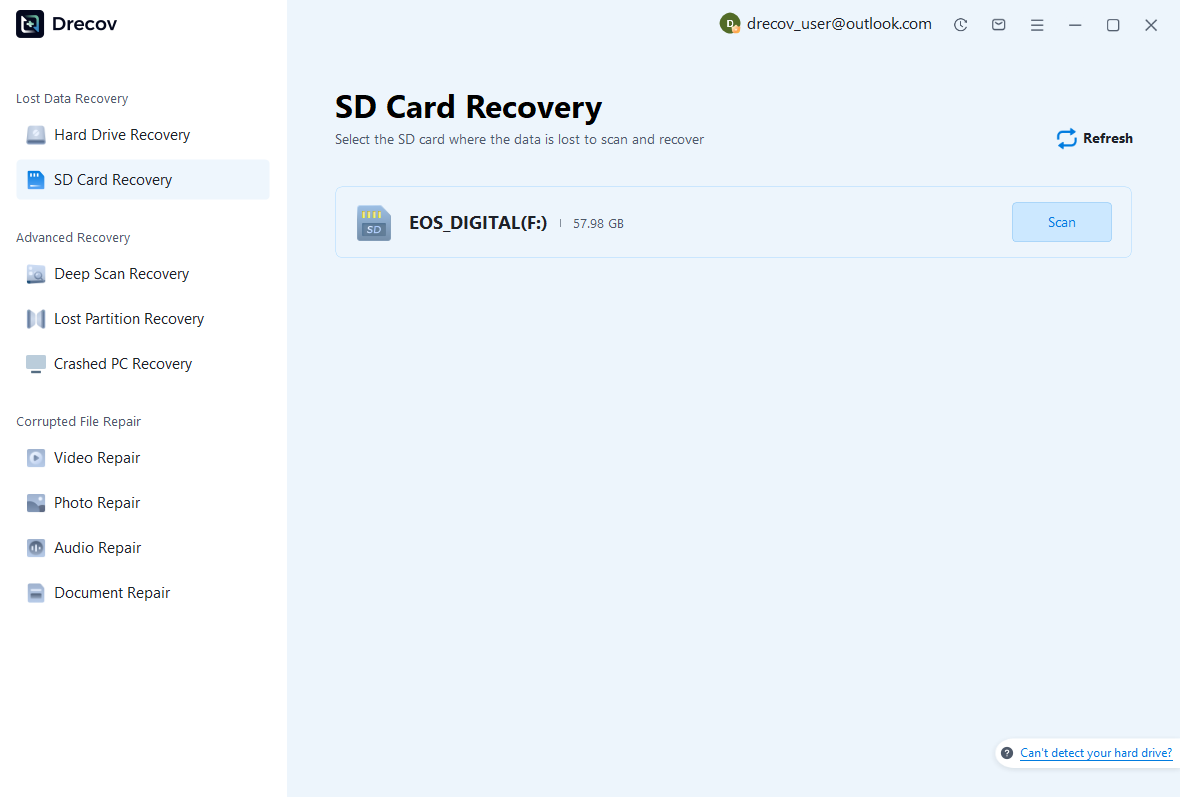
Sometimes email issues are not just duplicates or clutter but deeper corruption or accidental deletion. In such cases, PandaOffice Drecov can be used to recover, organize, and safely rebuild mailbox data.
Steps:
- Launch PandaOffice Drecov
- Scan Outlook data file (PST/OST)
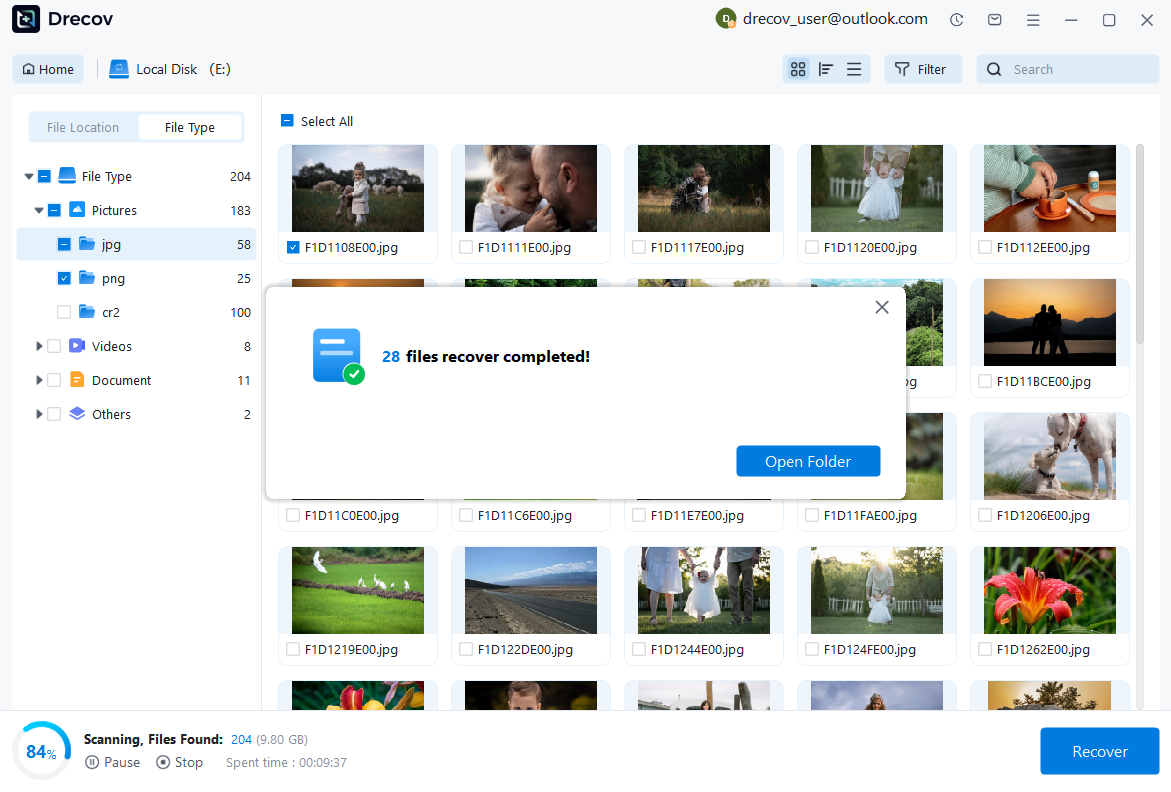
- Detect recoverable emails and duplicates
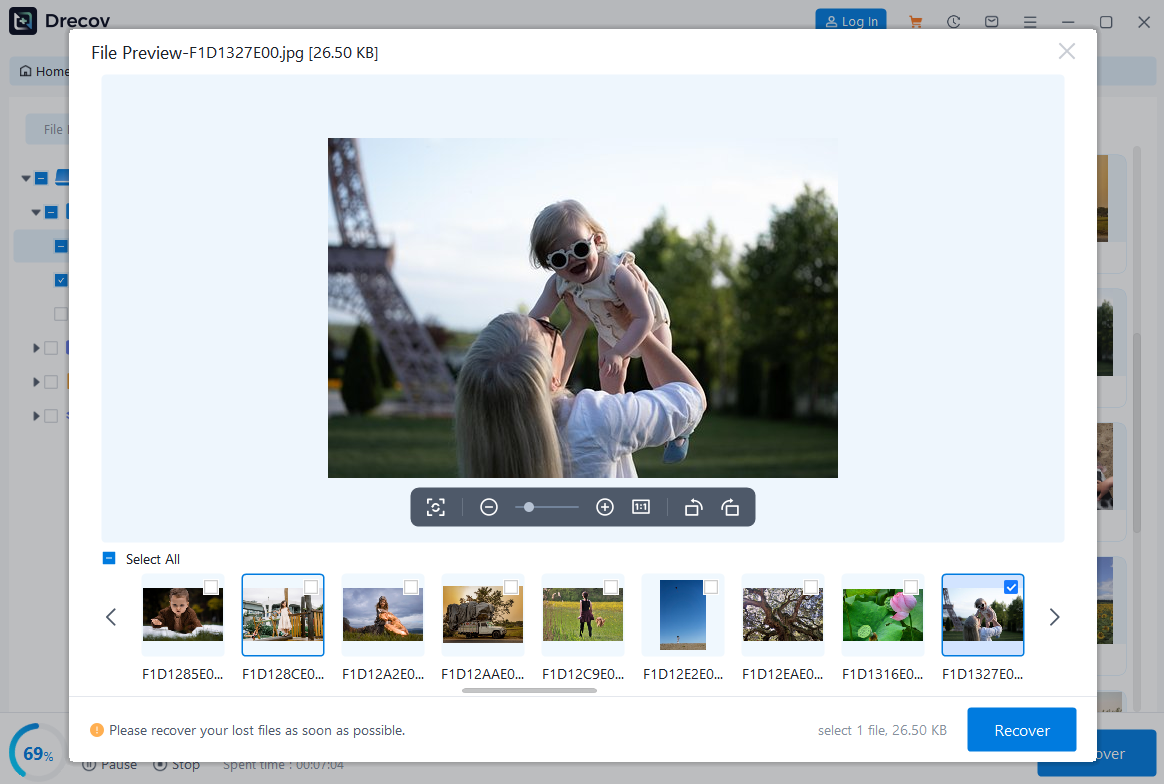
- Preview mailbox structure
- Restore clean version of email data
This method is especially useful when standard deletion methods fail or when users need structured recovery before cleanup.
Why Choose PandaOffice Drecov Data Recovery Software?
When it comes to reliable data recovery, PandaOffice Drecov stands out as a powerful, all-in-one solution designed to handle a wide range of data loss scenarios. Whether you’re trying to perform TikTok deleted video recovery, restore files after formatting, or recover important documents, Drecov delivers fast and dependable results.
One of its biggest advantages is versatility. From format data recovery to lost partition recovery, the software can scan deeply and accurately locate files that other tools often miss. Even if your drive has been accidentally formatted or a partition has disappeared, Drecov uses advanced algorithms to reconstruct and retrieve your data with high success rates.
Drecov also supports specialized recovery needs. If you’ve lost important documents, its PDF recovery tool ensures that files retain their original structure and quality. For media users, the audio recovery feature helps restore music, recordings, and other sound files without corruption, making it ideal for both personal and professional use.
Ease of use is another key benefit. The intuitive interface allows beginners to recover files in just a few clicks, while still offering advanced options for more experienced users. Plus, it supports a wide range of storage devices, including HDDs, SSDs, USB drives, and memory cards.
In short, PandaOffice Drecov combines powerful recovery capabilities with user-friendly design, making it a trusted choice for anyone facing data loss.
Method 6: Bulk Email Deletion Using Search Filters
Test Environment: Outlook 365 on Windows 11 with large mailbox (50,000+ emails)
When inbox size becomes unmanageable, manually deleting emails is inefficient. A more advanced approach is using Outlook’s built-in search filters to perform bulk deletion.
This method is commonly used when users search how to remove email from outlook at scale.
Steps:
- Open Outlook inbox
- Use search bar (e.g., by sender, date, or keyword)
- Filter results (e.g., older than 1 year)
- Select all filtered emails
- Delete in bulk
This significantly reduces mailbox size and improves Outlook performance.
⚠️ Warning: Always double-check filtered results before bulk deletion to avoid removing important emails.
Method 7: Clean Up Conversation Threads in Outlook
Test Environment: Outlook 2019 with conversation view enabled
Outlook groups emails into conversation threads, which can create redundancy and unnecessary duplication.
This method helps reduce clutter and is closely related to outlook remove duplicate emails scenarios.
Steps:
- Open Outlook folder
- Enable “Conversation View”
- Select conversation thread
- Use “Clean Up Conversation” feature
- Confirm deletion of redundant messages
This keeps only the latest or unique messages in a thread.
Method 8: Use Outlook Mailbox Cleanup Tool
Test Environment: Outlook 365 with large PST file (>10GB)
Outlook includes a built-in cleanup utility designed for storage optimization.
Steps:
- Go to File > Tools > Mailbox Cleanup
- Analyze mailbox size
- Find old or large emails
- Delete or archive selected items
- Empty Deleted Items folder
This method is effective for users dealing with performance issues caused by large email volume.
Method 9: Remove Email Account Residual Data After Deletion
Test Environment: Windows 10 with multiple Outlook profiles
Even after users perform remove email account from outlook, residual cached data may remain on the system.
Steps:
- Close Outlook
- Navigate to AppData Outlook folder
- Locate leftover OST/PST cache files
- Delete unnecessary cached data
- Restart Outlook
This ensures complete removal of old account data and prevents sync conflicts.
Method 10: Enterprise-Level Email Retention and Auto-Cleanup Policies
Test Environment: Microsoft Exchange Server + Outlook 365 enterprise environment
In business environments, email deletion is often controlled by retention policies rather than manual deletion.
Key features include:
- Automatic email aging rules
- Server-side deletion schedules
- Compliance-based retention policies
- Centralized mailbox cleanup rules
This approach ensures consistent control over how to remove email from outlook across all users in an organization.
Preventing Email Clutter and Duplicate Emails in Outlook
Smart Email Organization and Prevention Strategy
Instead of constantly cleaning emails, it is better to prevent clutter from forming in the first place.
Best practices include:
- Using folders and rules to auto-sort emails
- Disabling duplicate account synchronization
- Limiting multiple device sync conflicts
- Archiving old emails regularly
These methods significantly reduce the need for frequent outlook remove duplicate emails operations.
FAQ: Outlook Email Deletion and Cleanup
How to remove an email from Outlook safely?
The safest method is to delete emails first into the Deleted Items folder and verify before permanent deletion.
Can deleted emails be recovered in Outlook?
Yes, deleted emails can often be recovered from Deleted Items or Recoverable Items folder unless permanently purged.
Why do duplicate emails appear in Outlook?
Duplicates usually occur due to multiple account syncs, server issues, or incorrect import settings.
Does removing an email account delete all emails?
It may remove cached local data, but server-side emails remain if using IMAP or Exchange.
Conclusion: Effective Outlook Email Management Strategy
Final Summary of Email Deletion Practices
Understanding how to properly how to remove email from outlook is essential for maintaining a clean and efficient mailbox. Outlook provides multiple methods depending on user needs—from simple deletion to enterprise-level cleanup policies.
To summarize:
- Use manual deletion for small cleanup tasks
- Apply filters for bulk email removal
- Use cleanup tools for performance optimization
- Remove duplicate emails to improve organization
- Fully remove email accounts when switching providers
- Use advanced recovery tools like PandaOffice Drecov when data integrity issues occur
By combining these strategies, users can effectively manage outlook remove duplicate emails, reduce mailbox overload, and maintain long-term Outlook performance stability.





