







WHEA_UNCORRECTABLE_ERROR is commonly associated with bug check 0x124, which means Windows received an uncorrectable hardware error through the Windows Hardware Error Architecture. It can involve the CPU, memory path, PCIe device, motherboard, power, heat, or firmware interaction. The stop code alone does not name the failed part. Protect accessible files before stress tests, BIOS changes, driver experiments, or repeated boots. A clicking or disappearing drive needs immediate physical-risk handling, not more scanning.
Read 0x124 as a Report, Not a Component Verdict
WHEA gathers hardware-error information and Windows stops when continued execution is unsafe. A dump may identify an error source or bank, yet interpretation requires context. Do not translate every 0x124 into “replace the CPU” without corroborating evidence.
Record whether the event follows sleep, gaming, rendering, a firmware update, a new GPU, memory tuning, or a power interruption. Note the exact time and Event Viewer records. A repeatable trigger is more valuable than a list of unrelated fixes.
One isolated event still deserves backup and observation. A recurring WHEA_UNCORRECTABLE_ERROR at vendor defaults is a stronger reason for hardware diagnostics or warranty service.
Use the Symptoms to Set the Urgency
If Windows remains stable during light use, copy irreplaceable files in small verified sets. Pause demanding applications. Avoid creating system images when sustained load itself triggers crashes; prioritize unique data first.
When the computer resets during firmware screens, shows burning smells, loses power, or overheats rapidly, shut it down. Software troubleshooting cannot make unsafe electrical or thermal behavior acceptable.
Storage symptoms form a separate red line. Clicking, repeated disconnects, capacity changes, or widespread read errors call for imaging or professional recovery. WHEA_UNCORRECTABLE_ERROR may occur alongside a disk problem, but repeated scans can worsen failing media.
Protect Data Before Changing Firmware or Hardware
Copy important user data to a healthy external drive or confirmed cloud destination. Open samples from the destination. Preserve BitLocker recovery information because TPM, firmware, motherboard, and boot changes can prompt for the key.
Save screenshots or text records of current BIOS settings before loading defaults. Do not update firmware on a machine with unstable power. A failed firmware update can create a second problem that obscures the original WHEA evidence.
Keep the source disk unchanged when files are missing. CHKDSK, formatting, partition edits, and reinstalling Windows write data. They should follow recovery and verification, not precede them.
Where Drecov Fits—and Where It Does Not
PandaOffice Drecov recovers data in Windows from PCs, HDDs, SSDs, external drives, USB devices, SD cards, and memory cards. Its read-only recovery mode offers Quick Scan, Deep Scan, filters, preview, and recovery to another healthy destination. It supports common documents, photos, video, audio, email, and archives; Lost Partition Recovery addresses a missing partition.
Drecov is relevant only if WHEA crashes left files deleted, inaccessible, or stranded on stable, detectable storage. It does not cure 0x124, cool hardware, fix voltage, update firmware, or repair a physically failing device. Recovery success cannot be guaranteed, especially after overwriting or SSD TRIM.
⚠ Warning: Install it on a drive different from the one where your data was lost to prevent overwriting.
Drecov Steps When WHEA Crashes Caused File Loss
Step 1: Open Drecov and select the original location
Prepare a healthy destination and do not install Drecov on the source partition. Open Drecov only while the computer and source disk are stable. Select the former folder, partition, or device; use Lost Partition Recovery if the partition is missing.

Step 2: Run Quick Scan during a stable window
Start Quick Scan and inspect the affected profile or project paths. Keep other workloads closed. If the system cannot remain stable, stop and use a safer imaging or professional path.
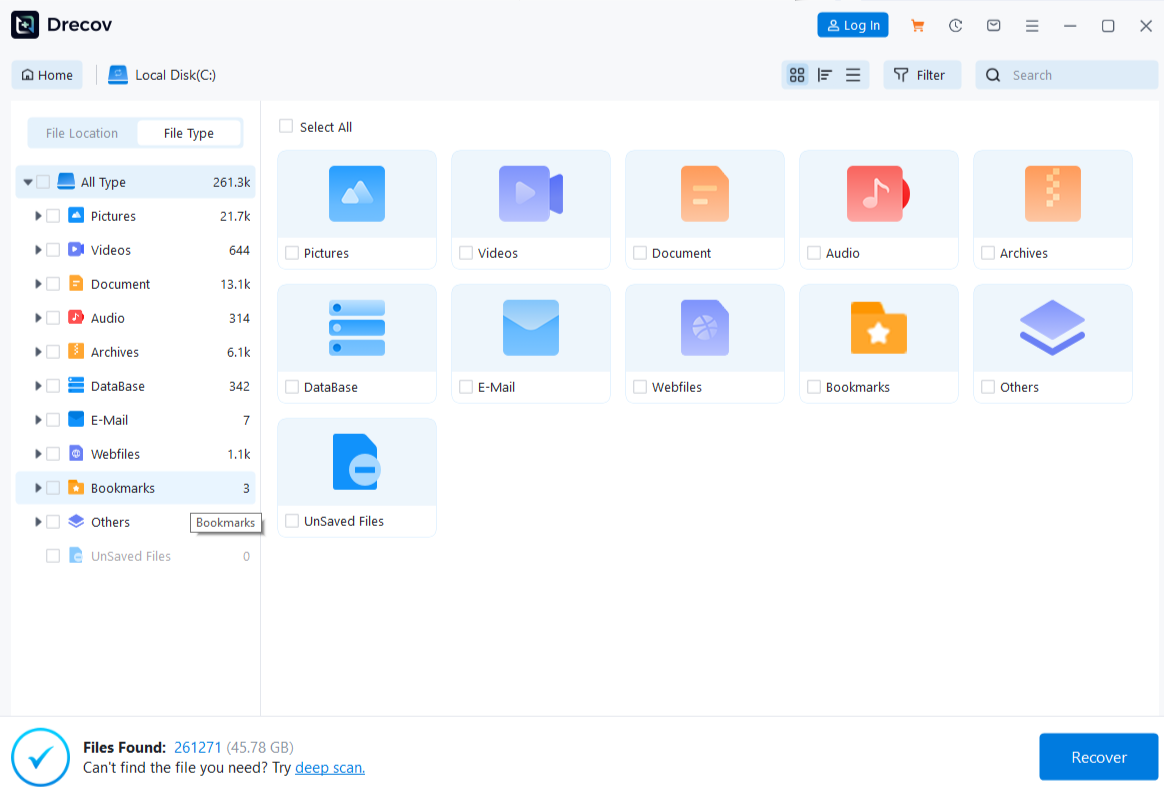
Step 3: Continue with Deep Scan only when reads remain consistent
Use Deep Scan if Quick Scan misses required files and the device has no physical warning signs. End the attempt if crashes, stalls, disconnects, or unusual noises appear.
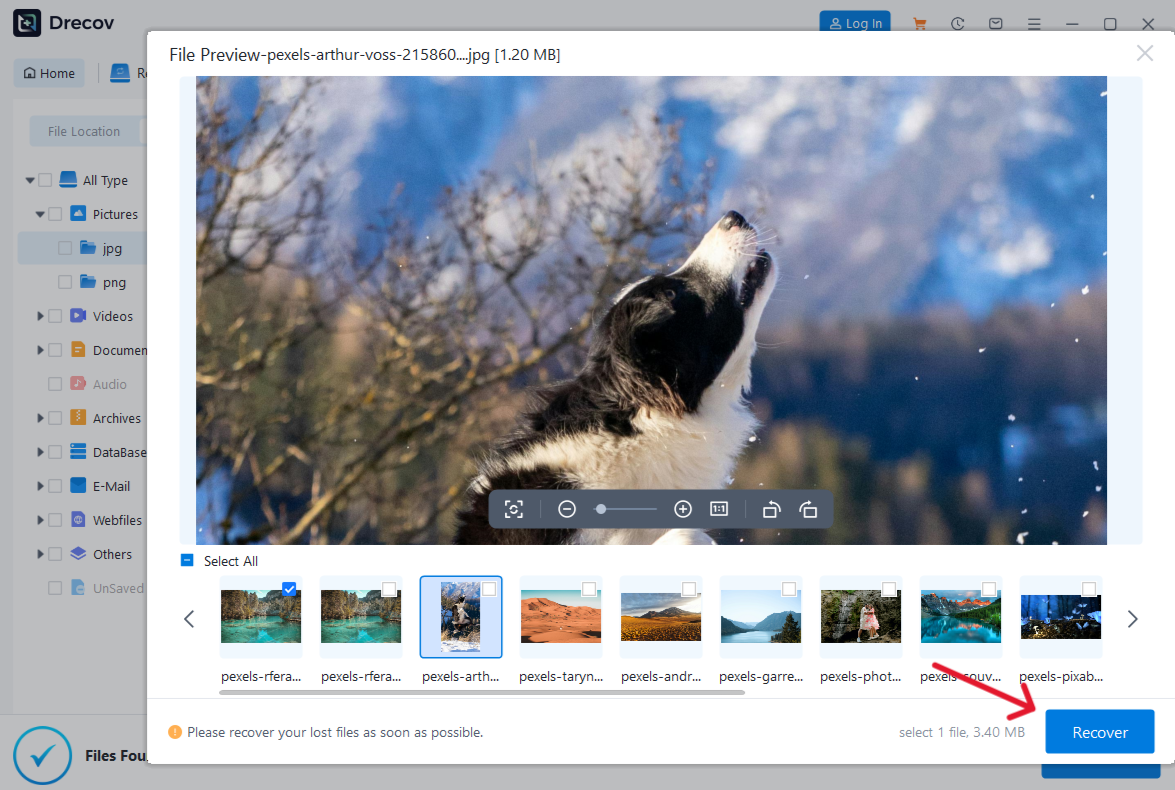
Step 4: Filter, locate, and preview useful candidates
Filter by type, path, filename, date, and size. Preview representative supported files. A successful preview is encouraging, but it does not validate every part of a complex workbook, video, archive, or project.
Step 5: Recover to a different device and validate
Save selected files to the prepared healthy destination. If they are not in the expected folder, inspect Drecov Folder or Recovery Folder. Open and sample the output, then make a second copy before firmware work, hardware swaps, formatting, or reinstalling Windows.
Return the System to a Known Baseline
After files are safe, remove overclocking, undervolting, and aggressive memory profiles. Load vendor defaults if you can do so safely and have recorded the old settings. Observe normal use before running intensive diagnostics.
Check airflow, dust, fans, and temperatures without touching energized components. Use the system maker’s diagnostics where available. Avoid third-party firmware packages and do not open a power supply.
Recent hardware changes deserve controlled reversal. Reseat or remove one component only when qualified to do so. Multiple simultaneous changes destroy the diagnostic value of the result.
Use Evidence to Decide the Next Test
Review dump analysis, corrected WHEA events, temperatures, and the trigger pattern together. A PCIe-related record after a new expansion card suggests a different path from a cache hierarchy record under stock CPU load, but neither should be interpreted without hardware context.
Memory tests can detect some faults, while vendor diagnostics may test storage or board components. Passing one test is not proof that intermittent power, heat, or controller behavior is healthy. Repeatable errors at defaults justify service.
After any change, validate with ordinary workloads first. Confirm that the backup remains readable. Stop when a test creates new symptoms or risks the only copy of data.
WHEA_UNCORRECTABLE_ERROR Questions
Is WHEA_UNCORRECTABLE_ERROR a driver problem?
Hardware and firmware are common areas of investigation. Drivers can affect devices, but the 0x124 evidence and timing should guide diagnosis.
Will resetting Windows solve 0x124?
Not if hardware is faulty. Protect data and establish a stable baseline before considering a reset.
Can I keep gaming after one crash?
Back up first and stop the triggering load until temperatures, defaults, and hardware evidence are reviewed.
Does Drecov repair WHEA errors?
No. It recovers files from stable detectable storage when a crash caused loss; hardware diagnosis remains separate.
For adjacent scenarios, use the Drecov home page, protect data when Windows repeatedly crashes, distinguish a software-oriented service exception, or review PFN and memory diagnostics. Microsoft’s 0x124 bug-check reference describes the official stop-code meaning.
Build and Manage a Useful Case Record for WHEA_UNCORRECTABLE_ERROR
- Validate Repair Gradually: Test in stages—cold boot, idle, daily tasks, and finally the crash trigger. For warranty claims, document the precise WHEA_UNCORRECTABLE_ERROR pattern and settings, and instruct the service provider not to wipe storage without authorization.
- Document Full Hardware Context: Record the exact stop code, timestamp, workload, power state, recent changes, and specs (CPU, GPU, RAM, motherboard, BIOS, PSU). This provides far more actionable evidence than a simple screenshot when troubleshooting WHEA_UNCORRECTABLE_ERROR.
- Protect Files & Preserve Dumps: Secure critical data before exporting event logs. Match timestamps to evaluate WHEA entries, and preserve raw dump files before running automated cleanup tools.
- Handle Updates & Hardware Wisely: If issues started after an update, document the driver/BIOS versions and use official rollback paths. Never flash firmware on an unstable system. Desktop users should detach extra peripherals, while laptop users should check power adapters and cooling without disassembling the battery.
- Escalate on Severe Instability: If stop code
0x124repeats at stock settings, the PC cannot stay powered long enough to copy data, or hardware shows physical fault signs, consult a technician. Explicitly inform them if the drive holds unrecovered data to prevent accidental formatting. - Isolate Backups During Testing: Keep backup drives physically disconnected during hardware stress tests to prevent damage from power faults, resets, or accidental commands. Reconnect only once stable to create a second copy.
Conclusion
WHEA_UNCORRECTABLE_ERROR is a signal to preserve data and investigate hardware evidence carefully. Secure accessible files, save the BitLocker key, return unstable tuning to defaults, and change one variable at a time. If the crashes caused genuine file loss and the source remains stable, Drecov can recover candidates to another healthy device. Persistent 0x124 events, unsafe power symptoms, or failing storage require qualified hardware or recovery help.
⚠ Warning: Install it on a drive different from the one where your data was lost to prevent overwriting.






