







Understanding How to Format Hard Drive and Why It Matters
What Formatting a Hard Drive Actually Does
When you format hard drive, you are essentially preparing the storage device for use by creating a new file system. This process removes existing file references and organizes the disk so that your operating system can store and retrieve data efficiently.
Many users confuse deleting files with formatting hard drive, but they are not the same. Formatting restructures the entire storage system, making it a more thorough solution when dealing with serious issues. Whether you want to fix errors or start fresh, understanding how to format a hard drive is a fundamental skill.
There are different types of formatting, including quick format and full format. A quick format removes file tables, while a full format scans for bad sectors and ensures disk integrity. Choosing the right format for hard drive depends on your needs.
⚠️Warning: Formatting will erase accessible data, so always back up important files beforehand.
Common Reasons for Formatting Hard Disk Drives
Why Users Need to Format Hard Disk Drive
There are several situations where users must format hard disk drive to restore functionality or improve performance. One of the most common reasons is system corruption. When file systems become damaged, the operating system may fail to read the disk properly.
Another reason is malware or virus infection. Formatting is often the most effective way to completely remove malicious files. Additionally, users may choose to formatting hard drive when upgrading systems or reinstalling an operating system.
Performance issues can also lead to formatting. Over time, fragmented files and system errors can slow down a disk. A fresh format resets the structure and improves efficiency.
Finally, formatting is essential when repurposing a drive. For example, switching between operating systems may require a different file system, making it necessary to understand how can I format a hard drive correctly.
⚠️Warning: Repeated formatting on failing hardware may worsen physical damage.
How to Format Hard Disk Drive Using DiskPart CMD
Method 1: Format Hard Drive via DiskPart Command Line
Test Environment: Windows 10/11 PC, internal or external hard drive connected, administrator access enabled.
DiskPart is a powerful command-line utility that allows users to format hard drive at a deeper level compared to graphical tools. It is especially useful when drives are not accessible through File Explorer.
Steps:
- Press “Windows + R,” type
cmd, and run as administrator. - Enter
diskpartto launch the tool. - Type
list diskto display available drives. - Select your drive using
select disk X(replace X with the correct number). - Enter
cleanto remove partitions. - Create a new partition with
create partition primary. - Select the partition and type
format fs=ntfs quick(or exFAT). - Assign a letter using
assign.
This method is widely used by professionals learning how do I format a hard drive through command-line control. It allows complete disk management and is highly effective for resolving deep-level issues.
⚠️Warning: Double-check the disk number before executing commands to avoid accidental data loss.
Method 2: Use File Explorer to Format Hard Drive Easily
Test Environment: Windows 11 system, accessible hard drive visible in “This PC.”
For beginners, File Explorer provides the simplest way to formatting hard drive without using advanced tools.
Steps:
- Open “This PC.”
- Right-click the target drive.
- Select “Format.”
- Choose file system (NTFS, exFAT).
- Click “Start” to format hard drive.
This method is ideal for users asking how can I format a hard drive quickly. It offers a straightforward interface and minimal setup.
However, it only works when the drive is already accessible. If the disk is corrupted or missing, DiskPart or other tools may be required.
⚠️Warning: Ensure you select the correct drive before formatting.
Method 3: Format Hard Drive via Disk Management
Test Environment: Windows 10 PC, hard drive showing as unallocated or partially corrupted.
Disk Management is another built-in Windows tool that provides more control than File Explorer.
Steps:
- Right-click Start and select Disk Management.
- Locate the hard drive.
- Right-click and choose “Format” or “New Simple Volume.”
- Follow the wizard to complete the format for hard drive.
This method is useful when partitions are damaged or missing. It allows users to rebuild disk structure and properly format hard disk drive.
It is commonly used by those learning how to format hard disk drive in more complex scenarios.
Method 4: Recover Data Before Formatting Using Pandaoffice Drecov
Test Environment: Windows PC, hard drive accidentally formatted or corrupted, recovery software installed.
Before you proceed to format hard drive, recovering important files is strongly recommended. Pandaoffice Drecov provides an efficient solution for retrieving lost data.
Steps:
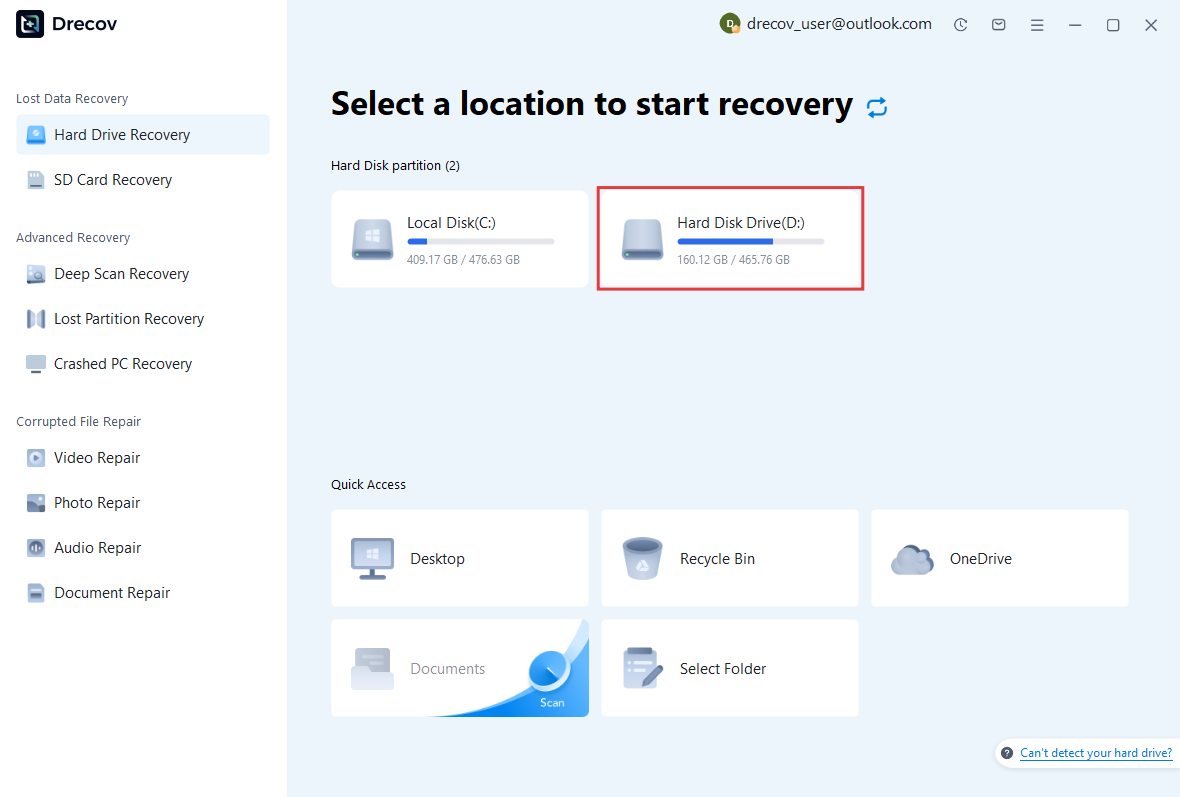
- Install and open Pandaoffice Drecov.
- Select the hard drive to scan.
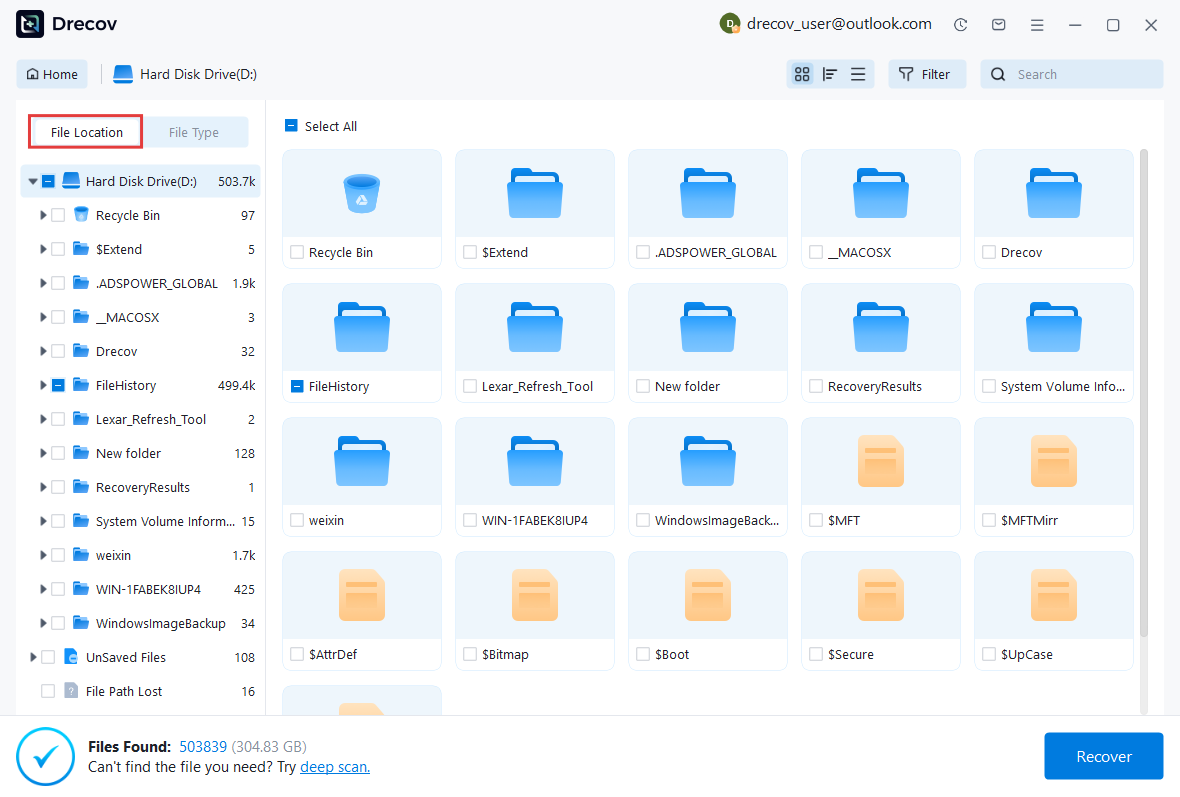
- Run a deep scan for recoverable files.
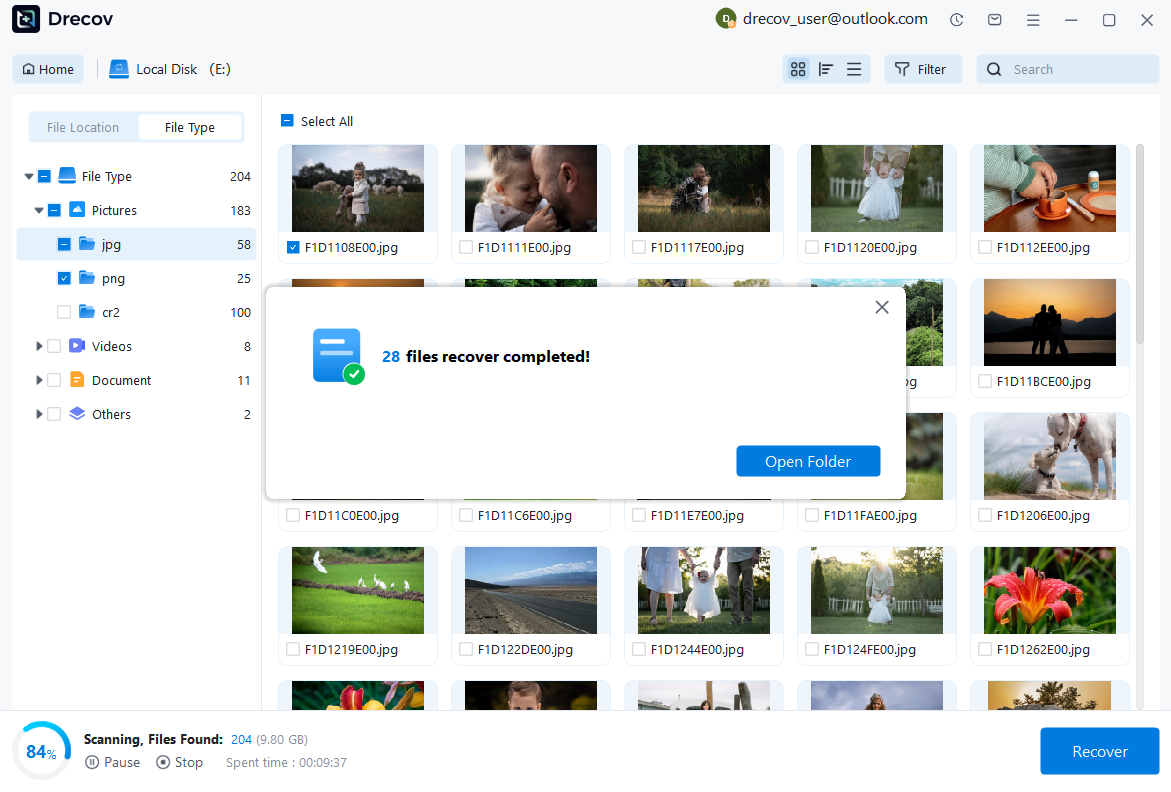
- Preview and restore selected data.
- Save files to a different storage device.
This method is essential when users mistakenly formatting hard drive or need to recover data before performing DiskPart operations. It ensures valuable files are not permanently lost.
Why Choose PandaOffice Drecov Data Recovery Software?
When it comes to reliable data recovery, PandaOffice Drecov stands out as a powerful, all-in-one solution designed to handle a wide range of data loss scenarios. Whether you’re trying to perform TikTok deleted video recovery, restore files after formatting, or recover important documents, Drecov delivers fast and dependable results.
One of its biggest advantages is versatility. From format data recovery to lost partition recovery, the software can scan deeply and accurately locate files that other tools often miss. Even if your drive has been accidentally formatted or a partition has disappeared, Drecov uses advanced algorithms to reconstruct and retrieve your data with high success rates.
Drecov also supports specialized recovery needs. If you’ve lost important documents, its PDF recovery tool ensures that files retain their original structure and quality. For media users, the audio recovery feature helps restore music, recordings, and other sound files without corruption, making it ideal for both personal and professional use.
Ease of use is another key benefit. The intuitive interface allows beginners to recover files in just a few clicks, while still offering advanced options for more experienced users. Plus, it supports a wide range of storage devices, including HDDs, SSDs, USB drives, and memory cards.
In short, PandaOffice Drecov combines powerful recovery capabilities with user-friendly design, making it a trusted choice for anyone facing data loss.
⚠️Warning: Avoid saving recovered files back to the same drive.
Method 5: How to Format Hard Drive on macOS Using Disk Utility
Test Environment: macOS Sonoma system, external hard drive connected via USB.
For Mac users, Disk Utility is the primary tool to format hard drive. It provides a graphical interface and supports multiple file systems compatible with macOS and Windows.
Steps:
- Connect the hard drive to your Mac.
- Open Disk Utility from Applications > Utilities.
- Select the target drive from the sidebar.
- Click “Erase” at the top menu.
- Choose a format such as APFS, exFAT, or Mac OS Extended.
- Confirm to complete formatting hard drive.
This method is ideal for users who want a simple way to manage storage on macOS. It is also helpful when preparing a drive for cross-platform use, making it a practical solution for those researching how to format a hard drive on different systems.
⚠️Warning: Choosing APFS will limit compatibility with Windows systems.
Method 6: Format Hard Drive Using Bootable Installation Media
Test Environment: Windows installation USB, system unable to boot, internal hard drive needs formatting.
When your system cannot start properly, you can still format hard disk drive using bootable installation media. This method is often used during OS reinstallation.
Steps:
- Insert a bootable Windows USB drive.
- Restart the computer and boot from the USB.
- Select “Install Now” and proceed to disk selection.
- Choose the target drive and delete existing partitions.
- Create new partitions and format them.
- Continue installation after formatting.
This approach is highly effective when dealing with severe system corruption. It allows full control over partitions and ensures a clean format for hard drive before installing a new operating system.
It is commonly used by advanced users learning how do I format a hard drive in recovery scenarios.
⚠️Warning: This method will remove all data and system files permanently.
Best Practices Before and After Formatting Hard Drive
Important Steps Before Formatting Hard Drive
Before you format hard drive, careful preparation is necessary to avoid unnecessary risks. The first step is to verify whether important data still exists on the disk. If so, back it up or recover it before proceeding.
Next, check the health of the drive. If the disk is making unusual noises or frequently disconnecting, it may indicate hardware failure. In such cases, formatting hard drive may not solve the issue.
You should also confirm the correct file system for your needs. NTFS is suitable for Windows systems, while exFAT offers better compatibility across devices. Selecting the right format for hard drive ensures optimal performance.
Finally, ensure a stable power supply during formatting. Interruptions during the process can lead to further corruption.
What to Do After Formatting Hard Disk Drive
After you format hard disk drive, it is important to verify that the drive is functioning properly. Start by checking whether the system recognizes the disk and displays the correct storage capacity.
Next, transfer a few test files to the drive and open them to confirm data integrity. If errors persist, consider reformatting using a different method, such as DiskPart or Disk Management.
You should also establish good usage habits. Regularly scanning for errors and avoiding improper shutdowns can help maintain disk health. Understanding how to format hard disk drive is only part of the process—proper maintenance is equally important.
In some cases, repeated failures after formatting may indicate physical damage. At that point, replacing the drive is the safest option.
Frequently Asked Questions About Formatting Hard Drive
How Can I Format a Hard Drive Without Losing Data
When you format hard drive, the system removes file references, making data inaccessible. However, it is still possible to recover files if no new data has been written.
To avoid data loss, always back up files before formatting hard drive. If the drive has already been formatted, recovery tools may still help retrieve lost data.
How Do I Format a Hard Drive That Is Not Showing Up
If your drive does not appear in File Explorer, check Disk Management. Sometimes the disk may show as unallocated or without a drive letter.
Using DiskPart is another effective solution. It allows you to detect and format hard disk drive even when the graphical interface fails.
What Is the Best Format for Hard Drive
The best format for hard drive depends on your usage. NTFS is recommended for Windows systems, while exFAT is suitable for external drives used across multiple platforms.
Choosing the correct format ensures compatibility and performance.
Is Formatting Hard Drive Enough to Fix Errors
In many cases, formatting hard drive resolves logical errors and file system issues. However, it cannot fix physical damage.
If problems persist after formatting, further diagnostics or replacement may be required.
Conclusion: Master How to Format Hard Drive Safely and Effectively
Understanding how to format a hard drive is essential for maintaining storage performance and resolving system issues. Whether you use DiskPart, File Explorer, Disk Management, or bootable tools, each method offers unique advantages depending on the situation.
The most important principle is to prioritize data safety. Before you format hard drive, always consider backup or recovery options. This ensures that important files are not permanently lost during the process.
By following the methods and best practices outlined above, users can confidently formatting hard drive, fix errors, and extend the lifespan of their storage devices. With proper knowledge, even complex formatting tasks can be handled efficiently and safely.





