







Understanding How to Format SD Card and Why It Matters
What Happens During SD Card Formatting
When you format SD card, the system reorganizes the file structure rather than instantly deleting all stored data. Many users misunderstand this process, assuming formatting permanently wipes everything. In reality, formatting SD card mainly removes file references, making data invisible but still recoverable until overwritten.
Whether you format an SD card on Windows, macOS, or a camera, the operation prepares the storage for reuse. This is why learning how to format SD card properly is essential—not only for performance but also for preventing irreversible data loss.
A proper SD card format can fix errors such as file corruption, unreadable partitions, or virus infections. However, improper formatting methods may worsen the issue or make recovery harder.
⚠️Warning: Avoid writing new data to the card after formatting if you plan to recover files.
Common Reasons Why You Need to Format a Corrupted SD Card
Typical Causes Behind SD Card Corruption
There are several scenarios where users must format a SD card due to corruption. Understanding these causes helps prevent future issues and improves recovery success.
First, improper ejection from devices often leads to file system damage. Removing a card without safely ejecting interrupts data writing processes. Second, malware or virus infections can corrupt files and force users to consider how to format SD card corrupted.
Additionally, physical wear over time can degrade storage cells, causing frequent read/write errors. Using the same card across multiple devices without compatibility checks may also lead to corruption.
Finally, sudden power failures during file transfers are a major contributor. This can break the logical structure of the card, making it inaccessible.
⚠️Warning: If your SD card shows “RAW” format, avoid repeated formatting attempts as it may reduce recovery chances.
How to Format SD Card Corrupted: Effective Methods
Method 1: Use Windows File Explorer to Format an SD Card
Test Environment: Windows 10/11 PC, SD card reader, corrupted SD card detected by system.
One of the simplest ways to format an SD card is through Windows File Explorer. This method works when the card is still recognized but inaccessible.
Steps:
- Insert the SD card into your computer.
- Open “This PC” and locate the SD card.
- Right-click the drive and select “Format.”
- Choose FAT32 or exFAT as the file system.
- Click “Start” to begin formatting SD card.
This approach is quick and user-friendly, making it ideal for beginners learning how do you format an SD card.
However, if the system cannot detect the card or shows errors, you may need advanced tools.
⚠️Warning: Quick format is faster but may leave hidden issues unresolved.
Method 2: Format SD Card Using Disk Management
Test Environment: Windows 10 system, partially corrupted SD card appearing as unallocated space.
Disk Management provides more control when File Explorer fails. It is especially useful when the SD card has partition issues.
Steps:
- Press “Win + X” and select Disk Management.
- Locate the SD card in the list.
- Right-click the partition or unallocated space.
- Choose “Format” or “New Simple Volume.”
- Follow the wizard to complete the SD card format.
This method helps rebuild the partition table, making it effective for deeper corruption issues. It’s a practical solution for users searching for how to format an sd card beyond basic tools.
⚠️Warning: Ensure you select the correct drive to avoid accidental data loss.
Method 3: Use Command Prompt (CMD) to Format a SD Card
Test Environment: Windows 11 PC, SD card detected but cannot be formatted via GUI tools.
For advanced users, Command Prompt provides a powerful way to format sd card using DiskPart.
Steps:
- Open Command Prompt as administrator.
- Type
diskpartand press Enter. - Enter
list diskto view drives. - Select the SD card using
select disk X. - Type
cleanto erase partitions. - Create a new partition and format it.
This method is particularly useful when dealing with stubborn corruption. It allows deeper system-level formatting, making it a reliable option for how to format sd card corrupted scenarios.
However, it requires caution and basic technical knowledge.
⚠️Warning: Incorrect commands may erase the wrong drive permanently.
Method 4: Recover Data Before Formatting with Pandaoffice Drecov
Test Environment: Windows PC, formatted SD card with lost files, data recovery software installed.
Before you format an SD card, recovering important files is strongly recommended. Pandaoffice Drecov provides an effective solution for retrieving data from formatted or corrupted cards.
Steps:
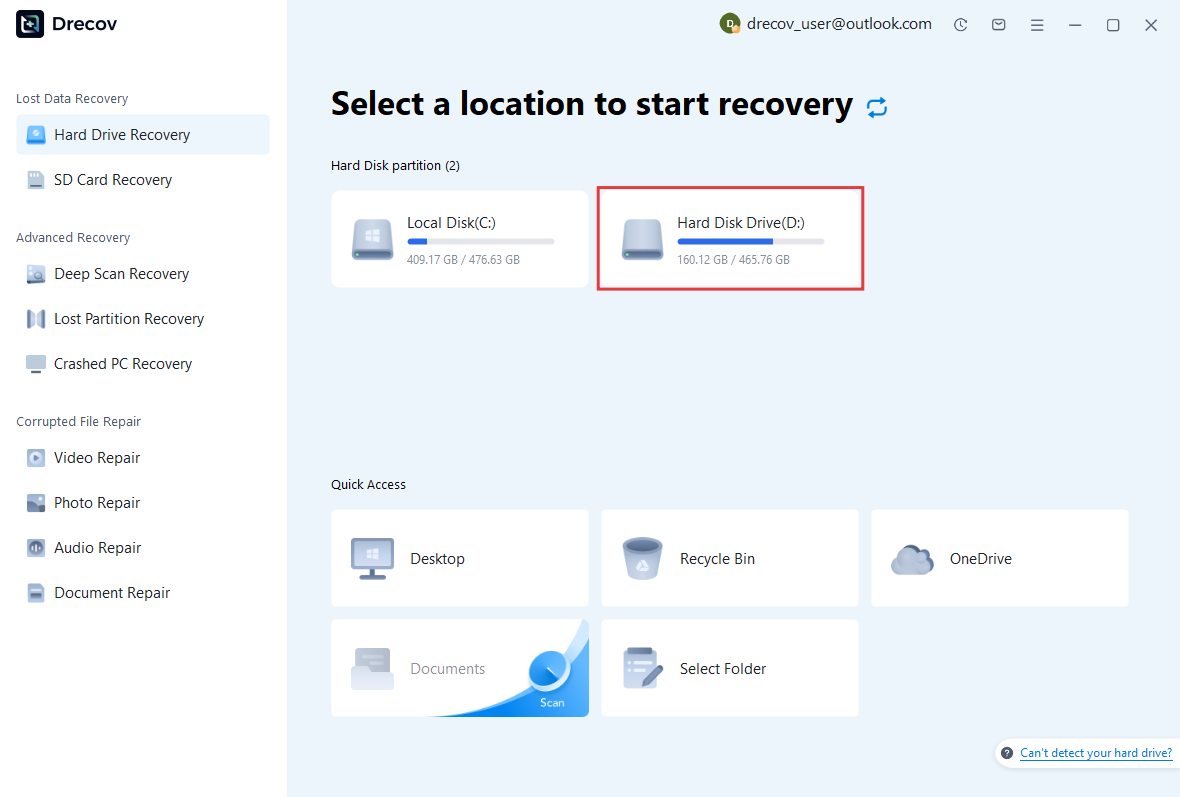
- Install and launch Pandaoffice Drecov.
- Select the SD card as the target location.
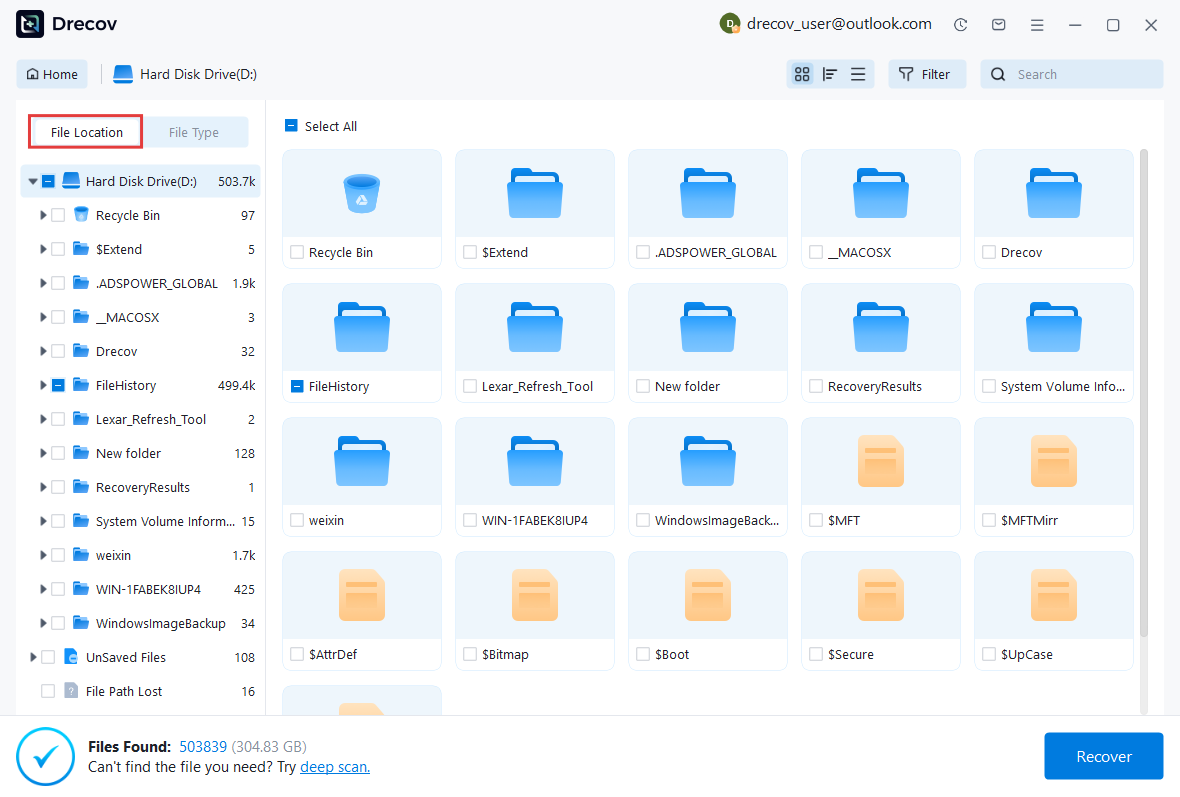
- Start scanning for lost files.
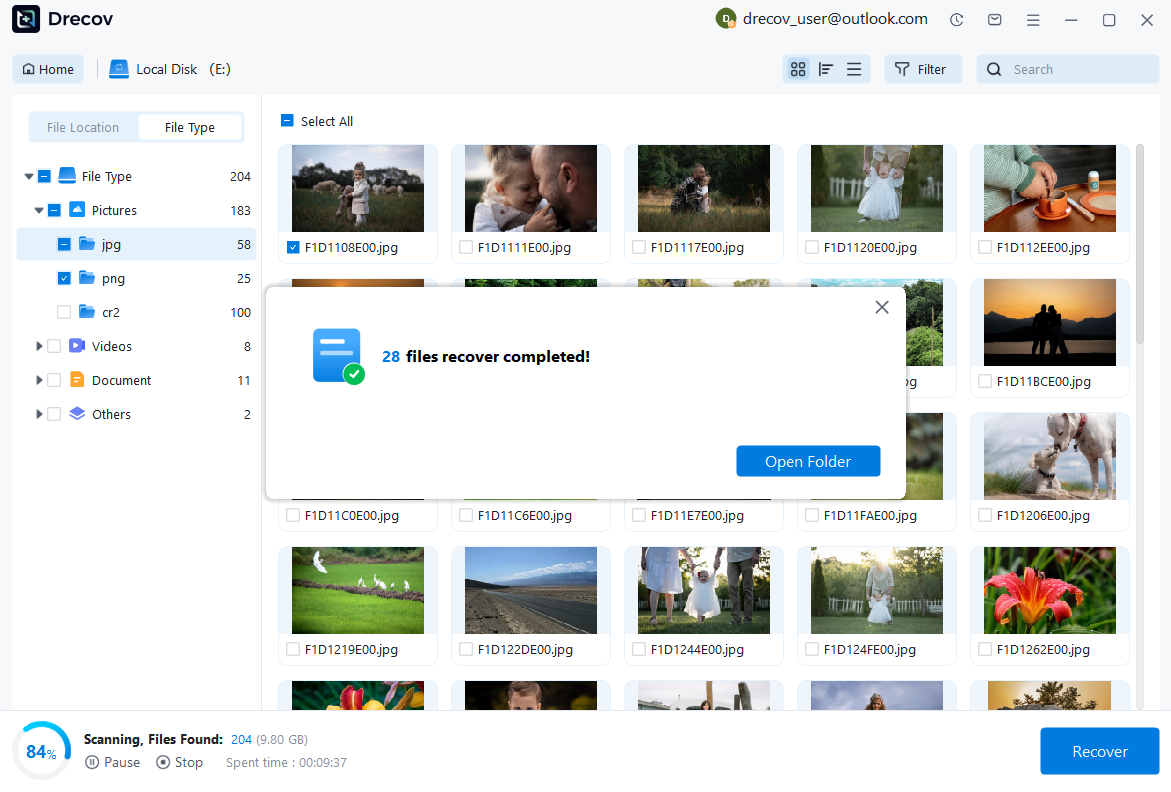
- Preview recoverable data.
- Save recovered files to a different drive.
This method is crucial when you accidentally format a sd card or need to recover files before performing a full sd card formater operation.
Unlike basic formatting tools, Drecov focuses on data safety, ensuring users don’t lose valuable information during the process.
Why Choose PandaOffice Drecov Data Recovery Software?
When it comes to reliable data recovery, PandaOffice Drecov stands out as a powerful, all-in-one solution designed to handle a wide range of data loss scenarios. Whether you’re trying to perform TikTok deleted video recovery, restore files after formatting, or recover important documents, Drecov delivers fast and dependable results.
One of its biggest advantages is versatility. From format data recovery to lost partition recovery, the software can scan deeply and accurately locate files that other tools often miss. Even if your drive has been accidentally formatted or a partition has disappeared, Drecov uses advanced algorithms to reconstruct and retrieve your data with high success rates.
Drecov also supports specialized recovery needs. If you’ve lost important documents, its PDF recovery tool ensures that files retain their original structure and quality. For media users, the audio recovery feature helps restore music, recordings, and other sound files without corruption, making it ideal for both personal and professional use.
Ease of use is another key benefit. The intuitive interface allows beginners to recover files in just a few clicks, while still offering advanced options for more experienced users. Plus, it supports a wide range of storage devices, including HDDs, SSDs, USB drives, and memory cards.
In short, PandaOffice Drecov combines powerful recovery capabilities with user-friendly design, making it a trusted choice for anyone facing data loss.
⚠️Warning: Always save recovered files to another device to avoid overwriting data.
Method 5: How to Format SD Card on macOS Using Disk Utility
Test Environment: macOS Ventura system, SD card connected via USB card reader.
If you are using a Mac, formatting SD card is handled through Disk Utility. This built-in tool provides a reliable way to fix corruption and prepare storage for reuse.
Steps:
- Insert the SD card into your Mac.
- Open Disk Utility from Applications > Utilities.
- Select the SD card from the sidebar.
- Click “Erase” at the top.
- Choose a format such as exFAT or FAT32.
- Confirm to format an SD card.
This method is particularly useful when Windows systems fail to recognize the card. It ensures compatibility across multiple devices and is a common solution for users searching how to format an sd card on macOS.
⚠️Warning: Selecting the wrong disk in Disk Utility may erase important data from other drives.
Method 6: Use a Dedicated SD Card Formater Tool for Better Compatibility
Test Environment: Windows PC, SD card with compatibility issues across cameras and smartphones.
A professional SD card formater tool, such as the SD Memory Card Formatter, is designed specifically for SD cards. It follows official standards and often resolves issues that generic tools cannot.
Steps:
- Download and install an SD card formatting utility.
- Insert the SD card into your computer.
- Launch the tool and select your card.
- Choose overwrite or quick format.
- Start the sd card format process.
This approach is ideal for users dealing with repeated errors or compatibility issues. It ensures that the card meets manufacturer specifications, improving performance and reliability.
Many users prefer this method when standard options fail, especially when learning how do you format an sd card properly for cameras or drones.
⚠️Warning: Overwrite format takes longer but provides a more thorough cleanup.
Best Practices Before and After Formatting SD Card
Key Preparations Before You Format SD Card
Before you format sd card, taking a few precautions can prevent permanent data loss and unnecessary complications.
First, always check whether the data on the card is still accessible. If so, create a backup immediately. If not, consider recovery options before proceeding with formatting sd card.
Second, ensure the SD card is physically intact. If there are signs of hardware damage, formatting may not resolve the issue. Using a reliable card reader also improves detection and stability.
Lastly, confirm compatibility between the SD card and your device. Using the wrong file system can cause the card to malfunction after formatting.
These steps are essential for anyone learning how to format sd card corrupted safely and effectively.
⚠️Warning: Formatting should never be your first step if data recovery is still possible.
What to Do After Formatting a SD Card
After you format a sd card, it is important to verify that the process was successful and that the card functions properly.
Start by safely ejecting and reinserting the SD card. Check if the storage capacity appears correctly and test file transfers. Copy a few files onto the card and open them to confirm stability.
If the card still shows errors, you may need to repeat the sd card format process using a different method. In some cases, persistent issues indicate hardware failure rather than software corruption.
Additionally, consider using the SD card only for its intended purpose. For example, cards used in cameras should ideally be formatted within the camera itself for optimal compatibility.
Understanding these post-format steps helps users fully grasp how to format an sd card and maintain long-term performance.
Frequently Asked Questions About Formatting SD Card
How Do You Format an SD Card Without Losing Data
Technically, when you format an SD card, the data becomes inaccessible. However, it is not immediately erased. You can still recover files using specialized tools if no new data has been written.
To minimize risk, always recover or back up files before formatting sd card. This is especially important when dealing with corrupted storage.
How to Format SD Card Corrupted and Not Recognized
If your card is not recognized, try changing the card reader or USB port first. Then use Disk Management or Command Prompt to detect the card.
If detection fails entirely, the issue may be hardware-related. In such cases, formatting alone cannot fix the problem.
This is a common concern for users searching how to format sd card corrupted when the device does not appear.
Which Format Should You Choose for an SD Card
The best format depends on your usage. FAT32 is widely compatible but has file size limits. exFAT supports larger files and is suitable for modern devices.
Choosing the correct format ensures your sd card format matches your device requirements.
How Often Should You Format an SD Card
There is no strict rule, but periodic formatting helps maintain performance. For devices like cameras, formatting after backing up files is a good habit.
Avoid excessive formatting, as it may reduce the lifespan of the card over time.
Conclusion: Safely Format an SD Card and Protect Your Data
Learning how to format sd card properly is essential for maintaining storage performance and resolving corruption issues. Whether you use built-in system tools, command-line utilities, or a professional sd card formater, each method serves a specific purpose depending on the situation.
The key takeaway is to always prioritize data safety. Before you format an sd card, consider recovery options and ensure no critical files are lost. Understanding the causes of corruption also helps prevent future problems.
By following the methods outlined above, users can confidently format a sd card, fix errors, and extend the lifespan of their storage devices. With the right approach, even corrupted cards can often be restored to full functionality.





