







Understanding Low Level Format SD Card and Its Role in Storage Maintenance
What low level format sd card actually means in modern storage systems
The concept of low level format sd card refers to a deeper storage initialization process that prepares memory sectors at a structural level. Unlike simple deletion, this method rebuilds how data is physically organized on the card.
Modern SD cards rarely require true factory-level formatting because manufacturers pre-configure them. However, users still refer to advanced cleanup operations as format low level sd card, especially when dealing with corruption or persistent errors.
A standard sd card format only removes file system references, while deeper formatting processes may attempt to overwrite or reset storage blocks. Understanding this distinction is important before choosing any tool or method.
⚠️Warning: Low-level formatting is often irreversible and should only be used when necessary.
Difference between low level format and standard sd card format
A regular sd card format simply clears file tables, making data invisible but often recoverable. In contrast, a low level format sd card process targets deeper storage structures.
Standard formatting is faster and commonly used for routine maintenance. Meanwhile, low-level methods are more intensive and used when corruption prevents normal access.
When users ask how can I format SD card, they usually mean standard formatting. However, when errors persist, they may explore how to low level format sd card as a last resort.
Understanding both methods helps users choose the correct approach depending on the severity of SD card issues.
When sd card formater tools use low-level operations
Some advanced sd card formater tools include deeper scanning or overwrite features. These functions simulate low-level formatting by rewriting storage blocks.
These tools are typically used when cards become unreadable, show wrong capacity, or fail to mount. In such cases, a normal sd card format is not enough to restore functionality.
Users searching how do u format an sd card often encounter these tools when standard system options fail.
Why You Need to Format Low Level SD Card in Real Scenarios
Common SD card corruption and unreadable storage issues
One of the main reasons users attempt format low level sd card operations is corruption. SD cards can become unreadable due to sudden removal, malware, or file system damage.
In such cases, the device may request formatting immediately. However, standard formatting may fail, leading users to explore deeper solutions.
When encountering errors like RAW file system or “card not detected,” learning how can i format sd card properly becomes essential.
Performance degradation and file system errors
Over time, SD cards may slow down due to fragmented data and repeated write cycles. This leads to performance issues that cannot always be fixed with a simple sd card format.
A deeper reset can restore performance by rebuilding storage structure. This is where low level format sd card becomes relevant in advanced troubleshooting scenarios.
Security wiping before reuse or disposal
Another important reason for formatting is data security. Before selling or disposing of a card, users may want to ensure data cannot be recovered.
A standard format may leave traces of data, while deeper methods offer stronger protection. This is why some users explore how to low level format sd card for secure wiping.
How to Low Level Format SD Card Using Different Methods
Method 1: Using Windows-based sd card formater tools
Test Environment: Windows 10 PC, SD card connected via USB reader, card detected but partially corrupted.
One of the simplest ways to perform a sd card format is using dedicated formatting software. These tools provide options beyond built-in Windows utilities.
Steps:
- Install a trusted sd card formater tool.
- Insert the SD card into the system.
- Select the target device.
- Choose full or overwrite format mode.
- Start the formatting process.
This method is often used when users search how do u format an sd card quickly without technical commands.
⚠️Warning: Quick format may not fully fix deep corruption issues.
Method 2: How can I format SD card using Disk Management
Test Environment: Windows 11 system, SD card appears in Disk Management but not in File Explorer.
Disk Management provides a built-in way to handle storage devices when basic access fails.
Steps:
- Open Disk Management.
- Locate the SD card.
- Right-click and choose format or delete volume.
- Recreate partition and apply sd card format.
This method is effective for users asking how can i format sd card when the system partially recognizes the device.
Method 3: How do u format an SD card via CMD tools
Test Environment: Windows 10 PC, SD card not responding in GUI tools but detected in disk list.
Command Prompt allows deeper control over storage operations.
Steps:
- Open CMD as administrator.
- Enter diskpart.
- Use list disk and select disk.
- Clean and recreate partition.
- Apply format command.
This approach is useful when learning how to low level format sd card at a system level.
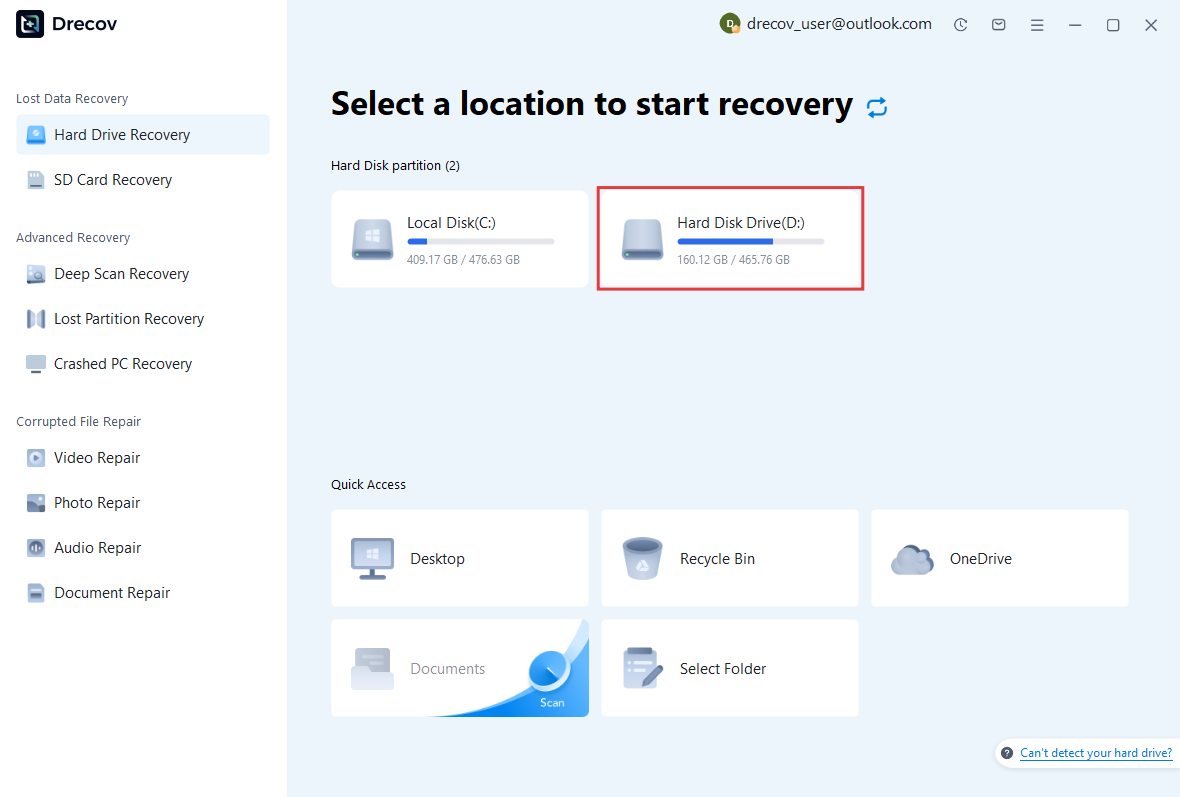
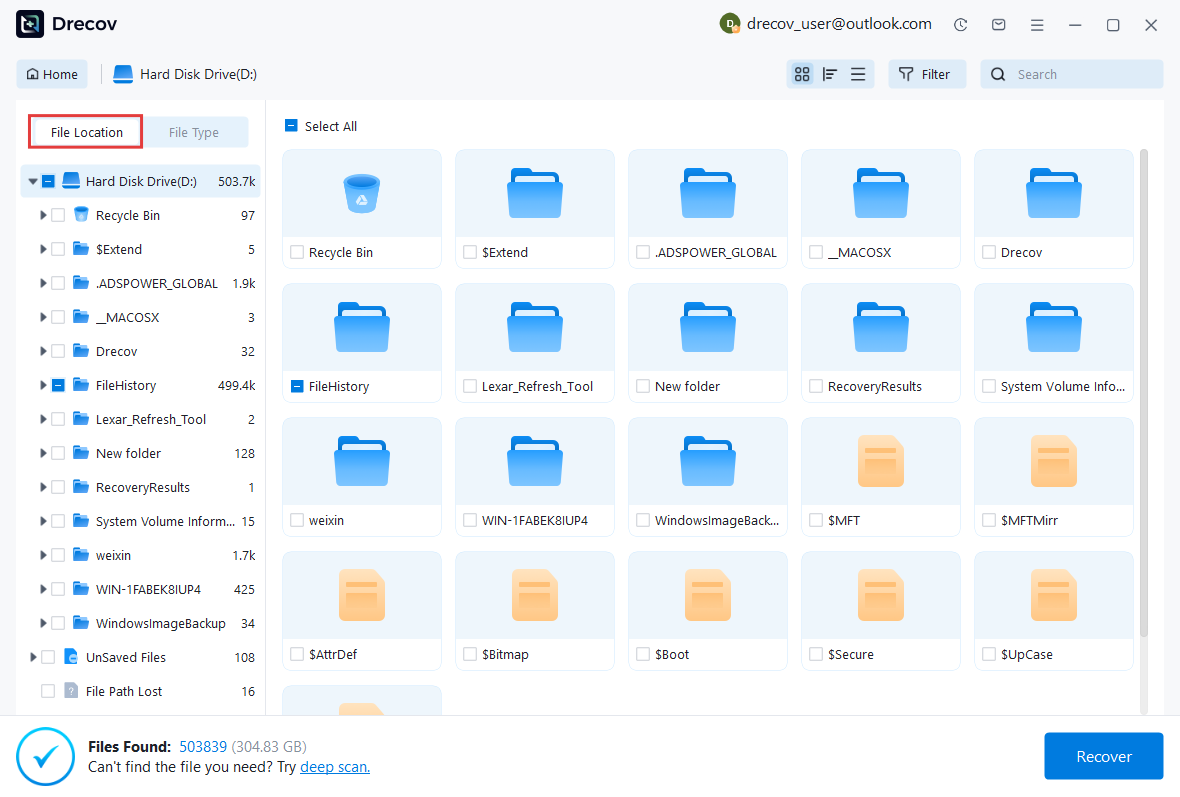
Method 4: Professional recovery + format workflow (Pandaoffice Drecov)
Test Environment: Corrupted SD card with partially lost data, Windows system with recovery software installed.
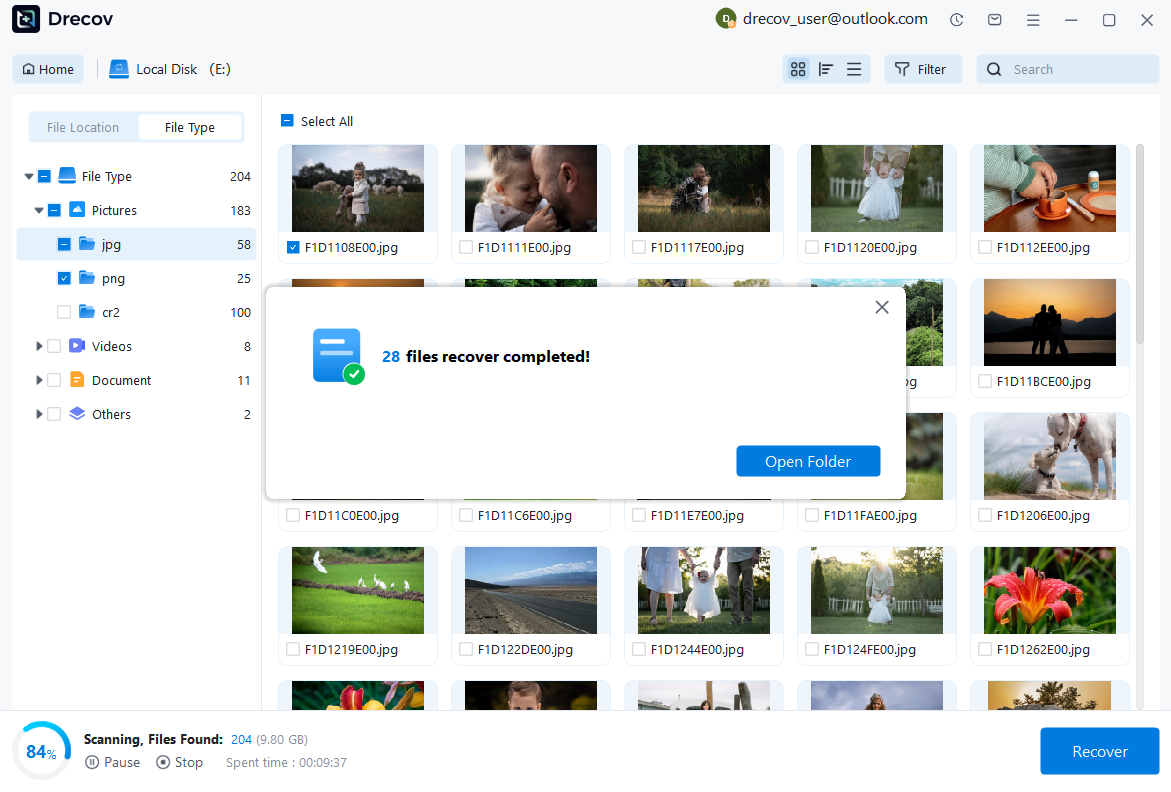
Before performing a full format low level sd card, recovering important files is critical. Pandaoffice Drecov provides a safe recovery process before formatting.
Steps:
- Scan SD card with Pandaoffice Drecov.
- Preview recoverable files.
- Save data to another drive.
- Proceed with sd card format after backup.
This method is especially useful for users dealing with severe corruption before learning how can i format sd card safely.
Why Choose PandaOffice Drecov Data Recovery Software?
When it comes to reliable data recovery, PandaOffice Drecov stands out as a powerful, all-in-one solution designed to handle a wide range of data loss scenarios. Whether you’re trying to perform TikTok deleted video recovery, restore files after formatting, or recover important documents, Drecov delivers fast and dependable results.
One of its biggest advantages is versatility. From format data recovery to lost partition recovery, the software can scan deeply and accurately locate files that other tools often miss. Even if your drive has been accidentally formatted or a partition has disappeared, Drecov uses advanced algorithms to reconstruct and retrieve your data with high success rates.
Drecov also supports specialized recovery needs. If you’ve lost important documents, its PDF recovery tool ensures that files retain their original structure and quality. For media users, the audio recovery feature helps restore music, recordings, and other sound files without corruption, making it ideal for both personal and professional use.
Ease of use is another key benefit. The intuitive interface allows beginners to recover files in just a few clicks, while still offering advanced options for more experienced users. Plus, it supports a wide range of storage devices, including HDDs, SSDs, USB drives, and memory cards.
In short, PandaOffice Drecov combines powerful recovery capabilities with user-friendly design, making it a trusted choice for anyone facing data loss.
Advanced Techniques for SD Card Format and Repair
Using manufacturer SD tools for deep formatting
Test Environment: Windows 11 PC, SanDisk and Samsung SD cards tested via official utilities, card detected but unstable.
Many SD card manufacturers provide dedicated utilities designed for deeper repair and optimization. These tools go beyond a standard sd card format by rebuilding internal structures and improving stability.
In these utilities, users can select full overwrite or extended repair modes. This is often considered a safer alternative to traditional low level format sd card operations because it follows manufacturer specifications.
Steps:
- Download official SD card tool from manufacturer website.
- Insert SD card via card reader.
- Run diagnostics and select repair/format option.
- Execute full reset process.
This method is especially useful when standard format low level sd card attempts fail or the card becomes unstable.
⚠️Warning: Only use official tools to avoid compatibility issues or data corruption.
Camera-based sd card format option for compatibility
Test Environment: DSLR camera (Canon/Nikon), SD card inserted directly, previously used across multiple devices.
Many cameras include a built-in sd card format feature. This method ensures the card is optimized for the specific device, reducing file system conflicts.
Steps:
- Insert SD card into camera.
- Open settings menu.
- Select “Format Card.”
- Confirm action.
This method is recommended for users asking how can I format SD card specifically for photography or video recording devices.
Unlike PC-based formatting, camera formatting ensures better compatibility and reduces file corruption risks.
Force format methods for corrupted SD cards
Test Environment: Windows system, SD card showing RAW format or inaccessible partitions.
When standard tools fail, a forced sd card format may be required. This involves overriding file system errors using system-level commands or disk tools.
Steps:
- Open DiskPart or third-party partition tool.
- Select the affected SD card.
- Clean all partitions.
- Recreate and format partition.
This method is often used when users search how to low level format sd card due to severe corruption.
It is powerful but should be used carefully.
⚠️Warning: Force formatting permanently removes all data and partition structures.
FAQ About Low Level Format SD Card
Is low level format sd card safe for modern devices
In most cases, modern SD cards do not require true low-level formatting. A standard sd card format is usually enough for maintenance.
However, users still use the term low level format sd card to describe deep cleaning or overwrite processes. When done correctly using trusted tools, it is generally safe but unnecessary for routine use.
Can formatted SD cards still be recovered
Yes, in many cases, data from a standard sd card format can still be recovered if no new data has been written.
However, once a deep overwrite or format low level sd card operation is performed, recovery becomes extremely difficult or impossible.
This is why recovery should always be done before formatting whenever possible.
Conclusion: Best Practices for SD Card Format and Maintenance
Understanding how to low level format sd card and when to use it is essential for maintaining storage health and preventing data loss. While modern systems rarely require true low-level formatting, users still rely on deep formatting concepts when dealing with corruption, unreadable cards, or performance issues.
A standard sd card format is sufficient for most everyday tasks such as clearing files or preparing a card for reuse. However, advanced tools and methods become necessary when errors persist or when the card becomes inaccessible.
Before performing any format low level sd card operation, always attempt data recovery first and ensure the correct tool is used. Combining safe recovery practices with proper formatting methods ensures both data protection and long-term SD card reliability.
By following the techniques outlined in this guide, users can confidently handle how can i format sd card, resolve corruption issues, and maintain optimal storage performance across devices.





