







Few things are more frustrating than sitting down to work or game on your laptop and realizing your mouse not working on laptop has completely stopped responding. Whether it’s your trusty touchpad or a new wireless mouse, the sudden lack of control can throw your productivity or gaming session into chaos. Don’t panic! Mouse issues are one of the most common problems laptop users face, and the good news is that most of them are fixable with a bit of patience and step-by-step troubleshooting.
This guide will walk you through every potential cause and solution, from basic checks to advanced fixes, including tips for both touchpads and external mice. By the end, you’ll be able to troubleshoot like a pro and prevent future issues from slowing you down.
Understanding Why Your Mouse Stops Responding
In 2026, laptops come with multiple ways to interact: touchpads, external USB mice, Bluetooth mice, and even advanced trackpoint systems. Each of these input methods can fail for slightly different reasons, from hardware malfunctions to driver glitches, or even small overlooked software conflicts. Understanding why your mouse stops working is the first step in regaining control and avoiding repeated frustration.
When you find your mouse not working on laptop, the cause generally falls into one of three buckets: physical hardware, software logic, or connectivity hurdles.
Hardware Malfunctions
Sometimes, the problem isn’t software—it’s hardware. External mice can suffer from worn-out buttons, frayed USB cables, or damaged internal sensors. Wireless mice may fail due to battery leakage or faulty transmitters. Even built-in laptop touchpads can develop dead zones if the circuitry underneath is damaged, often caused by liquid spills, pressure, or age-related wear.
Think of it like a car engine. Even if the fuel supply and ignition are perfect, a broken spark plug will prevent it from running. Similarly, a malfunctioning mouse, no matter how perfectly your operating system is configured, will not respond. That’s why inspecting the hardware early in your troubleshooting process is crucial.
Software and Driver Issues
In 2026, modern laptops rely heavily on drivers—small pieces of software that allow your operating system to communicate with your hardware. A corrupt, outdated, or missing driver can make your mouse unresponsive. Windows updates or macOS upgrades can occasionally overwrite or break existing drivers, leaving the cursor frozen or jumpy.
Software conflicts can also be culprits. For instance, third-party mouse utilities, customization software, or accessibility tools sometimes interfere with normal input, causing unexpected cursor movement or complete inaction.
Connection Problems (Wired or Wireless)
For wired USB mice, loose or damaged connections are surprisingly common. A port that looks fine might still have dust or bent pins preventing proper contact. Wireless mice, on the other hand, can suffer from interference from other Bluetooth devices or Wi-Fi networks. Additionally, physical distance from the receiver or low-quality adapters may reduce signal strength, causing lag, disconnects, or complete failure.
Common Mouse Problems on Laptops
Touchpad Not Responding
Many laptop users rely exclusively on their touchpad. When the touchpad stops working, it often feels like the laptop has lost all sense. Common causes include disabled touchpad settings, accidental toggling via function keys, driver problems, or physical damage to the pad itself.
External USB Mouse Not Working
USB mice are usually plug-and-play, but if your device suddenly stops responding, you may be dealing with a malfunctioning cable, a dead mouse, or an unresponsive USB port. This is often easily verified by testing the mouse on another device.
Wireless Mouse Lag or Disconnects
Wireless mice are incredibly convenient but prone to intermittent issues. Lag, skipping, or sudden disconnection can occur due to low battery power, signal interference, or outdated drivers. High-density environments with multiple wireless signals, like offices or dorms, can exacerbate these problems.
Cursor Freezing or Jumping
A cursor that jumps across the screen or freezes intermittently is often linked to driver conflicts or sensitive touchpad surfaces. Dirty pads, conflicting software, or even high CPU usage can cause these unpredictable behaviors.
Basic Troubleshooting Steps
Restart Your Laptop
It may seem basic, but restarting your laptop clears temporary system glitches. Many mouse issues are resolved simply by rebooting, which resets hardware recognition and reloads drivers cleanly.
Check the Mouse on Another Device
Testing your mouse on a different laptop or desktop can help determine whether the issue is hardware-related. If it works elsewhere, the problem likely lies within your laptop’s settings or drivers.
Inspect Physical Connections
For wired mice, examine the cable and USB connector. Dust, bent pins, or frayed wires can cause erratic behavior. Wireless mice should be checked for a secure connection with their receiver or Bluetooth pairing.
Test Batteries in Wireless Mice
Low or dead batteries are a surprisingly common culprit. Even if your mouse appears to power on, weak batteries can cause lag or intermittent disconnects. Replacing batteries with fresh ones or fully charging the mouse can often solve the problem instantly.
Software Fixes for Mouse Issues
Update or Reinstall Mouse Drivers
Updating or reinstalling drivers ensures your system communicates correctly with your mouse. On Windows, this can be done through Device Manager, while macOS users can reset their system settings or reinstall specific drivers if needed.
Adjust Mouse Settings in Windows or macOS
Incorrect sensitivity or speed settings can make the mouse feel unresponsive or erratic. Checking pointer speed, acceleration, and multi-touch gestures ensures the mouse operates smoothly.
Disable Conflicting Software or Apps
Third-party utilities or customizations sometimes conflict with default drivers. Disabling or uninstalling these applications can resolve issues like freezing cursors or erratic movement.
Touchpad-Specific Solutions
Enable Touchpad in Settings
Accidental disabling is common, often via a function key (like Fn + F7 on many laptops) or a system setting. Make sure the touchpad is enabled in your laptop’s control panel or settings menu.
Check Function Keys and Shortcuts
Most laptops have dedicated keys to toggle the touchpad. Pressing these keys accidentally can disable the pad without your knowledge.
Clean the Touchpad Surface
Dust, grease, or moisture can interfere with touchpad responsiveness. Regularly cleaning the surface with a soft, dry cloth can prevent erratic cursor behavior.
Advanced Fixes
How to fix mouse driver error in device manager
If the basic steps fail, you need to dive into the system’s management console. A “Driver Error” often appears as a yellow exclamation mark in the Device Manager.
- Step 1: Press Windows Key + X and select Device Manager. Since your mouse isn’t working, use the Arrow Keys to navigate and Enter to select.
- Step 2: Use the Tab key to reach the list, then scroll down to Mice and other pointing devices. Expand this section using the Right Arrow key.
- Step 3: Select your mouse device, press Shift + F10 (to right-click), and choose Update driver.
- Step 4: Select Search automatically for drivers. If that fails, go back and select Uninstall device, then restart your laptop. Windows will attempt to reinstall a fresh driver upon reboot.
Laptop mouse cursor not moving but mouse is connected
When you encounter the specific issue of a laptop mouse cursor not moving but mouse is connected, it often points to a conflict in the HID (Human Interface Device) stack or a frozen system process.
- Step 1: Try the shortcut Windows Key + Ctrl + Shift + B. This restarts your graphics driver, which can sometimes “unstick” a frozen cursor.
- Step 2: Unplug the mouse and plug it into a different USB port, preferably a USB 3.0 port if available.
- Step 3: Check for “Static Discharge.” Turn off the laptop, unplug all peripherals, remove the battery (if possible), and hold the power button for 30 seconds. Reassemble and turn it back on.
Check BIOS or UEFI Settings
Some laptops have touchpad or USB device settings in BIOS/UEFI. Ensuring these are enabled can resolve hardware detection problems at a deeper system level. You can find more information on hardware-level fixes on the Official Microsoft Support Page.
Protecting Your Data During Troubleshooting
When you perform deep system fixes, such as driver uninstalls or system restores, there is always a slight risk of a system crash. If your system hangs during a critical update, you might face data loss.
Recover data if laptop crashes during mouse driver fix
If the worst happens and your laptop crashes while you are trying to resolve your mouse not working on laptop issue, you need a reliable way to get your files back.
Introducing PandaOffice Drecov Data Recovery Software
PandaOffice Drecov data recovery software is a professional-grade tool designed for 2026’s complex file systems. It allows users to retrieve lost documents, photos, and system files even after a crash or a failed driver installation.
⚠ Warning: Install it on a drive different from the one where your data was lost to prevent overwriting.
How to use PandaOffice Drecov for Data Recovery:
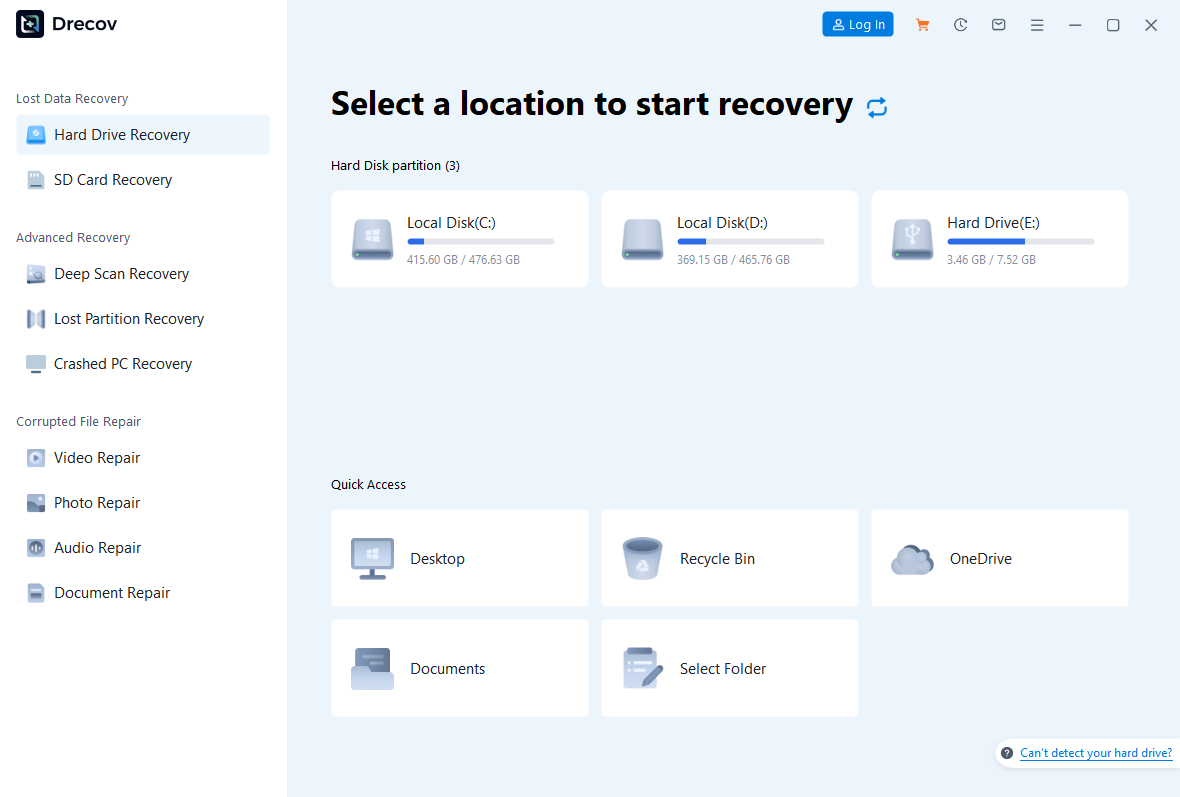
- Step 1: Select Scan Location. Upon opening PandaOffice Drecov, you will see a list of drives. Select your primary C: drive or the specific folder where your missing files were located.
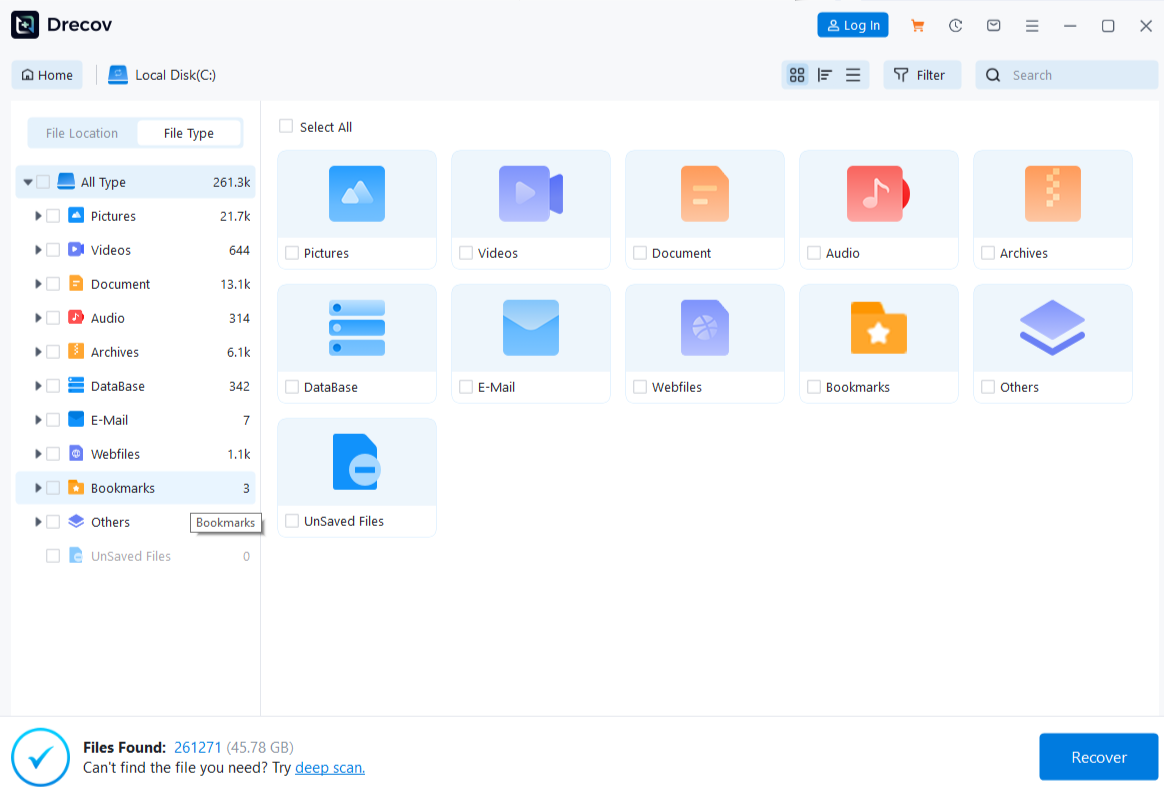
- Step 2: Deep Scan. Click the “Scan” button. The software will perform a quick scan followed by a deep scan to locate fragmented files.
- Step 3: Preview and Recover. Once the scan is complete, browse the files. You can preview images or documents to ensure they are intact.
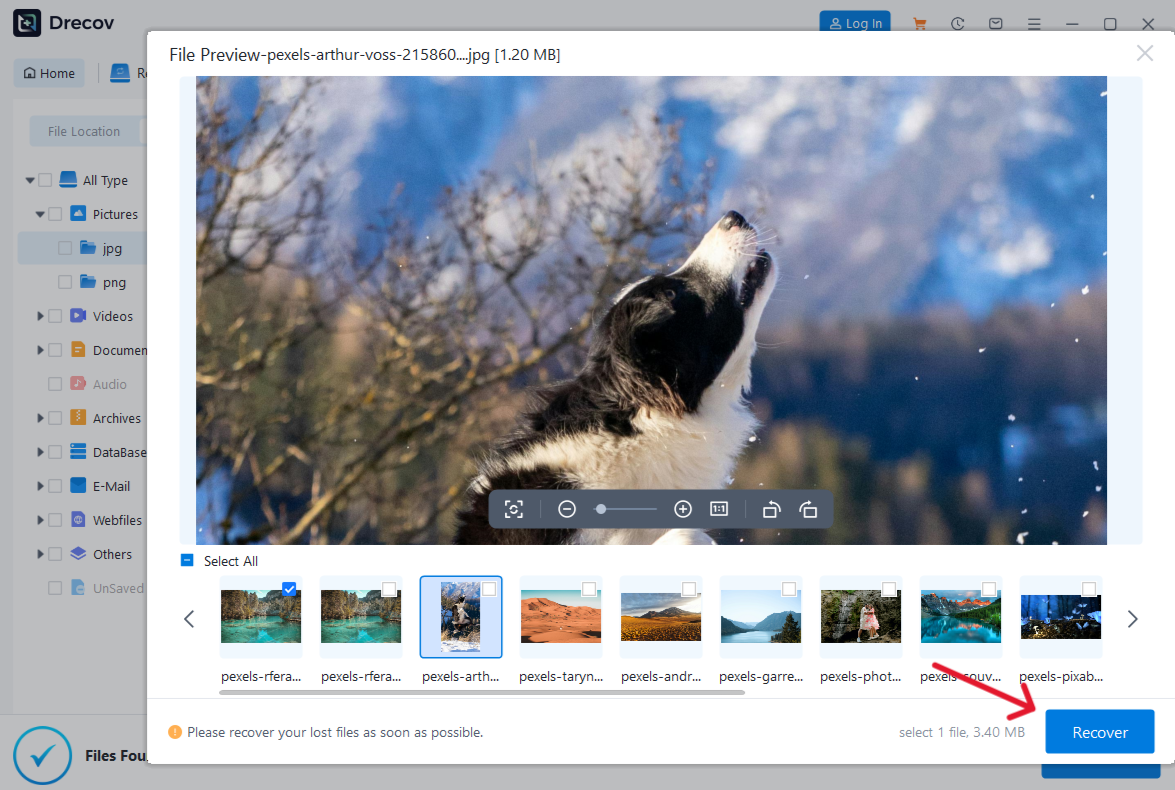
- Step 4: Save Files. Select the files you want to keep and click Recover.
Warning: Always save recovered data to an external hard drive or a different partition to ensure data integrity.
After securing your data, you might also find these resources helpful:
- Learn how to reinstall Windows 10 from USB to fix persistent system errors.
- If you accidentally deleted files while troubleshooting, find out where is the Recycle Bin in Windows 10.
- To restore your browser settings, check the Firefox bookmarks location.
Preventing Future Mouse Problems
Keep Drivers Updated
Regular updates prevent compatibility issues and improve performance. Most laptop manufacturers provide dedicated driver update utilities for this purpose. You can check Intel’s Driver Support for chipset and USB related updates.
Avoid Physical Damage
Accidental drops, spills, and pressure on the laptop can damage touchpads and USB ports. Being cautious and using protective covers can extend hardware longevity.
Use Reliable Accessories
Investing in quality mice and peripherals reduces the risk of repeated failures. Cheap or poorly made devices often fail quickly and cause repeated troubleshooting headaches.
When to Seek Professional Help
If all troubleshooting steps fail, it may indicate a serious hardware problem. Laptop repair centers can diagnose internal touchpad issues, faulty USB ports, or motherboard-related problems. Attempting DIY internal repairs without expertise can risk further damage.
Mouse not working on laptop FAQs
1. Why is my laptop touchpad not working?
It may be disabled in settings, affected by function key shortcuts, or experiencing driver/software conflicts.
2. How do I fix a wireless mouse that keeps disconnecting?
Check the batteries, ensure proper pairing, avoid interference, and update the drivers to maintain a stable connection.
3. Can a laptop update break my mouse?
Yes, sometimes system updates overwrite or corrupt drivers, causing mouse freezing or erratic behavior.
4. Why does my cursor jump around randomly?
Dirty touchpads, sensitive surfaces, driver issues, or conflicting software can cause the cursor to jump or freeze intermittently.
5. Is it safe to use third-party recovery software?
Yes, reputable tools like PandaOffice Drecov data recovery software are designed to read data without modifying the original drive, making them safe for home and professional use.
Conclusion
Mouse not working on laptop issues can be caused by a wide range of factors, from simple settings misconfigurations to complex hardware failures. By systematically troubleshooting—starting with basic checks like restarting and inspecting connections, then moving to advanced driver management and touchpad configuration—you can often resolve the mouse not working on laptop problem quickly and restore smooth operation. Remember that your data is your most valuable asset; always keep a tool like PandaOffice Drecov handy in case a software fix goes wrong. Prevention, including careful handling and timely updates, ensures long-term reliability for both touchpads and external mice.






