







Understanding the “You Need to Format the Disk in Drive” Error
Why This Disk Formatting Message Appears
Many Windows users suddenly encounter the warning message: “you need to format the disk in drive before you can use it.” This error usually appears when connecting USB drives, SD cards, external hard disks, or portable SSDs.
The operating system displays this alert when it cannot recognize the existing file system properly. As a result, users may lose access to files even though the storage device is still physically connected.
In most situations, the device becomes:
- RAW instead of NTFS or FAT32
- Inaccessible through File Explorer
- Unreadable by Windows
- Missing partition information
Although Windows recommends users to format disk drive storage immediately, formatting is not always the safest first step. Important files may still exist on the device and could potentially be recovered before formatting begins.
This issue can affect:
- USB flash drives
- External hard drives
- SD cards
- TF cards
- Portable SSDs
⚠️Warning: Avoid clicking the “Format Disk” button immediately if the drive contains important files.
Common Symptoms Associated with Disk Errors
When users experience this issue, several warning signs often appear before the actual error message.
Typical symptoms include:
- Drive asks for formatting repeatedly
- Files disappear unexpectedly
- Slow transfer speeds
- “Access denied” messages
- Corrupted folders
- Incorrect drive capacity display
In some cases, the device may connect successfully but become inaccessible after a few seconds.
Other users notice:
- Frequent disconnections
- Clicking sounds from hard drives
- Device not initialized warnings
- System freezing during file access
The problem can occur on both internal and external storage devices.
Test Environment:
- Windows 10 Pro 64-bit
- WD My Passport external HDD
- USB 3.0 connection
- NTFS file system corruption
What Causes Disk Formatting Errors in Windows
File System Corruption and RAW Partitions
One major reason behind the you need to format the disk in drive message is file system corruption.
Windows storage devices rely on structured file systems such as:
- NTFS
- FAT32
- exFAT
If these structures become damaged, Windows may classify the drive as RAW. Once this happens, the operating system cannot locate directories or read file allocation tables correctly.
Possible causes include:
- Unsafe device removal
- Sudden power loss
- Malware infection
- Interrupted file transfers
- Bad sectors
When the partition becomes RAW, many users try to format a disk drive immediately. However, recovering important data first is often safer.
Test Environment:
- Windows 11 Home
- SanDisk USB flash drive
- RAW partition status
- USB-C adapter
⚠️Warning: Formatting a RAW drive without recovery attempts may permanently overwrite valuable files.
Hardware Problems and Connection Failures
Not all formatting errors are caused by software corruption. Sometimes hardware problems trigger the issue.
Common hardware-related causes include:
- Damaged USB ports
- Faulty SATA cables
- Broken card readers
- Aging storage chips
- Overheating external drives
Mechanical hard drives may also develop physical bad sectors over time.
Signs of hardware damage include:
- Clicking noises
- Random disconnections
- Extremely slow file access
- Failure to appear in Disk Management
In severe cases, no disk drive formatting software can repair the storage device fully because the physical hardware itself is failing.
Test Environment:
- Windows 10 Enterprise
- Toshiba external HDD
- USB 3.1 Gen 1
- SMART warning detected
How to Recover Files Before Formatting the Drive
Use PandaOffice Drecov to Restore Lost Data
Before attempting to format disk drive Windows 10 systems, recovering important files should be the top priority.
One useful recovery solution is PandaOffice Drecov. The software supports recovery from:
- RAW drives
- Corrupted USB storage
- Formatted hard drives
- SD cards
- External SSDs
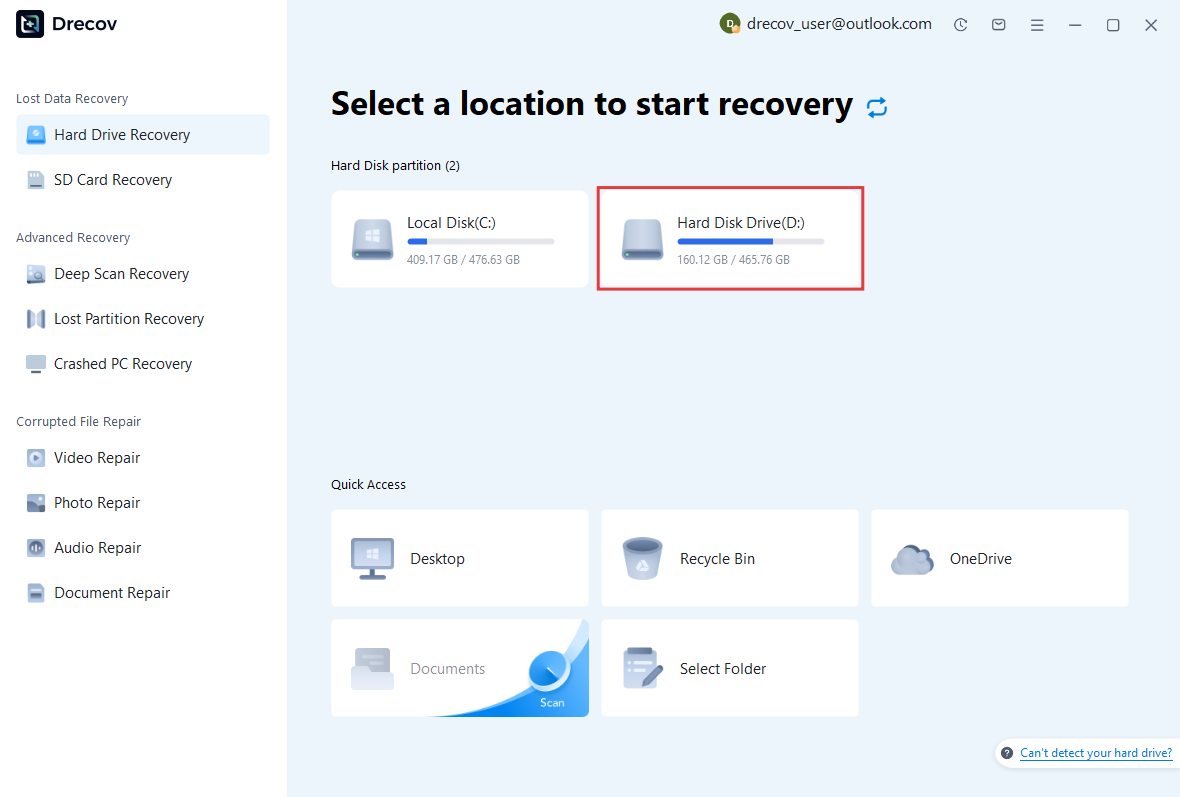
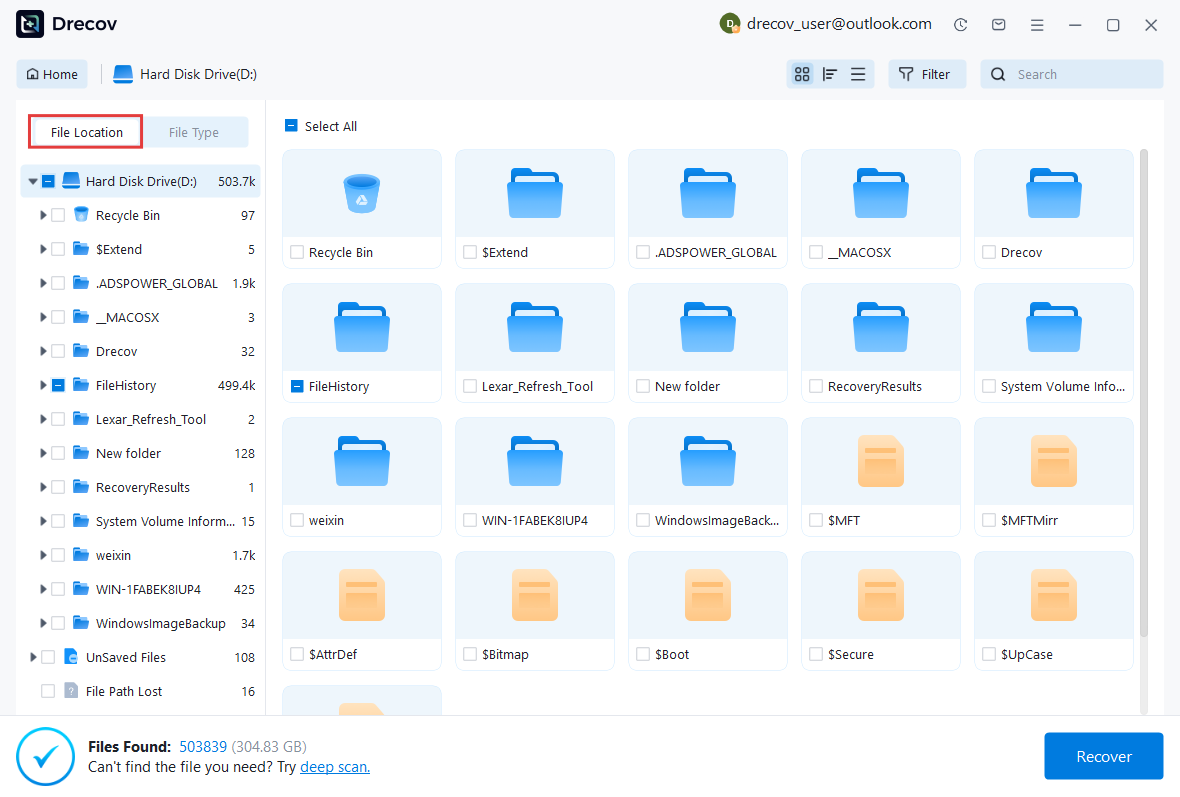
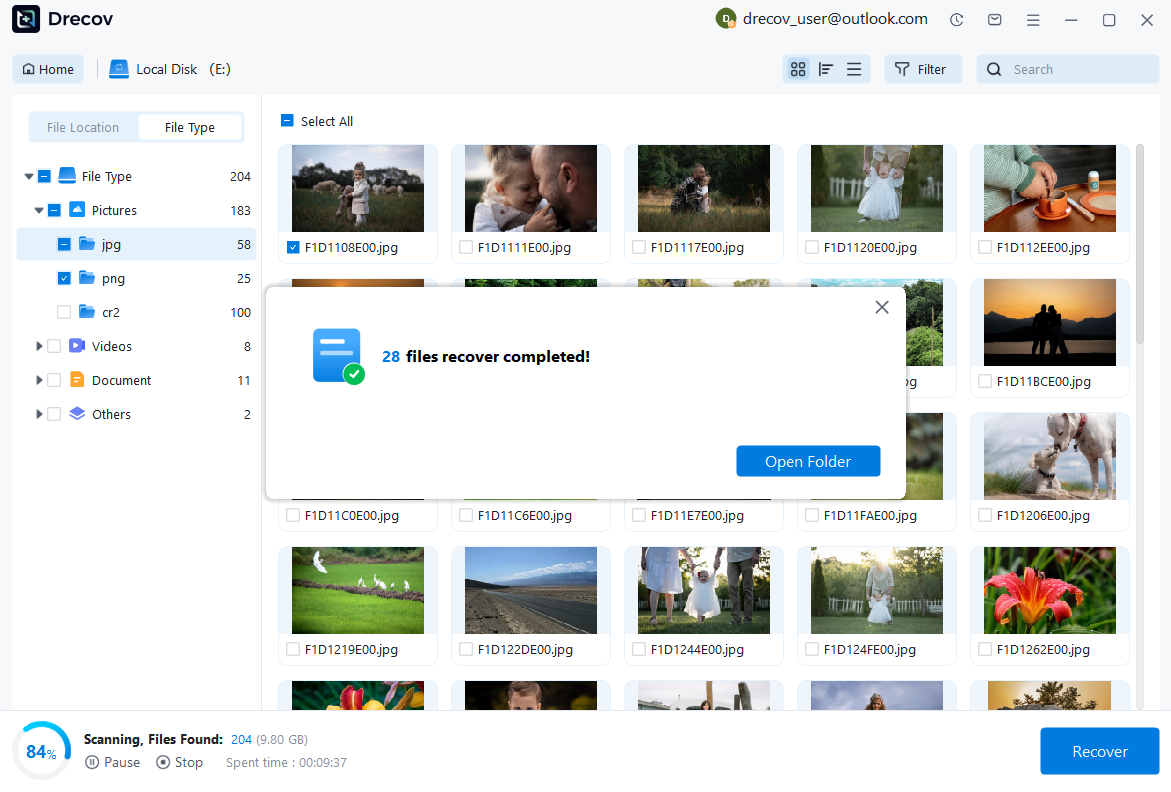
Steps to Recover Files from an Unreadable Drive
- Install PandaOffice Drecov on a healthy drive
- Connect the affected storage device
- Launch the recovery software
- Select the problematic drive
- Start a deep scan
- Preview recoverable files
- Save restored files elsewhere
The software supports:
- Photos
- Videos
- Documents
- Audio files
- Archives
Many users successfully recover data before proceeding to format a disk drive afterward.
Test Environment:
- Windows 11 Pro
- Seagate external HDD
- RAW partition recovery
- Deep scan enabled
Why Choose PandaOffice Drecov Data Recovery Software?
When it comes to reliable data recovery, PandaOffice Drecov stands out as a powerful, all-in-one solution designed to handle a wide range of data loss scenarios. Whether you’re trying to perform TikTok deleted video recovery, restore files after formatting, or recover important documents, Drecov delivers fast and dependable results.
One of its biggest advantages is versatility. From format data recovery to lost partition recovery, the software can scan deeply and accurately locate files that other tools often miss. Even if your drive has been accidentally formatted or a partition has disappeared, Drecov uses advanced algorithms to reconstruct and retrieve your data with high success rates.
Drecov also supports specialized recovery needs. If you’ve lost important documents, its PDF recovery tool ensures that files retain their original structure and quality. For media users, the audio recovery feature helps restore music, recordings, and other sound files without corruption, making it ideal for both personal and professional use.
Ease of use is another key benefit. The intuitive interface allows beginners to recover files in just a few clicks, while still offering advanced options for more experienced users. Plus, it supports a wide range of storage devices, including HDDs, SSDs, USB drives, and memory cards.
In short, PandaOffice Drecov combines powerful recovery capabilities with user-friendly design, making it a trusted choice for anyone facing data loss.
⚠️Warning: Do not save recovered files back to the damaged drive during recovery.
Check Whether the Drive Appears in Disk Management
Sometimes a drive is inaccessible in File Explorer but still appears inside Disk Management.
How to Open Disk Management
- Press Windows + R
- Type
diskmgmt.msc - Press Enter
Inside Disk Management, users may see statuses such as:
- RAW
- Unallocated
- Healthy but inaccessible
- Unknown partition
If the drive appears correctly, recovery chances are generally better.
This step also helps determine whether the issue is:
- File system corruption
- Partition table damage
- Hardware failure
Test Environment:
- Windows 10 Home
- Samsung portable SSD
- NTFS corruption
- Disk Management accessible
Methods to Fix “You Need to Format the Disk in Drive”
Reconnect the Storage Device Properly
Sometimes the error occurs because of unstable hardware communication rather than severe corruption.
Basic Troubleshooting Steps
Try the following:
- Disconnect the drive safely
- Restart the computer
- Use another USB port
- Replace the USB cable
- Test on another computer
These simple steps often fix temporary connection failures.
This solution is especially effective for:
- USB flash drives
- External SSDs
- SD card readers
If the device works normally on another computer, the issue may relate to drivers or USB power settings.
Test Environment:
- Windows 10 Pro
- Kingston USB flash drive
- USB 2.0 and 3.0 ports tested
Run CHKDSK to Repair File System Errors
CHKDSK is a built-in Windows repair utility that can fix minor storage corruption.
Steps to Use CHKDSK
- Open Command Prompt as administrator
- Type:
chkdsk X: /f /r - Press Enter
- Wait for scanning to finish
The utility attempts to:
- Repair file system errors
- Recover readable sectors
- Fix allocation problems
This method sometimes restores access without requiring users to format disk drive storage.
However, CHKDSK may fail on heavily damaged RAW partitions.
Test Environment:
- Windows 11 Enterprise
- WD Elements external HDD
- NTFS repair attempt
- USB 3.0 interface
⚠️Warning: CHKDSK may freeze temporarily during deep sector scanning on damaged drives.
Assign a New Drive Letter
In certain cases, the drive works correctly but Windows cannot mount it because of drive letter conflicts.
Steps to Change the Drive Letter
- Open Disk Management
- Right-click the affected partition
- Choose “Change Drive Letter and Paths”
- Click “Change”
- Assign a new drive letter
- Confirm changes
This method can restore accessibility without needing disk drive formatting software.
Test Environment:
- Windows 10 Home
- USB external HDD
- Drive letter conflict resolved
- NTFS partition
Repair Corrupted USB Drives Without Formatting
Update USB and Storage Drivers
Outdated drivers may trigger repeated disk formatting warnings.
Steps to Update Drivers
- Open Device Manager
- Expand “Disk Drives”
- Right-click the storage device
- Select “Update Driver”
- Search automatically for updates
Users should also update:
- USB controllers
- Chipset drivers
- Motherboard firmware
Driver conflicts sometimes cause Windows to misread healthy storage devices.
Test Environment:
- Windows 11 Professional
- SanDisk Ultra Fit USB
- Updated USB controller drivers
Scan the Device for Malware
Certain malware infections modify partition structures or hide files, causing Windows to request formatting.
Signs of malware-related corruption include:
- Shortcut files replacing folders
- Missing storage capacity
- Unknown autorun files
- Repeated formatting requests
Running a full antivirus scan may resolve the issue without requiring users to format a disk drive.
Test Environment:
- Windows Defender full scan
- Kingston DataTraveler USB
- Malware-infected removable storage
Advanced Ways to Repair Corrupted Drives
Use Diskpart to Clean and Rebuild the Drive
If standard repair methods fail, Diskpart can help rebuild damaged partitions. Many advanced users use this method before deciding to permanently format disk drive storage.
Diskpart is a built-in Windows command-line utility capable of managing disks, partitions, and formatting operations directly.
Steps to Repair the Drive Using Diskpart
- Open Command Prompt as administrator
- Type
diskpart - Enter
list disk - Identify the damaged storage device
- Type:
select disk X - Enter:
clean - Create a new partition:
create partition primary - Format the partition:
format fs=ntfs quick - Assign a drive letter:
assign
This process removes damaged partition information and rebuilds the file structure completely.
Diskpart is useful for:
- RAW drives
- Unallocated storage
- USB formatting failures
- Corrupted partition tables
Test Environment:
- Windows 11 Pro
- Seagate 1TB external HDD
- USB 3.1 interface
- RAW partition cleanup
⚠️Warning: The “clean” command permanently deletes partition information from the selected disk.
Repair Bad Sectors Using Windows Tools
Bad sectors are physically damaged storage areas that prevent normal file access. In some situations, Windows repeatedly displays the you need to format the disk in drive message because unreadable sectors interrupt file system access.
Use Error Checking in Windows
- Open File Explorer
- Right-click the affected drive
- Select “Properties”
- Open the “Tools” tab
- Click “Check”
Windows scans for:
- File system corruption
- Logical errors
- Unreadable sectors
Although this tool cannot repair severe hardware failure, it may stabilize partially damaged drives temporarily.
Test Environment:
- Windows 10 Enterprise
- Toshiba portable HDD
- NTFS file system
- Error-checking utility enabled
How to Format the Drive Safely If Repair Fails
Format the Drive Through File Explorer
If the storage device remains inaccessible after recovery attempts, formatting may become necessary.
Many users searching how to format a disk drive prefer File Explorer because it is simple and fast.
Steps to Format Through File Explorer
- Open “This PC”
- Locate the damaged drive
- Right-click the device
- Select “Format”
- Choose a file system
- Enable Quick Format if needed
- Click “Start”
Windows supports several formatting types:
- NTFS
- FAT32
- exFAT
Recommended file systems depend on the storage device and intended usage.
This method works best for:
- USB flash drives
- External hard disks
- SD cards
Test Environment:
- Windows 10 Home
- Kingston USB flash drive
- FAT32 formatting
- USB 3.0 port
⚠️Warning: Verify the correct drive letter before formatting to avoid accidental data loss.
Format the Drive Using Disk Management
Disk Management provides additional formatting control when File Explorer fails.
Steps to Format Using Disk Management
- Press Windows + R
- Type
diskmgmt.msc - Press Enter
- Locate the storage device
- Right-click the partition
- Select “Format”
- Configure allocation settings
- Confirm formatting
This method also allows users to:
- Delete partitions
- Create new volumes
- Initialize unknown disks
- Change drive letters
Many users rely on this method to format disk drive Windows 10 systems after severe corruption.
Test Environment:
- Windows 11 Home
- WD Elements HDD
- GPT partition style
- NTFS formatting
Perform Full Formatting for Corrupted Drives
Quick formatting only rebuilds the file system table. Full formatting scans the entire device for bad sectors.
A full format is recommended when:
- The drive repeatedly disconnects
- Bad sector warnings appear
- Previous quick formats failed
- The device becomes unstable
Although slower, this process may improve long-term storage stability.
Test Environment:
- Windows 10 Pro
- Samsung external SSD
- Full NTFS formatting
- USB-C connection
⚠️Warning: Full formatting large-capacity drives may take several hours to complete.
Best Disk Drive Formatting Software Options
When Built-In Formatting Tools Are Not Enough
Sometimes Windows formatting utilities fail completely. In such cases, users often search for professional disk drive formatting software.
Dedicated tools can help:
- Repair damaged partition tables
- Remove write protection
- Rebuild inaccessible volumes
- Correct file system alignment
These utilities are especially useful for:
- External hard drives
- USB storage devices
- Memory cards
- SSDs with partition corruption
Some advanced formatting tools also include low-level formatting features that rebuild storage structures more deeply than standard Windows utilities.
Test Environment:
- Windows 11 Enterprise
- Seagate Backup Plus HDD
- RAW drive recovery
- Low-level format testing
Use Manufacturer Utilities for Better Compatibility
Storage manufacturers often provide dedicated formatting tools optimized for their devices.
Examples include utilities for:
- Western Digital
- Seagate
- Samsung
- SanDisk
Manufacturer tools can sometimes resolve compatibility problems more effectively than generic Windows formatting features.
Advantages include:
- Firmware compatibility
- SMART diagnostics
- Device-specific optimization
- Safer formatting profiles
These utilities are particularly useful for external SSDs and large-capacity storage devices.
Test Environment:
- Samsung T7 Portable SSD
- Windows 10 Professional
- Official Samsung utility
- exFAT formatting
How to Prevent Future Disk Formatting Errors
Safely Remove External Devices
Improper removal is one of the leading causes of corruption.
Users should always:
- Use “Safely Remove Hardware”
- Wait for transfer completion
- Avoid unplugging during writes
- Disconnect devices properly
Sudden removal interrupts file system operations and may trigger the you need to format the disk in drive error later.
Test Environment:
- Windows 11 Home
- USB flash drive
- Repeated unsafe removal simulation
Monitor Drive Health Regularly
Hard drives and SSDs gradually wear out over time.
Signs of storage degradation include:
- Slow transfer speeds
- Frequent freezing
- Clicking noises
- Increasing bad sectors
Users should periodically monitor SMART status using system tools or manufacturer utilities.
Regular maintenance helps reduce unexpected failures and repeated attempts to format a disk drive.
Test Environment:
- Seagate external HDD
- Windows 10 Pro
- SMART monitoring enabled
⚠️Warning: Repeated bad sector growth usually indicates physical drive failure.
Frequently Asked Questions About Disk Formatting Errors
Why Does Windows Keep Asking Me to Format the Drive?
This usually happens because Windows cannot recognize the file system correctly. Causes include corruption, bad sectors, malware, or hardware failure.
Can I Fix the Error Without Formatting?
Yes. In some cases, CHKDSK, driver updates, Diskpart repair, or recovery tools can restore accessibility without formatting.
Does Formatting Remove Viruses?
Formatting often removes malware stored inside the file system. However, infected computers may reinfect the storage device afterward if security issues remain unresolved.
What File System Should I Choose During Formatting?
Recommended file systems include:
| File System | Best For |
|---|---|
| NTFS | Windows internal and external drives |
| FAT32 | Older devices and compatibility |
| exFAT | Large external storage and media files |
Can Data Be Recovered After Formatting?
Yes. If new data has not overwritten the storage sectors, recovery software may still restore deleted files successfully.
Conclusion
The you need to format the disk in drive error can occur because of corruption, hardware problems, unsafe device removal, or damaged partitions. Although Windows often recommends formatting immediately, recovering important files first is usually the safer approach.
Users can attempt multiple repair methods before deciding to format disk drive storage, including CHKDSK scans, Diskpart repairs, driver updates, and hardware troubleshooting. If recovery fails, Windows tools such as File Explorer and Disk Management can safely rebuild the storage structure.
Professional disk drive formatting software may also help resolve advanced partition problems that standard utilities cannot repair. For users who accidentally lose files during the process, PandaOffice Drecov can help recover documents, videos, photos, and other important data from damaged or formatted drives.
By understanding the causes of storage corruption and following proper formatting procedures, users can reduce future disk errors and manage external drives more safely across Windows systems.






