







System crashes, accidental deletions, and sudden boot failures can strike when you least expect them. When your operating system refuses to load, having a reliable windows 11 recovery usb is the ultimate safety net for your digital life. This essential tool allows you to access advanced startup options, troubleshoot stubborn system errors, and reinstall the OS if necessary.
However, a system crash often puts your personal files at immediate risk. While a recovery drive fixes the operating system, it does not always guarantee the safety of your unbacked-up data. Consequently, smart users pair their system repair tools with robust data retrieval solutions. PandaOffice Drecov data recovery software stands out as the premier recommendation for safeguarding your files during severe system crises, ensuring that a crashed PC does not mean permanent data loss.
Understanding the Basics of Windows 11 Recovery USB
A windows 11 recovery usb is a bootable storage drive containing essential Windows system files. It serves as a portable diagnostic toolkit that can boot your computer when the primary hard drive fails to do so.
Common Technical Challenges
Creating and using a recovery drive is not always seamless. Users frequently encounter several distinct hurdles:
- Insufficient Drive Capacity: The process requires a USB flash drive with at least 16 GB of storage, which will be completely formatted.
- File System Incompatibilities: Windows requires specific FAT32 formatting for bootable media, which can limit file sizes.
- BIOS/UEFI Boot Order Confusion: Users often struggle to change their motherboard’s boot priority to recognize the USB drive during a startup failure.
Meet PandaOffice Drecov Data Recovery Software
When system files become corrupted, partition tables often degrade, leading to massive data loss. This is where PandaOffice Drecov data recovery software becomes invaluable. It is a highly specialized utility engineered to scan deeply into damaged drives, raw partitions, and unbootable storage environments to salvage your files.
You can deploy this software across numerous high-stress data loss scenarios:
- Recovering critical documents after an unexpected Windows 11 Blue Screen of Death.
- Extracting media files from an accidentally formatted OS partition.
- Restoring items that bypassed the storage bin entirely. For instance, if you need to recover standard desktop files, you can read about how to restore deleted files from Recycle Bin.
- Rescuing precious memories after a system crash. If you lose personal media during an OS reinstall, learn how to get recently deleted photos back.
- Managing cloud-synced local assets. If your system cleanup goes wrong, check out this guide on how to delete all photos from Google Photos to understand sync behavior and avoid accidental cloud wiping.
⚠ Warning: Install it on a drive different from the one where your data was lost to prevent overwriting.
Solutions to System Failures and Data Recovery
Fixing a broken operating system and rescuing your data requires a structured approach. Below are the definitive methods organized by technical complexity.
Method 1: Create Windows 11 Recovery USB via Built-in Tools
Windows 11 includes a native utility to build a repair drive. Ensure you have a blank 16 GB or larger USB flash drive connected to a working computer before starting.
- Step 1: Press the Windows Key + S to open the search bar.
- Step 2: Type
Create a recovery driveand press Enter. Click Yes when the User Account Control (UAC) prompt appears. - Step 3: In the wizard window, check the box for Back up system files to the recovery drive, then click Next.
- Step 4: Select your connected USB flash drive from the list of available devices and click Next.
- Step 5: Click Create. The system will format the drive and copy the necessary deployment files. Do not disconnect the drive during this process.
Method 2: Recover Lost Files Using PandaOffice Drecov Data Recovery Software
If your system crashes before you can create a windows 11 recovery usb, or if the crash wiped your files, you must prioritize data extraction. Use this method to pull files from the affected storage drive.
- Step 1: Remove the hard drive from the crashed PC and connect it via a SATA-to-USB adapter, or boot the target PC into a safe environment.
- Step 2: Launch the Drecov application interface. Select the specific drive letter or unallocated partition space that requires rescuing.
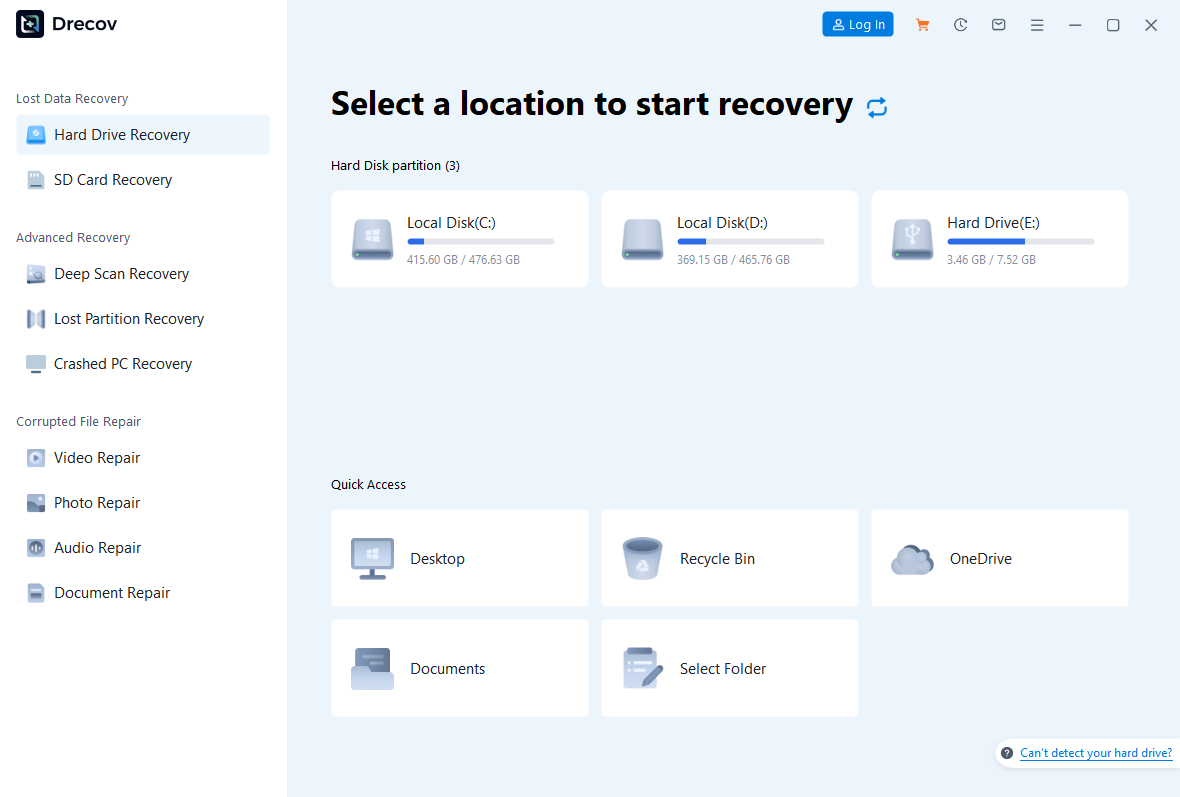
- Step 3: Click the Scan button. The software executes a deep sector-by-sector analysis to locate fragmented files.
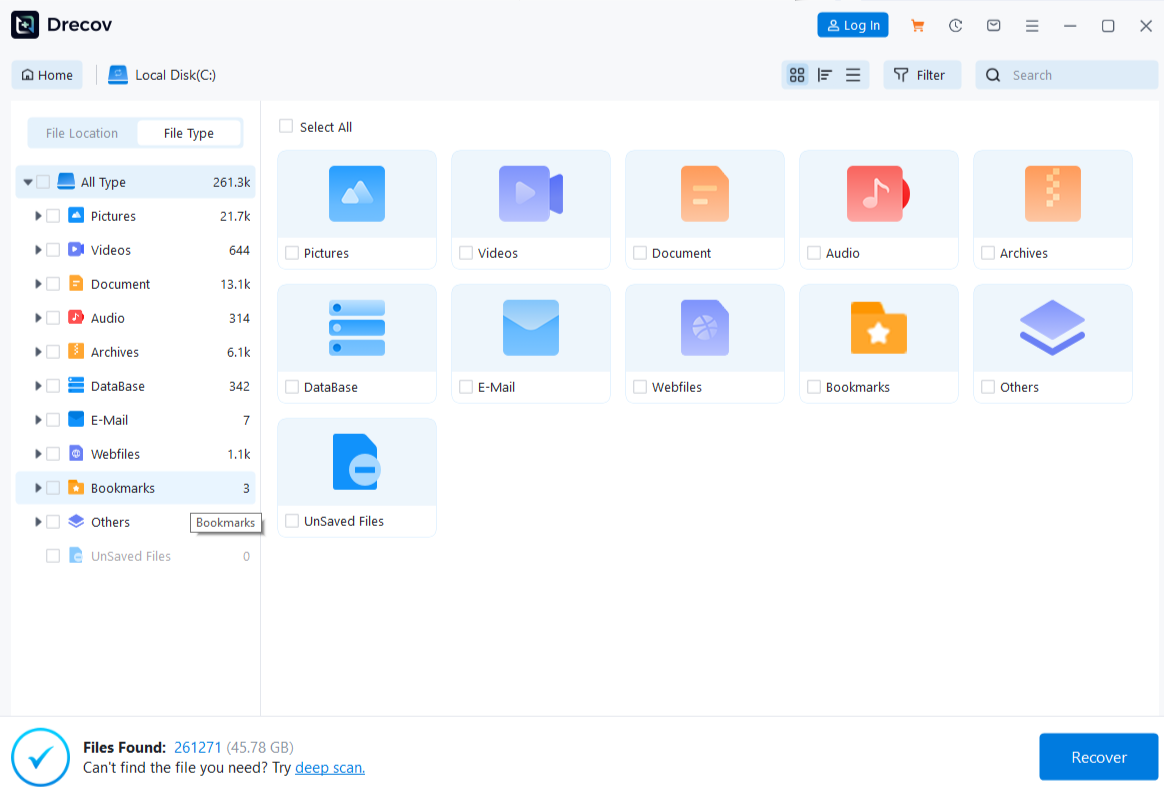
- Step 4: Browse the real-time preview panel to locate your lost documents, images, or folders.
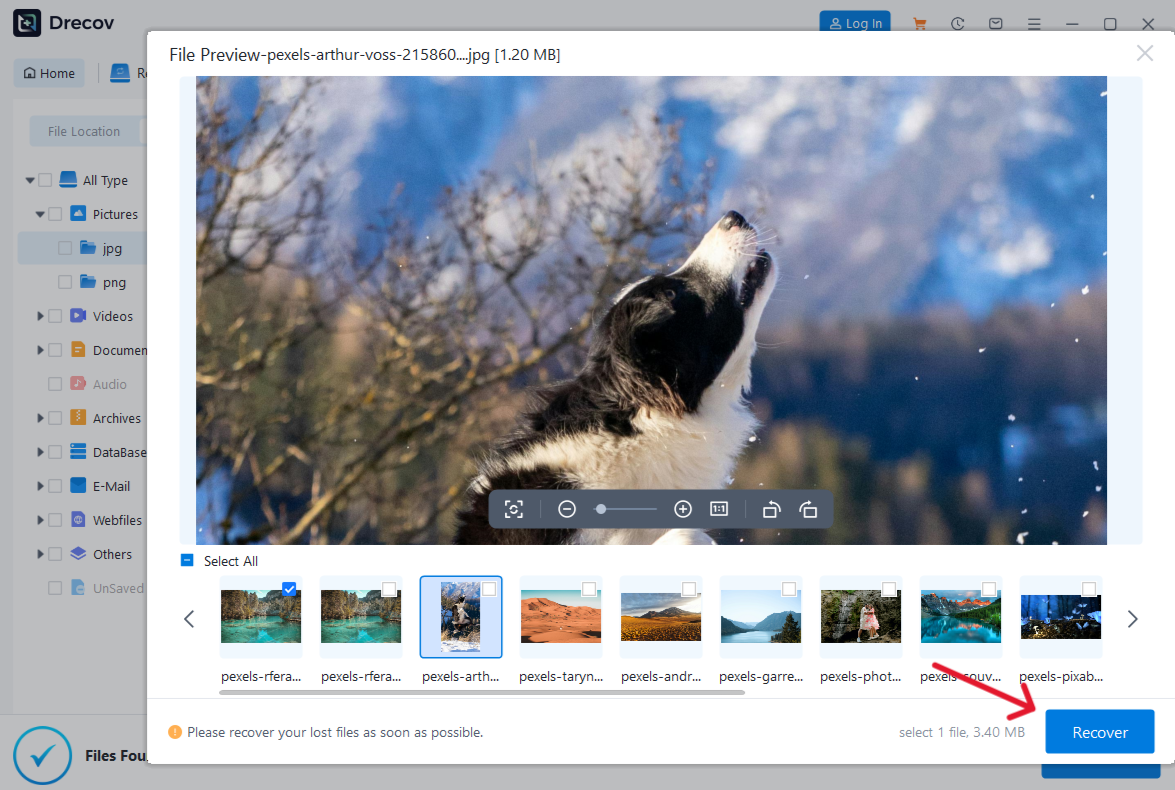
- Step 5: Select your desired files, click Recover, and choose a secure destination storage path on a separate external drive.
Method 3: Deploy Command Prompt for Advanced Boot Repair
Furthermore, if you successfully boot from your windows 11 recovery usb but the system still fails to load, you must manually rebuild the Boot Configuration Data .
- Step 1: Insert your recovery media and turn on your computer. Immediately press your motherboard’s boot menu hotkey.
- Step 2: Select the USB drive from the boot menu.
- Step 3: Navigate through the language selection, then click Troubleshoot → Advanced Options → Command Prompt.
- Step 4: Type the following command to fix the Master Boot Record and press Enter:DOS
bootrec /fixmbr - Step 5: Type the next command to repair the boot sector and press Enter:DOS
bootrec /fixboot- Note: If you receive an “Access is denied” error on UEFI systems, execute
bootsect /nt60 sysbefore running the fixboot command.
- Note: If you receive an “Access is denied” error on UEFI systems, execute
- Step 6: Finally, rebuild the entire configuration storage by typing:DOS
bootrec /rebuildbcd - Step 7: Close the command window, restart your machine, and let Windows 11 boot normally.
Alternative or Complementary Methods
While the built-in Windows utility is reliable, alternative deployment strategies exist for advanced troubleshooting scenarios.
| Method | Pros | Cons |
| Official Media Creation Tool | Generates a completely clean OS installer; bypasses manufacturer bloatware. | Requires an active internet connection to download a fresh 5 GB+ ISO file. |
| Manual ISO Burning (Rufus) | Offers granular control over partition schemes (GPT vs. MBR) and disables strict RAM/TPM checks. | Higher risk of user configuration errors; requires manual downloads from the Microsoft Software Download Center. |
| System Restore Points | Reverts recent registry changes without altering personal user files. | Ineffective if the underlying system drive suffers from physical or hardware corruption. |
Meanwhile, users can also look into deploying system image backups via external hard drives. This complementary method saves exact snapshots of your operating system environment, though it lacks the flexibility and deep repair toolsets found on a dedicated windows 11 recovery usb.
Tips & Best Practices for Data Protection
Maintaining system stability and data integrity requires proactive habits. Follow these essential strategies to minimize the risk of catastrophic file loss:
- Create Multiple Boot Copies: Do not rely on a single flash drive. Always create a windows 11 recovery usb on two separate physical storage devices to protect against hardware wear.
- Update Recovery Media Post-Upgrades: Major Windows 11 feature updates (such as changing from version 23H2 to 24H2) alter core system files. Consequently, you must rebuild your recovery drive after every major operating system update.
- Isolate Target Drives During Recovery: Never save recovered files back onto the exact same drive partition you are actively scanning. Doing so causes data overwriting, which destroys the remnants of your lost files permanently.
- Check Drive Health Periodically: Use built-in diagnostic tools like CHKDSK. Open the command line and type
chkdsk C: /f /rto fix file system errors before they escalate into an unbootable system state.
Frequently Asked Questions
How often should I create windows 11 recovery usb?
You should update or recreate your recovery drive at least twice a year, or immediately after your computer installs a major Windows 11 version update. This ensures the backup system files match your active OS environment.
Can I use the same USB drive for data storage and system recovery?
No. The creation process completely formats the target drive. Furthermore, partitioning a recovery drive for regular file storage can interfere with its boot protocols during an emergency.
Why does my PC fail to recognize the Windows 11 recovery drive?
This issue usually occurs due to Fast Startup settings or incorrect BIOS configurations. You must disable “Fast Boot” in your UEFI settings and set your primary boot priority device to the USB storage option.
Will using PandaOffice Drecov data recovery software alter my original files?
No, the software operates using strict read-only protocols during its entire scanning phase. It reads the raw data blocks without writing anything back to the source drive, thereby ensuring complete data integrity.
What size flash drive do I need to create a windows 11 recovery usb?
Microsoft specifies a minimum capacity of 16 GB. However, if your system configuration includes extensive pre-installed manufacturer drivers, a 32 GB flash drive is highly recommended.
Conclusion
In conclusion, knowing how to create windows 11 recovery usb media is an indispensable skill for anyone navigating modern digital workspaces. A well-prepared recovery drive saves hours of downtime when system files degrade. However, system repairs solve only half the problem if your vital documents remain trapped on a corrupted drive partition.
For absolute peace of mind, pair your physical recovery drives with the advanced capabilities of PandaOffice Drecov data recovery software. This multi-tiered strategy guarantees that your operating system remains fixable and your personal data stays fully protected against unexpected digital disasters. Be proactive: set up your recovery infrastructure today before your system encounters its next unexpected breakdown.






