







Plug-and-play storage devices have become essential tools for transferring files and running portable operating systems. However, users frequently encounter unexpected errors such as formatting prompts, file corruption, or accidental deletion. Understanding how to use usb flash drive configurations correctly can prevent severe data loss. When file disasters strike, relying on professional solutions like PandaOffice Drecov data recovery software ensures your critical files are never permanently lost. Consequently, this comprehensive guide will walk you through optimal USB utilization, creation of bootable media, and emergency recovery techniques.
Understanding the Basics of How to Use USB Flash Drive
A USB flash drive relies on flash memory and a standard physical connector to interface with operating systems. While the physical action of inserting the device is simple, managing the underlying file systems requires a bit more knowledge. Users often face challenges regarding format compatibility between operating systems, such as choosing between FAT32, exFAT, and NTFS.
Furthermore, improper removal of the drive can corrupt the partition table. This corruption leads to a dreaded RAW drive state where Windows can no longer read the data. In addition, malware infections can hide files or turn them into broken shortcuts, leaving users stranded without their data.
How to Fix Common USB Flash Drive Issues and Errors
When an external storage drive suddenly becomes unreadable or critical files seemingly vanish, finding a fast solution is essential. Fortunately, you can easily restore full functionality and retrieve your missing information by utilizing the correct troubleshooting techniques. Below are the most effective strategies to resolve your drive problems immediately.
Method 1: Repairing File System Errors via CHKDSK
If your computer detects the drive but cannot open it, the file system might be logically damaged. You can fix this natively in Windows.
- Type
cmdin the Windows search bar. - Press
Ctrl + Shift + Enterto open the Command Prompt with administrative privileges. - Type
chkdsk E: /fand pressEnter. ReplaceE:with the actual letter assigned to your USB drive.
Method 2: Data Retrieval Using PandaOffice Drecov Data Recovery Software
When manual system repairs fail or files are permanently deleted, PandaOffice Drecov data recovery software provides a powerful solution to restore your digital assets. This industry-grade utility features an advanced file-carving algorithm engineered to scan storage blocks and rebuild lost directory trees with precision.
Furthermore, this versatile software supports comprehensive deep scanning of formatted, corrupted, and RAW partitions on all external media. Designed with a user-friendly interface, it allows both beginners and professionals to rescue documents, photos, and system files without risking further data corruption. Consequently, it stands out as an essential tool for anyone mastering how to use usb flash drive configurations securely under any data loss scenario.
⚠ Warning: Install it on a drive different from the one where your data was lost to prevent overwriting.
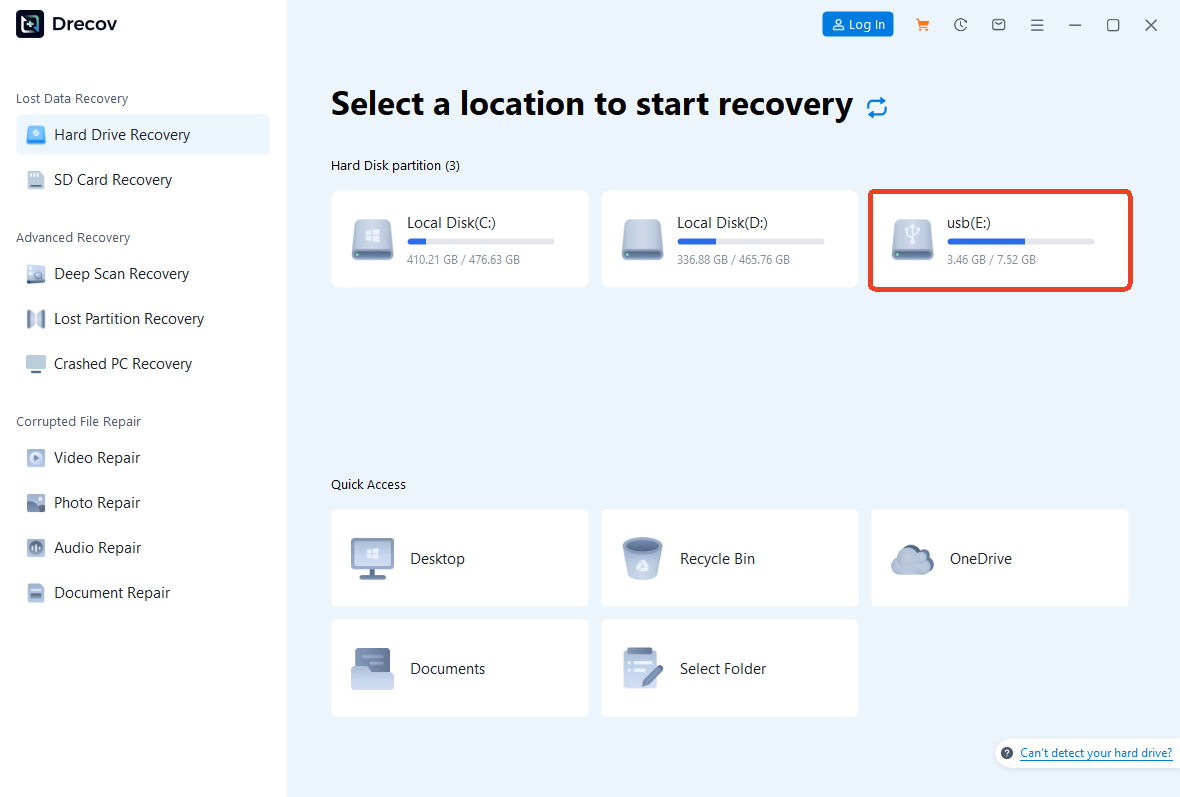
Step 1: Connect Your Storage Device and Launch the Application
Insert your external drive into an active USB port. Open the application on your computer and select the target drive from the list of available storage volumes.
Step 2: Initialize the Deep Scan Process
Click the Scan button to start analyzing the storage blocks. The software will perform a signature-based search to identify fragment patterns of documents, images, and videos.
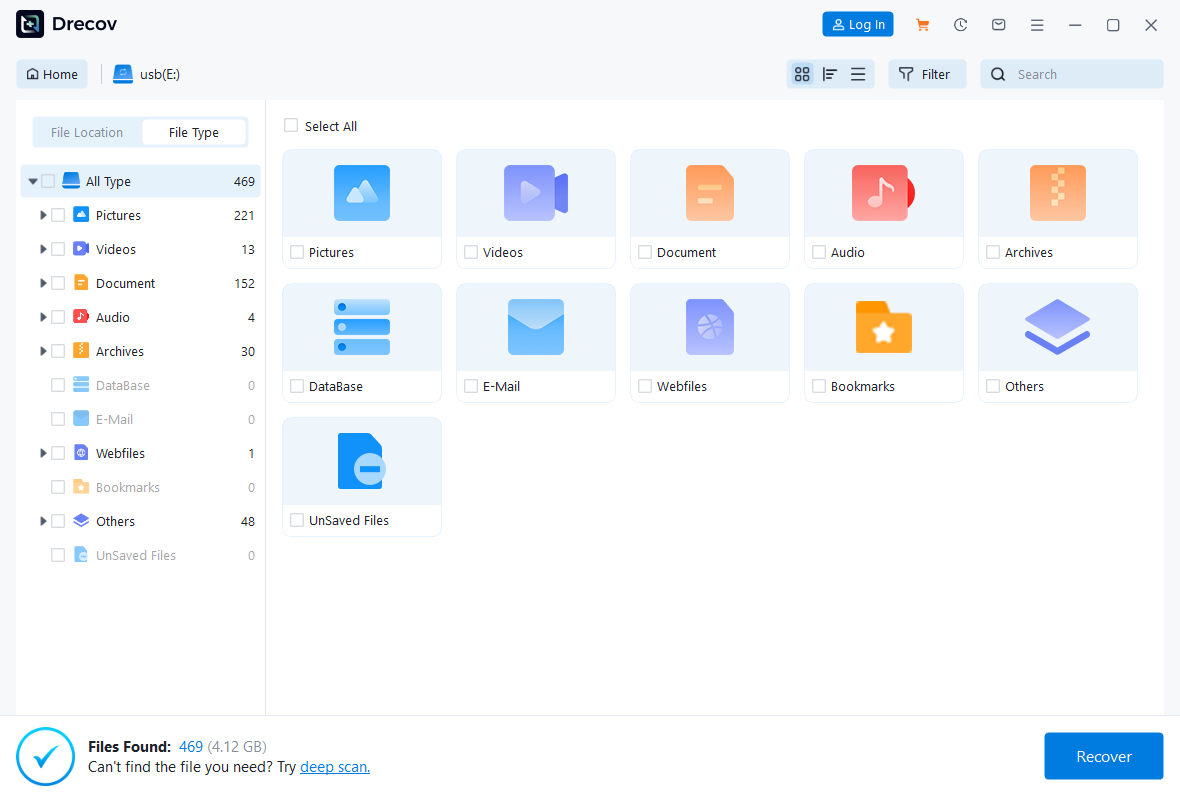
Step 3: Preview and Save the Restored Files
Browse the listed folders once the scan completes. Select the necessary items and click Recover to save them to a secure local drive instead of the corrupted USB drive.
For specialized guidance on related storage and system optimization scenarios, you can consult these helpful internal resources:
- Learn about browser data restoration at Google Chrome Bookmarks Recovery.
- Streamline your system layout with the OneDrive File Explorer Removal Guide.
- Follow the dedicated tutorial for media retrieval at Recover Deleted Files From USB Flash Drive.
Advanced Configurations: How to Make Bootable USB Media
Moving beyond simple storage, mastering how to make bootable usb drives allows you to install operating systems or run diagnostic tools on crashed computers. This process turns your portable storage into a self-contained environment that can boot a PC without relying on the internal hard drive.
Step-by-Step Instructions on How to Use Bootable USB Devices
Step 1: Prepare the ISO Image and the Target Drive
Download the official ISO file for your preferred operating system. Connect a flash drive with at least 8 GB of capacity, ensuring all existing files are backed up beforehand.
Step 2: Burn the Image to the Flash Drive
Open a deployment tool such as Rufus or the Windows Media Creation Tool. Select your connected flash drive, choose the downloaded ISO file, set the partition scheme to GPT for modern UEFI systems, and click Start.
Step 3: Configure the Host PC Boot Order
Insert the newly created media into the target computer. Turn on the PC and immediately tap the designated boot menu key, which is typically F12 or F11 or Esc depending on your motherboard manufacturer.
Step 4: Execute the Boot Sequence
Select the flash drive from the boot priority list. The computer will bypass the local hard drive and load the setup or diagnostic environment directly from your portable device.
Alternative or Complementary Methods
While dedicated tools offer the highest success rates, alternative deployment methods exist for system administrators who prefer native tools.
| Method | Pros | Cons |
| PandaOffice Drecov Data Recovery Software | High recovery rate, previews files, handles RAW systems | Requires software installation |
| Windows Diskpart CLI | Built into OS, no downloads required, powerful partition control | High risk of erasing the wrong drive via text commands |
| Third-Party ISO Burners | Simple graphical interfaces, automated formatting | Occasional compatibility issues with older BIOS systems |
For manual boot configurations, users can utilize the Command Line Interface. Run Command Prompt as an administrator and execute diskpart followed by list disk to find your media index. Select the disk, type clean to wipe it, create a primary partition, format it to NTFS, and mark it as active. However, this manual approach lacks safety guardrails and can result in data loss if you type the wrong disk index. For a reliable overview of standard hardware setup and file architecture, you can check the authoritative Microsoft Hardware Support Documentation.
Tips & Best Practices for Drive Health
Maintaining file integrity involves adopting safe handling habits alongside software solutions.
- Always use the Safely Remove Hardware option in your system tray before physical disconnection.
- Avoid writing new data to a flash drive immediately after you notice files are missing.
- Keep your storage format set to exFAT for optimal cross-compatibility between Windows and macOS systems.
- Store your bootable deployment media in a separate physical location away from daily work drives.
Frequently Asked Questions
What causes a flash drive to suddenly show up as an unformatted RAW drive?
This issue typically happens when the file system metadata becomes corrupted due to sudden disconnection during a write cycle or sudden power loss.
Can I deploy PandaOffice Drecov data recovery software on a drive that is physically broken?
No, physical damage requires hardware repair cleanroom services. This software is designed to fix logical issues, accidental deletions, and formatted storage.
Why does my computer fail to recognize the drive when I try to use bootable usb configurations?
You might need to disable Fast Boot or Secure Boot in your system UEFI firmware settings to allow unauthorized external media to initialize.
Is it safe to change file systems without losing my existing data?
No, changing the file system architecture requires a full format sequence which wipes the drive. You must safely back up your data before altering the file system.
Conclusion
Mastering how to use usb flash drive features safely guarantees that your mobile files remain intact and accessible. Whether you are learning how to make bootable usb environments for system deployment or simply transferring office documents, following proper hardware ejection rules is vital. If unexpected corruption or deletion occurs, deploying PandaOffice Drecov data recovery software offers a secure path to reclaim your digital assets. Secure your files today by maintaining proactive backups and keeping robust recovery tools ready.





