







When managing hard drives, you may encounter partitions that cannot be deleted using standard Windows tools. Errors like diskpart delete volume failure or inaccessible drives can prevent you from reorganizing your storage. In such cases, learning how to delete partition with diskpart and safely manage your drives is essential.
Back up readable files by copying them to a separate healthy device and verifying that they open. If files are already missing or inaccessible, recover them before deleting the partition; recovery software is not a substitute for a verified backup.
This guide will walk you through multiple methods to safely force delete partitions using DiskPart, along with precautions and best practices for maintaining data security.
I can’t delete a partition on my Windows 11 and Windows 10 PC as they are using the same hard drive. It is a SanDisk SATA 512GB SSD. Currently, there are four partitions on the hard drive. I want to merge the E and F partitions into one but partition F can’t be deleted from the built-in disk management tool. It comes with error all the ways. What is the best way to force delete a partition in Windows 11 or Windows 10?—from Microsoft Store
Why May Fail to Delete Partitions
Before attempting to diskpart delete volume, it’s important to understand why partitions sometimes cannot be removed:
- Partitions are write-protected or in use by the system.
- The disk has corrupted file systems or partition tables.
- Operating system restrictions prevent modification of certain drives.
- Hidden or system partitions like recovery or EFI partitions.
⚠️Warning: Attempting to delete system or recovery partitions can render Windows unbootable. Always recover important data using Pandaoffice Drecov before performing destructive operations.
Knowing the root cause helps determine whether you should use Disk Management, DiskPart, or third-party recovery tools to safely manage your drives.
Fix 1: Delete Volume Using Disk Management
For users who prefer a GUI approach, Windows Disk Management can sometimes remove problematic partitions.
Steps:
- Press Win + X and select Disk Management.
- Identify the target partition that cannot be deleted normally.
- Right-click the partition and choose Delete Volume.
- Confirm deletion and allow Windows to remove the partition.
This method works for standard partitions but often fails for delete volume diskpart scenarios involving system-protected or corrupted partitions. In such cases, force deletion via DiskPart is necessary.
Fix 2: Force Delete Partition Using DiskPart
For stubborn partitions, DiskPart provides a command-line solution for advanced deletion.
Steps:
- Press Win + R, type
cmd, and press Ctrl + Shift + Enter to open an elevated Command Prompt. - Type
diskpartand press Enter. - Use
list diskto display all connected drives. - Type
select disk X(replace X with the target disk number). - Type
list partitionto view all partitions on the disk. - Type
select partition Y(replace Y with the target partition). - Enter
delete partition overrideto force delete the partition.
The override command removes partitions that are protected, hidden, or otherwise locked by the system.
⚠️Warning: This will permanently erase all data on the partition. Always run Pandaoffice Drecov first to secure critical files before performing force deletion.
Fix 3: Initialize Disk Using DiskPart
If a disk remains uninitialized after deleting partitions, you can use initialize disk diskpart to prepare it for use.
Steps:
- Open Command Prompt and type
diskpart. - Use
list diskandselect disk Xto choose the target disk. - Enter
cleanto remove any existing partition information. - Type
create partition primaryto create a new primary partition. - Format the partition using NTFS or exFAT, and assign a drive letter.
Initializing a disk ensures Windows can recognize it, even if it previously displayed errors like inaccessible or uninitialized drives.
Fix 4: Delete Protected Partitions
Some partitions are protected, such as OEM or recovery partitions. Regular deletion methods fail for these.
Steps:
- Open DiskPart as described above.
- Select the target disk and partition.
- Type
delete partition overrideto remove the protected partition. - Verify in Disk Management that the partition is gone.
For drives containing valuable data, it’s recommended to recover files first using Pandaoffice Drecov before performing this operation.
Fix 5: Use DiskPart to Delete Multiple Partitions
DiskPart can also remove multiple partitions sequentially for complete disk cleanup.
Steps:
- Open DiskPart in Command Prompt.
- Use
list diskandselect disk X. - Use
list partitionto see all partitions. - Repeat
select partition Yanddelete partition overridefor each partition.
This approach is effective when preparing a new disk or reconfiguring storage, ensuring a clean state for creating new volumes.
⚠️Warning: Confirm that all important data is backed up, as multiple partition deletions are irreversible.
Fix 6: Delete Partition on External Drives
External drives may also show delete volume diskpart errors due to write protection or improper removal.
Steps:
- Connect the external drive to a Windows PC.
- Open Command Prompt as administrator and type
diskpart. - Use
list diskandselect disk Xto choose the external drive. - Type
list partitionto view all partitions. - Select the desired partition and enter
delete partition override.
Using this method, even stubborn partitions on USB or external HDDs can be removed. For disks containing important files, first recover data with Pandaoffice Drecov to prevent permanent loss. This ensures your external drives are clean and ready for new storage allocations.
Fix 7: Repair Corrupted Partition Tables
A corrupted partition table often prevents diskpart delete volume from functioning correctly. Repairing it can restore normal access.
Steps:
- Open Command Prompt and type
diskpart. - Select the disk using
select disk X. - Clean the disk with
clean. - Recreate a new partition with
create partition primary. - Format and assign a drive letter.
⚠️Warning: Cleaning a disk erases all partitions. Use Pandaoffice Drecov to recover any important files beforehand. Repairing partition tables is critical for disks that show disk 1 unknown not initialized or other access errors.
Fix 8: Remove Read-Only Attributes
Sometimes, partitions are marked as read-only, blocking deletion. DiskPart can remove these attributes.
Steps:
- Open Command Prompt and type
diskpart. - Select the disk (
select disk X) and the partition (select partition Y). - Enter
attributes volume clear readonly. - Then run
delete partition overrideto remove the partition.
Removing read-only status allows you to fully manage the disk. If the partition contains valuable files, recover them first with Pandaoffice Drecov to ensure no data is lost during deletion.
Fix 9: Delete EFI or System Partitions Carefully
EFI and system partitions are protected to maintain boot functionality. Deleting them requires caution.
Steps:
- Identify the EFI or system partition using
list partition. - Backup any essential data using Pandaoffice Drecov.
- Select the partition and use
delete partition override. - Rebuild boot sectors or reinstall the operating system if necessary.

Why Choose Pandaoffice Drecov?
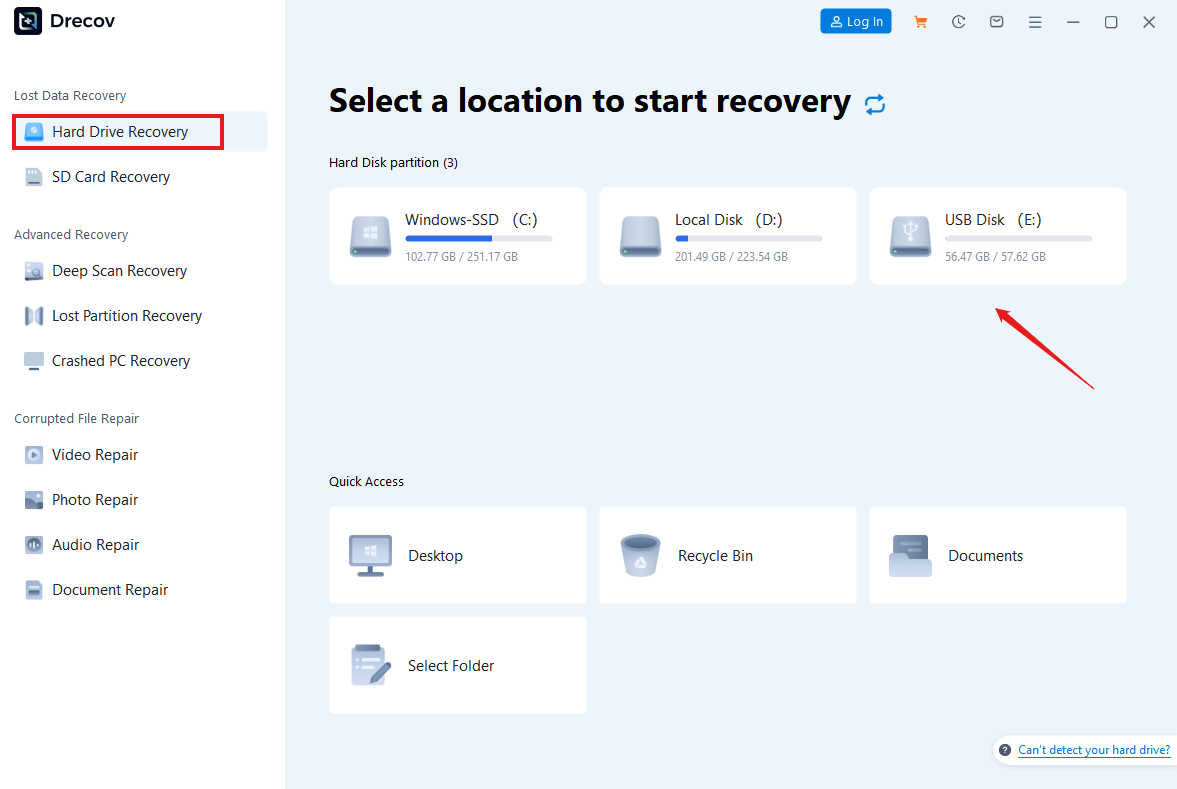
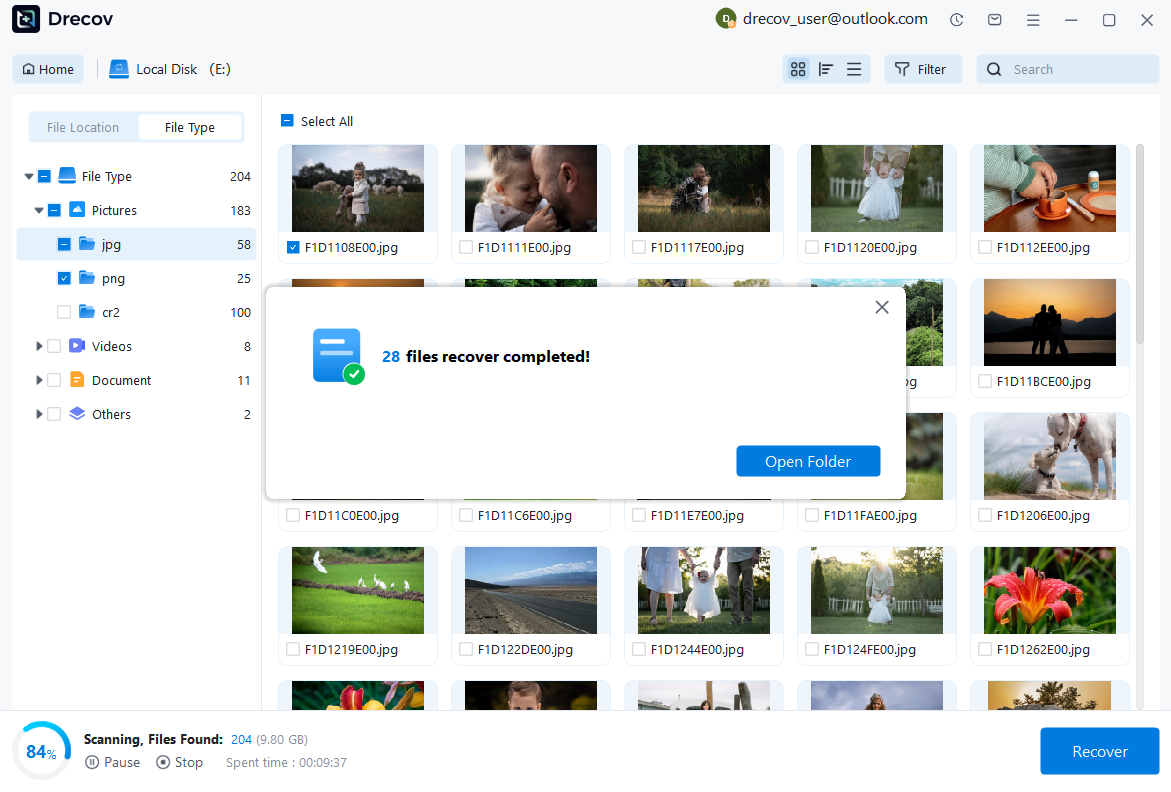
When it comes to reliable data recovery, choosing the right tool can make the difference between permanent loss and successful restoration. Pandaoffice Drecov is designed with advanced scanning algorithms and user-friendly workflows to help individuals and professionals recover lost files quickly and safely across multiple storage scenarios. Whether you accidentally deleted important security footage or lost precious photos, the software provides comprehensive support for different devices and file systems.
For example, if you need to recover deleted Blink videos, Drecov can scan storage locations and retrieve video files even after accidental removal or formatting. Photographers and everyday users also benefit from its powerful usb photo recovery capabilities, allowing restoration of images from USB flash drives, memory sticks, and other portable devices without complicated steps.
In addition, the software excels at deleted sd card photo recovery, making it ideal for recovering lost pictures from cameras, drones, or mobile devices. Even when files seem permanently erased, deep scanning technology increases the chances of successful recovery. For larger storage failures, Drecov also supports recover external hard drive scenarios, including corrupted partitions, inaccessible drives, or accidental formatting.
Beyond its technical capabilities, Pandaoffice Drecov prioritizes safety and simplicity. The read-only recovery process ensures no further damage is done to your data, while the intuitive interface allows users of all experience levels to complete recovery in just a few clicks. With broad device compatibility, fast scanning performance, and dependable results, Pandaoffice Drecov is a trusted solution for anyone facing unexpected data loss.
Professional recovery tools significantly increase success rates compared to manual attempts.
⚠️Warning: Deleting system partitions can make Windows unbootable. Always ensure backups are completed with Pandaoffice Drecov before performing this operation.
Fix 10: Use DiskPart Scripts for Batch Operations
For advanced users managing multiple disks or partitions, DiskPart scripts automate the deletion process.
Steps:
- Create a text file with commands:
select disk X
select partition Y
delete partition override
- Save as
script.txt. - Open Command Prompt and run
diskpart /s script.txt.
This approach is efficient for IT professionals or users managing several drives. Pre-recovery of files with Pandaoffice Drecov ensures no accidental data loss occurs during batch operations.
FAQ (Frequently Asked Questions)
Q1: Can I undo a partition deletion in DiskPart?
No, DiskPart deletions are permanent. Recover any critical files beforehand using Pandaoffice Drecov.
Q2: Is DiskPart safe for beginners?
DiskPart is powerful but risky. Incorrect commands may result in permanent loss. Always backup or recover data first.
Q3: How do I know which partitions are safe to delete?
Avoid system, recovery, and EFI partitions unless you are performing a clean installation or disk repurposing. Use Pandaoffice Drecov to ensure important files are secure.
Q4: Can DiskPart delete partitions on external drives?
Yes, but ensure the drive is not write-protected and important data is backed up. External USB drives and HDDs can be cleaned with DiskPart safely if recovery is done first.
Conclusion
Force deleting partitions using DiskPart is an effective way to reclaim storage, reorganize drives, and fix stubborn errors like diskpart delete volume. Methods include Disk Management, DiskPart commands, cleaning corrupted partition tables, and removing read-only or protected partitions.
To prevent data loss, it is essential to recover important files before any deletion operation. Pandaoffice Drecov provides a reliable solution for recovering lost or inaccessible data, ensuring safe disk management. By combining DiskPart techniques with secure recovery, users can delete partition with diskpart, initialize disk diskpart, and maintain fully functional storage drives.
Following these guidelines ensures your Windows systems and external drives remain organized, accessible, and protected against accidental data loss.
Confirm the partition before using override
Use DiskPart’s inspection commands before any delete command: list disk, select disk N, detail disk, and list partition. Match the disk’s model and capacity with Disk Management, then inspect the selected partition. Disk numbers can change after reconnection; do not copy an example’s disk number without checking it. Disconnect unrelated external disks if that makes identification clearer.
delete partition override removes the selected partition despite its type protection. It does not make deleting an EFI, boot, recovery, or OEM partition harmless. Removing the wrong partition can stop Windows from booting or remove manufacturer recovery options. Do not replace a failed single-partition deletion with clean: that targets the entire selected disk’s partition information. Before deletion, copy readable files to another device and open them to verify the backup. If the partition is already inaccessible and contains needed data, perform recovery first. After accidental deletion, stop writes and avoid creating a replacement volume until recovery options are assessed.
Further guidance: Microsoft DiskPart





