







For windows unable to format usb, protect the original data first. When Windows is unable to format a USB drive, do not keep clicking Format. First check whether the device is stable and whether it contains files you still need. A write-protection setting may be easy to correct. A RAW file system calls for recovery before repair. Repeated disconnects, false capacity, or severe read errors can indicate failing hardware. Each condition needs a different response.
windows unable to format usb: safe diagnosis
Open Disk Management by right-clicking Start and selecting Disk Management. Identify the USB by its capacity, not only its drive letter. Confirm that you have found the removable device instead of a system, backup, or recovery volume. Write down the disk number, reported size, partition layout, file-system label, and status.
A correctly sized partition marked NTFS, FAT32, or exFAT suggests that Windows can read some volume metadata. A RAW label means the current file system is not usable to Windows. Unallocated space means no accessible partition is being presented. “No Media,” zero bytes, or a size that changes after reconnecting is more serious than an ordinary format failure.
Run one controlled connection test
Connect the USB directly to another known-good port. Avoid an unpowered hub. If practical, check it once on another computer. This comparison separates a port or Windows-session problem from a device problem. Reconnecting the stick dozens of times adds stress without producing better evidence.
- Stable and correctly sized: recovery and software checks may be reasonable.
- Visible but read-only: investigate write protection before formatting.
- RAW or unallocated: recover needed files before creating a file system.
- Disconnecting or changing size: stop direct scans and consider professional imaging.
A physically unstable USB can deteriorate during a long read. Logical recovery software cannot repair a failing flash chip or controller. If the stick will not remain connected, specialist recovery is safer than another formatting attempt.
Protect Existing Files Before Trying to Repair the USB
Formatting builds a new file system. It is therefore the wrong first move when the USB holds the only copy of photos, work documents, project exports, or archives. Even a quick format writes new metadata. A full format writes much more. Neither process retrieves the old directory.
Check non-destructive sources first. Look for another copy on a PC, cloud account, phone, camera card, email attachment, or backup disk. Open several backup files before trusting them. When no dependable copy exists, stop saving anything to the USB.
If File Explorer still opens the drive, copy the most valuable readable files to another disk. Do not cut and paste. Copying leaves the source in place. Begin with small, irreplaceable items rather than one enormous folder that may stall on a damaged area.
For related diagnosis, see how to recover files from a USB drive. Read the USB I/O error decision path when Windows reports read failures. After recovery, the comparison of exFAT and NTFS can help you select a suitable file system.
Rule Out Write Protection Without Risking the Wrong Disk
Some removable media has a physical lock switch. SD cards commonly use one, and an SD card inside a USB reader can appear to be a flash drive. Remove the media, move the switch fully to the unlocked position, and reconnect it. A worn switch or reader may report the wrong state, so another compatible reader offers a useful check.
When there is no physical lock, read the exact error. “The disk is write-protected” is more specific than “Windows was unable to complete the format.” A read-only disk attribute or removable-storage policy may block writes. On a work or school PC, administrator policy may deliberately prevent formatting.
Do not clear attributes blindly on an encrypted, managed, or unfamiliar disk. Confirm the disk number first and consult the administrator when policy is possible. DiskPart acts on the selected disk; a wrong selection can damage another volume. Also, a forced read-only state sometimes appears when a controller is trying to preserve failing flash memory.
Recover Inaccessible USB Files with Drecov Before Formatting
PandaOffice Drecov is Windows data recovery software for logical file-loss situations. It supports PCs, USB drives, SD and memory cards, HDDs, SSDs, and external disks. Its read-only recovery mode can search for photos, videos, documents, email data, audio, and archives. Quick Scan, Deep Scan, filters, preview, and recovery to a separate healthy destination let you assess results before changing the source. Lost Partition Recovery applies when a former partition has disappeared. Drecov cannot repair physical damage or guarantee recovery of overwritten data.
⚠ Warning: Install it on a drive different from the one where your data was lost to prevent overwriting.
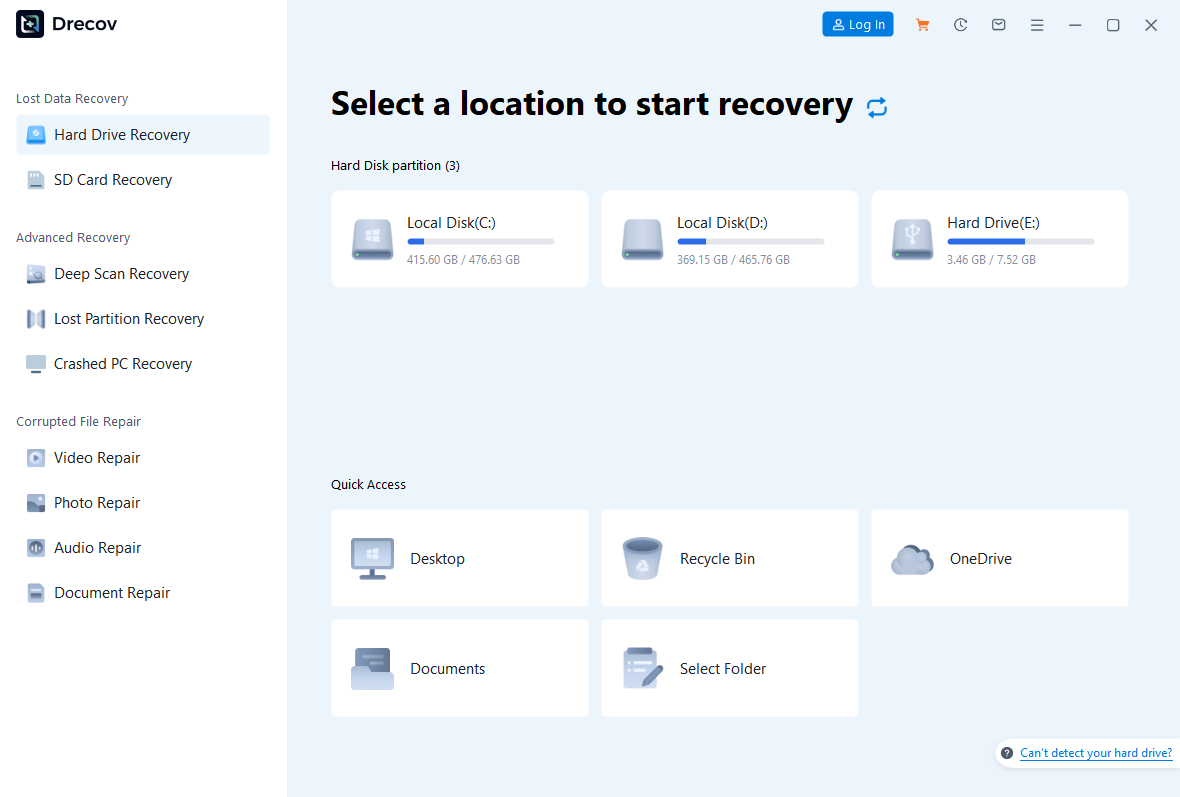
Step 1: Open Drecov and Select the Unformattable USB
Prepare another healthy drive with enough free space. Install and run Drecov away from the affected USB. Confirm once more that the stick remains connected and reports its expected capacity. Open Drecov, then select the removable volume where the files were lost. Choose Lost Partition Recovery only if the old partition no longer appears.
Step 2: Run Quick Scan and Inspect Familiar Paths
This check is especially useful for windows unable to format usb. Begin with Quick Scan. Recent deletion or damaged directory entries may still leave recognizable filenames and paths. Browse the folders that held the most important material. Check dates and sizes too, because results may include older or duplicate versions.
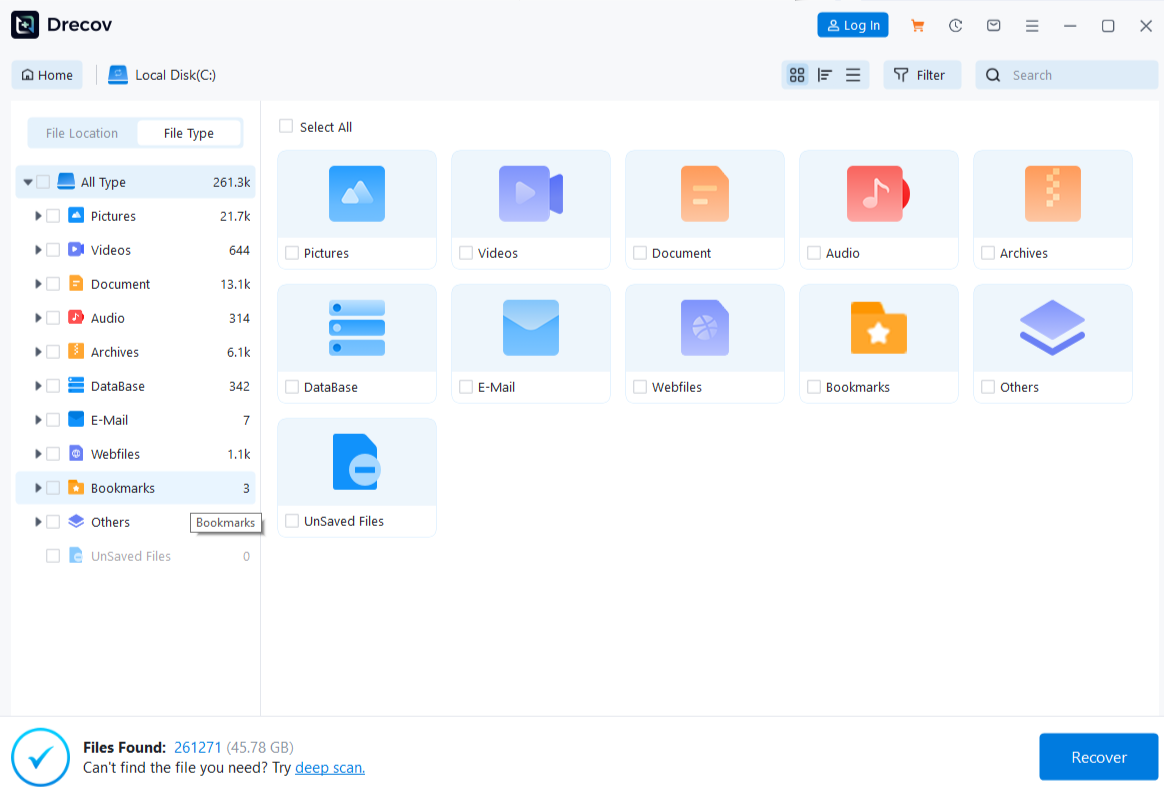
Step 3: Use Deep Scan Only While the USB Stays Stable
It helps diagnose windows unable to format usb without changing the source data. If Quick Scan misses the target, use Deep Scan on the same USB only while detection remains steady. Stop when the stick disconnects, becomes unusually hot, slows to repeated read failures, or changes capacity. Those symptoms call for an image or professional help, not a longer direct scan.
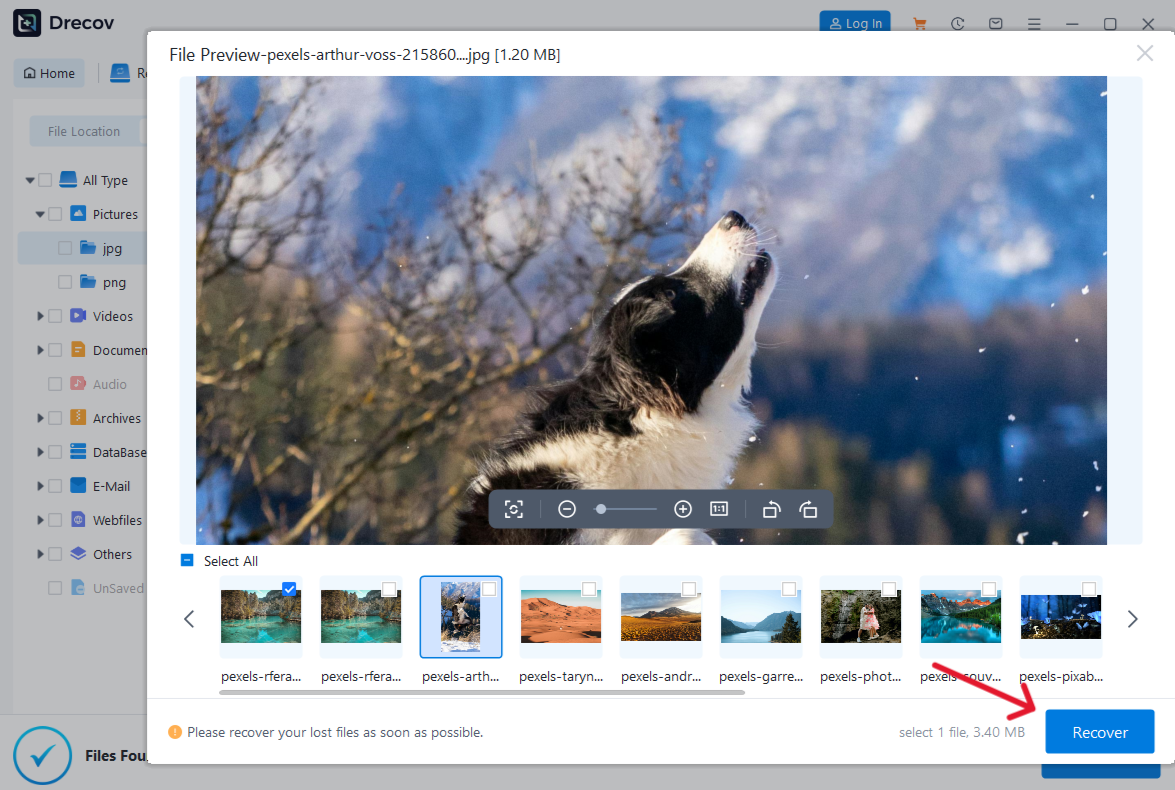
Step 4: Filter and Preview Files That Matter
Narrow the results by file type, former path, filename, size, or date where those details survive. Preview several representative supported files. For documents, inspect samples from different folders. For photos or video, check more than thumbnails. A successful preview supports that individual result, but it cannot certify every page, frame, or archive member.
Step 5: Recover Elsewhere and Verify the Output
Restore selected files to the prepared healthy destination, never to the USB that failed to format. If the output is not where expected, check the Drecov Folder or Recovery Folder. Open important documents, play media at several points, and test archives. Only after this review should you format or repartition the original USB.
⚠ Warning: Install it on a drive different from the one where your data was lost to prevent overwriting.
Select a Format Method Only After the Data Is Safe
Once required files are recovered or a verified backup exists, choose the least complicated formatting route. File Explorer is suitable when the existing volume still mounts. Disk Management gives a clearer view when a drive letter or partition state is involved. Microsoft warns that formatting destroys data on the selected volume; review its official Disk Management instructions before proceeding.
Match the file system to the actual device
Use exFAT for large files and broad compatibility across current systems. FAT32 supports many older electronics but limits a single file to 4 GB. NTFS provides Windows features such as permissions and journaling, although some televisions, cameras, consoles, and embedded devices cannot write it. Check the target device’s manual rather than assuming one format works everywhere.
Leave allocation unit size at its default unless a documented workload requires a change. A different cluster size will not repair worn flash. Changing GPT or MBR is also rarely necessary for a normal removable data drive. It adds a partitioning operation without addressing controller failure.
Interpret another failed format as new evidence
Access denied can indicate permissions or policy. An I/O error points toward communication or media trouble. “No Media” often means Windows sees the USB controller but not usable flash storage. If the correct capacity remains stable, recreating the volume may work after recovery. When capacity is missing or erratic, replacing the device is more sensible than forcing more commands.
Do not run CHKDSK as a way to recover files before formatting. CHKDSK modifies file-system structures and may discard damaged references while making a volume mountable. It can help in selected repair cases after data protection, but it is not a substitute for extracting needed files first.
Prove the USB Is Trustworthy Before Reusing It
A completed format proves only that Windows created a file system. It does not test every flash cell. Copy a folder of noncritical files to the USB. Eject it correctly, reconnect it, and open items from the beginning, middle, and end of the set. Compare file sizes or hashes when accuracy matters.
Repeat the test in the device that will actually use the USB. A drive may work in a PC yet fail in a television, vehicle, camera, or console because that device expects another format. Retire the USB if new errors appear. Never make a questionable stick the only home for valuable data.
Keep at least two verified copies of irreplaceable files. Flash drives are convenient transport media, not permanent archives. Safe removal and direct ports can reduce problems, but no removable device is immune to controller failure, wear, loss, or accidental formatting.
Conclusion
When Windows is unable to format a USB, the correct fix depends on what the operating system still detects. A stable, correctly sized drive may have write protection or logical damage. A disconnecting or falsely sized device may be failing physically. Protect or recover needed files before formatting, DiskPart, or CHKDSK. For stable logical loss, Drecov can scan the original USB, preview likely files, and restore them to another healthy drive. Format only after those results are opened and verified.
⚠ Warning: Install it on a drive different from the one where your data was lost to prevent overwriting.





