







Understanding the Steam Game Store and File Structure
What the Steam Games Store Actually Is
The steam game store is more than just a platform for buying games. It also manages installation, updates, and storage locations automatically on your PC. When you install a game from the steam games store, the system places files into a structured directory based on your selected drive and Steam library settings.
Most users assume games are stored in a single location, but Steam actually allows multiple library folders. This flexibility helps users manage storage space across different drives. Understanding how the steam store games system works is essential for locating installed files, troubleshooting missing games, or moving large titles to another disk.
In simple terms, Steam acts as both a store and a file manager, organizing game data in a way that is optimized for performance and updates.
How Steam Organizes Installed Games on Your PC
When you install games, Steam creates a structured folder system inside a default or custom library location. Each game is stored in its own directory containing executable files, assets, and configuration data.
This structure helps users locate where Steam stores games, and users often mistake shortcuts or launcher icons as actual files, while Steam stores the real data deep inside its library folders.
Understanding this system also helps when transferring games or fixing missing files after reinstalling Steam.
Why Knowing Where Steam Games Are Stored Matters
Game Performance, Backups, and File Management
Knowing where your games are stored helps users manage storage efficiently, especially for large modern games, and many users search for where Steam stores game files when they want to move games to faster SSDs or free up disk space.
It also helps with backups. If you know the correct directory, you can manually copy game folders or create backup archives without redownloading everything.
Proper file management improves performance and reduces loading issues, especially for large AAA titles.
Common Issues Caused by Missing Game Directories
Sometimes users cannot find installed games due to corrupted libraries, changed drive letters, or accidental deletion. This leads to confusion about where are steam games stored.
In some cases, Steam still shows games as installed but cannot locate the actual files. This usually happens when the library path has changed or the drive is disconnected.
Understanding storage structure helps resolve these issues faster.
⚠️Warning: Never delete Steam library folders manually without verifying game dependencies.
Where Are Steam Games Stored on PC (Complete Methods)
Method 1 – Default Steam Library Location
Steam installs most games in the default directory unless users change it manually.
To locate it:
- Open File Explorer
- Go to your system drive (usually C:)
- Open Program Files (x86)
- Navigate to Steam > steamapps > common
- Find your installed game folder
This is the most common location for steam games store files on Windows PCs.
Illustrative setup (not a measured test):
- OS: Windows 11
- Storage: SSD (C drive)
- Scenario: Default Steam installation
Method 2 – Steam Client Storage Settings
Steam allows users to check storage locations directly inside the client.
To find game storage paths:
- Open Steam
- Go to Settings
- Click Storage
- View all library folders
- Select a folder to see installed games
This method lets users identify exactly where Steam stores games across multiple drives.
Illustrative setup (not a measured test):
- OS: Windows 10
- Scenario: Multi-drive Steam setup
Method 3 – File Explorer Manual Check
If you changed installation paths, manual checking is necessary.
- Open File Explorer
- Check all drives (C, D, E, etc.)
- Look for folders named SteamLibrary
- Open steamapps > common
- Locate installed games manually
This is useful when users cannot find steam store games after moving drives.
Illustrative setup (not a measured test):
- OS: Windows 11
- Storage: Multi-drive PC
⚠️Warning: Do not rename Steam folders manually.
Method 4 – Steam Cloud and Save Data Location
The system stores game saves separately from installation files, which often confuses many users searching for where are steam game saves stored.
Save files are usually located in:
- Documents folder
- AppData directory
- Steam Cloud (online backup)
To access local saves:
- Press Win + R
- Type
%appdata% - Look for game-related folders
- Check Local and Roaming directories
Illustrative setup (not a measured test):
- OS: Windows 10
- Scenario: Steam Cloud enabled game
Method 5 – Recover Missing Steam Game Files Using Tools
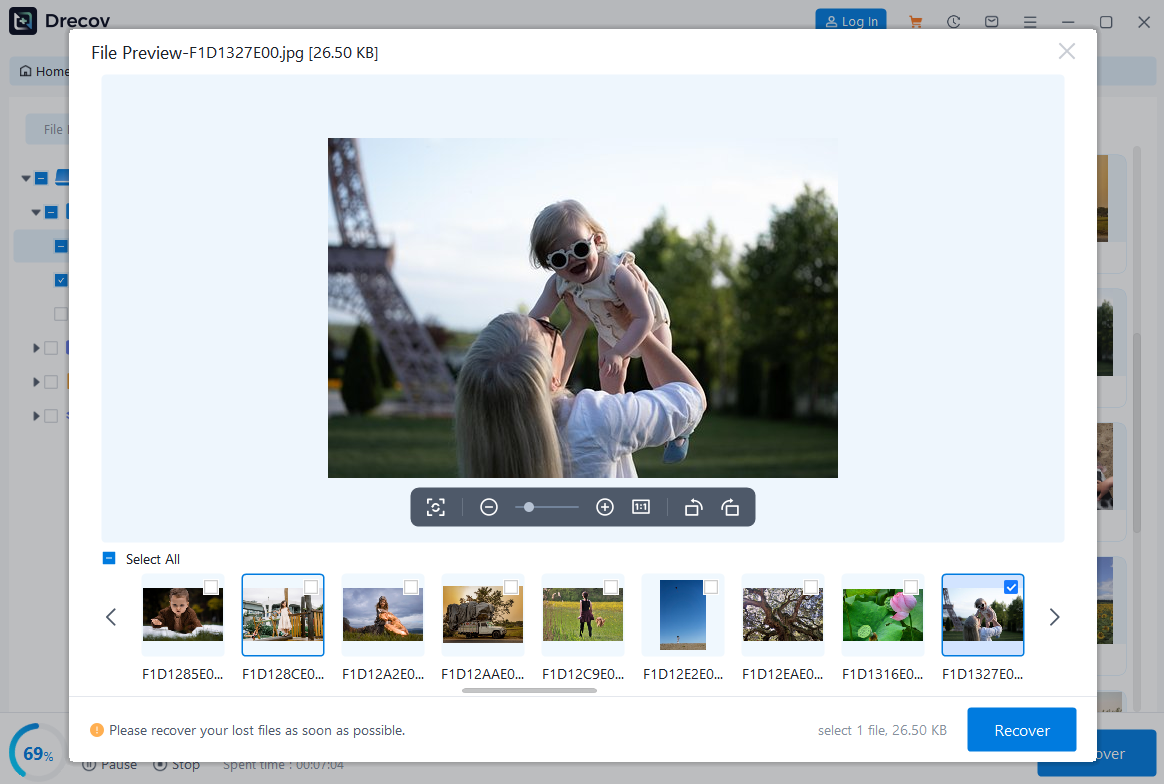
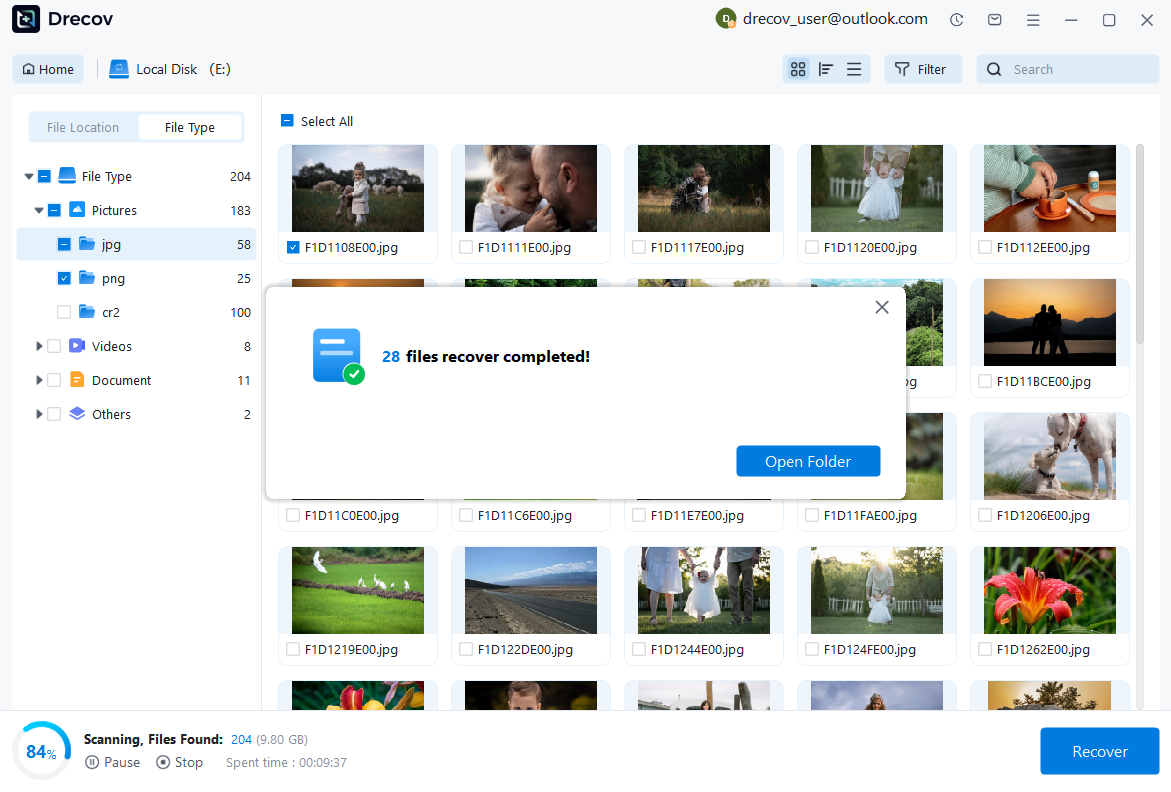
If game files are missing or corrupted, recovery tools can help restore lost data. One option is using PandaOffice Drecov, which scans storage drives for recoverable game directories.
To use this method:
- Install PandaOffice Drecov on a separate drive
- Select the drive where Steam games were stored
- Run a deep scan
- Locate missing game folders
- Recover files to a safe location
This is useful when users accidentally delete or lose steam game files stored on their system.
Illustrative setup (not a measured test):
- OS: Windows 11
- Storage: External HDD
- Scenario: Deleted Steam library folder

Why Choose PandaOffice Drecov Data Recovery Software?
When it comes to reliable data recovery, PandaOffice Drecov stands out as a powerful, all-in-one solution designed to handle a wide range of data loss scenarios. Whether you’re trying to perform TikTok deleted video recovery, restore files after formatting, or recover important documents, Drecov delivers fast and dependable results.
One of its biggest advantages is versatility. From format data recovery to lost partition recovery, the software can scan deeply and accurately locate files that other tools often miss. Even if your drive has been accidentally formatted or a partition has disappeared, Drecov uses advanced algorithms to reconstruct and retrieve your data with high success rates.
Drecov also supports specialized recovery needs. If you’ve lost important documents, its PDF recovery tool ensures that files retain their original structure and quality. For media users, the audio recovery feature helps restore music, recordings, and other sound files without corruption, making it ideal for both personal and professional use.
Ease of use is another key benefit. The intuitive interface allows beginners to recover files in just a few clicks, while still offering advanced options for more experienced users. Plus, it supports a wide range of storage devices, including HDDs, SSDs, USB drives, and memory cards.
In short, PandaOffice Drecov combines powerful recovery capabilities with user-friendly design, making it a trusted choice for anyone facing data loss.
⚠️Warning: Do not install recovery software on the same drive being scanned.
Where Are Steam Game Files Stored vs Save Files
Game Installation Files Location Explained
When users ask where are steam game files stored, they are usually referring to the main installation directory. Steam stores actual game data inside the selected library folder, which can be on any drive depending on user settings.
Typically, the structure looks like this:
SteamLibrary → steamapps → common → Game Folder
Inside the “common” folder, you will find full game installations including executables, assets, and configuration files. This is where the steam games store system places all playable content.
Understanding this structure is essential when moving games, verifying files, or fixing missing installations.
Illustrative setup (not a measured test):
- OS: Windows 11
- Storage: SSD + HDD dual drive setup
- Scenario: Steam library spread across multiple drives
Where Steam Game Saves Are Stored
Game save files are not always stored in the same location as installed games, and different system directories store them. Many users searching for where are steam game saves stored are surprised when they discover this difference.
Common save locations include:
- Documents folder (for many games)
- AppData (Local / Roaming folders)
- Steam Cloud (online synchronization)
To manually locate saves:
- Press Win + R
- Type
%appdata%and press Enter - Check Local and Roaming folders
- Look for folders matching your game name
Some games also store saves inside their installation directory, but this is less common in modern titles.
Illustrative setup (not a measured test):
- OS: Windows 10
- Scenario: Steam Cloud disabled game
Common Problems with Steam Game Storage
Games Missing After Installation or Move
A frequent issue is games disappearing even though Steam shows them as installed. This often confuses users searching where are steam games stored.
This problem usually happens when:
- Library folder path was changed
- External drive was disconnected
- Steam installation was moved or corrupted
Steam may still list the game, but cannot locate actual files.
Corrupted or Incomplete Game Files
Sometimes game files become corrupted due to interrupted downloads or disk errors. In such cases, users may think the game is missing, but it is actually partially stored in the system.
Steam usually detects this and offers file verification, but in severe cases manual repair or recovery may be required.
⚠️Warning: Do not repeatedly reinstall games on failing drives.
Advanced Fixes for Steam Game Storage Issues
Method 6 – Verify Integrity of Game Files
Steam provides a built-in repair feature that checks missing or damaged files.
To use it:
- Open Steam Library
- Right-click the game
- Select Properties
- Go to Installed Files
- Click “Verify integrity of game files”
Steam will automatically repair or re-download missing parts.
Illustrative setup (not a measured test):
- OS: Windows 11
- Scenario: Corrupted game installation
This is one of the most effective solutions for steam store games issues.
Method 7 – Relocate Steam Library Folder
If games are not showing correctly, the library path may need correction.
To fix it:
- Open Steam Settings
- Go to Storage
- Add or select correct library folder
- Set it as default location
- Restart Steam
This helps restore visibility of steam game store installations across drives.
Illustrative setup (not a measured test):
- OS: Windows 10
- Storage: Multi-drive PC
Method 8 – Reinstall Steam Without Losing Games
If Steam is corrupted, reinstalling it may fix storage detection issues without deleting games.
Steps:
- Backup Steamapps folder
- Uninstall Steam
- Reinstall Steam client
- Move Steamapps back into new installation
- Launch Steam and verify games
This method often restores missing steam games store listings.
Illustrative setup (not a measured test):
- OS: Windows 11
- Scenario: Broken Steam client
FAQ About Steam Game Storage
Can I Move Steam Games to Another Drive?
Yes. Steam allows users to move games through the Storage Manager without reinstalling them. This helps optimize space and improves performance for large titles.
Why Can’t I Find My Installed Steam Games?
This usually happens when the library path changes, the drive is disconnected, or Steam fails to detect the folder. Checking storage settings often resolves the issue.
Are Steam Game Saves Always Stored Locally?
Not always. Many modern games use Steam Cloud, which stores saves online and syncs them automatically across devices.
Conclusion: Understanding Steam Game Storage
Final Key Takeaways
Understanding where are steam games stored is essential for managing, troubleshooting, and optimizing your PC gaming experience. Steam organizes games in structured library folders, while save files are often stored separately in system directories or cloud storage.
Whether you are checking the steam game store, locating steam game files stored, or finding steam game saves stored, knowing the correct paths helps avoid confusion and data loss.
In most cases, issues can be solved by checking Steam library settings or verifying file integrity. For more complex situations, recovery tools like PandaOffice Drecov can help restore missing game data.
By understanding how Steam manages storage, users can better control their games, prevent data loss, and optimize performance across multiple drives.
Find the installation folder without guessing the drive letter
In Steam’s Library, open the game’s Properties and use Installed Files > Browse to open the installation that Steam currently recognizes. For a custom library, inspect Steam’s storage settings instead of assuming every game is under C:\Program Files (x86).
When the folder exists but Steam calls the game uninstalled, confirm the correct library is registered and that the drive is connected. Steam can recognize existing game files during the installation process, but first protect mods, custom maps, screenshots, and saves that are not reliably redownloadable.
The installation directory and save directory are not interchangeable. A title may put saves in Documents, AppData, a publisher-specific folder, or Steam userdata; the game developer determines the location. Consult that title’s documentation before moving or deleting anything. Verifying game files repairs downloadable installation content; it does not recover an earlier save or replace an independent backup.
Further guidance: Installed games are appearing as uninstalled





