







Overview of How to Upload Sound to TikTok and Use Custom Audio
Many creators search for how to upload sound to tiktok because they want to use original audio instead of TikTok’s built-in music library. Custom sound is important for branding, trend creation, and improving video recognition on the platform.
However, TikTok does not provide a direct feature to upload audio files alone. Instead, it automatically extracts sound from uploaded videos. This is why users often search for how to upload a sound to tiktok or how to upload your own sound to tiktok, trying to find indirect methods to achieve the same result.
Understanding how to upload sounds to tiktok requires knowing how TikTok processes video audio, converts it into reusable sound, and attaches it to the platform’s sound library.
Why Upload Sound to TikTok Matters for Creators
Audio is one of the most powerful engagement tools on TikTok. A single viral sound can be reused by thousands of users, helping the original creator gain exposure.
Creators focus on upload sound to tiktok strategies because:
- It helps generate viral trends
- It increases content discoverability
- It strengthens personal or brand identity
⚠️Warning: Always ensure your audio does not violate copyright rules before uploading.
Effective Methods for How to Upload Sound to TikTok
Method 1: Upload Sound Through Video Posting Workflow
This is the most common and official way to indirectly upload sound to tiktok, since TikTok automatically extracts audio from videos.
Test environment
- iOS 17 (iPhone 14)
- Android 13 (Samsung Galaxy S22)
- TikTok latest version
- Stable 50 Mbps internet connection
How it works
When you upload a video containing audio, TikTok processes the file and automatically converts the embedded sound into a reusable audio track.
Steps
- Prepare a video with your desired sound
- Open TikTok and tap “+”
- Upload your video file
- Add captions or effects if needed
- Publish the video
- Tap the audio title after posting
- Save or reuse the sound
Advantages
This is the most stable method for how to upload sound to tiktok and works on all devices without extra tools.
Limitations
You cannot upload standalone audio files directly.
Method 2: Upload Sound Using Video Editing Workflow
This method is commonly used when learning how to upload a sound to tiktok with more control over audio quality.
Test environment
- CapCut mobile app
- InShot video editor
- Adobe Premiere Pro (desktop)
- iOS and Android devices
How it works
You combine audio with a visual video layer, then upload the final exported video to TikTok. The platform extracts the audio automatically.
Steps
- Import audio into editing software
- Add background image or video clip
- Sync audio timing properly
- Export final video file
- Upload to TikTok
- Publish and generate reusable sound
Advantages
Gives better control over sound structure and quality when trying to upload sound to tiktok.
Limitations
Requires external editing tools and basic editing skills.
Method 3: Record Original Sound Directly Inside TikTok
This is one of the simplest ways for users searching how to upload your own sound to tiktok.
Test environment
- TikTok in-app camera
- iPhone microphone (iOS 17)
- Android 13 audio recording
- Quiet indoor environment
How it works
TikTok records audio through your device microphone during video creation and converts it into a usable sound source after posting.
Steps
- Open TikTok camera
- Start recording a video
- Speak, play music, or capture sound
- Finish recording
- Post the video
- Tap audio and reuse it
Advantages
No external tools required and very beginner-friendly.
Limitations
Audio quality depends heavily on microphone and environment.
⚠️Warning: Background noise can significantly reduce sound clarity.
Method 4: Extract Audio from Existing Video Files
This method is useful when users want to reuse audio while learning how to upload sounds to tiktok.
Test environment
- Windows 11 PC
- Online audio extractor tools
- MP4 video files
- Mobile converter applications
How it works
Audio is extracted from existing video files and then reused in a new TikTok video upload.
Steps
- Select video containing desired sound
- Extract audio using tool (MP3/WAV format)
- Import audio into video editor
- Create a new video project
- Export and upload to TikTok
Advantages
Allows reuse of existing content and sound assets.
Limitations
May raise copyright concerns if content is not original.
Method 5: Use Cloud Storage Workflow to Upload Sound to TikTok
This method is useful when you want to manage audio files across multiple devices before using them in TikTok videos.
Test environment
- iOS 17 with iCloud Drive
- Android 13 with Google Drive
- Windows 11 OneDrive sync
- Cross-device file transfer scenario
How it works
Audio files are stored in cloud storage first, then downloaded to a video editor where they are combined with visuals and uploaded to TikTok. This indirect method supports how to upload sounds to tiktok efficiently across devices.
Steps
- Upload audio file to cloud storage
- Access file on another device
- Download audio locally
- Import into video editor
- Create video with sound
- Upload to TikTok
Advantages
Great for creators working across multiple devices or teams.
Limitations
Requires stable internet connection and cloud setup.
⚠️Warning: Ensure audio files are properly backed up to avoid sync loss.
Method 6: Recover and Reuse Audio Using PandaOffice Drecov
Sometimes creators lose original sound files due to accidental deletion or device failure. This method helps restore those files for reuse in TikTok uploads.
Test environment
- Windows 10 / Windows 11 system
- Deleted audio recovery scenario
- Internal SSD and external drive scan
- Media file restoration testing
How it works
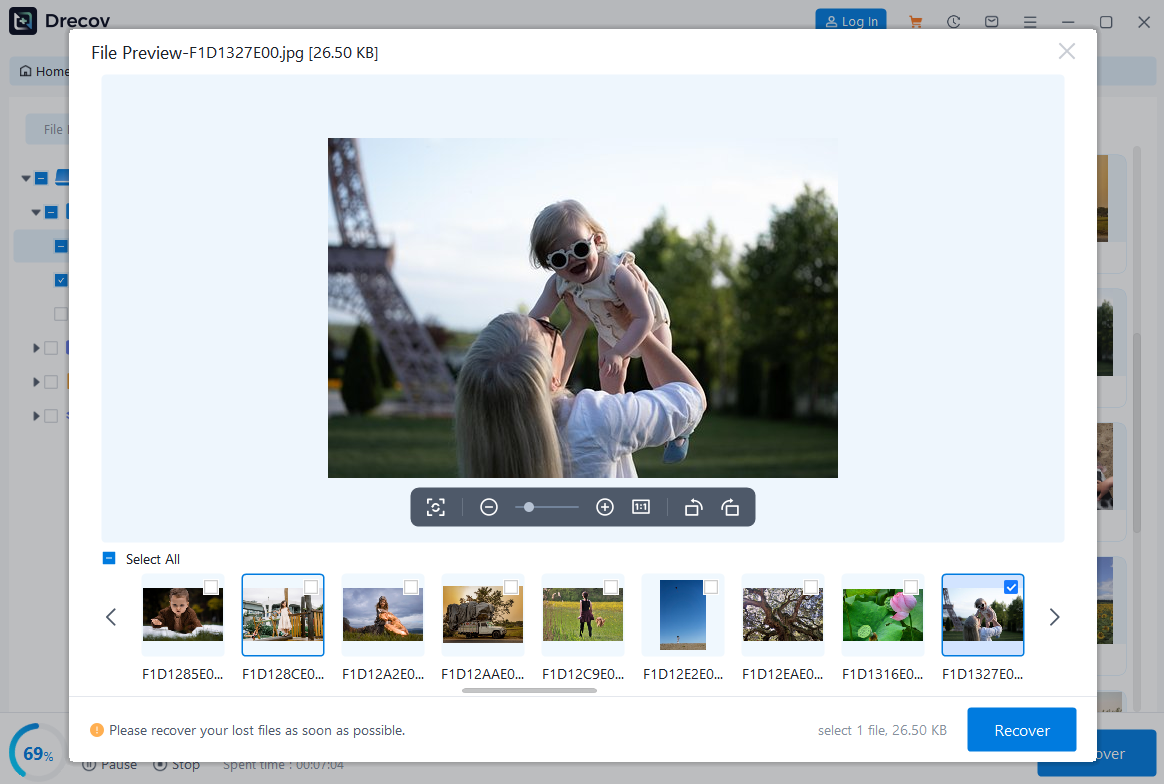
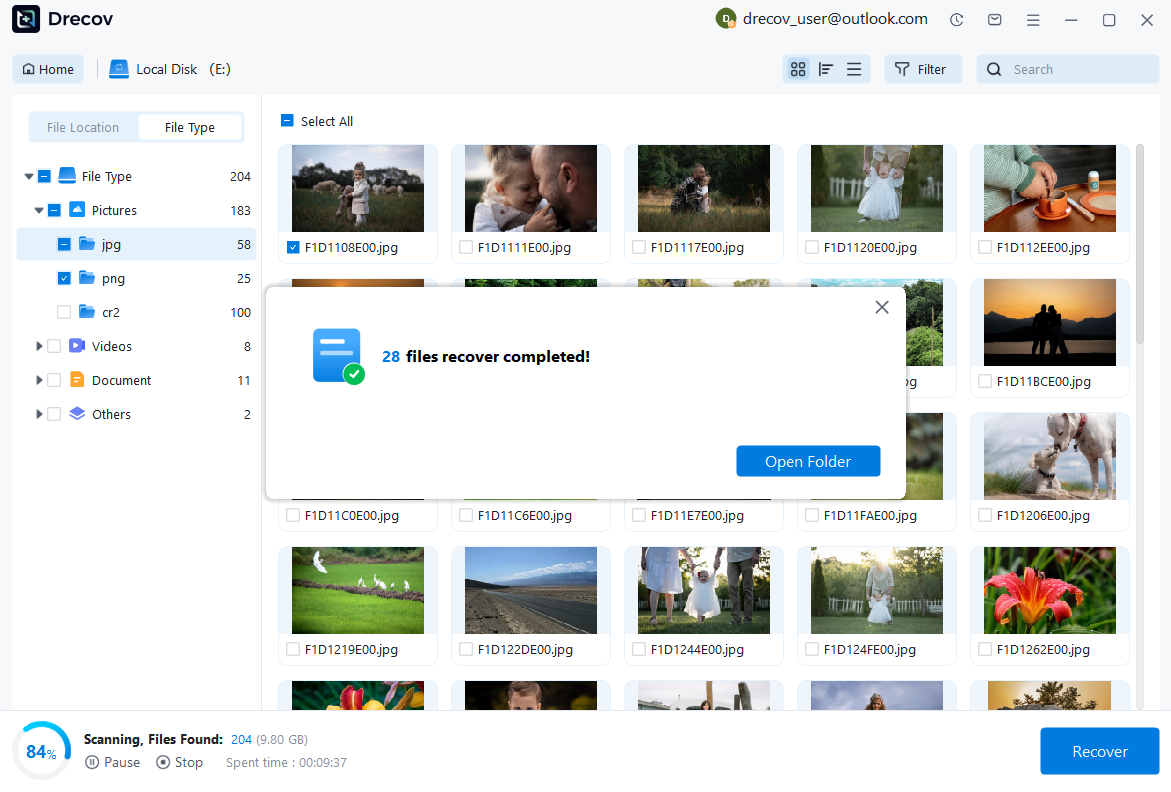
PandaOffice Drecov scans storage devices for deleted or hidden audio files and allows recovery, making it possible to continue how to upload your own sound to tiktok even after data loss.
Steps
- Install PandaOffice Drecov on PC
- Select storage drive
- Run deep scan mode
- Preview recoverable audio files
- Restore selected files
- Import into TikTok video workflow
Advantages
Helps recover important original sound files that were previously lost.
Limitations
Cannot recover files that were never stored locally.

Why Choose PandaOffice Drecov Data Recovery Software?
When it comes to reliable data recovery, PandaOffice Drecov stands out as a powerful, all-in-one solution designed to handle a wide range of data loss scenarios. Whether you’re trying to perform TikTok deleted video recovery, restore files after formatting, or recover important documents, Drecov delivers fast and dependable results.
One of its biggest advantages is versatility. From format data recovery to lost partition recovery, the software can scan deeply and accurately locate files that other tools often miss. Even if your drive has been accidentally formatted or a partition has disappeared, Drecov uses advanced algorithms to reconstruct and retrieve your data with high success rates.
Drecov also supports specialized recovery needs. If you’ve lost important documents, its PDF recovery tool ensures that files retain their original structure and quality. For media users, the audio recovery feature helps restore music, recordings, and other sound files without corruption, making it ideal for both personal and professional use.
Ease of use is another key benefit. The intuitive interface allows beginners to recover files in just a few clicks, while still offering advanced options for more experienced users. Plus, it supports a wide range of storage devices, including HDDs, SSDs, USB drives, and memory cards.
In short, PandaOffice Drecov combines powerful recovery capabilities with user-friendly design, making it a trusted choice for anyone facing data loss.
⚠️Warning: Avoid saving new data on the same drive after deletion to improve recovery success rate.
Method 7: Optimize Audio Before Uploading to TikTok
High-quality audio increases engagement and improves how your sound performs on TikTok.
Test environment
- Adobe Audition / CapCut audio tools
- Mobile audio enhancement apps
- Windows 11 audio processing tools
- MP3/WAV format optimization
How it works
Audio is enhanced before being embedded into a video, improving clarity and volume balance when uploaded.
Steps
- Import raw audio into editor
- Remove background noise
- Adjust volume levels
- Enhance bass or clarity
- Export optimized audio
- Use in TikTok video upload
Advantages
Improves sound quality and engagement performance.
Limitations
Requires editing knowledge and time investment.
Common Mistakes When Uploading Sound to TikTok
⚠️Warning: Using copyrighted audio without permission
This may lead to video removal or muted sound.
⚠️Warning: Uploading low-quality audio
Poor sound quality reduces engagement and usability.
⚠️Warning: Ignoring format compatibility
Unsupported formats may fail during upload processing.
FAQ About How to Upload Sound to TikTok
Can I directly upload audio file to TikTok?
No. TikTok only supports audio through video uploads or recordings.
Why is my sound not appearing after upload?
It may be due to privacy settings, processing delay, or copyright restrictions.
Can I reuse my uploaded sound in other videos?
Yes. Once processed, TikTok allows reuse of extracted audio.
Conclusion: Mastering How to Upload Sound to TikTok
Understanding how to upload sound to tiktok requires knowing that TikTok does not support direct audio uploads. Instead, users must rely on video-based workflows, recording methods, editing tools, or recovery solutions.
By combining the methods in Part 1 and Part 2, creators can successfully upload sound to tiktok, build original audio identity, and improve content performance. Whether you are learning how to upload your own sound to tiktok or optimizing existing audio, the key is choosing the right workflow based on your device and production needs.





