







Contacts are a vital part of digital communication. Losing Gmail contacts can disrupt personal and professional relationships, complicate device syncing, and affect access to essential information. Understanding how to restore Gmail contacts to Android, and how to back up or recover them effectively, is crucial for users and administrators managing multiple accounts.
This guide provides comprehensive instructions for recovering Gmail contacts, strategies for maintaining backups, cross-platform synchronization tips, and advanced recovery solutions using Pandaoffice Drecov for permanent or missing contacts.
⚠️Warning: Failure to maintain regular backups may result in permanent loss of critical contacts.
I have lost my contacts which were stored on my google account, but nothing is there to restore—from google help
Understanding Gmail Contacts and Synchronization
How Gmail Stores Contacts
Gmail integrates contacts with Google services and devices, providing seamless sync across Android, iOS, and desktop platforms. Each contact entry can include multiple phone numbers, emails, addresses, and notes.
Key points:
- Contacts automatically sync with Google Workspace and Android devices
- Deleted contacts are retained in Trash for 30 days
- Contacts deleted before the 30-day window may require alternative recovery methods
Understanding how Gmail stores and syncs contacts is essential for users attempting how to restore my contacts from Gmail. Misconfigurations in sync settings are a common source of accidental contact loss.
The Role of Google Account Synchronization
Google Account synchronization ensures contacts remain consistent across devices. Sync issues may lead to temporary or permanent disappearance of contacts. Users should:
- Confirm that contacts are synced to the correct Google account
- Verify sync settings on each device to prevent overwriting
- Use periodic manual exports as an additional safeguard
These measures help prevent accidental data loss and provide a foundation for restoring contacts efficiently.
Recovering Deleted Contacts via Google Contacts
Using Trash or Bin
Gmail offers a native method for recovering deleted contacts within 30 days:
- Open contacts.google.com
- Navigate to Trash/Bin
- Select the contacts to restore
- Choose a restore point within the past 30 days
This process works for most accidental deletions. However, contacts permanently deleted or lost due to sync errors may not appear in Trash.
Time Machine Considerations
For advanced users, Google Workspace offers version history for contacts under certain configurations, allowing recovery of older entries. This is particularly useful for administrators managing multiple user accounts and ensuring consistent recovery policies.
⚠️Warning: Restoring large volumes of contacts simultaneously may overwrite existing contacts on synced devices.
Exporting and Importing Contacts for Backup
Backing Up Gmail Contacts
Regular backups are critical. Gmail allows exporting contacts as CSV or vCard:
- Navigate to Google Contacts > Export
- Choose Google CSV for Gmail or vCard for iOS devices
- Save backups securely on local or cloud storage
Exported backups enable users to restore their account or migrate contacts to different platforms, forming a proactive recovery strategy for how to recover my contacts from Gmail.
Using Multiple Backup Formats
- CSV files are compatible with Gmail and most desktop applications
- vCard is ideal for iOS and cross-platform imports
- Periodically update backups to include new contacts
Maintaining multiple backup formats ensures recovery flexibility across devices.
Importing Contacts to Android
Restoring contacts on Android involves:
- Open Contacts App > Settings > Import
- Select the source file (CSV or vCard)
- Choose the Google account to sync contacts
- Wait for synchronization
This ensures contacts can be restored efficiently, keeping personal and professional information accessible.
Sync Tips
- Avoid syncing multiple accounts simultaneously to prevent duplication
- Verify restored contacts appear correctly across all devices
- Use cloud storage as a secondary safeguard
Advanced Contact Recovery
When Native Methods Fail
Contacts deleted permanently or lost due to sync errors cannot be restored via Trash. In such cases, advanced tools provide solutions.
Using Pandaoffice Drecov
Pandaoffice Drecov can scan Google account data, Android caches, and synced backups to recover permanently deleted contacts. Features include:
- Retrieval of deleted Gmail contacts
- Restoration from device cache and offline backups
- Selective recovery to avoid overwriting existing contacts
This solution helps users asking how do I retrieve my contacts from Gmail when native methods are insufficient.
⚠️Warning: Validate recovered contacts to avoid duplicates or incorrect entries.
Cross-Platform and Enterprise Considerations
Sync Across Devices
Contacts must remain consistent across smartphones, tablets, and desktops. Admins and users should:
- Ensure correct Google account selection for sync
- Check device-specific settings to avoid overwriting
- Implement scheduled exports for high-value contacts
Managing Multiple Accounts
- Use labels or groups in Gmail Contacts for organization
- Avoid mass deletion without verification
- Regularly audit contacts to detect sync issues
This approach ensures restore Gmail contacts to Android works smoothly and reduces recovery challenges.
Best Practices for Admins and Users
- Schedule regular exports of critical contacts
- Maintain offline and cloud backups for long-term security
- Test backup restores periodically
- Educate users on safe deletion and sync procedures
By combining native Gmail tools with Pandaoffice Drecov, users and admins can ensure contacts remain protected against accidental deletions, sync errors, and permanent loss.
Why Choose Pandaoffice Drecov for Comprehensive Data Recovery
Selecting the right recovery software is essential when unexpected data loss occurs. Pandaoffice Drecov provides a powerful, secure, and efficient solution designed to handle a wide range of storage failure scenarios across different devices.
Advanced Recovery for SD Cards and Hard Drives
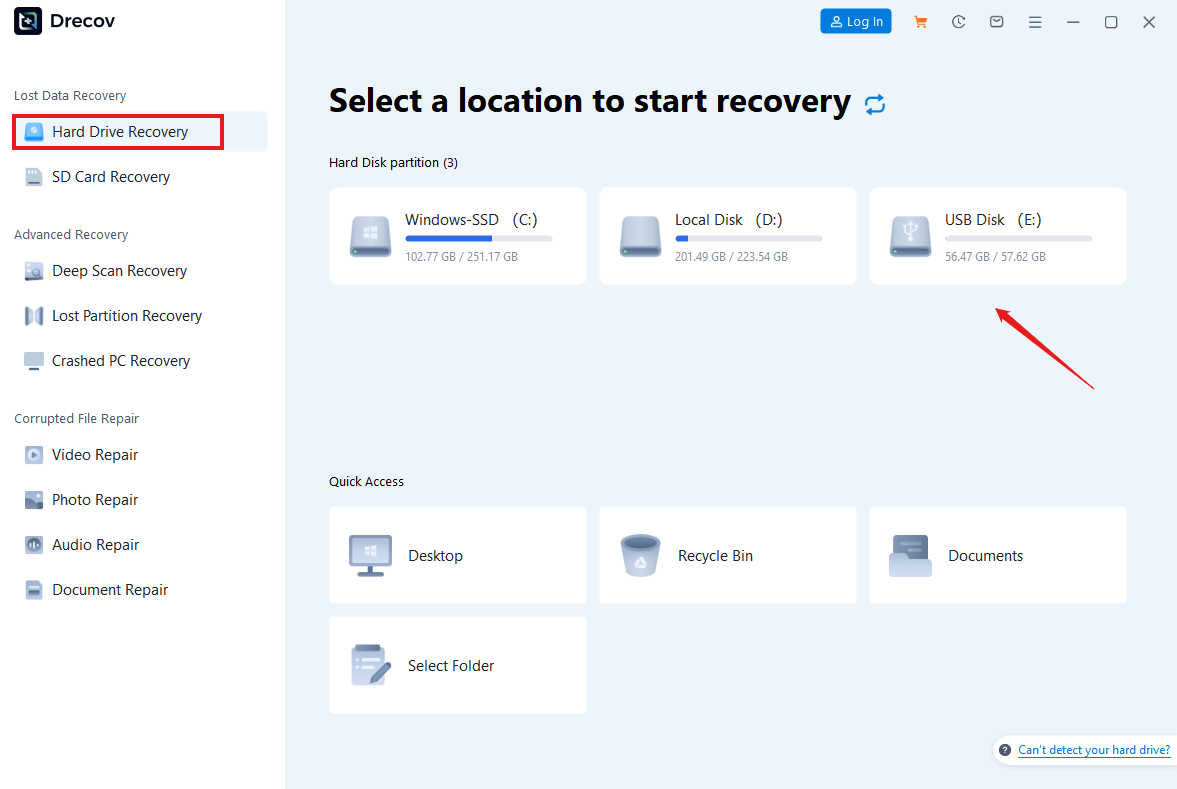
Pandaoffice Drecov supports recovering photos from an SD card as well as performing professional hard drive recovery. Whether files were accidentally deleted, a storage device was formatted, or data was lost due to corruption, its deep scan technology thoroughly analyzes storage sectors to locate recoverable content. The software is compatible with internal drives, memory cards, and various file systems, ensuring flexible recovery options in different environments.
Reliable Support for Recovering External Hard Drives
The software also specializes in recovering external hard drives that become inaccessible due to accidental formatting, partition loss, or file system damage. It automatically detects connected devices and performs comprehensive scans without altering original data, helping improve recovery success rates.
Efficient Recovery of Deleted Photos
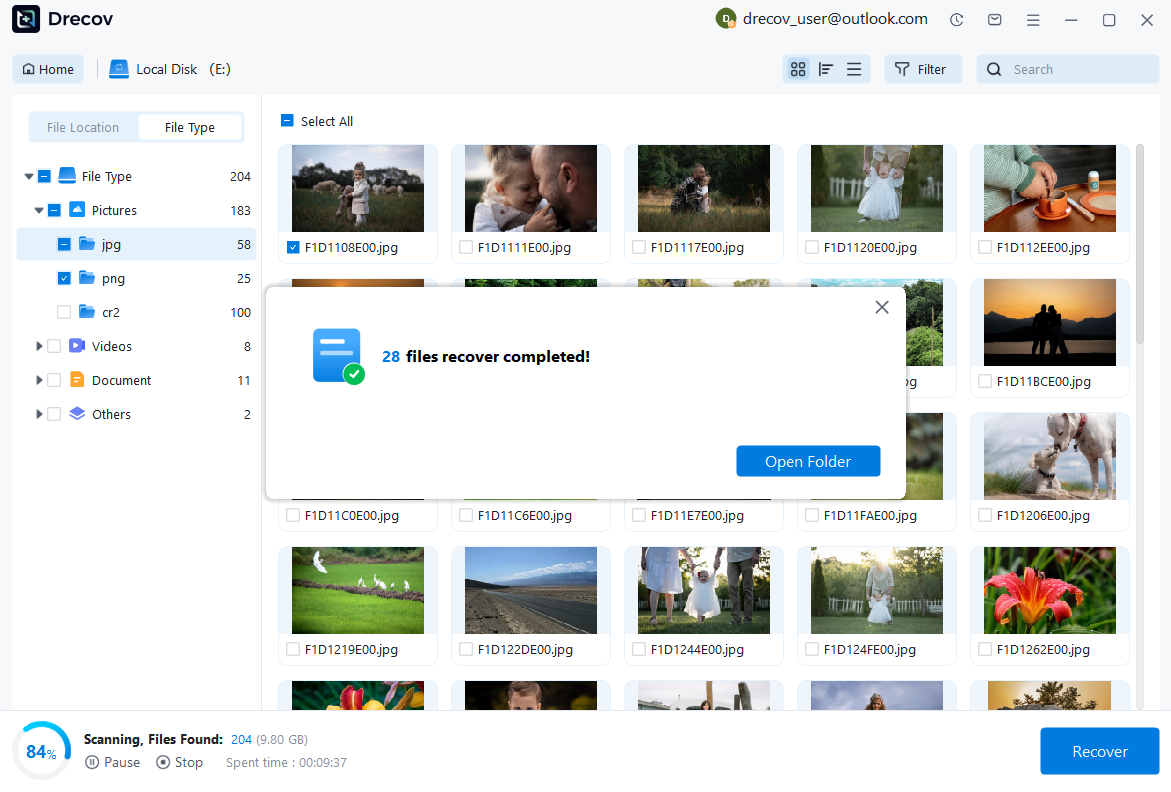
One of its strongest capabilities is recovering deleted photos, even after permanent deletion from the Recycle Bin. The built-in preview feature allows users to verify files before restoration, ensuring accurate and controlled recovery.
With strong scanning performance, broad device compatibility, and an intuitive interface, Pandaoffice Drecov offers a dependable and professional solution for modern data recovery needs.

Advanced Recovery Techniques for Gmail Contacts
Recovering Bulk or Group Contacts
When multiple contacts are deleted at once, a systematic approach is required:
- Check Trash/Bin: Deleted contacts remain for 30 days. Review carefully before attempting recovery.
- Undo Changes: Google Contacts allows you to revert your address book to a previous state, ideal for mass deletions.
- Verify Labels: Ensure restored contacts retain their labels, such as “Work,” “Family,” or “VIP,” to maintain organization.
Admins managing multiple accounts should confirm that restored contacts sync correctly across users and devices, ensuring full recovery. Bulk recovery often involves restoring hundreds of contacts, and skipping verification can result in lost or misplaced data.
Additional Tip: For users with multiple Google accounts, verify the active account before restoring contacts. Restoring to the wrong account may create duplicates or overwrite data.
Restoring Contacts via Exported Files
Exported contacts offer a reliable way to recover lost entries:
- Select File Format: Choose Google CSV for Gmail or vCard for iOS devices.
- Import Carefully: Navigate to Google Contacts > Import and select the file.
- Sync to Devices: After import, force a sync to ensure contacts appear on all devices.
Example: A user who lost contacts due to a sync error on Android can import a previously exported CSV file, restoring all phone numbers, email addresses, and notes efficiently.
⚠️Warning: Check for duplicates post-import to maintain a clean and organized contacts list.
Enterprise Gmail Contact Management
Admin Strategies for Multiple Accounts
Organizations using Google Workspace face additional challenges:
- Scheduled Backups: Admins should automate CSV exports for all user contacts regularly.
- Audit Logs: Monitor deletions and sync errors to identify potential risks.
- User Training: Educate employees on safe deletion, group management, and proper backup procedures.
These measures prevent accidental loss and streamline recovery processes for large teams. Admins should maintain a master record of all exports, organized by date and account, to quickly locate backups during emergencies.
Handling Cross-Platform Synchronization Issues
Contacts may appear differently across Android, iOS, and desktop platforms due to sync discrepancies. Common issues include:
- Conflicting Accounts: Multiple Google accounts may overwrite contacts.
- Sync Delays: Updates may take time to propagate to all devices.
- Device-Specific Settings: Some devices may disable automatic sync, leaving contacts outdated.
Solutions:
- Verify the active Google account on each device.
- Perform manual sync after recovery.
- Regularly audit contacts on each platform.
This ensures consistency and prevents missing or duplicated contacts.
Using Labels and Groups for Recovery
Labels help users organize and recover contacts efficiently:
- Apply labels such as “Work,” “Family,” “VIP,” or custom tags.
- During recovery, ensure labels are preserved to maintain organizational structure.
- Export and import labels along with contacts to streamline bulk restoration.
Example: If a “VIP” label group is accidentally deleted, restoring via a CSV backup with label data ensures critical contacts are quickly accessible.
Advanced Duplication Management
After recovery, duplicates often appear due to multiple account syncs or imports:
- Use Google Contacts’ Merge & Fix feature to identify duplicates.
- Review each merged contact to ensure no information is lost.
- Apply filters to prevent repeated duplications across devices.
Proper duplication management maintains contact integrity, reducing confusion and ensuring smooth communication.
Enterprise Recovery Scenarios
For organizations:
- Recovery may involve hundreds or thousands of contacts.
- Admins should maintain detailed records of all changes, deletions, and restores.
- Implementing a structured labeling and backup strategy ensures rapid recovery without impacting live operations.
Cross-team collaboration is essential during large-scale recovery events. Admins can schedule staged recovery to prevent sync conflicts and data inconsistencies.
Testing and Validation
After recovery:
- Validate all contacts are present, including phone numbers, emails, and notes.
- Verify that labels and groups are correctly applied.
- Perform spot checks on key user contacts to ensure accuracy.
Regular validation ensures recovery processes are effective and reduces the likelihood of undetected data loss.
⚠️Warning: Failing to validate restored contacts may result in communication errors and lost information.
Best Practices for Users and Admins
- Schedule regular contact exports as CSV or vCard.
- Maintain offline and cloud backups.
- Educate staff on proper sync and deletion procedures.
- Use advanced recovery tools like Pandaoffice Drecov selectively when contacts are permanently deleted.
Following these practices ensures reliable recovery across personal and enterprise Gmail environments, keeping contacts secure, accessible, and properly organized.






