







A micro SD card is widely used in smartphones, cameras, drones, gaming consoles, and other portable devices. However, over time, you may encounter problems such as file system errors, virus infections, slow performance, or unreadable storage. In these situations, performing a proper reset SD card operation can restore functionality and improve stability.
If you are wondering how to reset a micro SD card, the process usually involves formatting or reinitializing the card using built-in Windows tools or specialized utilities. A reset removes all stored data and rebuilds the file system, giving the card a fresh start. Whether you need to fix corruption, clear sensitive files, or prepare the card for reuse, learning how to reset an SD card correctly is essential.
This guide explains multiple ways to reset a SD card on Windows systems, including File Explorer, Disk Management, Command Prompt, and dedicated SD card reset tool solutions. Each method is described clearly so that you can choose the one that best fits your situation.
How do I reset my micro SD cards read/write cycle?—from quora
⚠️Warning: Resetting or formatting an SD card permanently deletes all stored files. Back up important data before proceeding.
Why You May Need to Reset an SD Card
Before learning how to reset SD card storage devices, it’s important to understand why a reset might be necessary. Micro SD cards can experience issues due to improper removal, power interruptions, malware infections, or incompatible file systems.
Common signs that indicate you should reset SD card storage include:
- The card is not recognized by Windows.
- Files are inaccessible or corrupted.
- You receive “Format the disk” error messages.
- Storage shows incorrect capacity.
- The device runs unusually slow.
In many cases, performing a clean reset resolves logical file system errors. When you reset an SD card, Windows creates a new file allocation table and removes damaged directory entries. This restores normal operation without requiring hardware replacement.
Additionally, users often search for how to reset a micro SD card when switching between devices. For example, an SD card formatted for a camera may not work properly on a smartphone until it is reformatted.
⚠️Warning: If your SD card shows physical damage (burn marks, broken connectors), resetting will not fix the issue. Hardware problems require replacement.
Preparation Before Resetting a Micro SD Card
Before performing a full reset SD card procedure, preparation is critical. Even though resetting can solve many issues, it also deletes everything stored on the card.
1. Back Up Important Files
If the card is still accessible, copy photos, videos, and documents to your computer or cloud storage. This ensures you won’t lose valuable data.
If files are already missing or inaccessible, you may need recovery software such as Pandaoffice drecov before attempting a reset. Once formatting occurs, recovery becomes more complex.
2. Check the Card for Errors
Open This PC, right-click the SD card, select Properties → Tools → Check. Running a disk check may fix minor logical errors without requiring a full reset.
3. Verify Write Protection
Some SD cards have a physical lock switch. If the card cannot be formatted, ensure the switch is set to the unlocked position.
4. Confirm Proper Card Reader Connection
A faulty reader can cause Windows to misidentify the card. Try a different USB port or card reader if necessary.
⚠️Warning: Do not interrupt the reset process once it starts. Removing the card during formatting can permanently damage the file system.
Method 1: How to Reset a Micro SD Card Using File Explorer
The simplest way to reset a micro SD card is through Windows File Explorer. This method is ideal for beginners and works when the card is detected normally.
Steps to Reset SD Card via File Explorer
- Insert the micro SD card into your computer.
- Open This PC.
- Right-click the SD card drive.
- Select Format.
- Choose the desired file system:
- FAT32 (for devices under 32GB)
- exFAT (for cards larger than 32GB)
- Check or uncheck Quick Format.
- Click Start.
This action completes the reset SD card process by erasing all data and rebuilding the file structure.
A quick format removes file references but does not overwrite data, making recovery possible in some cases. A full format scans for bad sectors and takes longer.
⚠️Warning: If Windows displays “Windows was unable to complete the format,” the file system may be corrupted. Consider using Disk Management or Command Prompt.
This is often the fastest solution for users searching for how to reset an SD card without advanced tools.
Method 2: Reset SD Card Using Disk Management
If File Explorer fails, Windows Disk Management provides a more advanced way to reset a SD card.
Steps to Reset via Disk Management
- Press Windows + X and select Disk Management.
- Locate your micro SD card.
- Right-click the partition.
- Choose Format.
- Select the file system and allocation size.
- Confirm and proceed.
If the card shows as Unallocated, you can:
- Right-click the unallocated space.
- Select New Simple Volume.
- Follow the wizard to create a new partition.
This method is particularly helpful when the SD card appears without a drive letter or when partition data is damaged.
Using Disk Management effectively acts as a built-in SD card reset tool, allowing you to reinitialize storage without installing third-party software.
⚠️Warning: Ensure you select the correct disk. Formatting the wrong drive can result in permanent data loss.
Disk Management is a reliable choice for users looking for a more detailed approach to how to reset SD card storage devices.
Method 3: How to Reset SD Card Using Command Prompt (DiskPart)
If your micro SD card cannot be formatted through File Explorer or Disk Management, using Command Prompt is a powerful alternative. Many advanced users search for how to reset SD card using command-line tools because this method can fix deeper partition or corruption problems.
Steps to Reset a Micro SD Card via DiskPart
- Insert the SD card into your PC.
- Type cmd in the Windows search bar.
- Right-click Command Prompt and select Run as Administrator.
- Type
diskpartand press Enter. - Type
list diskto display all connected drives. - Identify your SD card by its size.
- Type
select disk X(replace X with the correct disk number). - Type
cleanto erase all partition information. - Type
create partition primary. - Type
format fs=exfat quick(orfat32). - Type
assignto assign a drive letter.
This process fully clears partition data and rebuilds the file system, effectively performing a complete reset SD card procedure.
⚠️Warning: Selecting the wrong disk number can erase your main hard drive. Double-check disk size before typing the clean command.
DiskPart acts as a built-in SD card reset tool and is ideal when other methods fail.
Method 4: Reset SD Card Using Official SD Card Formatter Tool
Sometimes Windows formatting tools fail due to compatibility issues. In such cases, using a dedicated SD card reset tool can help. Official SD card formatting utilities are designed specifically to restore SD and micro SD cards to their original performance state.
These tools typically:
- Remove hidden partitions
- Rebuild file allocation tables
- Restore proper sector alignment
- Fix logical formatting errors
To use such a tool:
- Install the SD card formatting software.
- Insert your micro SD card.
- Select the correct drive.
- Choose Quick Format or Overwrite Format.
- Click Format to begin the reset process.
This approach is especially useful if you are unsure how to reset a micro SD card when Windows repeatedly fails to complete formatting.
Overwrite format takes longer but ensures deeper cleaning of storage sectors. Quick format is faster but may not fix complex corruption.
⚠️Warning: Never interrupt the formatting process. Removing the SD card mid-reset can cause permanent damage.
Using a proper SD card reset tool is recommended when dealing with repeated format failures or device compatibility problems.
What to Do If Resetting Fails
In some situations, users attempt multiple methods and still cannot reset an SD card successfully. This usually indicates severe logical corruption or physical damage.
Common Causes of Reset Failure
- Bad sectors
- Write-protection errors
- File system corruption
- Malware infection
- Hardware controller failure
First, check whether the SD card is physically locked. Slide the lock switch to the unlocked position. If Windows shows “The disk is write-protected,” try using DiskPart’s attributes disk clear readonly command.
If the SD card shows 0 bytes capacity or is not detected at all, the issue may be hardware-related. In that case, resetting may not be possible.
⚠️Warning: Repeated formatting attempts on a failing SD card may worsen hardware damage.
If your goal is to recover important files before resetting, stop using the card immediately and proceed with data recovery software before attempting further formatting.
Recover Data Before or After Reset Using Pandaoffice drecov
Many users only search how to reset a sd card after realizing their data is inaccessible. If valuable files are lost, recovering them before performing a reset is critical.
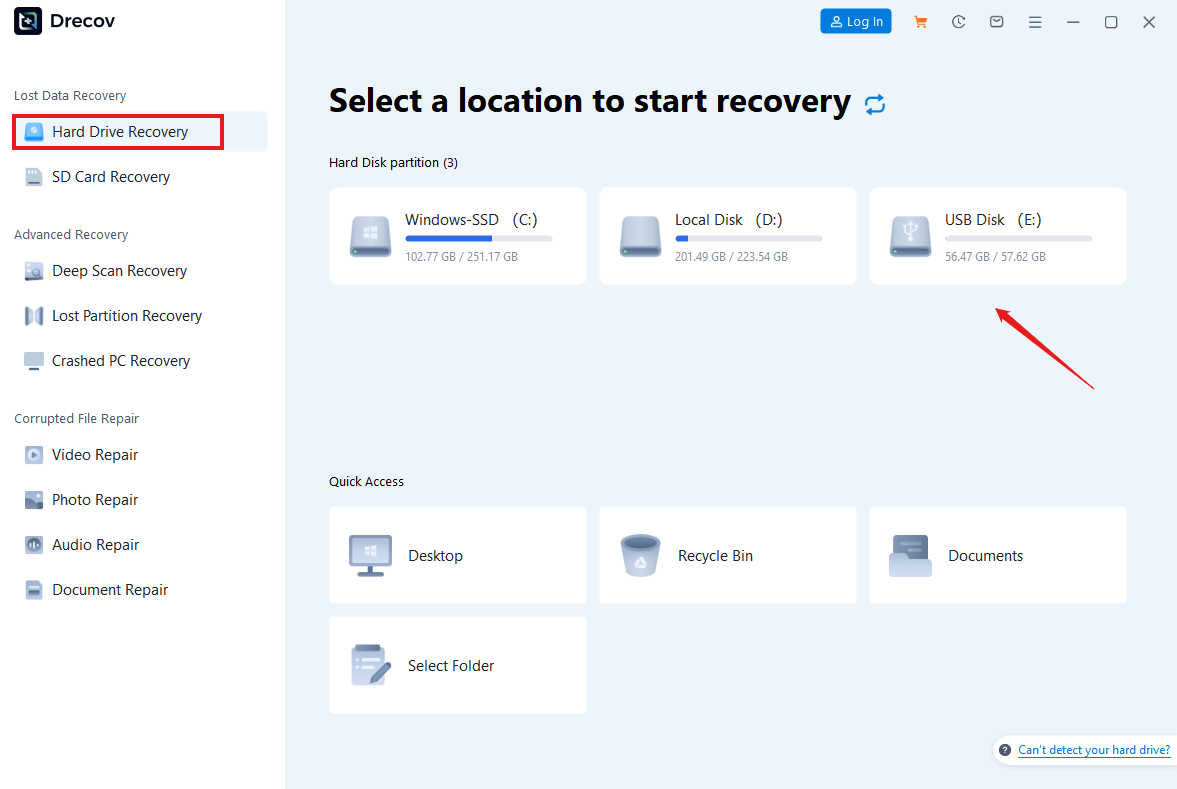
Pandaoffice drecov provides professional-grade recovery solutions for SD and micro SD cards. Whether the card was accidentally formatted or partially corrupted, it can scan and retrieve recoverable data.
Download DrecovSteps to Recover Data
- Install Pandaoffice drecov on your PC.
- Insert the micro SD card.
- Launch the software and select the SD card drive.
- Run a deep scan.
- Preview recoverable files.
- Save files to a different storage location.

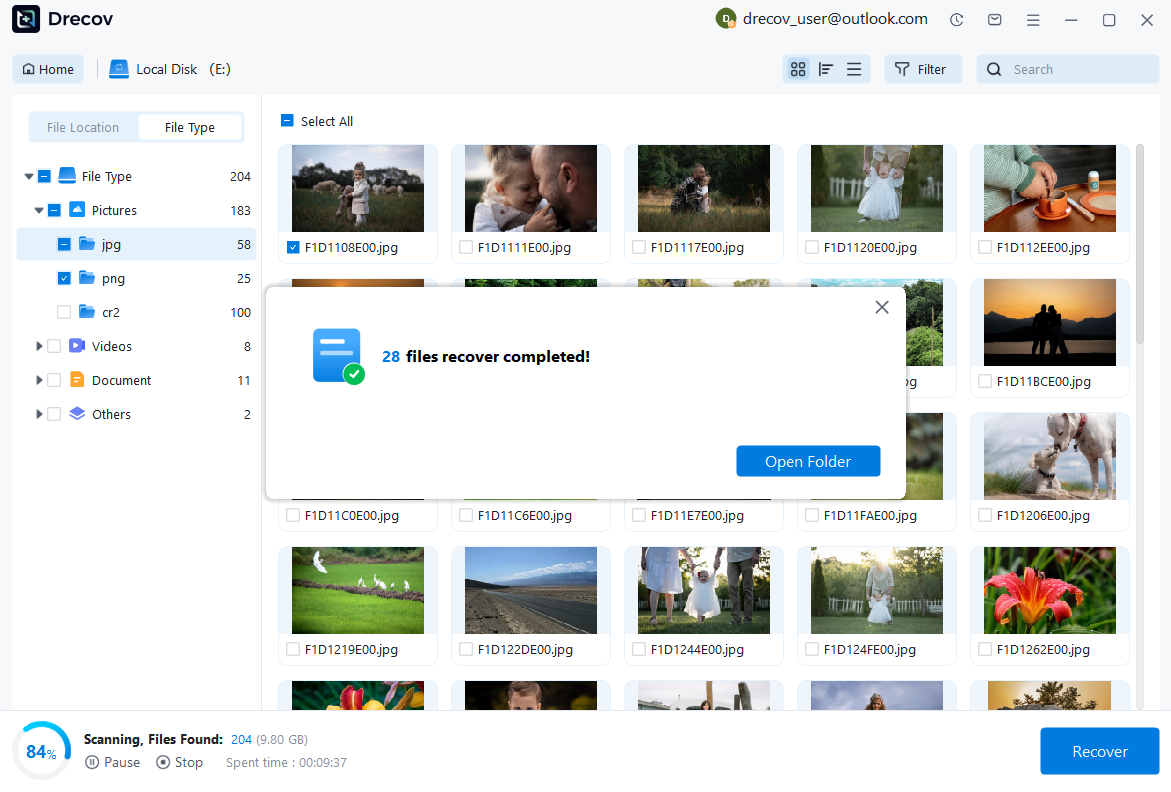
Even if you already performed a quick reset SD card action, recovery may still be possible as long as data has not been overwritten.
This is especially helpful if you mistakenly formatted the card while learning how to reset an SD card.
⚠️Warning: Always save recovered files to another drive. Saving to the same SD card may overwrite remaining data.
Pandaoffice drecov ensures safer portable storage data recovery before reusing the card.
How to Reset an SD Card for Different Devices
Different devices require different file systems. Understanding compatibility is essential when deciding how to reset SD card storage.
Android Devices
- Recommended file system: exFAT or FAT32
- Insert into phone and use device storage settings to format.
Cameras
- Format using the camera’s internal format option after initial Windows reset.
- This ensures optimal compatibility.
Nintendo Switch
- Use FAT32 for better stability.
- Avoid unsupported file systems.
If you are researching how to reset a micro SD card for cross-device use, always check device manuals for supported file systems.
⚠️Warning: Formatting in Windows does not always guarantee device compatibility. Device-level formatting is recommended after PC reset.
Tips to Prevent SD Card Problems in the Future
After successfully performing a reset SD card procedure, prevention should be your priority.
Safely Eject the Card
Always use the “Safely Remove Hardware” option before removing the card.
Avoid Power Interruptions
Do not remove the SD card while files are being written.
Regular Backups
Keep copies of important files on external drives or cloud storage.
Scan for Viruses
Use reliable antivirus software to prevent corruption.
Monitor Storage Health
Replace aging SD cards to avoid sudden failures.
If you ever need to learn again how to reset a sd card, following proper usage habits will reduce the frequency of such issues.
⚠️Warning: SD cards have limited write cycles. Heavy usage over time may lead to inevitable degradation.
Final Thoughts
Learning how to reset a micro SD card is essential for maintaining portable storage devices. Whether using File Explorer, Disk Management, Command Prompt, or a dedicated SD card reset tool, each method serves a specific scenario.
If resetting fails or important files are lost, Pandaoffice drecov offers a reliable solution to recover data before permanent loss occurs. Acting quickly increases recovery success rates.
By understanding how to reset an SD card properly and implementing preventative measures, you can extend the lifespan of your micro SD card and avoid future storage problems.





