







Formatting an SD card is a common task for both Windows and macOS users, yet it carries real risks if important files are stored on the card. Many users wonder, how do you format an SD card safely without losing documents such as Word files, Excel spreadsheets, PowerPoint presentations, PDFs, or images. Whether you are preparing a new SD card for a camera, smartphone, or tablet, fixing file system errors, or changing the file system to improve device compatibility, it is essential to follow the correct procedure. Improper formatting can result in permanent data loss if no recovery steps are in place.
Formatting an SD card involves removing the existing file system and creating a new one. While formatting deletes the directory structure, the underlying data often remains physically on the card until overwritten. This makes recovery possible. Tools like PandaOffice Drecov specialize in formatted document recovery, allowing users to restore Word, Excel, PowerPoint, and PDF files after accidental formatting. Acting quickly and avoiding new writes to the SD card are key factors for successful recovery.
Users frequently ask how to format an SD card when they need to ensure compatibility across multiple devices. Windows users can choose File Explorer, Disk Management, or Command Prompt (CMD) methods, depending on the SD card’s condition. macOS users rely on Disk Utility for safe formatting. Choosing the correct file system—FAT32, exFAT, or NTFS—is crucial for device compatibility and long-term reliability. FAT32 remains the most universally supported option, while exFAT works better for large-capacity SD cards, particularly for modern devices that store large files.
Need to recover some deleted videos from an SD card that was in an android device.. what’s the best free software to preview the files before recovery?—from Reddit
Why Users Format SD Cards
People format SD cards for a variety of legitimate reasons. One of the most common is to repair a corrupted file system or fix errors that prevent the SD card from being read properly. Other reasons include preparing the card for a specific device, removing viruses or malware, and reusing the card for new projects. Even routine system maintenance can result in accidental formatting if the wrong drive is selected.
In professional environments, formatting SD cards occurs frequently. Employees often reuse SD cards to store presentations, reports, or internal documents, and accidental formatting can have serious consequences. Students and researchers may rely on SD cards to store research papers, projects, and academic work. In these scenarios, PandaOffice Drecov provides an efficient solution to recover lost documents, ensuring minimal disruption to workflows and deadlines.
Formatting also improves SD card performance. Repeated writes and deletions can fragment the file system, causing slower access or errors. A proper format resets the directory structure, restoring speed and reliability. Selecting the correct file system, such as format sd card to FAT32, ensures the SD card will be recognized by cameras, tablets, and older devices. By understanding the reasons for formatting and following proper procedures, users reduce the risk of losing critical files.
Understanding File Systems: FAT32, exFAT, and NTFS
Choosing the correct file system is a critical step when formatting an SD card. Different file systems have distinct advantages, limitations, and compatibility levels.
FAT32 is widely supported and suitable for SD cards up to 32GB. It is compatible with cameras, TVs, gaming consoles, and embedded devices. Its main limitation is the 4GB maximum file size, which may be a problem for storing high-resolution video or large database files. Despite this, FAT32 remains the best choice for device universality and is often the preferred option when users ask how do i format an SD card for cameras or older devices.
exFAT is designed for larger SD cards and supports files exceeding 4GB, making it ideal for high-capacity media storage. It works across Windows and macOS, allowing seamless file transfers between systems. Users planning for OS X SD card recovery often format their cards with exFAT to maintain cross-platform compatibility.
NTFS is optimized for Windows, offering advanced permissions and supporting very large files. However, it is generally not recommended for SD cards used in cameras or portable devices due to limited device compatibility. For most SD card uses, FAT32 or exFAT provides the best balance of performance, compatibility, and recovery potential.
Understanding these differences allows users to select the most appropriate file system when preparing an SD card for specific devices or cross-platform use. Proper file system selection directly affects compatibility and the success of document recovery.
How to Format an SD Card on Windows
Windows users have multiple built-in options for formatting SD cards. The choice depends on the SD card’s condition, capacity, and user expertise.
File Explorer offers a simple and fast method. Insert the SD card, open File Explorer, right-click the drive, select Format, choose the desired file system (FAT32 or exFAT), and perform a Quick Format if appropriate. Quick Format removes directory references but leaves underlying data intact, allowing tools like PandaOffice Drecov to recover lost documents.
Disk Management is a more advanced tool. Users can delete and recreate partitions, choose the appropriate file system, and format SD cards even when they do not appear in File Explorer. This is particularly useful for cards with partition errors or corruption that prevents standard formatting.
Command Prompt (CMD) provides maximum control. Using diskpart, users can select the target SD card, clean partitions, create a primary partition, and format the card using a selected file system. CMD is also the preferred method for format sd card to FAT32 when cards exceed 32GB, something File Explorer may not support. This ensures compatibility with devices that require FAT32 formatting.
By understanding these Windows methods, users can safely format SD cards, maintain device compatibility, and preserve the potential for document recovery.
How to Format an SD Card on macOS
macOS users have a slightly different process for formatting SD cards. The built-in Disk Utility tool allows users to erase and format SD cards safely while selecting the appropriate file system. Whether preparing a card for Windows compatibility or performing OS X SD card recovery, understanding the steps ensures data integrity and device readiness.
To format an SD card on macOS, insert the card and open Disk Utility. Select the SD card in the sidebar, then click Erase. Choose a compatible file system, such as MS-DOS (FAT) or exFAT, depending on the device requirements. Naming the volume clearly helps with organization, especially when using multiple SD cards. macOS users aiming to recover lost documents should opt for a quick erase rather than a secure erase to maximize recovery potential with PandaOffice Drecov.
For users who frequently work across Windows and macOS, exFAT is the preferred option due to its support for large files and cross-platform compatibility. FAT32 is still useful for older devices but limits individual file sizes to 4GB. By following these macOS procedures, users can safely prepare SD cards for cameras, media devices, or storage purposes while ensuring that accidental formatting does not permanently destroy important documents.
Quick Format vs Full Format
Understanding the difference between Quick Format and Full Format is essential for safe SD card management. Quick Format only removes the file system references, leaving the underlying data intact. This allows recovery software like PandaOffice Drecov to restore documents effectively after accidental formatting.
Full Format scans the SD card for bad sectors and may overwrite storage areas, making document recovery more difficult. Although Full Format can identify hardware issues, it significantly reduces the chances of restoring Word, Excel, PowerPoint, and PDF files. For users concerned about preserving important documents, Quick Format is typically the safer choice.
Practical examples show that Quick Format followed by immediate recovery often restores nearly all files, while Full Format may only recover partial content. Understanding this distinction helps users make informed choices, especially in professional environments where SD cards store high-value documents and media. Choosing the correct formatting method ensures both device functionality and recovery potential.
Recovering Formatted Documents with PandaOffice Drecov
Even after accidental formatting, documents can often be restored. PandaOffice Drecov specializes in recovering formatted files, including Word, Excel, PowerPoint, and PDF documents. Unlike general media recovery tools, it focuses on document structure and integrity, ensuring professional files are restored accurately.
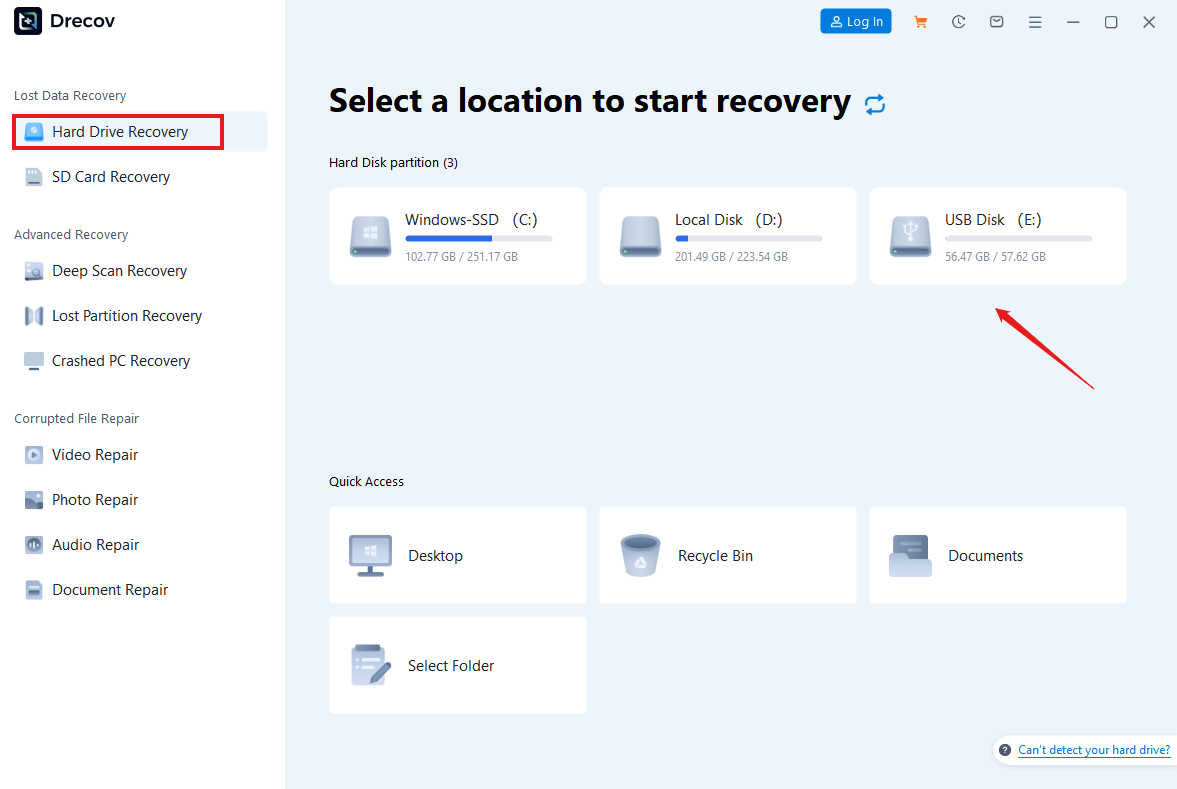
Steps to recover documents:
Download Drecov- Connect the formatted SD card to your Windows or macOS computer.
- Launch PandaOffice Drecov and select the SD card.
- Run a full scan to detect recoverable files.
- Preview documents to verify their integrity.
- Save recovered files to a separate drive to prevent overwriting.

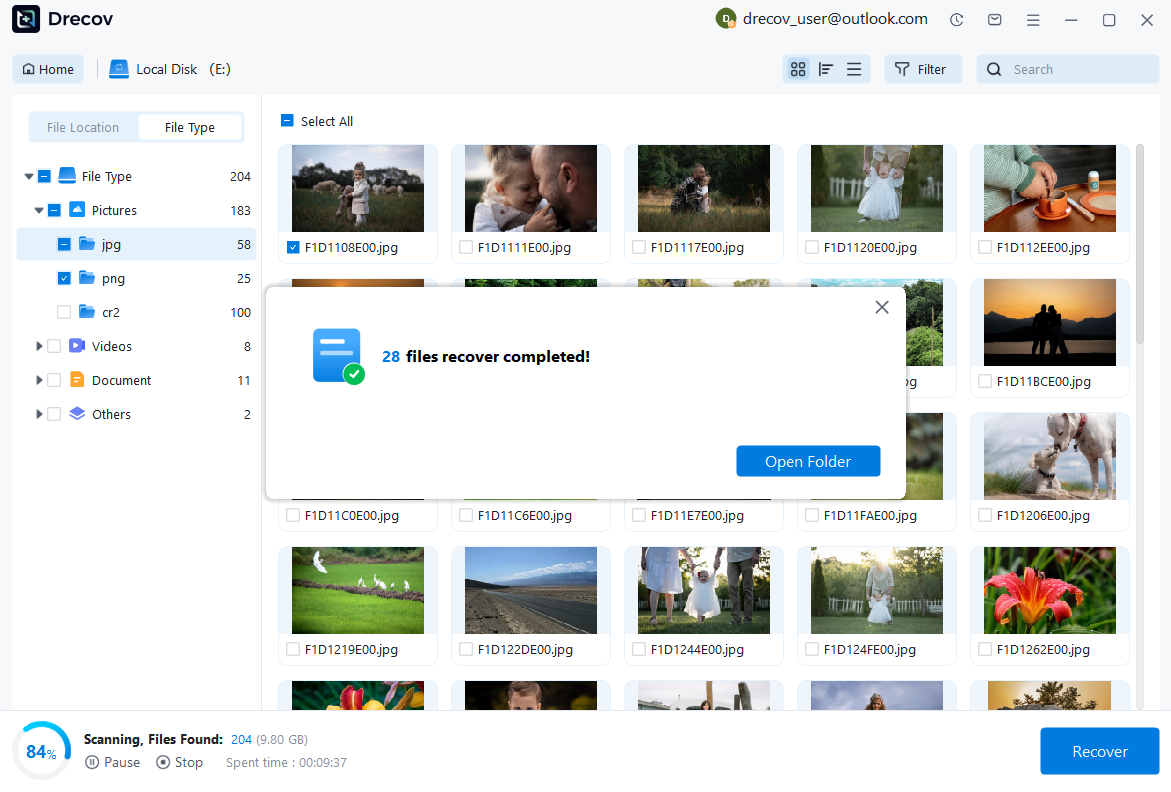
Advanced strategies include stopping all writes to the SD card immediately after formatting, using a reliable card reader, and allowing the scan to complete fully. PandaOffice Drecov supports OS X SD card recovery, making it versatile for cross-platform users. This ensures that critical Word documents, Excel sheets, PowerPoint presentations, and PDFs can be restored even after accidental formatting.
Professional and Academic Scenarios
Accidental SD card formatting is particularly impactful in professional and academic environments. Corporate employees often reuse SD cards for storing reports, presentations, and confidential data. Students and researchers rely on SD cards for academic papers, thesis drafts, and research datasets. Photographers, videographers, and content creators use SD cards for high-resolution media. In all these cases, accidental formatting can lead to significant workflow disruption and data loss.
Legal and research professionals also depend on SD cards for storing sensitive records, scanned contracts, and case documents. In these scenarios, PandaOffice Drecov enables fast and reliable recovery of formatted documents, minimizing potential losses and restoring productivity. Understanding professional use cases highlights the importance of selecting proper file systems, backing up data, and using recovery software proactively.
Common SD Card Issues and Solutions
Write-Protected SD Cards: Some SD cards have a physical lock switch that prevents writing. Users can also use CMD commands (diskpart) to remove read-only attributes.
SD Cards That Won’t Format: Disk Management or CMD formatting methods can often resolve issues when File Explorer fails. Trying a different card reader or testing for hardware failure may also be necessary.
Incorrect Capacity Display: Counterfeit or failing SD cards sometimes report inaccurate sizes. Diagnostic tools can verify real capacity and prevent unexpected formatting problems.
Logical Corruption: Formatting can fix errors caused by file system corruption. Hardware failures, however, are not recoverable and require replacement.
By understanding these problems and solutions, users can format SD cards safely and maximize the chances of recovering documents using PandaOffice Drecov.
Frequently Asked Questions (FAQ)
Q1: How do you format an SD card safely?
Back up files first, verify the correct drive, and avoid interruptions. Quick Format is preferred for preserving recovery potential.
Q2: Can documents be recovered after formatting?
Yes, especially if Quick Format was used and the SD card has not been overwritten. PandaOffice Drecov supports recovery of Word, Excel, PowerPoint, and PDF files.
Q3: Which file system should I choose?
FAT32 for older devices and maximum compatibility; exFAT for large files and cross-platform use. NTFS is generally not recommended for SD cards used in portable devices.
Q4: How long does recovery take?
Recovery time depends on card size. Small cards may take only minutes, while larger high-capacity cards can take an hour or more.
Q5: Can macOS recover formatted SD cards?
Yes, OS X SD card recovery is fully supported by PandaOffice Drecov, ensuring cross-platform compatibility.
Q6: Is Quick Format always better than Full Format?
Quick Format preserves underlying data for recovery. Full Format scans for errors but may overwrite data, reducing recovery chances.
Q7: Can SD cards be reused after recovery?
Yes, once documents are safely restored to another drive.
Q8: How do I format an SD card larger than 32GB to FAT32?
Use CMD (diskpart) on Windows or specialized formatting tools. FAT32 is widely supported for older devices and cameras.
Best Practices for SD Card Maintenance
To prevent accidental data loss, regularly back up important files to external drives or cloud storage. Safely eject SD cards before removing them from computers or cameras. Avoid unnecessary formatting and clearly label SD cards to prevent confusion. Using reliable card readers and monitoring SD card health can significantly reduce the risk of formatting errors.
Final Thoughts
Formatting SD cards is routine but potentially risky if critical documents are stored. Understanding how to format an SD card, selecting the correct file system, and choosing Quick or Full Format appropriately reduces the chance of data loss. PandaOffice Drecov provides a reliable solution for recovering formatted documents, including Word, Excel, PowerPoint, and PDF files. Acting promptly after accidental formatting and avoiding further writes to the SD card ensures maximum recovery potential, keeping your data safe and accessible for professional, academic, and personal needs.





