







Losing slides in a PowerPoint presentation can be stressful, especially when you’ve invested hours into creating them. Whether due to accidental deletion, software crashes, or file corruption, knowing how to recover deleted PowerPoint slides is essential. Fortunately, there are reliable methods to retrieve deleted PowerPoint slides efficiently, ensuring your work is not lost permanently. This guide will provide step-by-step instructions and tips for both beginners and advanced users to recover missing slides in PowerPoint using built-in features and professional tools like Pandaoffice drecov.
I accidently deleted a slide from a saved Powerpoint presentation. How can I recover that slide?—from Microsoft Store
Why Slides Get Deleted in PowerPoint
Accidental deletion is the most common reason users need to recover a deleted slide in PowerPoint. In some cases, users mistakenly delete a slide while editing the presentation, believing it’s unnecessary. System crashes, unexpected shutdowns, or software updates can also result in missing slides. Additionally, file corruption caused by viruses, malware, or improper file transfers can make slides disappear without warning. Understanding the reason behind the data loss can help determine the most effective method to recover lost slides in PowerPoint.
Another factor is human error during collaboration. Multiple users editing a presentation simultaneously may unintentionally remove essential slides. Cloud storage synchronization issues or failed backups can also contribute to missing content. By knowing these common causes, you can implement preventive strategies while also choosing the right recovery method. Pandaoffice drecov actively addresses such issues, allowing you to safely retrieve deleted PowerPoint slides even when standard methods fail.
Checking the Recycle Bin First
Before attempting advanced recovery methods, always check the Recycle Bin. Windows users can often recover deleted PowerPoint slides directly from this folder if the file was recently removed. Simply locate your deleted presentation, right-click it, and select “Restore.” The file will return to its original location, allowing you to access all slides. This step is crucial as it is quick, requires no additional software, and works in most accidental deletion scenarios.
However, the Recycle Bin may not always contain the deleted slides, especially if the file was permanently deleted using Shift + Delete or removed from an external drive. In such cases, more advanced solutions are necessary. Professional recovery tools like Pandaoffice drecov can scan your system and storage devices to recover missing slides in PowerPoint, even after permanent deletion. By combining built-in methods and specialized software, users increase their chances of successful slide recovery significantly.
Using PowerPoint’s AutoRecover Feature
PowerPoint includes an AutoRecover feature designed to protect your work from unexpected crashes. AutoRecover periodically saves copies of your presentation, allowing you to recover lost slides in PowerPoint after a software failure. To use this feature, open PowerPoint, go to “File” > “Options” > “Save,” and check the AutoRecover file location.
After a crash, PowerPoint usually displays a Document Recovery pane the next time it opens, listing unsaved files. Selecting the desired version lets you restore the deleted slides immediately. Keep in mind that AutoRecover only saves changes at set intervals, so slides deleted before the last save may not appear. For scenarios where AutoRecover cannot retrieve all slides, Pandaoffice drecov provides a deeper scan of your system to retrieve deleted PowerPoint slides reliably, ensuring no critical content is permanently lost.
Recovering from Previous Versions
Windows offers a feature called Previous Versions, which automatically creates backups of files and folders through system restore points. To use this method, locate your presentation, right-click it, and select “Properties” > “Previous Versions.” From there, you can select a version before the slides were deleted and restore it, effectively allowing you to recover a deleted slide in PowerPoint.
This method is particularly useful if you regularly save presentations on your local drive. However, it requires system restore points to be active and may not be available for all files. For more advanced recovery, especially if Previous Versions doesn’t contain the deleted slides, using Pandaoffice drecov is recommended. This tool can recover missing slides in PowerPoint from damaged files, overwritten content, or even formatted drives, giving users a higher success rate.
Using Cloud Backups to Retrieve Deleted Slides
If your PowerPoint presentation was stored in a cloud service like OneDrive, Google Drive, or Dropbox, you could recover deleted PowerPoint slides using the cloud’s version history feature. Cloud platforms automatically keep track of file changes, allowing users to restore older versions that include the lost slides. Simply access your cloud storage, locate the file, and restore the previous version to retrieve your missing content.
This method is ideal for users who collaborate across multiple devices or share presentations frequently. Cloud storage adds a layer of protection against accidental deletion and system failures. However, if your slides were never synced to the cloud, this method won’t be applicable. In such cases, Pandaoffice drecov serves as a robust alternative to recover lost slides in PowerPoint, scanning local storage and external devices to restore deleted content efficiently.
Recovering Deleted Slides Using Temporary Files
PowerPoint often creates temporary files that store unsaved changes. These files can sometimes be used to recover deleted PowerPoint slides. To check for temporary files, navigate to the folder where your presentation was last saved and look for files with extensions like .tmp or names starting with ~. Opening these files in PowerPoint may allow you to restore lost slides in PowerPoint.
Although this method can be effective, it is not always reliable. The system can automatically delete temporary files when it shuts down or overwrite them with new data. To achieve more consistent results, use professional recovery software such as Pandaoffice drecov. This tool can scan your system comprehensively to retrieve deleted PowerPoint slides, even in cases where temporary files are no longer available, ensuring a high recovery success rate.
Using Pandaoffice drecov to Recover Deleted Slides
When traditional methods fail, Pandaoffice drecov offers a reliable solution to recover missing slides in PowerPoint. This professional recovery tool supports multiple file formats, including .ppt and .pptx, and can retrieve slides lost due to accidental deletion, corruption, or system crashes. The software’s deep scan feature ensures even permanently deleted slides can be located and restored.
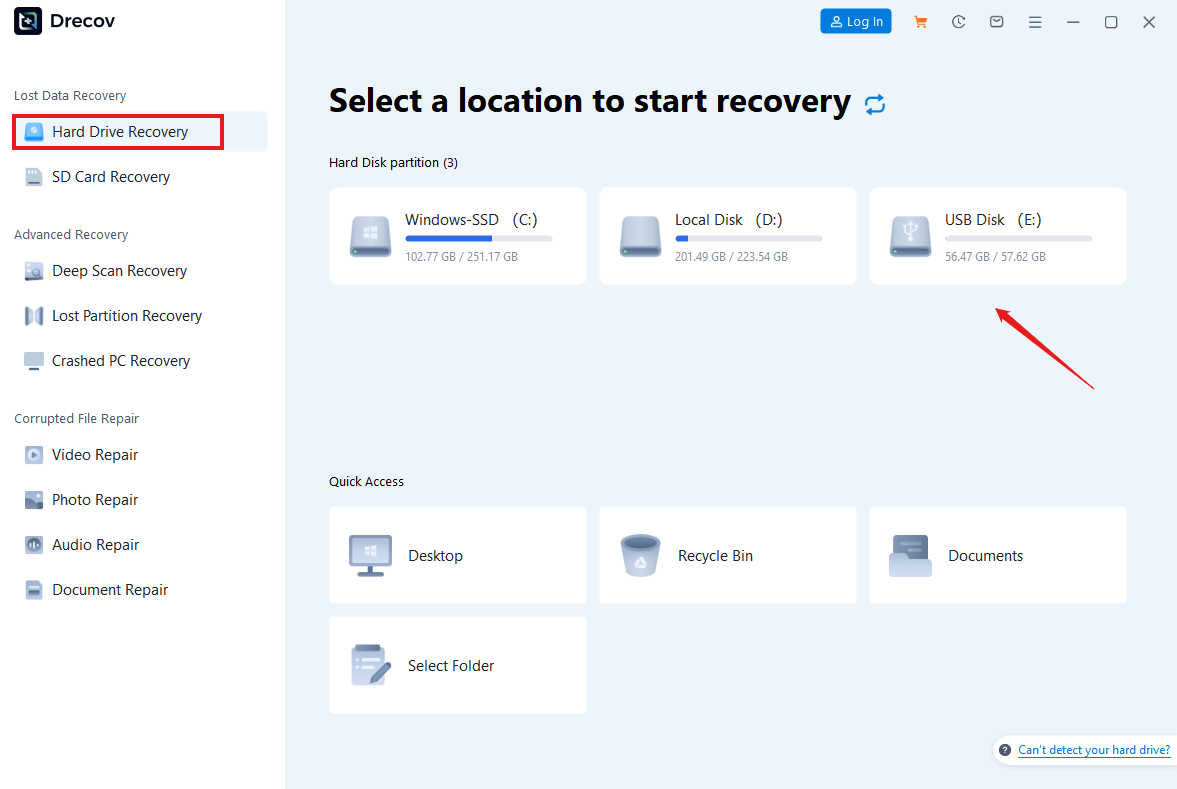
Using Pandaoffice drecov is straightforward: install the software, select the drive or folder containing the deleted presentation, and initiate a scan. Once completed, the software displays recoverable files, allowing you to preview and restore the desired slides. This method provides a higher success rate than manual recovery, particularly for complex data loss scenarios, making it an essential tool for professionals who need to recover deleted PowerPoint slides quickly and efficiently.
Recovering Slides from an Email Attachment
If your presentation was shared via email, there’s a chance you can recover lost slides in PowerPoint by retrieving the attachment. Many email services, such as Outlook and Gmail, store sent and received attachments, allowing you to download a previous version of your presentation. This method works well for individuals who frequently share presentations with colleagues or clients.
It is important to check both your sent folder and any archived messages. Even if you delete the original file locally, you can still access email attachments. Pandaoffice drecov actively recovers deleted PowerPoint slides from local storage or connected drives when the email copy is outdated or unavailable, ensuring you don’t rely solely on emails.
Preventive Measures to Avoid Slide Loss
Preventing the need to recover a deleted slide in PowerPoint is always better than performing recovery. Regular backups, both locally and on cloud services, are essential. Enabling AutoRecover in PowerPoint, saving multiple versions of your presentation, and using reliable storage devices can reduce the risk of permanent data loss.
Additionally, consider using tools like Pandaoffice drecov proactively. The software offers real-time monitoring and file protection features that can prevent accidental deletion and alert users to potential corruption. By combining best practices with professional software, users can significantly reduce the likelihood of losing important slides and minimize downtime caused by data recovery.
Tips for Efficient Slide Recovery
- Act quickly: The sooner you attempt recovery, the higher the success rate. Overwriting files reduces recoverability.
- Avoid saving new data on the same drive: Writing new files to the drive where slides were deleted can overwrite lost content.
- Use professional recovery tools: Software like Pandaoffice drecov provides advanced scanning and recovery capabilities.
- Check all storage locations: Look in local drives, external drives, cloud backups, email attachments, and temporary files.
- Keep multiple backups: Regularly saving presentations in different locations increases security against data loss.
Following these tips ensures you can recover deleted PowerPoint slides quickly and reduces the risk of permanent loss in future scenarios.
Advanced Recovery Scenarios
In some cases, deleted slides are not easily recoverable due to file corruption, partial deletion, or storage failures. Pandaoffice drecov is designed to handle such advanced scenarios. Its deep scanning algorithms can detect remnants of deleted slides in damaged files and reconstruct them, making it possible to retrieve deleted PowerPoint slides even when conventional methods fail.
This functionality is particularly useful for professionals dealing with large presentations or critical corporate data. Instead of relying solely on built-in PowerPoint recovery options, Pandaoffice drecov provides a comprehensive solution that maximizes your chances of restoring lost slides in PowerPoint with minimal effort.
Conclusion: Reliable Slide Recovery Made Easy
Losing slides can disrupt workflow, but with the right strategies, it’s possible to recover missing slides in PowerPoint effectively. Start with simple methods like checking the Recycle Bin, using AutoRecover, or restoring previous versions. For more complex scenarios, professional tools like Pandaoffice drecov offer a secure and efficient way to recover deleted PowerPoint slides or retrieve deleted PowerPoint slides from virtually any storage device.
By combining preventive measures with reliable recovery solutions, users actively protect their presentations from accidental loss, minimize downtime, and preserve important content. Whether you are an individual user or a corporate professional, adopting these strategies guarantees that recovering lost slides in PowerPoint becomes a straightforward and stress-free process.





