







If Microsoft Word crashes or closes unexpectedly, many users immediately ask where is the document recovery pane in Word and whether it can help restore their work. The word document recovery pane is one of the most important built-in tools for microsoft word unsaved document recovery, especially after power failures, forced restarts, or application errors. In the first moments after reopening Word, this pane often appears automatically and lists recoverable files. However, when it does not show up, users may assume their documents are permanently lost. This article explains exactly where to find the recovery pane, why it sometimes disappears, and how to restore unsaved documents step by step. It also covers advanced recovery options and prevention tips, so beginners and intermediate users can recover data confidently and avoid future loss.
What Is the Word Document Recovery Pane and Why It Matters
The word document recovery pane is a built-in task pane that Microsoft Word displays after an abnormal shutdown. Its main purpose is to help users quickly restore unsaved or partially saved documents using temporary recovery files. These files come from Word’s AutoRecover system, which periodically saves snapshots of open documents in the background.
For microsoft word unsaved document recovery, this pane acts as the first and fastest solution. When Word detects that it did not close normally, it scans AutoRecover locations and lists available versions in the recovery pane. Each entry usually includes the document name, status, and timestamp. This information helps users decide which version to open and save.
Many people confuse the recovery pane with the “Recover Unsaved Documents” option under the File menu. While both features rely on the same AutoRecover data, the pane provides a more visual and guided experience. Understanding where this pane appears and how it works can save hours of rework.
⚠️Warning: If you close the recovery pane without saving files, Word may delete temporary recovery data.
Where Is the Document Recovery Pane in Word on Windows
When the Recovery Pane Appears Automatically
On Windows, users most often find the word document recovery pane immediately after restarting Word following a crash. The pane usually appears on the left side of the Word window. It opens automatically when Word detects an abnormal exit and available recovery files.
This behavior answers the question where is document recovery in Word for most crash scenarios. You do not need to enable it manually. Word decides when to show it based on how the program closed previously. If Word shut down normally, the recovery pane will not appear.
How to Access Recovery Files Manually
If the pane does not appear, you can still access the same recovery data manually:
- Open Word
- Click File → Open
- Select Recover Unsaved Documents
This method provides access to the same files that would appear in the recovery pane. It is especially useful for microsoft word unsaved document recovery when the pane fails to load.
⚠️Warning: Opening and closing Word repeatedly without saving can overwrite recovery files.
Where Is the Document Recovery Pane in Word on Mac
Differences Between Windows and macOS
Many users ask where is the document recovery pane in Word Mac because the interface differs from Windows. On macOS, Word does not always display a dedicated recovery pane. Instead, Word often opens recovered documents directly in separate windows after a crash.
These recovered files usually include “Recovered” in the file name. Word relies on the same AutoRecovery mechanism but presents results differently. This difference leads some Mac users to believe the recovery pane does not exist.
How to Find Recovery Files on Mac
If recovered files do not open automatically:
- Open Word
- Click File → Open Recent
- Look for files labeled “Recovered”
You can also search AutoRecovery folders manually using Finder. This approach helps answer where is the document recovery task pane in Word for Mac users, even though the pane itself may not appear visually.
⚠️Warning: Closing Word normally after a crash can remove AutoRecovery files.
Why the Document Recovery Pane Does Not Appear
Common Causes of Missing Recovery Pane
Users often worry when the word document recovery pane does not show up. Several common reasons explain this behavior:
- Word closed normally instead of crashing
- AutoRecover was disabled
- Recovery files were overwritten
- The system cleaned temporary folders
In many cases, Word decides not to display the pane because it does not detect abnormal termination. This does not always mean files are unrecoverable.
Relationship to Other Data Loss Scenarios
This situation is similar to data loss after users format an SD card by mistake. In both cases, the data may still exist, but the system no longer displays it automatically. Understanding this concept helps users explore deeper recovery methods instead of giving up too early.
⚠️Warning: Installing updates or restarting multiple times can reduce recovery success.
Step-by-Step Solutions When the Recovery Pane Is Missing
Solution 1: Check AutoRecover Settings
AutoRecover must be enabled for the word document recovery pane to work. To verify:
- Open Word
- Click File → Options → Save
- Confirm AutoRecover is turned on
This step ensures microsoft word unsaved document recovery works correctly in future incidents.
Solution 2: Search for Temporary Files
You can manually locate AutoRecover files:
- Windows:
C:\Users\Username\AppData\Local\Microsoft\Office\UnsavedFiles - macOS:
~/Library/Containers/com.microsoft.Word/Data/Library/Preferences/AutoRecovery
This method answers where is document recovery in Word when the pane is missing.
Solution 3: Use Professional Recovery Software (Recommended)
When built-in tools fail, advanced recovery software becomes the most effective solution. This is especially useful when files disappear due to system errors, disk corruption, or accidental formatting—similar to losing files after you format an SD card.
Why PandaOffice Drecov Is Effective
PandaOffice Drecov can recover Word documents even when AutoRecover data is gone. It scans storage sectors directly and rebuilds lost files.
Download Drecov⚠️Warning: Stop using the affected drive before recovery to prevent overwriting.
3 Steps to Recover Data with Drecov
- Scan the drive where Word files were stored
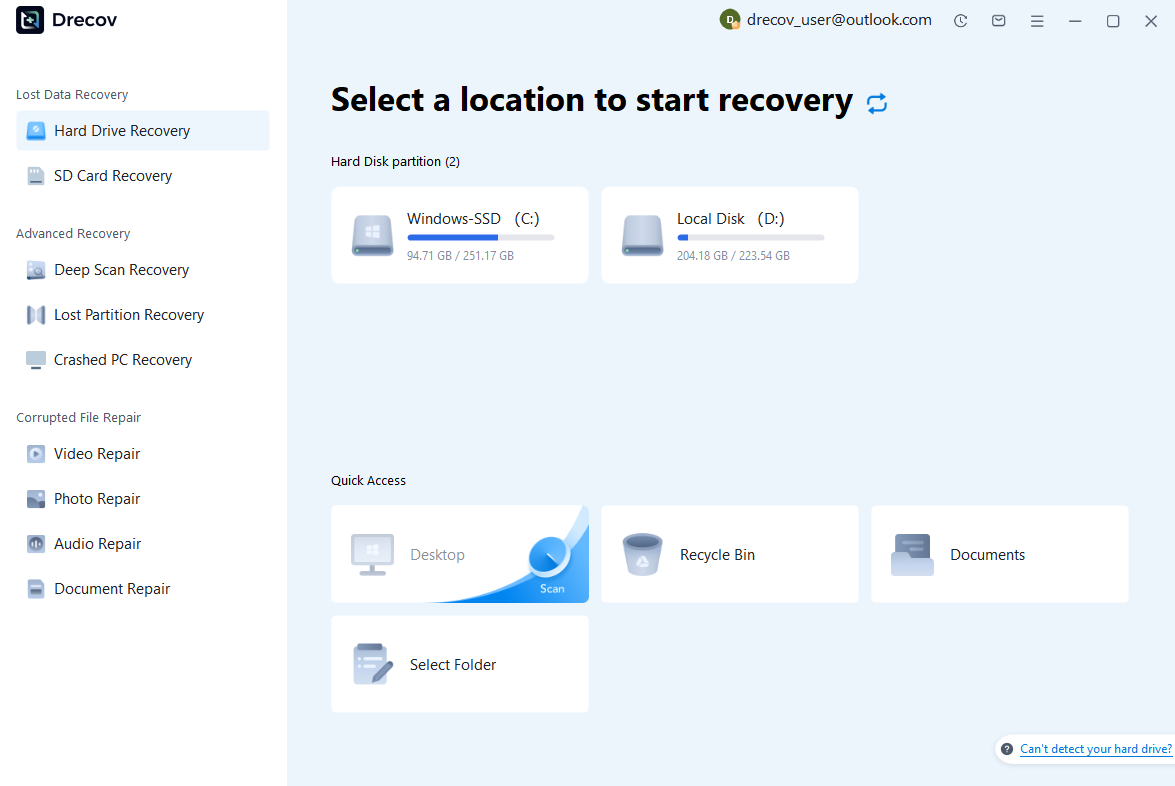
2. Preview recoverable Word documents

3. Recover files to a safe location

Comparison of Recovery Methods
Word Recovery Pane
- Pros: Fast, free, built-in
- Cons: Depends on AutoRecover
Manual AutoRecover Search
- Pros: No extra software
- Cons: Technical, limited success
Professional Software
- Pros: High success rate
- Cons: Requires installation
How to Prevent Word Document Loss in the Future
Preventing loss is easier than recovery. Enable AutoSave, shorten AutoRecover intervals, and use cloud storage with version history. Regular backups protect your data just as they protect files when users accidentally format an SD card.
⚠️Warning: Relying on a single save location increases risk.
FAQs About the Document Recovery Pane in Word
Where is the document recovery pane in Word after a crash?
Word usually displays it on the left side when reopening after an abnormal shutdown.
Where is the document recovery pane in Word Mac?
Mac versions open recovered files directly instead of showing a separate pane.
Where is the document recovery task pane in Word if it does not appear?
Use File → Open → Recover Unsaved Documents or search AutoRecovery folders.
Can I recover files if the recovery pane is gone?
Yes. You can use manual recovery or professional tools like PandaOffice Drecov.
Conclusion
Understanding where is the document recovery pane in Word gives users a clear advantage during unexpected crashes. The word document recovery pane remains the first and most important tool for microsoft word unsaved document recovery, but it is not the only solution. When the pane does not appear, manual methods and advanced recovery tools provide reliable alternatives. For severe data loss scenarios—similar to recovering files after formatting storage—PandaOffice Drecov offers a practical and effective option. By acting quickly and using the right approach, users can often recover their Word documents fully and avoid permanent loss.






